
Minimalist Skincare Routine: 4 Products for Better Skin
 Abdul WadoodLast updated
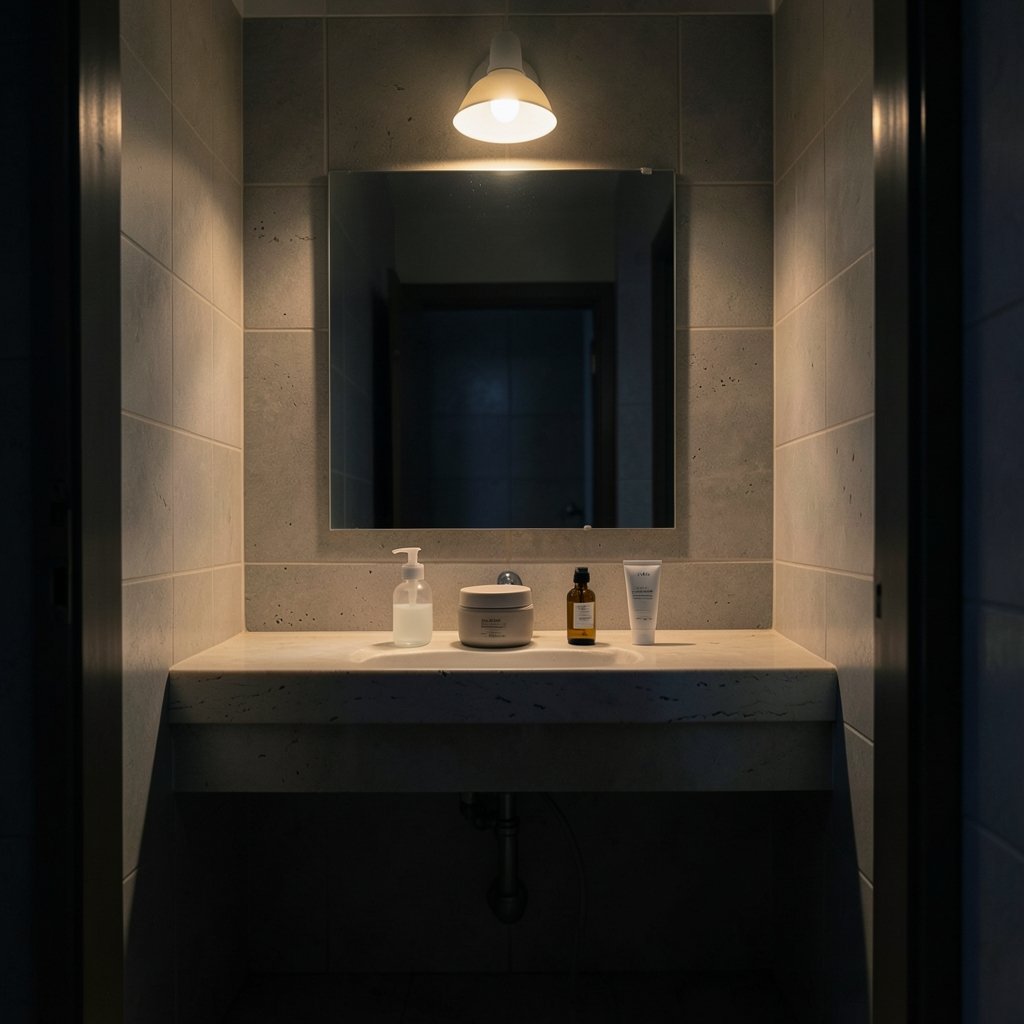
The global skincare market is worth well over $100 billion, yet the average dermatologist’s advice often fits on a sticky note. That gap says a lot. While shelves groan under serums, essences, ampoules, and ten-step kits, a growing body of dermatological guidance keeps returning to the same short list: cleanse gently, moisturize, protect with sunscreen, and treat only what actually needs treating. A minimalist skincare routine is not laziness dressed up as a trend. It is a deliberate bet that consistency with four good products beats chaos with fourteen.
This guide breaks down what a stripped-back routine looks like in practice, which products earn their place, how to build one from scratch, and the mistakes that trip people up most often.
What a minimalist skincare routine actually means
A minimalist routine is a short, stable set of products chosen for function rather than novelty. There is no official product count, but most dermatology-adjacent guidance lands on three to five steps: a gentle cleanser, a moisturizer, a broad-spectrum sunscreen, and optionally one targeted treatment such as a retinoid or an exfoliant.
The philosophy matters more than the number. Three principles define it:
- Every product has a job. If you cannot explain what a product does in one sentence, it probably does not need to be there.
- Fewer products means fewer variables. When your skin reacts badly, a four-product routine makes the culprit easy to find. A twelve-product routine turns troubleshooting into detective work.
- Consistency beats intensity. A simple routine done daily for months outperforms an elaborate one abandoned by week three.
That last point is where most routines fail. Adherence, not formulation, is the quiet variable in skincare outcomes.
Why fewer products often work better
The irritation math
Layering actives compounds irritation risk. Retinoids, alpha-hydroxy acids, beta-hydroxy acids, vitamin C, and benzoyl peroxide all stress the skin barrier in different ways. Stack them in one evening and the barrier, the outer layer that holds moisture in and irritants out, can start to break down. The visible results are redness, stinging, flaking, and a counterintuitive breakout.
A short routine cuts the number of possible product interactions to near zero. That is not a marketing claim; it is basic arithmetic.
The over-cleansing problem
Over-cleansing is one of the most commonly cited causes of barrier disruption. Foaming cleansers used twice daily, hot water, and physical scrubs strip lipids from the skin surface. The skin responds by producing more oil, which prompts more cleansing, which strips more lipids. A single gentle cleanser used once or twice daily, depending on skin type, breaks that loop. (Skin care basics)
The financial and mental load
A ten-step routine can cost several hundred dollars a year and twenty minutes a day. A minimalist routine typically costs less than a third of that and takes under three minutes morning and night. The mental bandwidth saved is real, and it is often the difference between a routine that survives a busy month and one that does not.
The four products that earn their place
| Step | Product | Purpose | Typical cost |
|---|---|---|---|
| 1 | Gentle cleanser | Removes oil, sweat, sunscreen, and grime without stripping | Low |
| 2 | Moisturizer | Supports the skin barrier and reduces water loss | Low to mid |
| 3 | Broad-spectrum sunscreen (SPF 30+) | Protects against photoaging and skin cancer risk | Low to mid |
| 4 | One active (optional) | Targets a specific concern: acne, texture, pigmentation | Mid |
Everything else is optional. Toners, essences, mists, and sheet masks can be pleasant, but none of them are load-bearing. If a product does not have a clear job, it is decoration.
Choosing the cleanser
Match the cleanser to the skin, not to the marketing. Dry or sensitive skin generally does better with a cream or lotion cleanser. Oily and acne-prone skin can usually handle a gel. Combination skin often does fine with either. The key signal is how skin feels sixty seconds after washing: tight and squeaky means the cleanser is too harsh. (Skin care)
Choosing the moisturizer
Moisturizers fall into three rough families: humectants that pull in water, emollients that soften and smooth, and occlusives that seal moisture in. Most good formulas combine all three. Cream textures suit dry skin, gels suit oily skin, and lotions sit in between. Anyone following a curl-specific routine will recognize this logic; the 4a hair guide on mastering a tight coil routine applies the same principle of matching product weight to what the hair and scalp actually need.
Choosing the sunscreen
Sunscreen is the single most consistently evidence-supported skincare step for reducing photoaging and skin cancer risk. SPF 30 or higher, broad-spectrum, and reapplied every two hours during sun exposure is the standard advice. The best sunscreen is the one you will actually wear daily, which usually means one that does not pill, sting the eyes, or leave a white cast on your skin tone.
Choosing the one active
This is where minimalism gets personal. Pick one concern and one ingredient:
- Acne and clogged pores: salicylic acid or adapalene
- Texture and dullness: a low-strength AHA used two or three nights a week
- Fine lines and long-term collagen support: a retinoid
- Pigmentation: vitamin C in the morning or a pigment-focused active at night
Introduce one active at a time, start at the lowest frequency, and wait four to six weeks before judging results. Skin turnover runs on a roughly monthly cycle, so anything faster than that is guesswork.
How to build the routine from scratch
- Strip back to three products for two weeks. Cleanser, moisturizer, sunscreen. Nothing else. This establishes a baseline and lets irritation settle.
- Note how skin behaves. Oiliness by midday, tightness after cleansing, flaking around the nose, breakouts along the jaw. Write it down; memory is unreliable here.
- Add one active for your main concern. Apply it two nights a week to start, then build up as tolerated.
- Give it six weeks before changing anything. Resist the urge to add a second product when results feel slow.
- Adjust seasonally, not weekly. Many people need a richer moisturizer in winter and a lighter one in summer. That is a texture swap, not a routine overhaul.
A useful rule: if you cannot remember the last time you finished a product before buying a replacement, the routine is too big.
Common mistakes that undermine a simple routine
Adding products instead of removing them. When skin misbehaves, the instinct is to add a corrective serum. Usually the faster fix is subtracting something. Pull back to the three core steps for two weeks and see what changes.
Skipping sunscreen indoors or in winter. UV exposure is not limited to sunny summer days, and UVA passes through windows. This is the step most often dropped and the one with the strongest evidence behind it.
Over-exfoliating. Daily acid use is too much for most skin types. Two or three times a week is a common starting point, and some skin does better with once weekly or none at all.
Mixing too many actives in one sitting. Retinoid plus acid plus vitamin C in the same evening is a recipe for a compromised barrier. Alternate nights instead.
Judging a product in a week. Retinoids in particular can cause a temporary purge phase before improving. Quitting at day ten means never reaching the payoff.
Ignoring the neck and hands. These areas show aging early and are often left out of the routine entirely. Extending the moisturizer and sunscreen takes seconds.
There is a parallel worth noting in hair care, where the same over-layering instinct shows up as product buildup and dryness. The 3C hair care guide makes a similar case for fewer, better-matched products rather than a shelf full of half-used bottles.
Where minimalism meets skin tone and hair type
Minimalism is not one-size-fits-all. People with deeper skin tones often need to be more careful about pigmentation, since post-inflammatory hyperpigmentation can follow irritation and last for months. That argues for gentler actives and stricter sunscreen adherence, not more products.
Hair type matters for the scalp, which is skin too. Tightly coiled hair patterns, such as those covered in the 4b hair routine guide, often need less frequent washing and more scalp-focused care. Building a scalp routine around a gentle cleanser and a lightweight moisturizer follows the same minimalist logic.
Color-treated hair adds another variable. The 2026 hair color and skin tone guide points out that the right shade depends on undertone, and the same principle applies to skincare: the right formula depends on your skin’s behavior, not on a generic chart.
A sample week for a minimalist routine
| Time | Monday | Tuesday | Wednesday | Thursday | Friday |
|---|---|---|---|---|---|
| Morning | Cleanse, moisturize, SPF | Cleanse, moisturize, SPF | Cleanse, moisturize, SPF | Cleanse, moisturize, SPF | Cleanse, moisturize, SPF |
| Evening | Cleanse, moisturize | Cleanse, active, moisturize | Cleanse, moisturize | Cleanse, active, moisturize | Cleanse, moisturize |
That is the whole plan. Two active nights, five recovery nights, sunscreen every morning. It looks almost too simple, which is exactly why it works for most people.
When to see a professional
Minimalism is not a substitute for medical care. Persistent cystic acne, sudden changes in a mole, rashes that do not resolve, and hair loss all warrant a dermatologist’s input. A simple routine is a foundation, not a diagnosis. Anyone managing a condition like rosacea, eczema, or melasma should treat the routine as a support structure around professional treatment, not a replacement for it.
Conclusion
The case for a minimalist skincare routine rests on three unglamorous truths: most skin does not need many products, irritation compounds faster than benefit, and the routine you actually follow beats the one you admire on someone else’s shelf. A gentle cleanser, a moisturizer, a broad-spectrum sunscreen, and at most one targeted active will carry most people through most of the year. Start with three products, give them six weeks, and add only what a specific concern demands. The goal is not fewer products for its own sake. It is a routine small enough to keep, clear enough to troubleshoot, and effective enough to make the mirror worth checking.
Frequently asked questions
How many products count as a minimalist skincare routine?
Most definitions land between three and five. The core three are a cleanser, a moisturizer, and a sunscreen. A fourth product, usually a single active like a retinoid or exfoliant, is optional and should be added only if there is a specific concern to address.
Can a minimalist routine clear acne?
It can help significantly by removing irritation triggers and making it easier to identify what works. A gentle cleanser, an oil-free moisturizer, sunscreen, and one acne-focused active such as salicylic acid or adapalene form a solid base. Moderate to severe acne usually needs a dermatologist’s involvement.
Do I need a toner, serum, or essence?
No. None of these are essential. A serum can be useful if it delivers a specific active, but it is not a required step. If a serum duplicates what your moisturizer already provides, it is adding cost and clutter rather than benefit.
How long before I see results from a simple routine?
Give it four to six weeks. Skin cell turnover runs on roughly a monthly cycle, and barrier repair takes time. Retinoids can take eight to twelve weeks to show meaningful change and may cause a temporary purge in the first few weeks.
Is sunscreen really necessary every day?
For most people, yes. UV exposure happens on cloudy days, through windows, and in winter. Daily broad-spectrum SPF 30 or higher is the most consistently supported skincare step for reducing photoaging and skin cancer risk, which is why it survives every round of routine trimming.
Can I use a minimalist routine if I have sensitive skin?
Sensitive skin is often the strongest argument for it. Fewer products mean fewer ingredients that can irritate skin. Stick to fragrance-free formulas, avoid physical scrubs, introduce any active slowly, and patch test new products on the jawline for a few days before applying them to the full face.