
Best Gourmand Perfumes for Women: 2026 Buying Guide
 Abdul WadoodLast updated
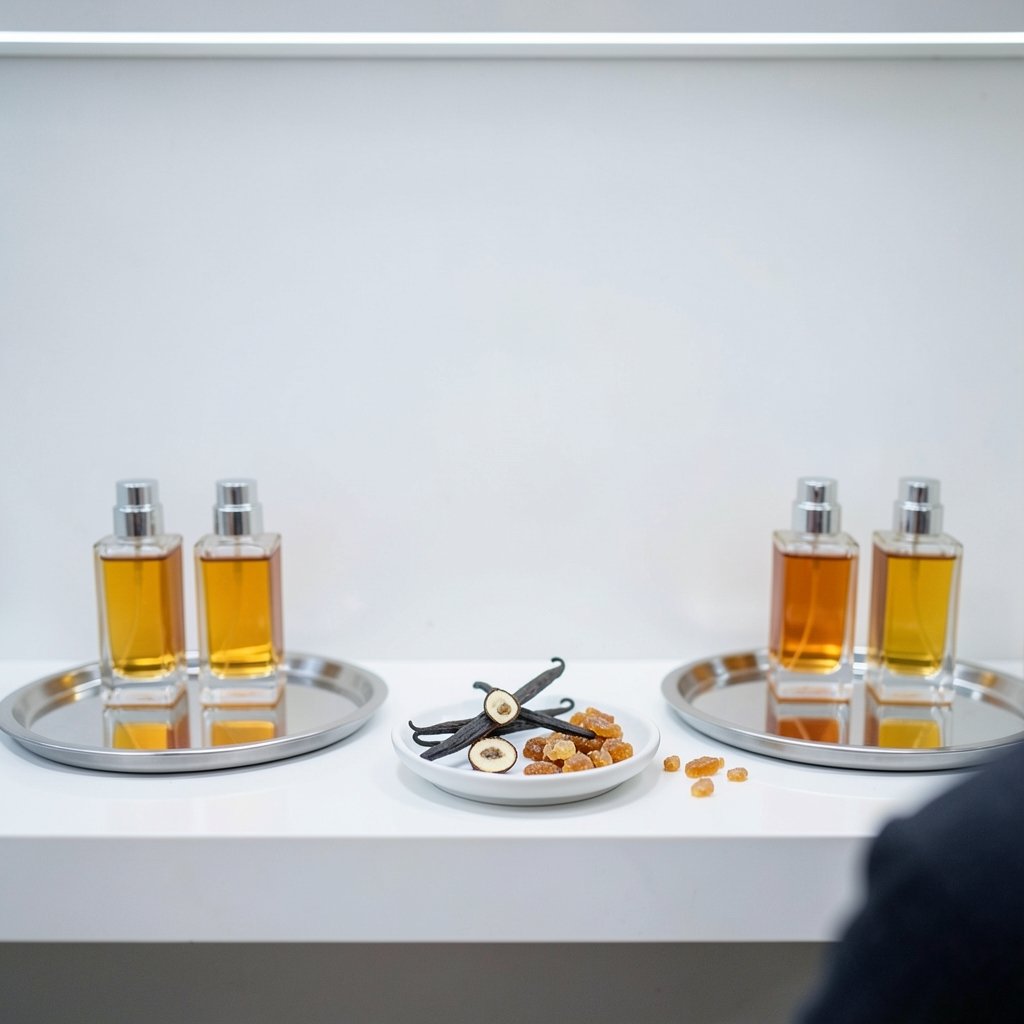
Walk into any fragrance counter and roughly one in three bottles you pick up will smell of vanilla, caramel, or praline. That is not an accident. Sweet, edible-smelling perfumes have quietly become the most commercially dominant family in women’s fragrance, and the category keeps expanding every season. The problem is that “gourmand” now covers everything from a light lemon-vanilla cologne to a syrupy, boozy dessert bomb, and the two smell nothing alike on skin. Picking well means understanding what separates a good gourmand from a cloying one, and that has more to do with structure and concentration than with marketing copy.
What Actually Makes a Perfume Gourmand
A gourmand fragrance is built around notes that smell edible: vanilla, tonka bean, caramel, chocolate, coffee, praline, honey, and various fruits and spices. The term entered mainstream perfumery vocabulary in the early 1990s and has since become a formal olfactive family in its own right, alongside florals, chypres, and woods.
The confusion starts because gourmand overlaps with almost everything. A vanilla-heavy oriental is arguably a gourmand. A fruity floral with a praline base often gets labeled one. Some houses reserve the term for dessert-forward compositions only. There is no industry registry that settles the boundary, so treat any “best gourmand” list — including this one — as an editorial judgment rather than a measurable ranking.
What you can measure is structure. A well-built gourmand usually has three things working together:
- A sweet core that gives the edible impression (vanilla, caramel, chocolate).
- A counterweight that keeps it from turning flat — usually woods, resins, patchouli, or a dry spice.
- A textural finish that determines whether it reads as creamy, powdery, syrupy, or crisp.
Remove the counterweight and you get the classic complaint: a perfume that smells like cake frosting and nothing else. (Perfume)
The Concentration Question Nobody Explains Properly
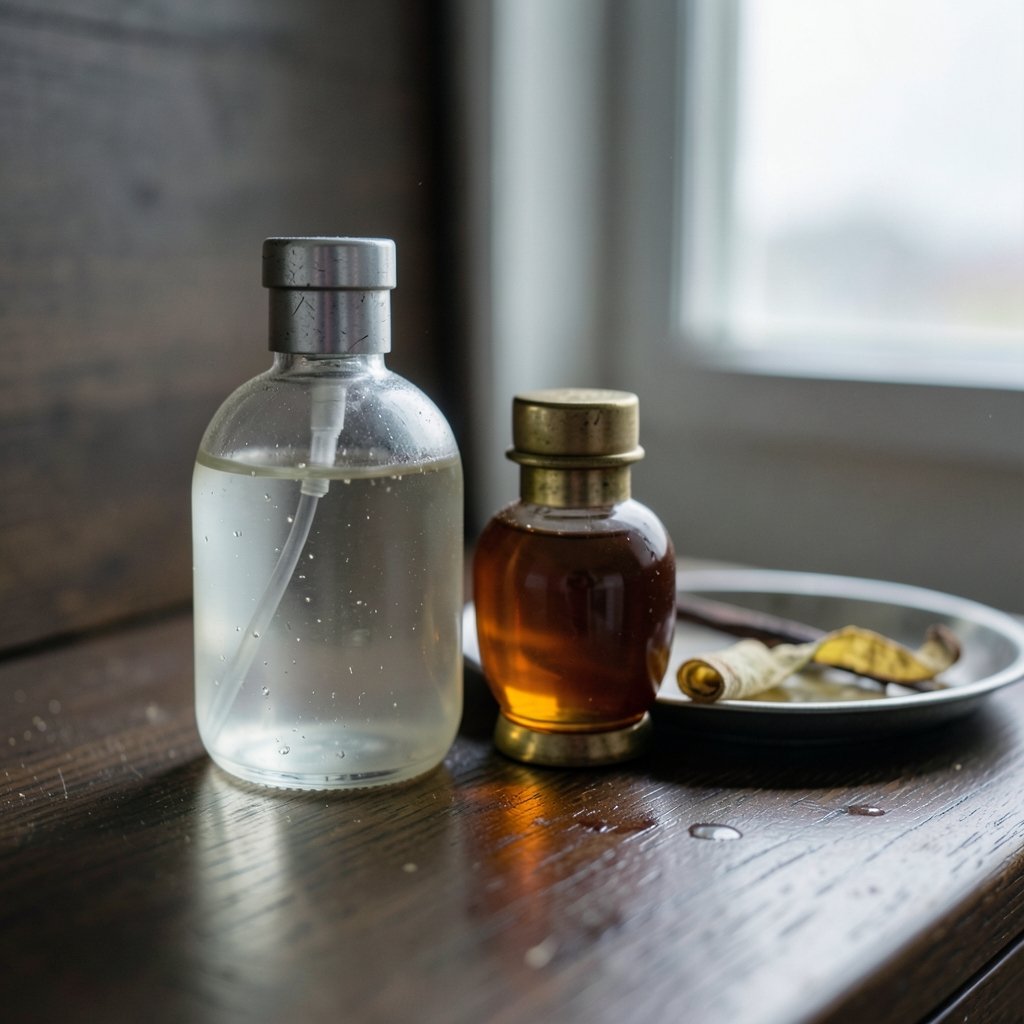
Before comparing individual scents, it helps to know what you are actually buying. The same gourmand formula behaves very differently depending on how it is diluted.
| Concentration | Typical strength | Best use | Watch out for |
|---|---|---|---|
| Eau de Cologne | Lightest, 2–5% oils | Quick refresh, warm weather | Fades within hours |
| Eau de Toilette | Light, 5–15% oils | Daytime, office | Sweet notes can turn sharp |
| Eau de Parfum | Moderate to strong, 15–20% oils | Evening, cool weather | Can overwhelm in heat |
| Extrait / Parfum | Strongest, 20–40% oils | Special occasions, long wear | Expensive, easy to over-apply |
Here is the practical mistake almost everyone makes: buying a heavy vanilla extrait in July and then deciding gourmands “don’t work” on them. Sugar-heavy compositions bloom in heat. A caramel eau de parfum that smells luxurious in November can feel suffocating at 30°C. If you want one gourmand for year-round wear, look for a lighter eau de toilette with citrus or bergamot on top rather than a dense extrait.
Reading a Note Pyramid Like Someone Who Knows What They’re Doing
Fragrance listings usually present notes in three tiers: top, heart, and base. Most shoppers scan the list, spot “vanilla,” and stop. That is where disappointment begins.
Top notes are what you smell in the first ten minutes and they rarely last. Heart notes define the character for the first few hours. Base notes are what remain on skin at hour six and beyond — and for gourmands, the base is the whole story. A perfume listing vanilla, tonka, and benzoin in the base will dry down sweet and resinous. One listing cedar and vetiver alongside the vanilla will dry down drier and more wearable in professional settings.
Two more things worth checking before you commit:
- The perfumer credit. Houses that name their perfumers usually publish more reliable note information. A single perfumer’s body of work is a better predictor of whether you’ll like a scent than any listicle.
- The reformulation date. Fragrances get reformulated for regulatory and cost reasons, sometimes dramatically. A review from several years ago may describe a version of the perfume that no longer exists on shelves. Always check whether recent reviews describe the current bottle.
What to Look For in a First Gourmand
If you are new to the category, the smartest approach is to sample across the texture spectrum rather than the note list. Gourmands generally fall into a few recognizable styles, and most people discover they have a strong preference for one.
- Creamy and powdery: vanilla, iris, almond, heliotrope. Soft, skin-close, office-friendly.
- Syrupy and fruity: berries, peach, plum over caramel or praline. Louder, more extroverted.
- Boozy and spicy: rum, cognac, cinnamon, cardamom. Warmer, better in cold weather.
- Gourmand-adjacent: coffee, cacao, or fig paired with woods. Drier, more unisex in feel.
Sampling three or four across these groups tells you more about your taste than reading fifty reviews. Order discovery sets or decants rather than full bottles; the cost of four small samples is usually less than one blind bottle purchase you regret.
Practical Tips That Actually Work in Practice
A few habits separate people who enjoy their gourmands from people whose bottles sit half-used.
Test on skin, never on paper. Paper strips flatten gourmands badly. The sweet base needs body heat and skin chemistry to develop, and the same perfume can smell radically different on two people.
Wear it for a full day before deciding. Spray once on your wrist in the morning and live with it. The dry-down at hour eight is the version you’ll actually wear most.
Apply less than you think. Gourmands project further than fresh fragrances because the sweet molecules are heavy and persistent. Two sprays is usually enough; four is a room-filler.
Store bottles away from light and heat. Vanilla-heavy compositions are particularly prone to degrading in a sunny bathroom windowsill. A closed drawer in a cool room preserves them far longer.
Layer deliberately, not randomly. A plain vanilla or musk body lotion under a gourmand perfume extends wear without changing the character. Layering two different gourmand perfumes usually produces mud.
Buy the smallest bottle first. If a house offers 30ml alongside 100ml, take the small one. Tastes shift, and a large bottle of a scent you tire of is an expensive ornament.
Common Mistakes and How to Avoid Them
The most frequent error is blind buying based on hype. Fragrance communities generate enormous enthusiasm for specific bottles, and that enthusiasm rarely translates across skin types. A perfume praised as “the perfect vanilla” may read as synthetic or sharp on you.
The second is confusing strength with quality. A perfume that fills a room is not automatically better than one that sits close to the skin. Many well-made gourmands are intentionally intimate.
The third is ignoring seasonality. Sweet fragrances behave differently in humidity and heat. If you buy in winter, test again in summer before committing to a large size.
The fourth, and most expensive, is buying the entire line. Houses release flankers — variations on a successful original — constantly. One well-chosen bottle from a line is almost always enough.
How to Judge Whether a Gourmand Is Well Made
Once you have sampled a few, you start noticing craft. A well-constructed gourmand tends to show these qualities:
- The sweetness evolves rather than sitting flat from first spray to last.
- There is a discernible dry or textured element preventing sugar overload.
- The opening does not smell like alcohol or harsh synthetics.
- Longevity matches the concentration you paid for.
- The scent smells intentional rather than like a collection of popular notes.
Cheaper gourmands often rely on a single powerful sweet molecule that dominates everything else. They can still be pleasant, but they tend to feel one-dimensional after an hour. If you notice a perfume never changes from minute one to hour six, that is usually a sign of a simple, top-loaded formula.
Building a Small, Useful Collection
You do not need twelve gourmands. Three covers nearly every situation:
| Slot | Character | When to wear |
|---|---|---|
| Everyday | Light vanilla or almond, citrus opening | Office, daytime, warm weather |
| Evening | Caramel, praline, or boozy warmth | Dinners, cold weather, events |
| Signature | A distinctive gourmand you never tire of | Whenever you want to be recognized |
Most people overbuy in the evening category because those scents are the most dramatic in store. In practice, the everyday slot gets the most use — so spend your budget there first.
Where Gourmands Fit in a Wider Fragrance Wardrobe
Sweet perfumes pair poorly with some settings and beautifully with others. They suit cold weather, evening wear, and casual settings. They can feel heavy in a formal workplace or in high heat. Many people keep one fresh or woody fragrance alongside their gourmand for exactly this reason, and rotate by season rather than by mood. (Best Perfumes for Women)
It also helps to think about what you want the perfume to do. Some gourmands are comfort scents — warm, close, private. Others are statements designed to be noticed across a room. Knowing which you want narrows the field faster than any note list.
Conclusion
The best gourmand perfume for any given woman is not the one with the most enthusiastic reviews. It is the one whose texture, concentration, and seasonality match how she actually lives. Sweet fragrances are unusually sensitive to skin chemistry, weather, and application, which means sampling on skin and living with a scent for a full day beats any amount of research. Start with a small bottle in the style that appeals most — creamy, syrupy, boozy, or dry — and build from there. The category rewards patience far more than it rewards impulse.
Frequently Asked Questions
What is a gourmand perfume?
A gourmand perfume is built around edible-smelling notes such as vanilla, caramel, chocolate, coffee, praline, honey, or tonka bean. The family became widely recognized in the 1990s and now sits alongside florals, woods, and chypres as a standard olfactive category. Definitions vary between houses and retailers, and there is no official registry that settles the boundaries.
Are gourmand perfumes only for winter?
No, but they behave differently by season. Heavy caramel, chocolate, and boozy compositions bloom in heat and can feel overwhelming in summer. Lighter gourmands with citrus or bergamot openings work well year-round. If you want a single bottle for all seasons, choose an eau de toilette rather than a dense extrait.
How many sprays of a gourmand perfume should I use?
Two sprays is usually enough. Sweet, heavy molecules project further and last longer than fresh ones, so the same number of sprays that works for a citrus cologne will be too much in a vanilla or praline scent. Apply to pulse points and let it dry rather than rubbing.
Why does a gourmand perfume smell different on me than on someone else?
Skin chemistry, body temperature, and pH all affect how a fragrance develops. Sweet base notes in particular react with skin and can read creamier, sharper, or more synthetic depending on the wearer. This is why testing on paper tells you almost nothing and testing on your own skin for a full day is essential.
How long should a gourmand perfume last?
An eau de toilette typically lasts three to five hours, an eau de parfum six to eight, and an extrait or parfum can last well beyond ten. Gourmands generally last longer than fresh fragrances at the same concentration because their base molecules are heavier. Poor longevity usually points to a light concentration rather than a flawed perfume.
Is it worth buying a large bottle of a gourmand perfume?
Usually not on the first purchase. Buy the smallest size available, wear it regularly for a few weeks, and only then invest in a larger bottle. Tastes shift with season and familiarity, and a 100ml bottle of a scent you tire of is a costly mistake that sampling would have prevented.