
Hair Color Ideas for Your Skin Tone: 2026 Guide
 Abdul WadoodLast updated

Ever walked out of a salon with a color that looked stunning on the stylist’s Instagram and somehow made you look tired in your own bathroom mirror? You’re not alone. The gap between a gorgeous hair color idea and one that works on your head comes down to a few unglamorous details: your undertone, your starting shade, how much upkeep you’ll tolerate, and how much damage your strands can take.
This guide skips the hype. It walks through the color families worth considering, the practical mechanics of dyeing and lightening, the mistakes that send people back to the salon in tears, and the questions to ask before you commit. Whether you want a subtle shift or a full transformation, the goal is the same: a shade you’ll still love in six weeks.
Why most hair color ideas fail in practice
The biggest myth in hair coloring is that you can pick a shade from a photo and get an identical result. You can’t, and here’s why.
Hair color is a chemistry problem layered on top of a biology problem. Your natural pigment, your hair’s porosity, any previous dye or bleach, and the developer strength all interact. A cool ash brown painted over warm golden lighter sections can turn muddy or greenish. A platinum goal on dark hair may require several lightening sessions spread over weeks. (Hair Dyes)
Permanent color lifts your natural pigment and deposits new color, so it can take you lighter or darker. Demi-permanent and semi-permanent colors deposit pigment with little or no lifting, which means they fade gradually and are gentler, but they can’t make dark hair blonde. Temporary colors and toners sit on the surface and wash out in a few shampoos.
| Type | Can it lighten? | Typical longevity | Best for |
|---|---|---|---|
| Temporary / color rinse | No | 1–3 washes | Testing a tone, adding shine |
| Semi-permanent | No | 4–8 washes | Boosting depth, low-commitment change |
| Demi-permanent | Minimal | 12–24 washes | Blending grays, refreshing ends |
| Permanent | Yes | Until it grows out | Full gray coverage, real lightening |
| Bleach + toner | Yes, significantly | Roots return in 4–6 weeks | Platinum, pastels, vivids |
The practical takeaway: decide first whether you need lift (going lighter) or just deposit (changing tone). That single question eliminates half the bad ideas before you buy anything.
How to match a shade to your skin tone without overthinking it
Stylists talk about warm, cool, and neutral undertones, and the advice that follows is useful even if it’s more convention than hard science. The core idea: colors that echo your undertone tend to flatter, while colors that fight it can wash you out.
A quick practical check that actually works in real life: hold a piece of gold jewelry next to your face, then a piece of silver. Whichever makes your skin look brighter and more even is a decent clue. Gold-leaning suggests warm undertones; silver-leaning suggests cool; both looking fine suggests neutral.
- Warm undertones often suit golden blonde, honey, caramel, copper, warm chestnut, and rich auburn.
- Cool undertones often suit ash blonde, cool brown, burgundy, blue-black, and cherry or violet-red tones.
- Neutral undertones have the widest range and can usually borrow from both columns.
- Olive undertones benefit from avoiding very yellow-gold blondes, which can emphasize sallowness; cooler or richer tones usually read better.
Two honest caveats. First, this is guidance, not a rulebook, and plenty of people happily break it. Second, lighting changes everything. A shade that looks perfect under salon lights can look brassy in daylight or dull under office fluorescents. Ask to see the swatch in natural light before committing. If you want to explore broader style and self-presentation ideas alongside your color decision, the Voozon lifestyle section covers everyday styling topics worth a browse.
The color families worth knowing
Browns and brunettes
Brown is the safest territory for a first change and the easiest to maintain. Chocolate and espresso read rich and low-maintenance. Chestnut and mahogany add warmth without going red. Mocha and mushroom brown sit in the cool, muted zone that’s been popular because it grows out gracefully, with less visible root line than high-contrast colors.
The classic mistake here is going too dark all at once. Jet-black or very dark brown on pale skin can look harsh and ages some people; a shade or two lighter than your instinct usually photographs better and softens as it fades.
Blondes
Blonde is the highest-maintenance category, full stop. Going blonde from dark hair means lifting pigment, and lifting pigment means some level of cuticle damage. Balayage and babylights are gentler in appearance because they leave natural depth at the roots, which also stretches the time between appointments. Honey blonde and butter blonde are forgiving on warm undertones; ash blonde and icy platinum demand toning every few weeks or they drift yellow.
A practical tip that saves real money: ask for a shadow root or root smudge. It blends your natural color into the lightened lengths so regrowth looks intentional rather than neglected.
Reds and coppers
Red is the shade people most often love and most often regret, because red pigment molecules are large and fade fast. Copper, auburn, rust, and cherry are all striking, but expect to refresh the tone every four to six weeks. Reds also bleed onto towels and pillows for the first several washes, so plan accordingly.
Fashion and vivid shades
Pastels, blues, greens, and vivid purples almost always require pre-lightening to a pale base, which is a two-step process and the most damaging route. They also fade the fastest. If you want to try a vivid without the commitment, semi-permanent direct dyes on unbleached or lightly lifted hair are the lower-risk entry point.
The technical side: developers, damage, and what “volume” really means
If you’re coloring at home, this is the section people skip and later wish they hadn’t. Developer, usually hydrogen peroxide, comes in standard strengths that determine how much lift you get.
| Developer volume | Approximate peroxide strength | What it does |
|---|---|---|
| 10 volume | ~3% | Deposit only, minimal lift |
| 20 volume | ~6% | Standard lift, one to two levels |
| 30 volume | ~9% | Stronger lift, more damage risk |
| 40 volume | ~12% | Maximum lift, highest risk |
Higher volume does not equal better results. It equals more cuticle damage and more chance of an unwanted orange stage. Many professional colorists prefer gentler developers with longer processing over aggressive lift, precisely because hair integrity matters more than speed.
Two rules that hold up in practice. First, never mix developers to “make” a stronger one; the math doesn’t work the way people assume. Second, respect the processing time on the box or the manufacturer’s technical sheet. Leaving dye on longer does not produce a deeper color; it produces damage and unpredictable tone.
Patch testing and safety: the step almost everyone skips
Here’s the uncomfortable truth: allergic reactions to oxidative hair dyes are real, and they’re not rare. The most notorious culprit is PPD (paraphenylenediamine), a common ingredient in permanent dark dyes. Sensitization can develop after years of trouble-free use, which is why a reaction can appear out of nowhere.
Regulators treat this seriously. In the European Union, PPD concentration in hair dyes is restricted under the Cosmetics Regulation, and the EU’s Scientific Committee on Consumer Safety periodically reviews hair dye ingredients. In the United States, the FDA regulates hair dyes as cosmetics and requires specific labeling on coal-tar hair dyes, including a warning about skin irritation and a instruction to perform a preliminary patch test. (Hair coloring)
The practical version: apply a small amount of mixed dye behind your ear or on your inner elbow, leave it 48 hours, and check for redness, itching, or swelling. Yes, it’s annoying. Yes, it’s worth it. If you’ve ever had a reaction to a dye, do not “try again to see” — see a dermatologist.
Common mistakes and what actually works
These come up again and again, and each one is avoidable.
Going more than two shades lighter in one session at home. Hair lifts through warm stages (red, orange, yellow) before reaching pale yellow. Rushing past them with strong bleach produces damage and uneven patches. What works: staged lightening with weeks in between, or a professional consultation.
Ignoring porosity. Porous, previously colored, or heat-damaged hair grabs dye unevenly and fades faster. A bond-building treatment before and after coloring genuinely helps.
Choosing a color from a filtered photo. Filters shift tone dramatically. Look for photos in natural light and, ideally, of someone with your starting shade.
Skipping the strand test. Take a small section from underneath, color it, and see how it develops. Five minutes of caution beats a month of regret.
Not planning for upkeep. Ask yourself honestly: will you book a salon visit every six weeks, or will you stretch it to four months? If it’s the latter, choose balayage, a root smudge, or a shade close to your natural color. Matching your color to your real life is the single most underrated decision in the whole process. The Voozon travel guides are a good reminder of why low-maintenance choices matter if you’re often on the move with limited access to your usual stylist.
Forgetting about water and sun. Hard water minerals and UV exposure both strip color. A color-protecting shampoo and a hat do more than most people expect.
How to brief your colorist so you get what you want
Bring three things: photos you love, photos you hate, and an honest description of your routine. Say how often you’re willing to come in, how much you’re willing to spend on maintenance, and whether you’ve had any dye reactions. Ask directly what your hair can handle in one session and what the realistic grow-out will look like.
Good colorists will tell you when an idea won’t work. That’s a feature, not a problem. For more everyday style and self-care context to round out your decision, the Voozon living and inspiration hub is a reasonable place to keep browsing.
Conclusion
The best hair color idea isn’t the trendiest one. It’s the one that matches your undertone, respects what your hair can handle, and fits the amount of upkeep you’ll genuinely do. Decide whether you need lift or deposit, patch test every time, keep your developer strength modest, and plan your grow-out before you sit in the chair. Do that, and the shade you choose in the salon will still look intentional months later — which is the only test that really counts.
Frequently Asked Questions
How often should you recolor your hair?
It depends on the type. Permanent color needs a root touch-up every four to six weeks. Demi-permanent fades over roughly 12 to 24 washes. Semi-permanent and temporary colors wash out in a handful of shampoos. Vivid and pastel shades fade fastest and often need a refresh within a month.
Can you go from dark brown to blonde in one session?
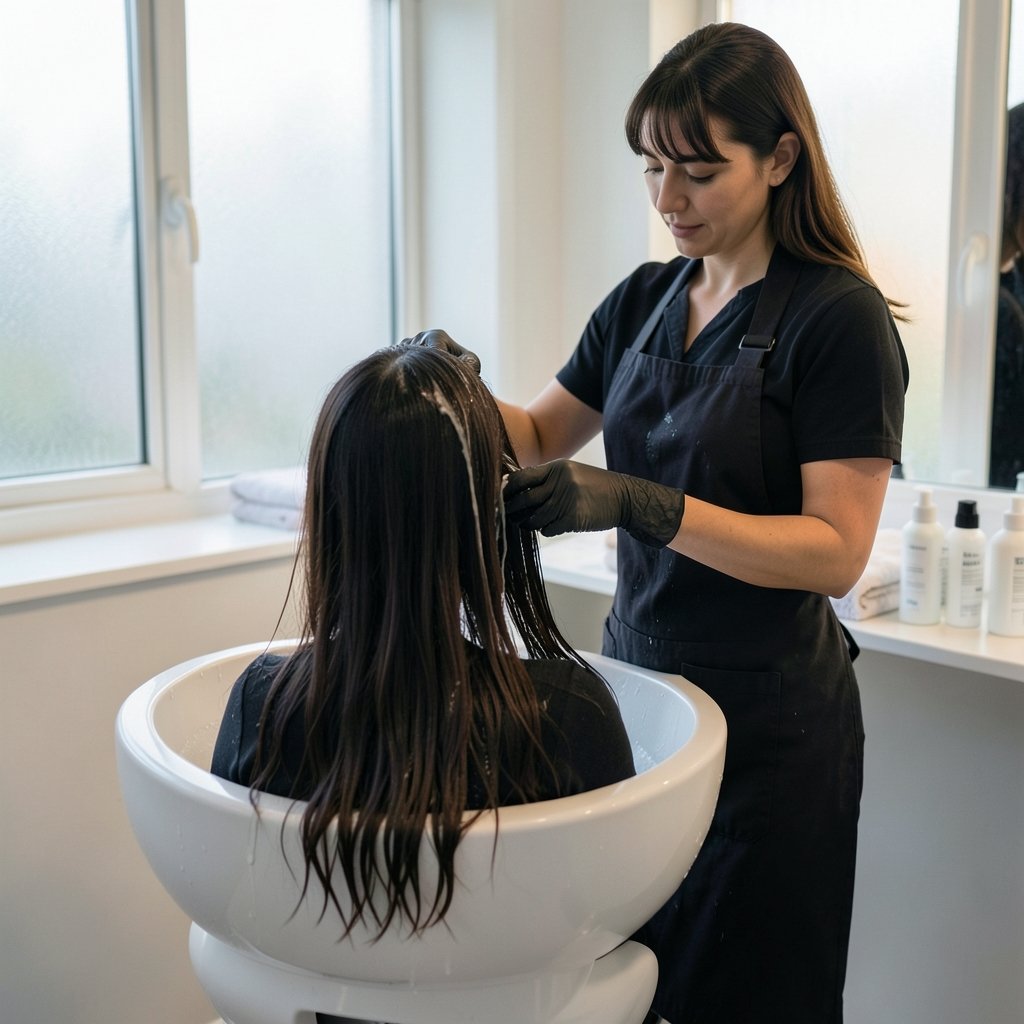
Usually not safely. Dark hair has to lift through warm stages before reaching pale yellow, and doing it all at once risks serious damage and uneven tone. Most colorists spread the process across two or more appointments, with conditioning treatments in between.
Is a patch test really necessary?
Yes, especially with permanent dyes containing PPD. Allergies can develop after years of use, so a previous reaction-free history doesn’t guarantee safety. Apply a small amount behind the ear or on the inner elbow and wait 48 hours before coloring.
What hair color makes thin hair look thicker?
Colors with dimension tend to help most. Painted lighter strands, balayage, and a slightly lighter shade around the face create depth that reads as fullness, while a single flat all-over dark color can make hair look thinner. Avoid very high-contrast roots if you want a softer, fuller look.
Do warm or cool tones suit everyone?
No single tone suits everyone, but most people can wear more than they think. Warm undertones often flatter golden and copper shades, cool undertones often flatter ash and burgundy, and neutral undertones can usually wear both. Test swatches in natural daylight before committing.
How can you make hair color last longer?
Wash less often, use color-protecting shampoo, rinse with cooler water, and limit heat styling. Hard water and sun exposure both accelerate fading, so a shower filter and a hat in strong sun make a measurable difference. Refresh toners between full appointments to keep brassiness in check.