
How to Use Scalp Serums Correctly in 2026 for Healthier Hair
 Abdul WadoodLast updated
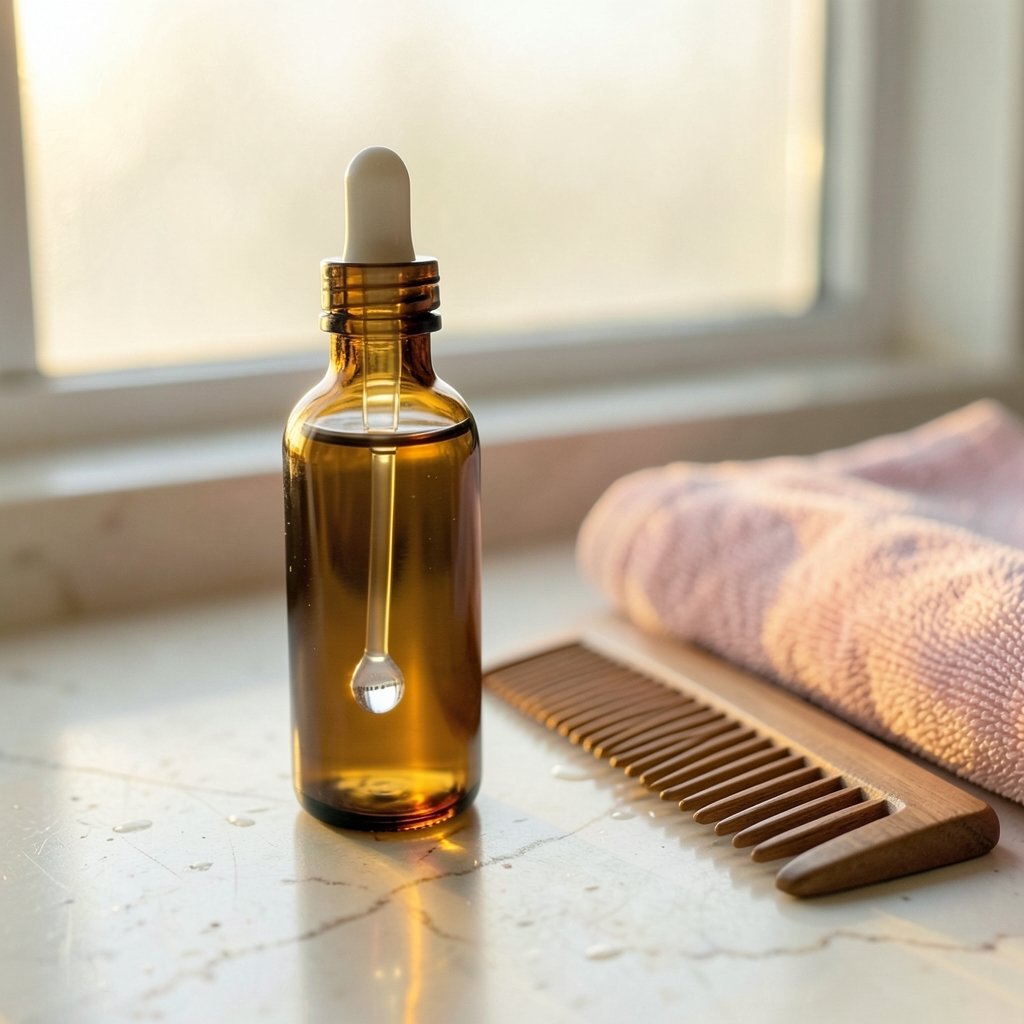
Scalp serums have moved from niche pharmacy shelves to mainstream beauty routines, and the global hair care market keeps expanding as consumers hunt for fuller, healthier-looking hair. Yet a serum is only as good as the way it is applied. Most disappointing results trace back to technique, not the formula: too much product, the wrong moment in the wash cycle, or a rushed thirty-second application that never reaches the skin. This guide walks through the practical mechanics of using scalp serums, from choosing the right formula to building a routine that a scalp can actually tolerate.
What a Scalp Serum Actually Is
A scalp serum is a leave-on liquid applied directly to the skin of the head, usually through a dropper or a narrow nozzle. Unlike a conditioner, it is not rinsed out. Unlike a shampoo, it is not designed to cleanse. Its job is to deliver actives — niacinamide, caffeine, peptides, salicylic acid, hyaluronic acid, or plant oils — to the scalp surface and the upper layers of skin.
That distinction matters. Hair strands are dead tissue; the scalp is living skin with follicles, sebaceous glands, and a barrier that can be irritated. A serum formulated for strands will often sit on top of the hair and do nothing for the scalp, while a scalp-specific serum is built to spread thinly across skin and absorb.
In most jurisdictions, scalp serums are regulated as cosmetics unless they make medical claims. That means they are not medicines, and they are not held to the clinical evidence standards of drug treatments for hair loss. Understanding that line prevents a lot of wasted money and false hope.
Step-by-Step: How to Apply a Scalp Serum

Application is where most routines quietly fail. Here is a sequence that works across most leave-on scalp products.
- Start with a suitable scalp condition. Most labels say to apply to a clean, dry or towel-dried scalp. Heavy product or oil on the scalp can keep the serum from reaching the skin.
- Part the hair in sections. Use a comb tail or your fingers to make partings about two centimeters apart, from the front hairline to the crown and back.
- Apply along the partings, not on top of the hair. The dropper or nozzle should touch or almost touch the scalp. Aim for the skin, not the strands.
- Use the labeled amount. Most serums call for a few drops per section. More product does not give faster results; it usually leaves greasy roots and can irritate.
- Massage gently for one to two minutes. Use fingertips, not nails. This spreads the product and improves coverage.
- Leave it alone. Do not rinse unless the label says to. Style as usual, but avoid heavy heat tools at the roots right after application.
- Wash your hands. This matters after products with acids, aromatic plant oils, or fragrance.
A common mistake is applying serum to a scalp that is still dripping wet from the shower. Water dilutes the formula and changes how it spreads. Another is applying to a scalp that has not been washed in days, so the serum mixes with sebum and sits in a film rather than absorbing.
How Often Should You Apply It?
Frequency is product-specific, and this is where people get into trouble. A gentle hydrating serum may be labeled for daily use. An exfoliating serum with salicylic acid is typically directed a few times per week. Overusing strong actives can produce flaking, dryness, and a stinging sensation that gets misread as “the product working.”
The practical rule: start at the lowest labeled frequency for two weeks, then increase only if the scalp feels calm. If the scalp starts to itch, tighten, or flake, cut back. Scalp skin is thinner and more sensitive than most people assume.
Choosing the Right Formula for Your Scalp Type
Not every scalp needs the same actives. Matching the formula to the actual condition of the skin is the single biggest lever on results.
| Scalp type | Signs | Ingredients to look for | Ingredients to avoid |
|---|---|---|---|
| Oily | Shine within a day, buildup at the roots | Salicylic acid, niacinamide, zinc | Heavy oils, butters, silicones high in the list |
| Dry or flaky | Tightness, visible flakes, itch | Hyaluronic acid, glycerin, ceramides, panthenol | Strong acids used daily, high-fragrance formulas |
| Sensitive | Redness, stinging, reacts easily | Short ingredient lists, fragrance-free, colloidal oat | Aromatic plant oils, menthol, high alcohol content |
| Thinning or shedding | Visible scalp, wider partings | Caffeine, peptides, niacinamide | Nothing specific, but manage expectations |
For anyone layering multiple products, the sequence matters. A scalp serum goes on before heavy oils or styling products, because it needs direct contact with skin. If you are also using a leave-in treatment for the hair itself, apply the scalp serum first and keep the hair product on the mid-lengths and ends. A good primer on scalp-focused routines is this guide to braiding hair styles and scalp health, which covers how tension and protective styles interact with scalp condition. (Hair and scalp care)
What the Evidence Says, and What It Doesn’t
Here is where honesty is needed. Evidence quality varies enormously by ingredient. Some cosmetic actives have modest independent support; many have almost none beyond manufacturer studies. The strongest clinical evidence in hair loss treatment belongs to drug ingredients such as minoxidil, which is a medicine, not a cosmetic serum. (Shampoo)
That does not make serums useless. It means the realistic goal is a healthier scalp environment: less irritation, better hydration, less flaking, and a scalp that supports whatever else you are doing. A serum is a supporting player, not a cure. Anyone experiencing significant shedding, soreness, or a rash should see a clinician rather than self-treating with a cosmetic product, because those symptoms can point to conditions that serums will not fix.
If your goal is growth support specifically, it helps to understand how these products are marketed and where the evidence sits. This breakdown of hair growth serums and what actually works is a useful reality check before spending on a premium bottle.
Common Mistakes That Undermine Results
Most failed serum routines share a handful of habits. Fixing them costs nothing.
- Applying to hair instead of scalp. The product coats strands and never reaches the skin. Parting properly fixes this.
- Skipping the patch test. Leave-on products with acids, aromatic plant oils, or fragrance can trigger contact reactions. Test on a small area behind the ear or at the nape for 24 to 48 hours first.
- Applying to broken or irritated skin. Labels usually warn against this, and the warning is there for a reason. Wait until the scalp has calmed.
- Mixing too many actives at once. A salicylic acid serum plus a strong exfoliating shampoo plus a menthol-heavy tonic is a recipe for irritation. Add one product at a time.
- Expecting visible change in a week. Scalp turnover and hair cycles run on a slower clock. Give a formula eight to twelve weeks before judging it.
- Ignoring the label. Every product has its own instructions, and they exist because the formula was tested that way. Follow them.
One underrated habit: keeping a simple log. Note the date you started, the frequency, and any changes in itch or flaking. It makes it far easier to tell whether a product is helping or quietly causing a problem, and it stops the endless cycle of switching bottles before anything has had a chance to work.
Building a Routine That Fits Real Life
A scalp serum routine only works if it survives a busy week. The most sustainable pattern is to anchor application to something that already happens, such as the evening after a wash day. Three applications a week, done consistently, beats a daily plan abandoned by Thursday.
For most people, a workable weekly structure looks like this: wash two to three times, apply serum on the evenings after washing, and leave one or two nights product-free so the scalp can breathe. If you use an exfoliating serum, place it on a different night from any strong cleansing treatment.
Lifestyle factors matter as much as the bottle. Scalp skin responds to sleep, stress, and diet, and no serum compensates for chronic tension from tight styles or constant heat at the roots. A balanced overview of scalp care generally, including how protective styles affect the skin, is worth reading alongside any product routine.
How Long Before You See Results?
Set expectations by category rather than by brand promise.
| Goal | Realistic timeline | What “working” looks like |
|---|---|---|
| Reduced flaking and itch | 1 to 3 weeks | Less visible flake, calmer skin |
| Better hydration and comfort | 2 to 4 weeks | Less tightness after washing |
| Reduced oiliness at roots | 4 to 8 weeks | Slightly longer time between washes |
| Fuller-looking hair | 8 to 16 weeks | Less shedding, better root lift, no miracles |
If nothing changes after twelve weeks of correct use, the formula is probably not the right match. That is useful information, not failure. Rotating to a different active class is more sensible than doubling the dose of one that is not working.
Conclusion
Scalp serums are a genuinely useful category, but they reward patience and precision far more than enthusiasm. The formula matters, yet technique matters just as much: part the hair, target the skin, use the labeled amount, patch test first, and start at a low frequency before building up. Match the actives to your actual scalp type rather than to marketing language, and give any product at least eight to twelve weeks before deciding. Keep expectations anchored to what cosmetics can realistically do, which is support a healthier scalp environment, and hand persistent symptoms to a clinician. Do those things, and a small bottle of serum becomes a sensible part of a routine instead of another half-used item in the bathroom cabinet.
Frequently Asked Questions
Can you leave a scalp serum in overnight?
Yes, most leave-on scalp serums are designed for overnight use, and many labels suggest applying before bed. The main practical concern is your pillowcase and hair texture rather than safety. Use the labeled amount so the roots do not end up greasy, and wash out in the morning if the product is not intended for extended wear.
Should you apply scalp serum to wet or dry hair?
It depends on the product, and the label is the authority. Many formulas work best on a clean, dry or towel-dried scalp, since excess water dilutes the formula and changes how it spreads. Applying to a dripping wet scalp is a common reason people report poor absorption.
How much scalp serum should you use?
Most serums call for a few drops per parted section, which typically works out to a small dropper’s worth for the whole scalp. Using more does not speed results and often causes buildup, greasy roots, and irritation. Follow the labeled dose and spread it by parting the hair rather than pouring more product on.
Can scalp serums cause hair loss?
A cosmetic serum is not a typical cause of hair loss, but irritation, allergic reactions, or overuse of strong exfoliating actives can cause shedding and scalp discomfort in some people. Patch test first, introduce one product at a time, and stop if you notice stinging, rash, or increased shedding. Persistent shedding warrants medical advice.
Do you need to wash your hair after applying a scalp serum?
Usually not, unless the label says otherwise. Scalp serums are leave-on products, so rinsing immediately defeats the purpose. The exception is a serum specifically formulated as a pre-wash treatment, which is designed to be washed out after a set time. Always check the instructions before assuming.
Can you use scalp serum with other hair treatments?
Yes, but sequence and spacing matter. Apply the scalp serum first so it contacts skin, then keep oils, masks, and styling products on the mid-lengths and ends. Avoid stacking multiple strong actives on the same night, and give the scalp a product-free night or two each week to reduce irritation risk.