
How to Store Suede Shoes: Keep Them Soft & Stain-Free
 Abdul WadoodLast updated

Suede is leather with a brushed, velvety nap, and that texture is exactly what makes it fragile. One rainstorm, one cramped closet shelf, or one summer in a sealed plastic bin can turn a buttery pair of boots into a stiff, patchy mess. The good news: suede storage is not complicated. It just requires a handful of habits done consistently, plus a few things you should never do.
This guide covers how to store suede shoes for short breaks and long seasons, what to do before they go away, which containers actually work, and the mistakes that quietly ruin more pairs than rain ever does.
Why Suede Demands Different Storage Than Smooth Leather
Smooth leather has a sealed, finished surface. Suede does not. Its nap is made of tiny exposed fibers that lift dirt, absorb moisture, and crush flat under pressure. That is why a scuff on a polished dress shoe can be buffed out in seconds, while the same scuff on a suede loafer may need a suede brush, an eraser, and patience. (Suede)
Moisture is the biggest threat. Suede takes in water quickly and releases it slowly. If shoes go into storage even slightly damp, they can develop stiffness, water rings, and in bad cases, mold. Pressure is the second threat: anything heavy resting on the nap leaves a flattened patch that may never fully recover. The third is dust, which settles into the fibers and dulls the color over time.
Understanding those three enemies — moisture, pressure, dust — makes every storage decision easier. If a method protects against all three, it is a good method.
Prep First: What to Do Before Suede Shoes Go Away
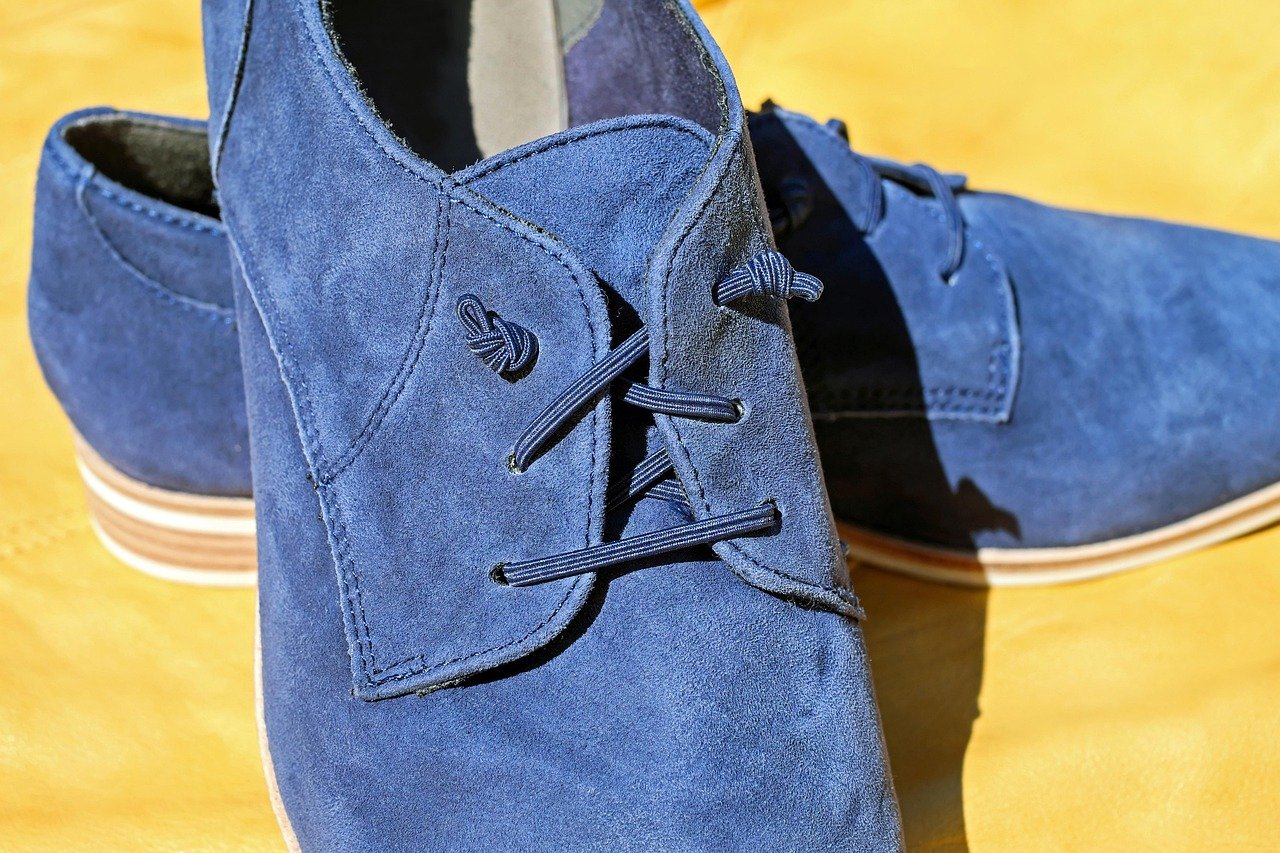
Most suede damage happens before shoes reach the shelf. Skipping prep is the single most common mistake people make, and it is entirely avoidable.
Step 1: Clean and Dry Completely
- Brush off loose dirt with a soft suede brush, always working in one direction to lift the nap.
- Treat stains and scuffs with a suede eraser or a small amount of dedicated suede cleaner.
- Let shoes air-dry fully — 24 hours minimum — away from radiators, heaters, and direct sun. Heat cracks the leather and sets wrinkles.
- Check the inside as well as the outside. Linings and insoles hold sweat, and that hidden moisture is what causes odors and mold during storage.
A simple test: if the shoe feels even slightly cool or damp to the touch inside the toe box, it is not ready. Give it another day.
Step 2: Refresh the Shape
Stuff the toes and vamp with acid-free tissue paper or insert cedar shoe trees. This holds the shape while the material settles and prevents creases from becoming permanent. Avoid newspaper — the ink can transfer, especially in humid conditions.
Step 3: Protect the Nap
Apply a suede protector spray in a well-ventilated area, following the product label, and let it cure fully before storing. A protector does not make suede waterproof, but it buys time against spills and light rain. Reapply periodically according to the manufacturer’s guidance.
Step 4: Deal With Odor Before It Settles
If shoes smell, sprinkle a little baking soda inside, leave overnight, and shake out. Storing funky shoes just concentrates the problem, and odor compounds can cling to nearby items.
Choosing the Right Container for Suede Shoes
The container question causes more confusion than any other part of suede care, largely because advice online conflicts. Some sources recommend breathable cotton dust bags; others suggest sealed boxes with desiccant. Both can work — the right choice depends on your climate and how long the shoes will sit.
| Container | Best For | Watch Out For |
|---|---|---|
| Cotton dust bags | Everyday storage, short breaks, humid climates | No structure; pair with shoe trees |
| Breathable shoe boxes with vents | Closet shelving, medium-term storage | Dust can enter through vents |
| Clear plastic drop-front boxes | Easy visibility, dry climates | Must be vented; never seal damp shoes |
| Original manufacturer boxes | Shipping and short-term storage | Often not breathable; add ventilation |
| Sealed bins with desiccant | Long-term storage in very humid areas | Traps moisture if shoes go in damp |
| Plastic bags | Nothing | Traps moisture, causes mold and stiffness |
The rule of thumb: breathable beats sealed unless you have a specific humidity problem and are willing to manage desiccant properly. A sealed container holding even a trace of moisture creates a tiny greenhouse, and suede loses that fight every time.
For readers building out a storage setup from scratch, a broader walkthrough of what to look for in a shop — materials, fit, and care products — is covered in this guide to finding a hair store near me style of retail research, which applies the same “inspect before you buy” logic to any accessory purchase.
Short-Term Storage: What to Do Between Wears
Most people wear suede shoes a few times a week, and daily habits matter more than seasonal rituals.
- Rotate pairs. Never wear the same suede shoes two days in a row. Give each pair 24 hours to dry out fully.
- Loosen laces and use a shoehorn. Forcing a foot in creases the heel counter and stretches the topline.
- Let them breathe after wearing. Leave shoes out for an hour before they go back in the closet.
- Keep them off the floor. A low shelf or rack protects against spills, pets, and damp concrete.
- Store pairs with shoe trees inserted. Cedar trees absorb light moisture and hold shape; just check that the wood is untreated on surfaces that touch the suede, since oils can transfer.
If space is tight, a simple canvas shoe rack with spacing between shelves works better than stacking shoes on top of each other. Pressure from a stacked pair flattens the nap on the shoe below, and that damage shows up fast on the vamp.
Long-Term Storage: Putting Suede Away for the Season
Seasonal storage is where suede shoes are most often lost. A few adjustments make the difference between pulling out fresh boots in October and discovering a stiff, spotted pair.
Control the Environment
Store suede in a cool, dry, dark place with stable temperature. Avoid attics, garages, and basements, which swing between humid and dry. Direct sunlight fades dye and dries out the leather, so keep shelves out of window paths.
Use Breathable Bags, Not Plastic
Cotton or flannel dust bags let air circulate while keeping dust off. If you use a box, choose one with ventilation or leave the lid slightly ajar. Never store suede in a sealed plastic bag — this is the most repeated warning in leather care for good reason.
Manage Humidity Deliberately
In genuinely damp climates, a small silica gel desiccant in a vented box can help, but refresh or replace it on schedule. Desiccant that has absorbed all it can hold stops working silently. If you notice a musty smell when you open a box, humidity is winning — air everything out and reassess.
Keep Pairs Separated
Wrapping each shoe individually in acid-free tissue prevents dye transfer between light and dark suede and stops buckles or zippers from pressing into the nap. It also keeps one problem pair from affecting the rest.
Label and Record
A small note inside the box with the date of storage and any treatments applied saves guesswork months later. It sounds fussy; it is genuinely useful when you own several similar pairs.
Common Mistakes That Ruin Suede in Storage
Practical experience points to a short list of repeat offenders. Avoiding these five habits prevents the majority of suede storage failures. (Consumer Reports)
- Storing shoes while damp. The number one cause of mold, stiffness, and odor.
- Sealing in plastic. Traps moisture and suffocates the leather.
- Piling shoes on top of each other. Flattens the nap and distorts shape.
- Using heat to speed drying. Radiators and hair dryers crack the finish.
- Skipping the protector spray. Leaves the nap vulnerable to the first spill of the season.
A sixth, subtler mistake: storing suede next to items that off-gas or shed, like freshly dry-cleaned clothes in plastic or heavily perfumed sachets. Suede absorbs odors readily, and those smells are hard to remove.
What to Do If Stored Suede Comes Out Damaged
Even careful storage sometimes goes wrong. Here is how to triage common problems.
| Problem | Likely Cause | Fix |
|---|---|---|
| Stiff, hard patches | Damp storage or heat drying | Brush gently, condition with a suede-specific product, reshape with trees |
| White or gray fuzz | Mold beginning to form | Isolate, brush outdoors, treat with a suede cleaner, air fully |
| Flattened nap | Pressure from stacking | Brush vigorously in one direction; steam lightly at a distance |
| Water rings | Moisture without full drying | Brush the ring edges inward; use a suede eraser on light marks |
| Faded color | Sunlight exposure | Professional re-dyeing is usually the only real fix |
For stubborn cases, a professional cobbler or leather specialist is worth the cost, especially on structured boots or premium brands. Home remedies like vinegar or rubbing alcohol often make suede worse by stripping oils and setting stains.
If you are shopping for replacement pairs or storage accessories and want to avoid common retail traps, this breakdown of hair store shopping mistakes offers a useful parallel: check materials, ask about care requirements, and never assume the packaging tells the whole story. The same discipline applies when buying shoe care kits, where cheap brushes and harsh sprays can do more harm than good.
Suede Storage by Shoe Type
Different silhouettes need slightly different handling.
Boots benefit from boot shapers or rolled acid-free paper in the shaft to prevent slouching. Store upright, never folded over.
Loafers and dress shoes hold shape best with cedar trees and should sit flat, not leaned against a wall.
Sneakers with suede panels need extra attention to the toe box; stuff firmly and avoid stacking.
Heels and pumps should be stored heel-down or in a structured box so the heel does not press into the upper of another shoe.
Sandals and slides are the easiest — a dust bag and a flat shelf is enough, provided they are fully dry.
FAQ
How long can suede shoes stay in storage?
Indefinitely, if they go in clean, dry, and protected. The practical limit is usually the environment, not the calendar. Check stored pairs every few months for moisture, mold, or pest activity, and air them out briefly before returning them.
Can I store suede shoes in plastic containers?
Only vented ones, and only if the shoes are completely dry. Sealed plastic traps moisture and is the leading cause of mold on stored suede. Breathable cotton bags or vented boxes are safer choices in almost every situation.
Do I need shoe trees for suede shoes?
They help considerably. Cedar or untreated wooden trees hold shape, reduce creasing, and absorb light moisture. Just confirm the wood is smooth and untreated where it contacts the suede, since oils can transfer and darken the nap.
How do I stop suede shoes from getting moldy in storage?
Dry them fully before storage, use breathable containers, keep the space cool and dry, and add desiccant only in genuinely humid conditions. If mold appears, isolate the pair, brush it off outdoors, clean with a suede product, and let it air completely before storing again.
Should I use a protector spray before storing?
Yes. A suede protector spray applied before storage adds a layer of resistance against spills and light moisture. Follow the label directions, apply in a ventilated area, and let it cure fully before the shoes go into their bags or boxes.
Can I vacuum-seal suede shoes to save space?
No. Vacuum sealing crushes the nap, traps residual moisture, and can permanently distort structured shoes. Space bags are fine for bedding and out-of-season clothing, but suede needs air and room to hold its shape.
Conclusion
Storing suede shoes well comes down to three habits: dry them completely, hold their shape, and let them breathe. Everything else — the bags, the boxes, the desiccant, the brushes — is detail layered on top of those fundamentals. The people who keep suede looking new for years are rarely doing anything exotic. They are just consistent about prep, disciplined about containers, and honest about whether a shoe is truly dry before it goes away.
Before the next seasonal switch, take an hour to clean, brush, spray, and properly pack each pair. It is a small investment of time that protects a material famous for punishing shortcuts. Whether you are researching where to buy care supplies or comparing shops, treat the process the way you would any considered purchase: read carefully, ask questions, and lean on guides like this hair stores near me checklist to separate genuine specialists from shops that just want the sale. Suede rewards that kind of care — in the store and in the closet.