
Hair Store Guide: Buy Smart & Avoid Costly Mistakes
 Abdul WadoodLast updated
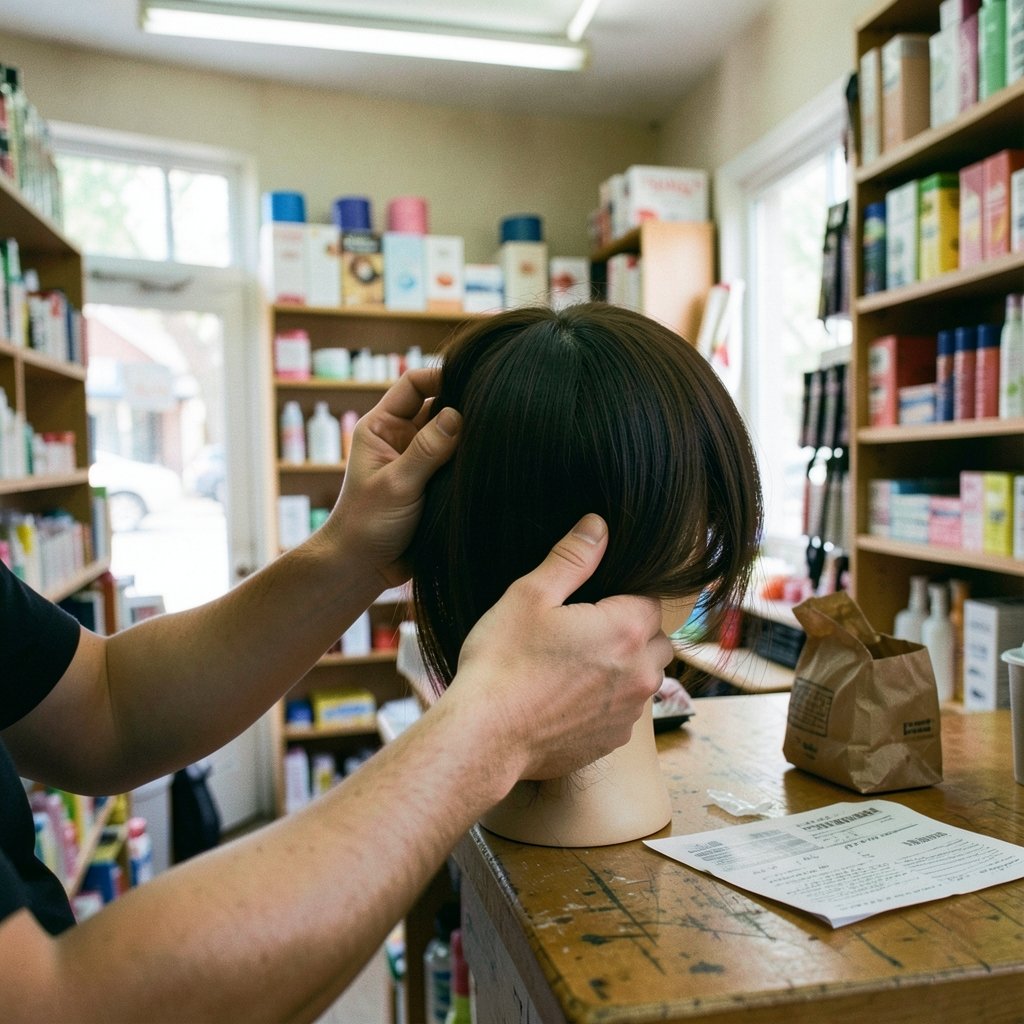
What do you picture when someone says “hair store”? A neighborhood beauty supply shop stacked to the ceiling with wigs and braiding hair? A salon that also sells products? Or a wig boutique in a strip mall? The term covers all of these, and the differences matter a lot when you are the one spending money. Walk into the wrong kind of shop with the wrong expectations, and you will either overpay or leave empty-handed.
This guide sorts out what a hair store actually is, how the main types differ, what things cost, and how to avoid the mistakes that make people regret a purchase. It also covers practical details most buyers only learn the hard way: how to match a wig to your skin tone, why cheap bundles shed, and what to check before you pay.
What Counts as a Hair Store?
In everyday use, a hair store is any retail business whose main business is selling hair-related goods: wigs, hair extensions, braiding hair, hairpieces, and the care products that go with them. Some shops also sell styling tools, cosmetics, and accessories. A few operate a salon chair or two in the back.
The category splits into a handful of recognizable types. Knowing which one you are walking into tells you almost everything about pricing, service, and return policies.
| Store type | Main products | Typical service level | Price range |
|---|---|---|---|
| Beauty supply store | Braiding hair, wigs, extensions, care products | Self-service, staff help on request | Low to mid |
| Wig boutique | Wigs, lace fronts, hairpieces | Fitting, styling, consultation | Mid to high |
| Extension supplier | Bundles, closures, clip-ins | Product advice, color matching | Mid to high |
| Salon retail counter | Professional care products | Expert advice from stylists | Mid to high |
| Online hair store | Everything above | Chat support, video demos | Low to high |
The beauty supply store is the most common version in most cities. These shops tend to be densely stocked, with products organized by brand or hair type rather than by use case. The wig boutique is the opposite: fewer items, more hands-on help, and higher prices that reflect the styling labor built into the sale.
How the Beauty Supply Model Works
Beauty supply retail has a distinctive structure that affects what you find on the shelf. Many independent shops serve specific communities and stock products tailored to them, which is why two stores a mile apart can carry completely different inventories.
The Black hair care market is a major driver of this segment. Beauty supply stores in the United States have long been a cultural and commercial fixture in Black communities, functioning as the main source for braiding hair, relaxers, wigs, and specialized care products. That history shapes how these shops operate today: relationships with regular customers matter, staff often know their inventory deeply, and product selection reflects local demand rather than a national planogram.
For shoppers, the practical takeaway is simple. If a store does not stock what you need, ask. Many owners will order an item or point you to a competitor who carries it. That kind of flexibility is rare in chain retail and worth using.
What Things Actually Cost
Prices swing wildly depending on fiber, length, and where you buy. Here is a realistic range for common items, based on typical retail pricing in the United States. (Hairdresser)
| Item | Budget option | Mid-range | Premium |
|---|---|---|---|
| Braiding hair (per pack) | $3 to $6 | $7 to $12 | $13 to $20 |
| Synthetic wig | $25 to $60 | $70 to $150 | $160 to $300 |
| Human hair wig | $150 to $400 | $400 to $900 | $900 to $3,000+ |
| Bundles (per bundle) | $30 to $60 | $60 to $120 | $120 to $250 |
| Clip-in extensions (set) | $40 to $80 | $80 to $180 | $180 to $400 |
A few rules of thumb hold up across most stores. Human hair costs several times more than synthetic and lasts longer with proper care. Lace-front and full-lace constructions cost more than basic caps because of the hand-tying labor. And length drives price fast: bundles and wigs jump in cost with every few inches, so a 24-inch bundle can cost nearly double a 16-inch one from the same brand.
Budget stores are not automatically a bad deal. A $40 synthetic wig can look excellent for a few months if you style it well. The trap is expecting premium longevity from a budget price point.
Matching a Wig or Extensions to You
The single biggest cause of disappointing purchases is a mismatch between the hair and the buyer. It is not usually about quality. It is about color, texture, and construction.
Get the Color Right
Hold the hair against your skin in natural light before buying. Indoor lighting in many shops is warm and yellow, which makes cool-toned hair look warmer than it is. Step toward a window or the door. If the store has no natural light, ask whether you can take a photo with your phone and check it outside.
Match the undertone and the shade. Hair with ash or cool undertones flatters cool skin; golden and warm undertones flatter warm skin. A wig that looks perfect on the shelf can look gray or brassy on your head if the undertone is wrong.
Match Texture to Your Own Hair
If you are blending extensions with your natural hair, texture match matters more than color match. Bring a small section of your own hair, or a photo in direct sunlight, and compare. Many suppliers label texture as straight, body wave, deep wave, curly, or kinky curly, but the labels are not standardized across brands. Two “deep wave” bundles from different companies can look completely different.
Check the Construction
For wigs, look at four things before you pay:
- Cap size. Measure your head circumference. Most wigs come in average size, which fits roughly 21.5 to 22.5 inches, but adjustable straps only stretch so far.
- Lace type. Swiss lace is delicate and undetectable; HD lace is thinner still but tears easily. Standard transparent lace is more durable and cheaper.
- Hairline. A pre-plucked hairline saves hours of work. An unplucked one gives you more control but requires effort.
- Density. 130% density reads natural; 180% and above looks fuller and heavier. Higher density also means more shedding over time.
Shopping Online Versus in Person
Online hair stores have taken a large share of the market, and the appeal is obvious: more selection, often lower prices, and delivery to your door. The trade-off is that you cannot touch the hair before buying.
Here is how the two compare on the things that matter most.
| Factor | In-person store | Online store |
|---|---|---|
| Seeing true color | Yes, in natural light | Photos only; lighting varies |
| Feeling texture | Yes | No |
| Trying before buying | Often | Rarely |
| Price | Higher overhead | Usually lower |
| Returns | Often strict or none | Varies widely |
| Selection | Limited to stock | Very broad |
A practical middle path: use a local store to see and feel the product, then buy from whichever channel offers the better price on that exact item. If you buy online, order one bundle first to test quality before committing to a full set. Reviews with customer photos are far more reliable than the brand’s own product shots, which are often styled and lit to hide flaws.
Common Mistakes That Cost Real Money
Most bad hair purchases trace back to a handful of avoidable errors. Watch for these.
Buying without checking the return policy. Many hair stores treat hair as a final sale for hygiene reasons. Ask before you pay, and get the answer in writing if you are spending a lot. A store that will not state its policy clearly is a risk.
Skipping the shedding test. Run your fingers through the hair and comb it gently in the store. A few strands are normal. Clumps are not. If the shop will not let you touch the hair, that tells you something.
Ignoring care requirements. Human hair needs sulfate-free washing, conditioning, and heat protection. Synthetic hair cannot take high heat and will melt under a curling iron set too high. Budget for the care products; they are part of the real cost.
Overpaying for a name. Brand markup on bundles and wigs is steep, and quality does not always track price. Compare fiber origin, density, and construction rather than the label.
Forgetting the hidden costs. Wig installs, custom coloring, and styling add to the sticker price. A $200 wig can easily become a $400 purchase once installation is included.
Building a Relationship With a Store
Regulars get better outcomes at hair stores for reasons beyond staff remembering their names. A good relationship means staff will set aside a hard-to-find color, warn you when a brand’s quality drops, and tell you honestly when a cheaper option will do the job. (Barbers, Hairstylists, and Cosmetologists)
A few habits build that relationship quickly. Ask questions and listen to the answers. Be specific about what you need rather than asking for “a good wig.” Pay attention when staff steer you away from a product; that advice is usually earned from customer feedback. And if you find a store that stocks your exact shade and texture consistently, buy there even if it costs slightly more. Consistency is worth a premium when you are matching hair.
For broader context on how retail businesses build customer loyalty and how shopping behavior shifts between channels, established business research is a useful starting point. The history of retail and documented consumer behavior patterns both show the same thing: repeat customers get better service and better information, in hair retail as anywhere else.
Conclusion
A hair store is not one thing. It is a beauty supply shop, a wig boutique, an extension supplier, or an online seller, and each one serves a different need at a different price. The shoppers who do well are the ones who know which type they are walking into, check color and texture in natural light, ask about returns before paying, and treat care products as part of the budget rather than an afterthought.
Start with a clear picture of what you need: the texture, the length, the color, and how long you want it to last. Then match the store to that list instead of letting the shelf decide for you. Do that, and the hair you bring home will look like it was chosen on purpose.
Frequently Asked Questions
What is the difference between a hair store and a beauty supply store?
A hair store specializes in hair: wigs, extensions, braiding hair, and hairpieces. A beauty supply store is broader and usually carries hair alongside cosmetics, skincare, and styling tools. Many beauty supply stores function as hair stores for practical purposes, especially in communities where they are the main source for braiding hair and wigs.
How much should I expect to pay for a good wig?

Synthetic wigs run roughly $25 to $150, with the best value usually in the $70 to $120 range. Human hair wigs start around $150 and climb past $1,000 for long, high-density lace pieces. Installation and styling are separate costs and can add $50 to $200 depending on the service.
Can I return hair or wigs if they do not work out?
Often not. Many hair stores mark hair products as final sale for hygiene reasons, and return windows on wigs are frequently short or nonexistent. Always confirm the policy before paying, and ask specifically whether opened packages can be returned. Online stores vary widely, so read the fine print rather than assuming.
How do I match a wig to my skin tone?
Compare the hair to your skin in natural daylight, not under store lighting. Look at undertone as well as shade: cool and ash tones suit cool skin, while golden and warm tones suit warm skin. A wig that looks slightly too warm indoors may match perfectly once you step outside.
How long do hair extensions last?
It depends on the fiber and care. Synthetic braiding hair typically lasts six to eight weeks in a style. Synthetic wigs hold up for two to six months with regular wear. Human hair bundles and wigs can last a year or more with sulfate-free washing, conditioning, and heat protection, though daily wear shortens that considerably.
Is it cheaper to buy hair online or in a store?
Online is usually cheaper on the same item because the seller carries less overhead, but the savings come with risk: you cannot check color, texture, or shedding before buying. A sensible approach is to inspect the product locally, then buy from whichever channel offers the better price on that exact item, ordering a single bundle first to test quality.