
Crochet Bags Trend 2026: Why Handmade Texture Is Taking Over
 Abdul WadoodLast updated
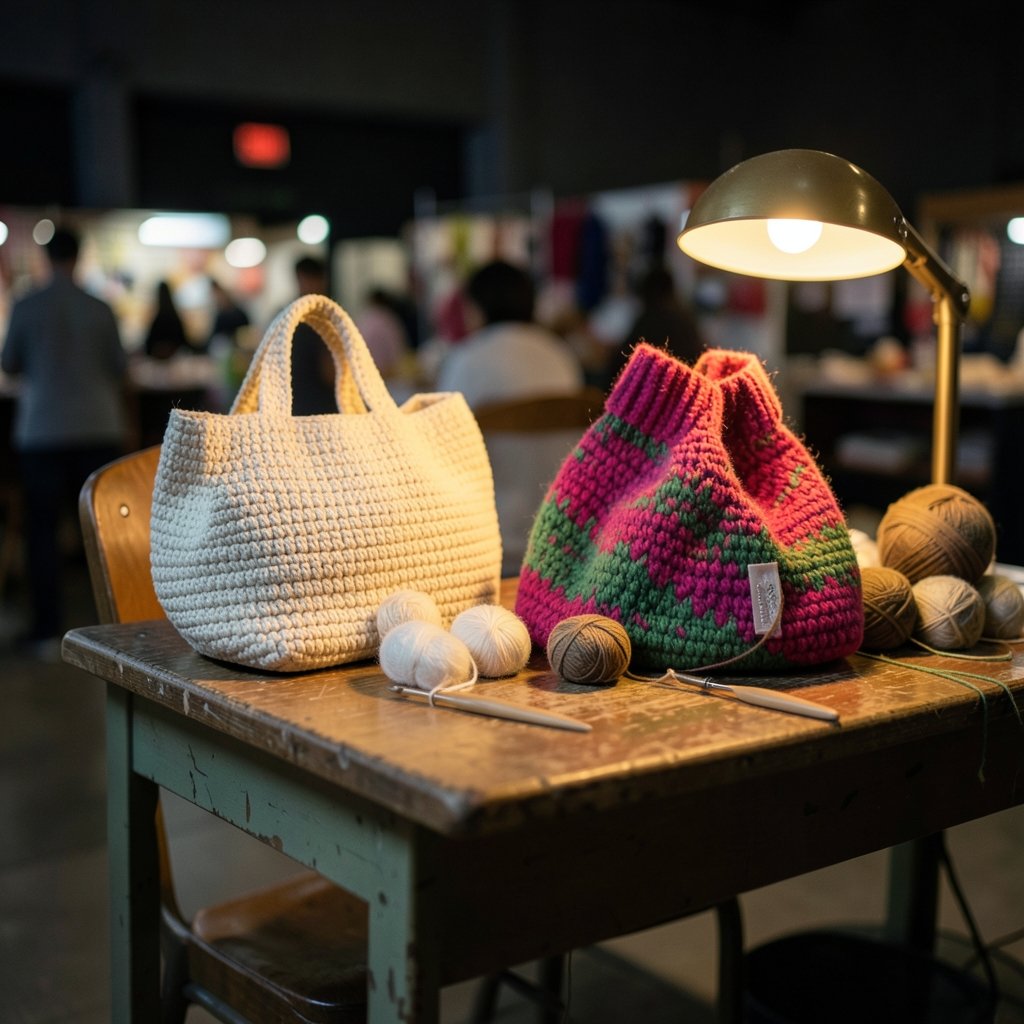
Walk through any summer market, scroll through any style feed, or sit in a coffee shop long enough, and you will notice the same thing: woven, knotted, holey-textured bags slung over shoulders. Crochet bags have moved from beach totes and grandma’s yarn basket to the center of mainstream fashion. The appeal is easy to understand. In a market flooded with smooth leather and structured nylon, crochet offers something the eye can actually feel — texture, warmth, and the unmistakable look of something made by hand.
The Comeback Nobody Scheduled
Crochet is one of the oldest textile crafts in human history, with looping techniques traced back centuries across cultures from South America to the Middle East to Europe. For most of the twentieth century it lived in the domestic sphere: home decor, baby blankets, doilies. Then, quietly, it started appearing on runways and in street style photos again, riding the broader wave of 1970s revival, “craftcore” aesthetics, and a general fatigue with slick, mass-produced minimalism.
What makes this particular trend interesting is who is driving it. It is not only luxury houses pushing crochet totes at four-figure prices. It is also Etsy sellers, TikTok crocheters filming themselves making a bag in a weekend, and fast-fashion chains copying the look within weeks. The trend has multiple engines running at once, which is exactly why it has staying power beyond a single season.
Why Crochet Bags Feel Right Now
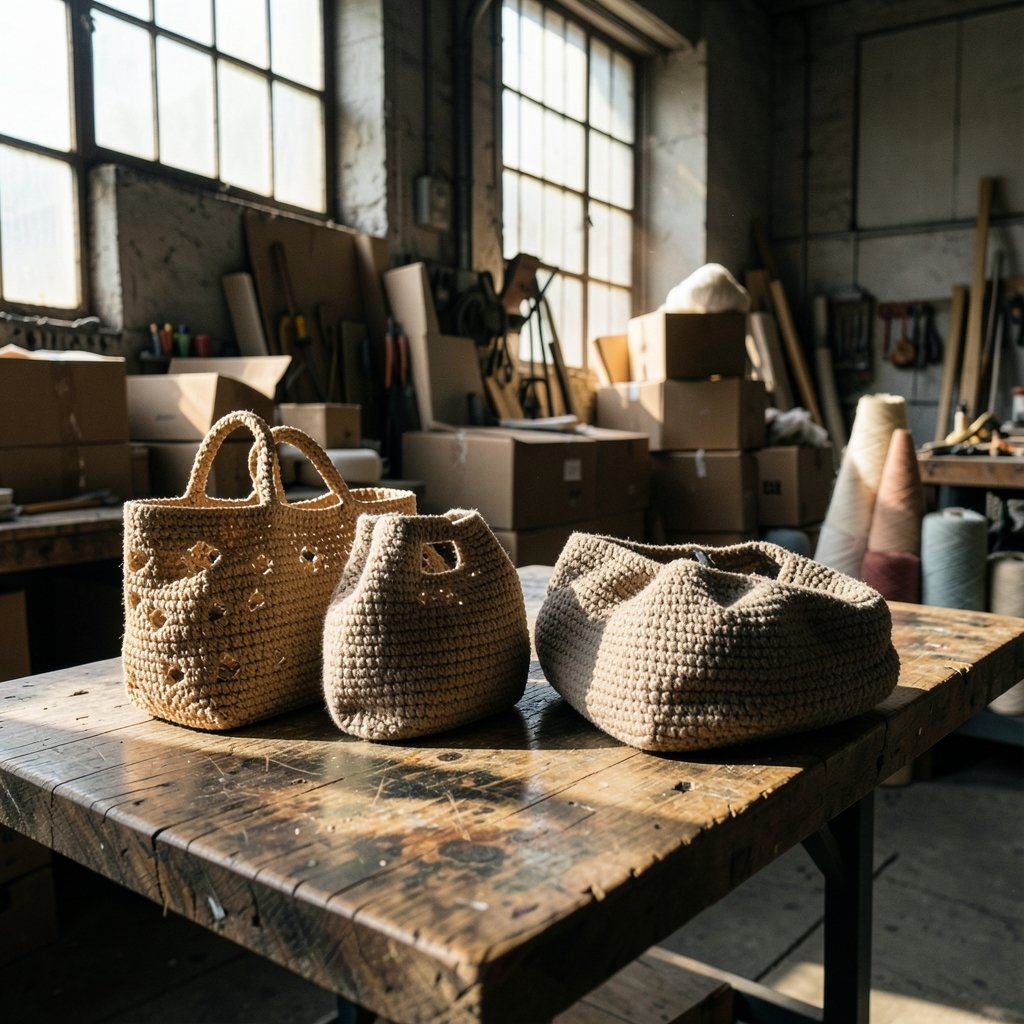
Three forces are pushing crochet bags forward at the same time.
First, texture is the new logo. After years of quiet luxury and logo-free minimalism, shoppers are craving surfaces they can see and touch. Crochet delivers instant visual interest without a single brand mark.
Second, the handmade economy is real. Craft platforms and resale sites have given individual makers a direct route to buyers. A crochet bag signals “one of a kind” even when it cost forty dollars.
Third, seasonal versatility. Cotton and raffia crochet reads as summer. Wool and chunky yarn crochet reads as autumn. The same technique spans the calendar, which gives the trend unusually long legs.
If you want to see how this plays out in adjacent categories, the way color trends move through hair and beauty follows a similar pattern — a texture or color idea spreads from social feeds to salons to retail shelves. The same drift happens with accessories.
The Styles Actually Selling
Not all crochet bags are equal, and understanding the sub-trends helps you shop smart or style well.
| Style | Typical Material | Best For | Price Range |
|---|---|---|---|
| Market tote | Cotton, raffia | Errands, beach, everyday | Low to mid |
| Granny square shoulder bag | Acrylic or cotton blends | Statement outfits, festivals | Low to mid |
| Mesh/net bag | Fine cotton | Summer layering, groceries | Low |
| Structured crochet handbag | Lined cotton, leather trim | Work, evening | Mid to high |
| Chunky oversized bag | Wool, thick yarn | Autumn/winter styling | Mid |
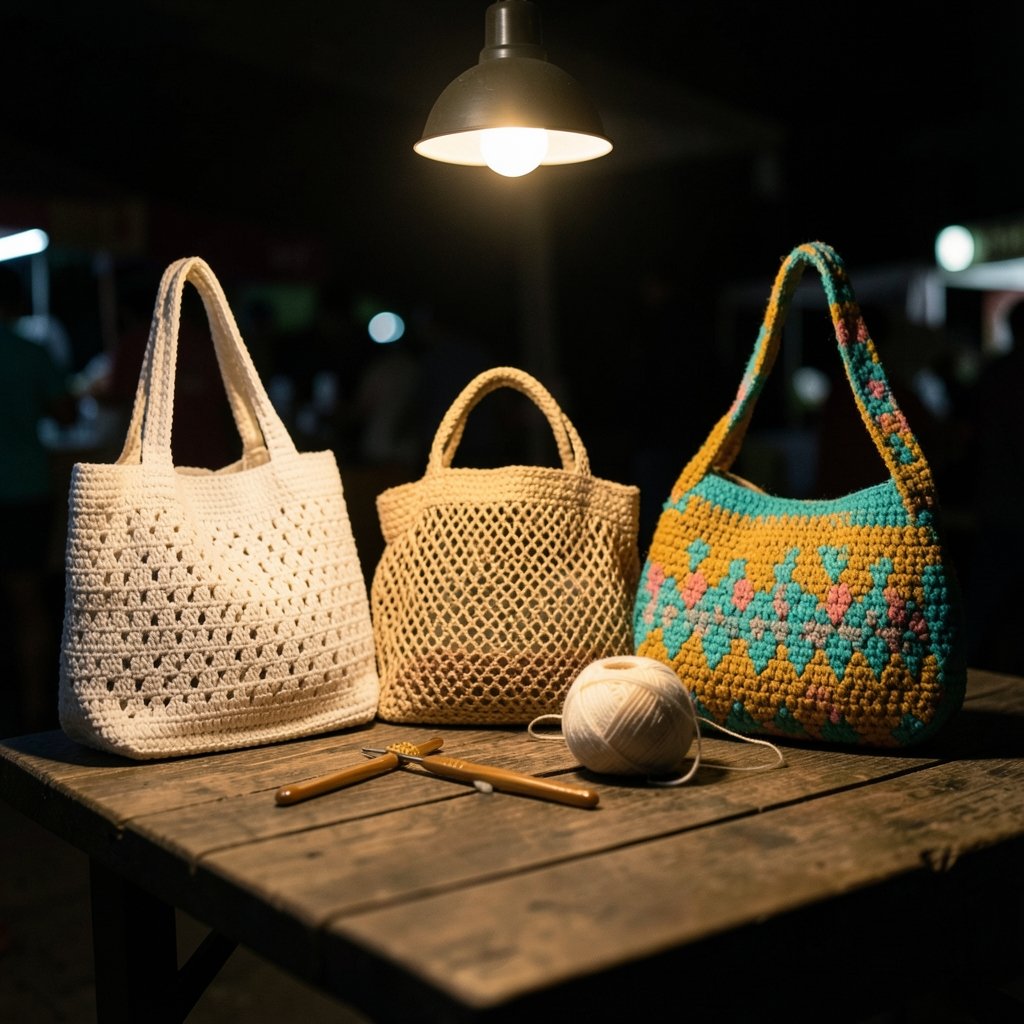
The market tote is the entry point for most people. It is forgiving, roomy, and cheap enough to experiment with. The granny square bag is the most photographed, largely because the patchwork color blocking makes it pop in images. The mesh net bag is the sleeper hit — it weighs almost nothing and layers beautifully over a plain outfit. Structured crochet handbags, often lined and finished with leather handles, are where designers are pushing the craft into higher price tiers.
There is a parallel here with the patchwork color movement in hair, where deliberate “mismatched” sections became a statement rather than a mistake. Crochet bags work the same way: visible joins, mixed yarns, and imperfect squares are features, not flaws. The calico hair trend breakdown makes that point well for color, and the logic transfers directly to granny-square bags.
How to Style a Crochet Bag Without Looking Like a Costume
The most common mistake is treating a crochet bag as a novelty and building an entire outfit around it. That is how you end up looking like you are heading to a themed party. The people who wear crochet bags well do the opposite: they treat the bag as the texture in an otherwise calm outfit.
Practical rules that actually work:
- Keep the clothing smooth. Crisp cotton shirts, tailored trousers, plain slip dresses, and denim all let the bag do the talking. Avoid pairing crochet with lace, ruffles, or heavy embroidery.
- Match the scale to your frame. A chunky oversized crochet bag swallows a petite frame. A small structured crochet bag looks lost on a tall frame. Proportion matters more than price.
- Anchor with leather or metal. A crochet bag with a leather strap or metal hardware reads intentional rather than craft-fair. If your bag has neither, add a leather keychain or a structured shoe to ground it.
- Watch the season. Raffia and cotton in warm months, wool and darker yarns in cool months. A cream cotton tote in November looks off; a rust wool crochet bag in July looks equally strange.
- Line it. Unlined crochet stretches and shows everything inside. A simple fabric insert keeps the shape and stops your keys from poking through.
A useful comparison point is the money piece color trend, where a single face-framing streak does the work of a whole new hairstyle. Crochet bags function the same way in an outfit — one deliberate texture, everything else quiet. The money piece color guide explains why restraint makes these statements land.
Buying Smart: What to Check Before You Pay
Crochet is labor-intensive, and the price spread is enormous. A handmade cotton tote from an independent maker and a machine-made acrylic version from a fast-fashion chain can look similar in a photo and behave completely differently in real life.
Check the stitch density. Hold the bag up to light. If you can see straight through to the other side in a structured style, it will sag the moment you put anything in it. Mesh bags are meant to be open; totes are not.
Check the handles. This is where cheap crochet bags fail first. Handles should be reinforced, ideally with a second layer of stitching or a fabric backing. A single-strand crochet handle will stretch within weeks.
Check the base. Flat bags with no base shaping collapse into a puddle. Look for a reinforced bottom or a rectangular base panel.
Ask about the yarn. Cotton holds shape and washes reasonably well. Acrylic is cheaper and more colorfast but pills. Raffia is durable and summer-appropriate but can crack if it dries out. Wool is warm but heavy when wet.
Consider the lining. A lined bag keeps its structure and protects the interior. Unlined bags are lighter but less practical for daily use.
A common mistake buyers make is ordering a crochet bag online without checking dimensions. Crochet looks larger in photos than it is, because the texture reads as bulk. Measure a bag you already own and compare the listed dimensions directly.
The Handmade Versus Fast-Fashion Split
The crochet bag trend has two parallel economies, and they are worth separating.
The handmade economy runs on independent makers, craft marketplaces, and custom orders. Buyers here pay for uniqueness, often wait weeks for delivery, and get a bag that genuinely differs from anything on a shelf. The trade-off is inconsistency: two makers using the same pattern can produce wildly different results.
The fast-fashion economy runs on machine-made crochet-look fabric, which is technically a knit rather than true crochet. It is faster, cheaper, and identical across thousands of units. The trade-off is durability and, increasingly, scrutiny over how the look is produced.
Neither is inherently better. What matters is knowing which one you are buying into. A handmade bag is an investment in a person’s time. A fast-fashion bag is an experiment in a trend. Both are legitimate; conflating them is where shoppers get disappointed.
This mirrors a broader shift across culture, where handmade and mass-produced aesthetics increasingly borrow from each other. The art, design and modern trends section tracks how these crossovers play out across fashion, interiors, and craft.
Care and Longevity
Crochet bags are more forgiving than they look, but they need basic care.
- Spot clean first. Most cotton and acrylic crochet survives spot cleaning with mild soap and cool water. Submerging a structured bag will ruin its shape.
- Reshape while damp. If you do wash a bag, stuff it with towels and let it dry flat, away from direct heat.
- Store flat or stuffed. Hanging a crochet bag by its handle for months will stretch the strap permanently.
- Watch for snags. Loose loops catch on zippers, keys, and velcro. Trim snags carefully rather than pulling them.
- Rotate your bags. Any bag used daily wears faster. Crochet is no exception.
The single biggest longevity killer is overloading. Crochet stretches. A bag designed for a phone, wallet, and keys will not survive a laptop and a water bottle. Respect the bag’s intended load and it will last years. (Recycling Basics)
Where the Trend Goes Next
Crochet bags are unlikely to vanish, but the shape of the trend is shifting. Early momentum was driven by novelty and social media visibility. The next phase is about refinement: better linings, stronger handles, more structured silhouettes, and a clearer split between summer raffia styles and cold-weather wool versions.
Color is also moving. Early crochet bags leaned on natural tones and bright granny-square palettes. Designers are now experimenting with tonal crochet, single-color texture, and darker seasonal shades. The seasonal color cycle in beauty follows a similar rhythm, with palettes shifting faster than the underlying techniques. The spring makeup trends roundup shows how quickly color stories rotate while the core formats stay stable.
The broader fashion picture, tracked across the Voozon fashion section, suggests crochet will settle into a permanent seasonal category rather than a passing fad — the accessory equivalent of linen or denim, always present, never dominant.
Conclusion
The crochet bag trend is not really about nostalgia, though nostalgia sells it well. It is about texture in a market saturated with smooth surfaces, individuality in a market saturated with sameness, and craft in a market that has spent a decade optimizing for speed. Crochet delivers all three at once, and it does so across price points, seasons, and styles.
The practical takeaway is simple. Buy for structure, not appearance alone. Check the handles, the base, and the stitch density before you fall for a photo. Style the bag as your one texture, not your whole outfit. And treat it like what it is: a piece of handwork that rewards a little care with years of use. Trends come and go; a well-made crochet bag just keeps hanging around.
Frequently Asked Questions
Are crochet bags still in style?
Yes. Crochet bags have moved from a seasonal novelty to a recurring category in accessories. They appear across luxury, mid-market, and handmade segments, and the trend has diversified into summer raffia styles, structured handbags, and cold-weather wool versions rather than fading out.
What is the difference between crochet and knit bags?
Crochet uses a single hook to loop yarn into structured, often denser fabric with visible gaps and joins. Knitting uses two needles and produces a smoother, stretchier fabric. Most fast-fashion “crochet-look” bags are actually machine knits, which is why they often feel softer and less structured than handmade crochet. (Crochet)
How much should a good crochet bag cost?
Handmade cotton totes from independent makers typically sit in the low-to-mid range, while structured designer crochet handbags run into the hundreds or higher. Fast-fashion versions are the cheapest but usually use acrylic and thinner handles. Price should track stitch density, handle reinforcement, and lining quality more than brand name.
Can crochet bags hold heavy items?
Generally no. Crochet stretches under weight, and handles are the first part to fail. A crochet bag works well for a phone, wallet, keys, and a small water bottle. For laptops or heavy groceries, choose a lined, reinforced style with a flat base, or pick a different material entirely.
How do you clean a crochet bag?
Spot clean with mild soap and cool water first. Avoid submerging structured bags, since wet crochet loses shape easily. If a full wash is unavoidable, stuff the bag with towels, reshape it, and dry flat away from direct heat. Never machine dry a crochet bag.
Do crochet bags work for winter?
Yes, if you choose the right yarn. Wool, chunky cotton, and darker tonal crochet read as cold-weather accessories. Pair them with coats and knitwear rather than summer dresses. Raffia and fine cotton mesh bags, by contrast, look out of place in winter and are better stored until warm weather returns.