
Red Light Therapy Mask Buying Guide 2026: What Matters
 Abdul WadoodLast updated
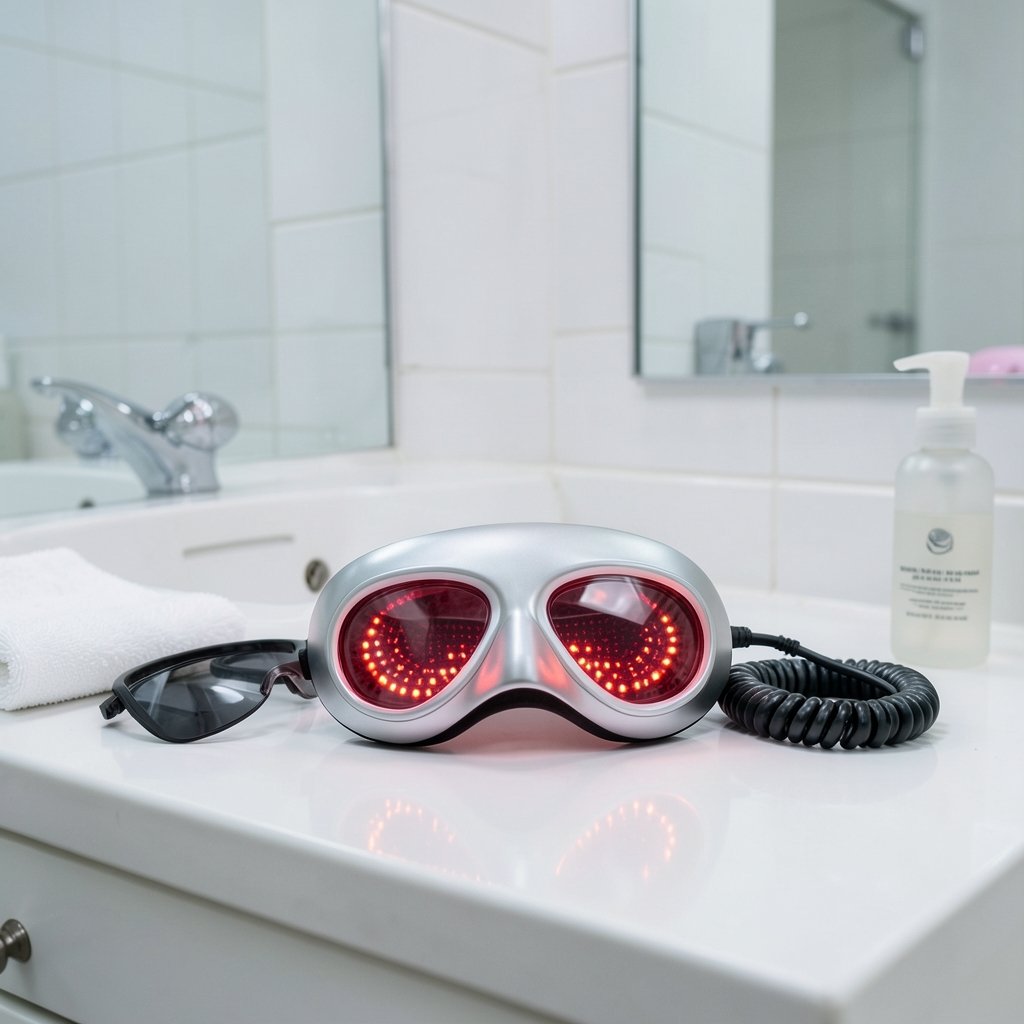
The FDA cleared the first at-home LED mask for acne in 2014. That device, the IlluMask, was recalled two years later. More than a decade on, the shelves are crowded with masks that promise smoother skin, fewer breakouts, and a youthful glow, yet the rules that separate a serious device from a fancy nightlight are rarely explained at checkout. This guide walks through the specs that matter, the marketing that doesn’t, and the practical habits that make a mask worth its price.
What a Red Light Therapy Mask Actually Does
Red light therapy, also called photobiomodulation, uses specific wavelengths of light to interact with cells in the skin. The idea is that certain wavelengths are absorbed by structures in the mitochondria, potentially supporting cellular energy production and collagen activity. That’s the theory. The evidence is more modest than the marketing suggests.
Wavelength matters more than almost any other spec. Red light sits roughly in the 630–700 nm range, while near-infrared (NIR) falls around 800–1100 nm. Red light tends to work on the surface layers, while NIR penetrates deeper. Many quality masks combine both. A mask that lists no wavelengths at all, or vague phrases like “optimal light spectrum,” is a red flag.
It’s worth knowing that the FDA classifies these devices as Class II “nonthermal” light-based devices, and at-home masks are typically either cleared through the 510(k) pathway or marketed as general wellness products under the agency’s 2019 guidance. That distinction matters: “FDA cleared” is not the same as “FDA approved,” and many brands blur the two. If a product page claims “FDA approved,” treat it as a sign the copywriter was sloppy, not as proof of quality.
The Specs That Separate Real Devices From Nightlights
Wavelength and Irradiance
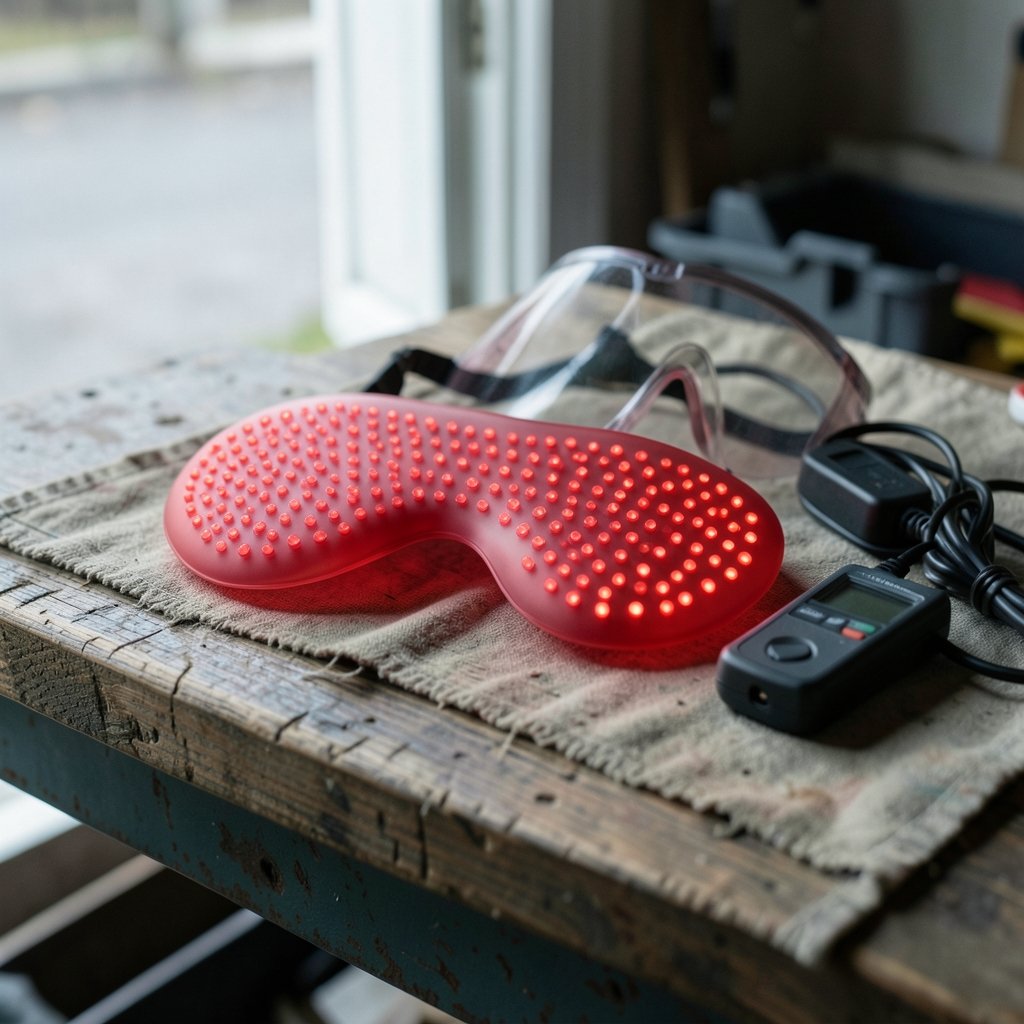
You want to see specific numbers, not adjectives. Look for red light around 633–660 nm and NIR around 830–850 nm as common, well-studied options. Irradiance (measured in mW/cm²) tells you how intense the light is, and dose (measured in J/cm²) combines intensity with time. These are the variables researchers treat as central to both safety and results, and at-home masks vary widely on both.
Dose and Treatment Time
A mask that requires 30 minutes to deliver a meaningful dose is a different commitment than one that takes 10. Neither is inherently better, but the time cost affects whether you’ll actually use it. Ten minutes nightly is sustainable. Thirty minutes every other day often isn’t.
Eye Safety
Bright LED devices warrant eye protection, and manufacturers typically advise it. Blue light exposure, especially in the evening, may affect sleep timing, which is one reason many people prefer red and NIR-only masks for nighttime use. If a mask includes blue light, use the included goggles and consider wearing it earlier in the day.
Build and Fit
A mask that doesn’t sit close to your face leaks light and delivers an inconsistent dose. Flexible silicone designs conform better than rigid plastic shells, but they also cost more. Weight matters too: a heavy mask that slides down your nose will end up in a drawer.
Comparison Table: What Different Price Tiers Actually Get You
| Feature | Budget (under $100) | Mid-Range ($150–$350) | Premium ($400+) |
|---|---|---|---|
| Listed wavelengths | Often vague or single | Usually red + NIR specified | Multiple, documented |
| Irradiance data | Rarely published | Sometimes published | Usually published |
| FDA status | Often “wellness” claims | Cleared or wellness | Cleared, documented |
| Fit | Rigid, one-size | Adjustable straps | Flexible, contoured |
| Eye protection | Basic or none | Included goggles | Included, fitted |
| Warranty | 90 days typical | 1 year | 1–2 years |
The pattern is consistent: budget masks cut corners on documentation first. That doesn’t automatically make them useless, but it means you’re buying on faith rather than evidence.
The Claims to Treat With Suspicion
The FTC requires advertisers to substantiate health and beauty claims, and light-therapy marketing is a frequent offender. Watch for these patterns:
- “Clinically proven” with no citation, sample size, or link to the actual study.
- Before-and-after photos with different lighting, angles, or makeup.
- “FDA approved” language, which is almost always wrong for a mask.
- Cure-adjacent claims about acne, rosacea, or wrinkles that go beyond what the evidence supports.
Systematic reviews of photobiomodulation for skin aging report small studies and inconsistent protocols, which means the honest answer to “does it work?” is “sometimes, modestly, for some people.” A brand that admits this is more trustworthy than one that promises a facelift.
Practical Tips From People Who Actually Use These
Start with the lowest setting. New users often overdo it, and irritation is the most common early complaint. Begin with three sessions a week and build up.
Clean the mask. Oils and skincare residue build up on the inner surface and can cloud the LEDs or cause breakouts. A quick wipe after each use solves this.
Skip actives right before a session. Applying retinol or strong acids and then shining light on your face is a recipe for sensitivity. Do your skincare after.
Track your results in photos, not vibes. Take a photo in the same light, same angle, same time of day, once a week. Memory is a terrible judge of gradual change.
Don’t expect overnight results. Most protocols suggest 8–12 weeks before judging. If a brand promises visible change in a week, that’s a marketing claim, not a clinical one.
If you’re building a broader routine around color-treated or fragile hair alongside your skincare, it helps to understand how different routines interact. Guides like this look at light brown hair care and styling and this piece on ginger hair and why red tones are rarer than you think cover the hair side of the equation, while a solid hair mask guide explains how to keep treatments from undoing each other.
How to Vet a Brand Before You Pay
- Find the wavelength list. If it’s not on the product page, email support. A brand that can’t answer this isn’t serious.
- Check the FDA status honestly. Search the FDA’s device database for the brand name. “Cleared” and “wellness” are both fine; “approved” claims are not.
- Look for dose data. Irradiance in mW/cm² and session time should let you estimate J/cm². If neither number exists, you’re guessing.
- Read the return policy. A 30-day window is standard; 60 days is generous. Masks are personal items, so some brands won’t accept returns once opened, which makes pre-purchase research essential.
- Search for independent reviews. Look for users who mention their skin type and how long they used it. Five-star reviews posted the day of delivery tell you nothing.
Red Flags That Should End the Conversation
Some signals are disqualifying. A mask with no listed wavelengths, no irradiance data, and a “FDA approved” badge is a pass. So is a brand that refuses to say where the device is manufactured or offers no warranty beyond 30 days. And be wary of bundles that throw in serums and gadgets to inflate perceived value; you’re buying a light device, not a gift box.
One more practical note: if you have a photosensitive condition, are pregnant, or take medications that increase light sensitivity, talk to a clinician before using any LED device. That’s not a disclaimer dodge; it’s the single most useful piece of advice in this guide.
Do You Need Red and Near-Infrared Together?
Not necessarily, but the combination covers more ground. Red light addresses surface concerns like tone and texture, while NIR reaches deeper layers. If your main goal is acne, blue light has the strongest evidence base, though it comes with the sleep-timing caveat. If your goal is general skin maintenance, red plus NIR is the most common pairing in well-documented devices.
The honest position: evidence quality varies by indication, and stronger claims exist for some uses than others. A mask marketed for wrinkles and one marketed for pain are making different bets on different bodies of research.
Conclusion
A red light therapy mask is a reasonable purchase if you go in with calibrated expectations. Prioritize documented wavelengths, published irradiance, honest FDA language, and a fit you’ll actually wear for ten minutes a night. Treat “clinically proven” and “FDA approved” as prompts to dig deeper, not reasons to buy. The best mask isn’t the most expensive one; it’s the one with specs you can verify and a routine you’ll keep. If you’re also weighing styling tools, this breakdown of what shoppers should know about the Shark hair dryer follows the same logic: specs over slogans. And if you’re curious how color and light interact more broadly, this guide to copper hair and what that warm red shade really involves is a good companion read.
Frequently Asked Questions
Are red light therapy masks FDA approved?
Almost never. At-home masks are typically cleared through the 510(k) pathway or sold as general wellness devices. “FDA approved” is a phrase brands borrow loosely, and seeing it should make you check the device database rather than trust the badge. (PubMed Central)
How long until I see results?
Most protocols suggest 8 to 12 weeks of consistent use before judging. Early changes are subtle, which is why weekly photos in consistent lighting beat memory. If a brand promises visible results in days, that’s marketing.
Can I use a mask every day?
Many people do, and most devices are designed for daily or near-daily sessions. Start with three sessions a week if you’re new, watch for irritation, and follow the manufacturer’s timing. More is not automatically better.
Is blue light in a mask bad for sleep?
Blue light exposure in the evening may affect sleep timing, which is why many users prefer red and NIR-only masks at night. If your mask includes blue light, use the goggles and consider wearing it earlier in the day.
Do expensive masks work better?
Not automatically, but price often correlates with documentation. Premium masks tend to publish wavelengths, irradiance, and dose data, while budget masks often don’t. You’re partly paying for verifiable specs, alongside the hardware.
What should I check before buying?
Four things: listed wavelengths, irradiance or dose data, honest FDA status, and a return window of at least 30 days. If a brand can’t answer the first two, keep shopping.
Verify the battery and cord setup. Some masks are cordless and rechargeable, which is convenient but adds a failure point; others run only while plugged in. Check the cable length and whether the controller is a separate unit you’ll have to hold or clip on. A mask that dies mid-session or needs a proprietary charger you’ll lose is a mask that stops getting used.
Confirm the warranty covers the LEDs as well as the frame. Many warranties exclude the light-emitting components, which are the parts most likely to fail. Ask directly what’s covered and for how long. A one-year warranty on the electronics is a reasonable baseline; anything shorter deserves scrutiny.
Factor in replacement parts. Straps stretch, silicone yellows, and controllers wear out. A brand that sells individual replacement parts is signaling that the device is meant to last. One that only sells complete units is signaling the opposite.
Buy from the manufacturer or an authorized retailer. Third-party marketplace listings are a common source of counterfeit or gray-market devices with no valid warranty. If the price is dramatically lower than the brand’s own site, that’s the explanation.
None of this is glamorous advice, and it won’t make a decision feel exciting. But it’s the difference between a device that earns a place in your routine and one that joins the drawer of abandoned gadgets. The technology is real, if modest; the marketing around it is not. Buy the specs, keep the receipts, and give it three months of honest use before you decide whether it was worth it.