
Shark Hair Dryer 2026: What to Know Before Buying
 Abdul WadoodLast updated
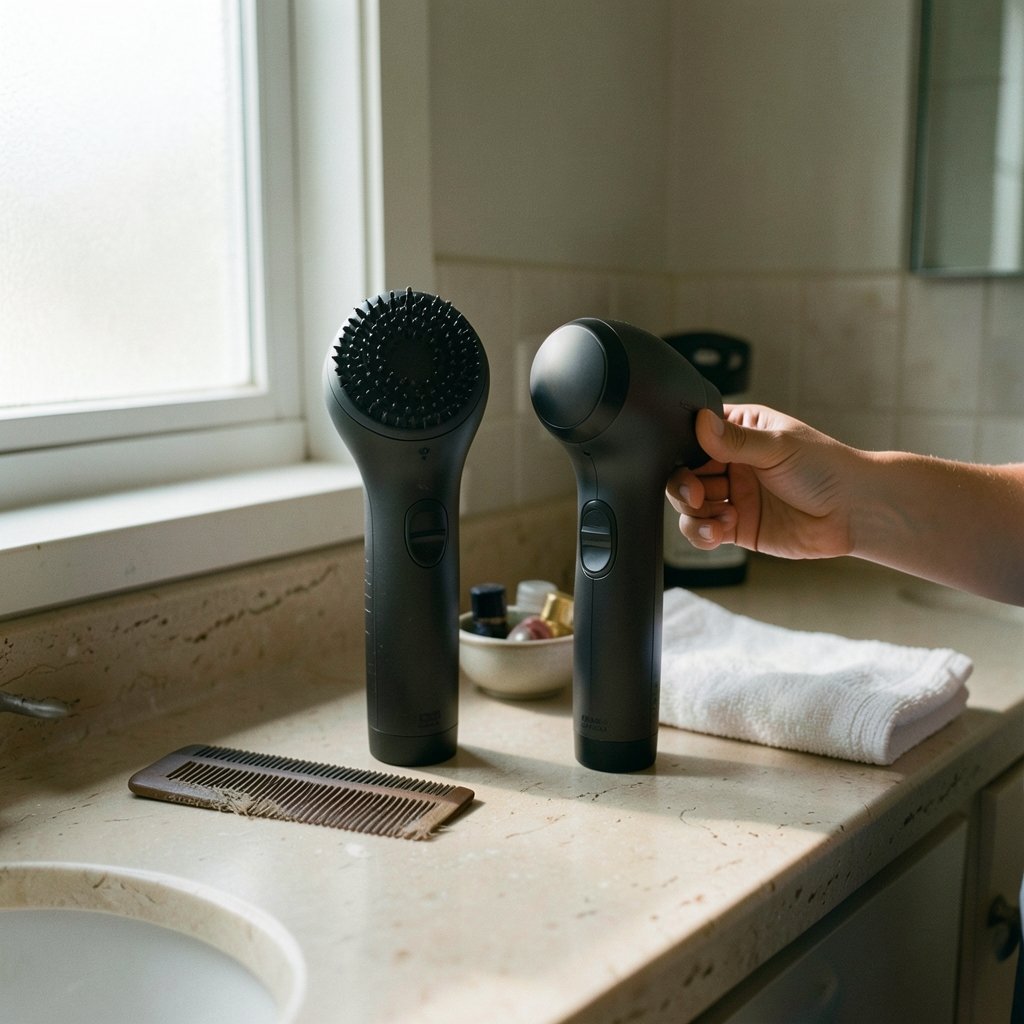
What do you picture when someone says “shark hair dryer“? A vacuum company that suddenly makes styling tools, or a novelty gadget shaped like a fish? The answer matters more than you might think, because the phrase “shark hair dryer” covers two very different things: a genuine product line from Shark Beauty, a division of publicly traded SharkNinja, and a loose search term that pulls in everything from salon-grade dryers to novelty items. This guide sorts out the confusion, explains what these dryers actually do, and helps readers decide whether one belongs on their bathroom counter.
Why “Shark Hair Dryer” Confuses So Many People
The confusion starts with the brand name itself. Shark built its reputation on vacuums and home cleaning products. When the company expanded into beauty with Shark Beauty, plenty of shoppers did a double take. A brand known for sucking up dust now sells tools that blow hot air through hair. It sounds odd until you remember that both product categories depend on the same engineering skill: moving air efficiently through a motorized device.
SharkNinja is a publicly traded consumer products company listed on the New York Stock Exchange under the ticker SN. Readers who want to verify the company’s corporate background can check the SharkNinja overview on Wikipedia, which documents the brand’s history and product expansion. The beauty line sits alongside vacuums, air fryers, and other home appliances under the same corporate roof.
The second layer of confusion comes from search behavior. People type “shark hair dryer” when they mean a Shark-brand dryer, but the same phrase also surfaces novelty dryers with shark-shaped designs, children’s toys, and unrelated listings. Knowing which category a shopper actually wants is the first step toward a smart purchase.
What Shark Beauty Actually Sells
Shark Beauty’s styling lineup centers on two families of products: the FlexStyle air-styling system and the SpeedStyle hair dryer. Both use high-velocity airflow and Coanda effect technology, which uses moving air to attract and wrap hair around a styling attachment automatically. That physics principle is the same one behind other premium multi-styler brands, and it is genuinely useful once you understand it.
The FlexStyle is the more versatile option. It functions as a dryer and a styler in one device, with attachments for curling, smoothing, and volumizing. The SpeedStyle leans more toward straight drying and smoothing, with a simpler attachment set. Neither is a basic $30 drugstore dryer, and neither is a $400 salon machine. They sit in the premium-but-accessible middle of the market.
For readers who want the deeper science behind the airflow technology, the Coanda effect explained on Wikipedia covers how a fast-moving stream of air follows a curved surface. That is exactly what makes wrap-and-curl attachments work without a traditional curling iron barrel.
Shark Hair Dryer vs. Traditional Dryers: A Practical Comparison
Marketing claims are easy to write and hard to verify. A side-by-side table cuts through the noise and shows where a Shark dryer fits in the broader market.
| Feature | Shark Beauty dryer | Traditional drugstore dryer | High-end salon dryer |
|---|---|---|---|
| Price band | Premium mid-range | Budget | Luxury |
| Core technology | High-velocity airflow, Coanda styling | Heat and fan speed settings | Powerful motor, ionic tech |
| Styling attachments | Multiple, tool-free swap | Usually one concentrator nozzle | Varies, often sold separately |
| Best for | Multi-style routines at home | Basic drying on a budget | Professional or salon use |
| Learning curve | Moderate | Low | Low to moderate |
| Weight and balance | Designed for one-hand styling | Light, simple builds | Often heavier |
The table makes one thing clear: a Shark dryer is not competing on price with a $25 drugstore model. It competes on versatility. If someone already owns a basic dryer and a curling iron and a round brush, the math changes. One device that replaces three tools can justify a higher price, but only if the owner actually uses the styling attachments.
What Actually Works in Practice
Practical experience from user communities and product reviews points to a few consistent patterns. These are the things that separate a happy owner from a frustrated one.
The Coanda attachments reward technique. Hair needs to be roughly 80 percent dry before wrapping. Trying to curl soaking wet hair with an air-styling attachment produces frizz and wasted time. Sectioning hair into manageable chunks and working from the back forward makes a noticeable difference.
Heat settings matter more than people expect. High heat plus high speed is not automatically faster. Medium heat with high airflow often dries hair more evenly and reduces the hot-spot damage that shows up as split ends over time.
Attachment choice should match hair type. Fine hair responds well to smoothing attachments and lower heat. Thick or curly hair benefits from more airflow and dedicated diffuser-style tools. Using the wrong attachment is the most common reason people give up on a multi-styler.
Cleaning is not optional. Lint and product buildup clog the air intake and reduce performance. A quick monthly clean of the filter screen keeps airflow strong and extends the life of the motor.
Common Mistakes Buyers Make
A few missteps show up again and again in reviews and forum threads. Avoiding them saves money and frustration.
- Buying for the hype, not the routine. Someone who air-dries their hair 90 percent of the time will not get value from a multi-styler, no matter how good it is.
- Skipping the return window test. These devices have a learning curve. Buyers should test every attachment within the return period, not after it closes.
- Ignoring voltage and plug standards. Travelers who buy in one region and use the dryer in another can damage the motor or void the warranty. Regional models exist for a reason.
- Expecting salon results on day one. Technique takes a few weeks to develop. The first attempt usually looks worse than the tenth.
- Overlooking weight during styling. Holding a dryer above the head for 20 minutes is a workout. Balance and grip matter as much as airflow specs.
How to Choose the Right Shark Dryer for Your Hair
The decision comes down to routine, hair type, and budget. A simple framework helps.
- Map the current routine. Count how many tools the person uses weekly. Two or more styling tools makes a multi-styler more attractive.
- Match the model to hair type. Fine hair favors smoothing and lower heat. Thick hair needs airflow and a diffuser. Curly hair needs gentle drying with defined airflow.
- Check the attachment bundle. Some bundles include more attachments than others. Buying the right bundle upfront is cheaper than adding pieces later.
- Confirm regional availability. Model names and bundles differ by market. Shoppers should check their local Shark site rather than assuming a US listing applies everywhere.
- Read the warranty terms. Coverage length and what counts as normal wear vary by region and model.
For broader context on how hair dryers work and what the specifications mean, the hair dryer article on Wikipedia covers motor types, heat settings, and the history of the appliance category. It is a useful primer before comparing specific models.
Where Shark Fits in the Premium Styling Market
The multi-styler category has grown crowded. Dyson popularized the high-velocity air-styling concept, and Shark entered with a similar premise at a lower price point. That positioning matters for buyers comparing options.
Shark’s advantage is price-to-versatility. The dryers and stylers typically undercut the most famous competitor while offering a comparable attachment ecosystem. The trade-offs show up in areas like build materials, noise levels, and attachment refinement. Neither brand is objectively better for every buyer. The right choice depends on which trade-offs a person can live with.
Retail availability also shapes the decision. Shark products appear in major electronics and appliance retailers as well as direct from the brand. Prices fluctuate with sales cycles, so timing a purchase around promotional periods is a legitimate money-saving tactic. Readers comparing options should also look at independent reviews and retailer return policies rather than relying on a single source.
For readers exploring broader media and consumer coverage of product categories like this, Voozon Media publishes consumer-focused reporting that can supplement brand materials. (U.S. Consumer Product Safety Commission)
Maintenance and Longevity Tips
A premium dryer should last years, not months. A few habits protect the investment.
Store it dry and unplugged. Moisture in the barrel or attachments encourages buildup and odors. Let everything air-dry fully before storing.
Clean the filter regularly. Most models have a removable or accessible intake screen. Rinsing or brushing it monthly keeps airflow consistent.
Avoid wrapping the cord tightly. Sharp bends stress the wiring at the base of the handle, which is a common failure point on any dryer.
Use attachments as designed. Forcing an attachment or using it on the wrong setting can damage the connection point.
Register the product. Warranty claims go smoother when the purchase is registered and the receipt is saved.
Conclusion
The phrase “shark hair dryer” hides a straightforward truth: Shark Beauty makes real, well-reviewed styling tools that compete seriously in the premium segment. They are not novelty items, and they are not budget appliances. They are multi-purpose devices built around high-velocity airflow and Coanda styling, designed for people who want salon-adjacent results at home without juggling three separate tools.
The buyers who get the most value share a profile. They style their hair several times a week, they are willing to practice technique for a few weeks, and they want one device instead of a drawer full of them. The buyers who end up disappointed usually expected instant salon results or bought on hype without matching the model to their hair type.
Anyone considering a purchase should verify current model names, specs, and pricing on their regional Shark site, test every attachment inside the return window, and treat the first few styling sessions as practice rather than a final verdict. Do that, and a Shark dryer can earn its counter space. Skip it, and the device ends up in the same drawer as every other abandoned gadget.
Frequently Asked Questions
Does Shark make hair dryers?
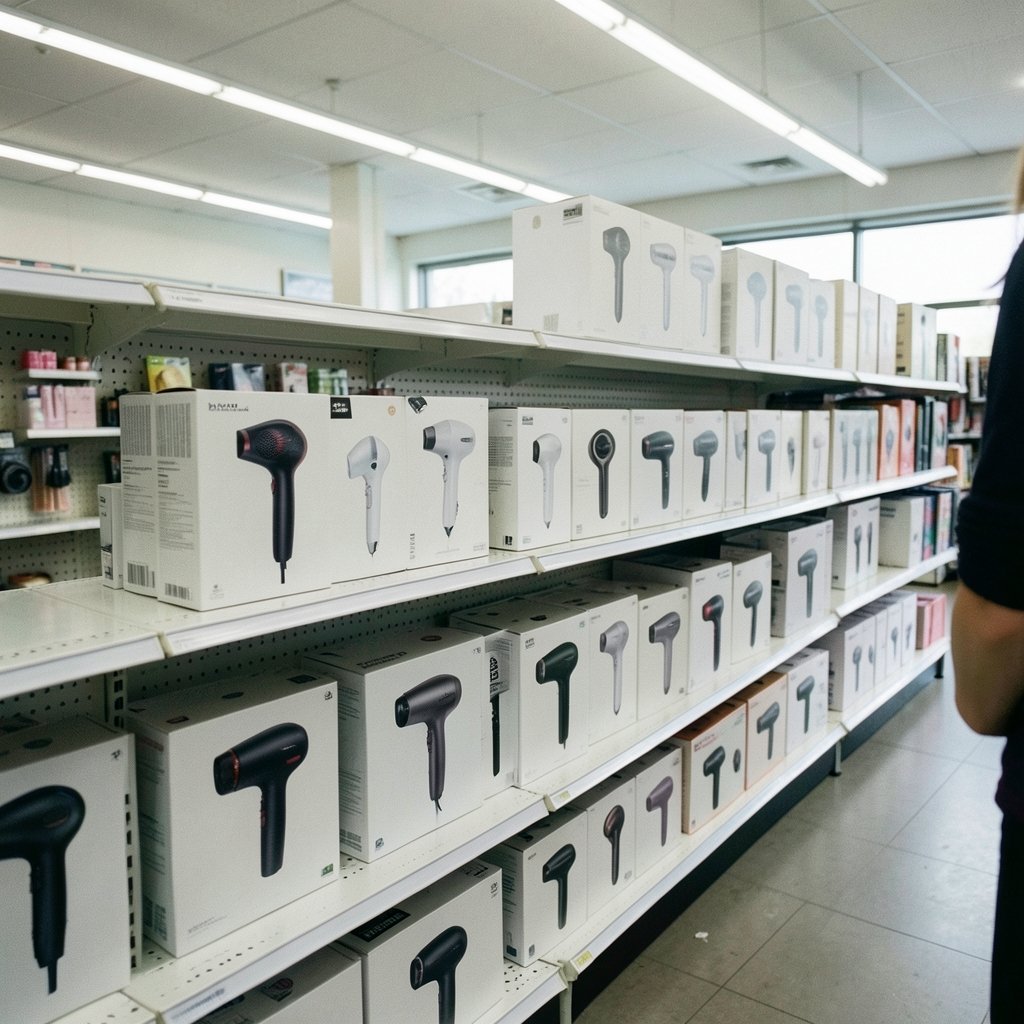
Yes. Shark Beauty, a division of SharkNinja, sells hair dryers and air-styling systems, including the FlexStyle and SpeedStyle lines. These are legitimate consumer products sold through major retailers and directly by the brand, not novelty items.
What is the difference between the Shark FlexStyle and the SpeedStyle?
The FlexStyle is a multi-styler that dries and styles with multiple attachments, including curling and smoothing tools. The SpeedStyle focuses more on drying and straight smoothing with a simpler attachment set. The FlexStyle suits people who want one device for many styles; the SpeedStyle suits people who mainly want fast, smooth drying.
Is a Shark hair dryer worth the price?
It depends on the routine. For someone who regularly uses a dryer plus a curling iron or round brush, a multi-styler can replace several tools and justify the premium price. For someone who rarely styles their hair, a basic dryer is the better value. The device rewards practice, so buyers should factor in a learning period.
How does Coanda technology work in these dryers?
The Coanda effect describes how a fast-moving stream of air tends to follow a curved surface. In air-styling tools, this lets hair wrap around an attachment automatically as air flows past it, creating curls or smoothing sections without a traditional heated barrel. It is a physics principle, not a marketing invention.
Can I use a Shark hair dryer in another country?
Only with care. Voltage and plug standards differ by region, and using a dryer designed for one market in another can damage the motor or void the warranty. Travelers should check whether their model supports dual voltage or use a properly rated converter. Regional model variants exist for this reason.
How often should I clean a Shark hair dryer?
Roughly once a month for regular users. Cleaning the air intake filter removes lint and product buildup that reduces airflow and strains the motor. Heavier users or people who apply styling products daily may need to clean it more often. Consistent cleaning is one of the simplest ways to extend the device’s lifespan.