
Copper Hair: Your Ultimate Guide to This Warm Red Shade
 Abdul WadoodLast updated
What makes copper hair so magnetic that it keeps returning to runways, red carpets, and salon chairs year after year? The answer sits somewhere between chemistry, genetics, and the simple fact that a warm red-orange mane catches light like nothing else. Copper is that rare shade that looks bold on some people and almost natural on others, and it can be flattering, finicky, and high-maintenance all at once. This guide breaks down what copper hair actually is, who it suits, how it differs from neighboring shades like auburn and strawberry blonde, and what it genuinely takes to wear it well.
What Counts as Copper Hair?
In colorist language, copper describes a warm red-orange tone with strong saturation. It is not brownish-red (that is auburn) and it is not a pale, diluted red-blonde (that is strawberry blonde). Copper sits in the middle: vivid enough to read clearly as red, but with an orange undertone that keeps it glowing rather than cool or burgundy.
The word itself borrows from the metal, and the association is old. Color terms drawn from materials have a long history in English usage, a pattern documented in resources like the Oxford English Dictionary. That matters practically: when a client asks for “copper,” a stylist hears “orange-forward red,” while a client may be picturing a penny, a rose-gold ring, or a sunset. Getting specific about the exact level and warmth is the first step to avoiding disappointment.
Copper also exists as a natural color. Natural red hair arises from genetic variation, most famously in the MC1R gene, which influences how pigment is produced. This is well-established genetics, and overviews of the topic are available through PubMed. Natural red hair clusters in people of Northern and Western European ancestry, particularly Ireland and Scotland, though prevalence figures vary widely depending on how “red” is defined. A dyed copper and a natural copper can look identical in photos and behave completely differently in real life.
Natural Copper vs. Dyed Copper: A Practical Comparison
The two paths to copper hair share a color family but almost nothing else in terms of upkeep. Here is how they stack up.
| Factor | Natural Copper | Dyed Copper |
|---|---|---|
| How it happens | Genetic pigmentation | Color deposit or lift plus deposit |
| Fading | Very slow, sun-related | Fast, often 4–8 washes |
| Maintenance | Minimal | Regular glosses or touch-ups |
| Damage risk | None from color | Depends on lightening needed |
| Cost | None | Salon visits or home kits |
| Predictability | Fixed | Adjustable, but can shift warm |
The table makes the trade-off obvious. Natural copper is effortless but not something you can choose. Dyed copper is fully customizable but demands commitment. Most people reading about copper hair are in the second camp, and that is where the practical advice matters most.
Who Copper Hair Suits (and Who Should Think Twice)
Copper is often described as universally flattering, which is generous marketing rather than a rule. In practice, the shade works best when it harmonizes with skin undertone and eye color.
Warm undertones, whether golden, peachy, or olive, tend to carry copper easily because the orange in the hair echoes the warmth in the skin. Cool undertones, particularly very pink or porcelain complexions, can wear copper too, but a slightly deeper, less orange version usually looks more balanced than a bright penny tone. People with cool undertones and a lot of natural redness in the cheeks sometimes find bright copper amplifies facial redness, which is worth considering before committing.
Eye color is a softer factor. Green and hazel eyes tend to pop against copper because of complementary color contrast. Brown eyes look rich and warm. Blue eyes can look striking or slightly mismatched depending on the exact tone, which is why a strand test is worth the effort.
The most common mistake is choosing a copper shade from a photo of someone with a different undertone, different natural hair color, and different lighting. What looks like a soft copper on a warm-skinned model may read as bright orange on someone with cool, fair skin. A stylist who can see the client in person will adjust the formula; a screenshot cannot.
The Realities of Going Copper: What Actually Works
Starting Point Determines Everything
Natural hair color drives the process more than any other factor. Someone with light blonde hair can often reach copper with a deposit-only color and minimal damage. Someone with dark brown or black hair usually needs lightening first, because copper is a lighter level than their starting point. That lift is where damage risk enters, and where the difference between a good and a bad outcome is decided.
Fading Is the Main Complaint
Copper molecules are relatively small and red-orange pigments are notoriously prone to washing out. In practice, a fresh copper can visibly soften within a couple of weeks. What actually helps:
- Wash less often, and use cooler water.
- Choose sulfate-free shampoo to slow pigment loss.
- Book a gloss or toner refresh every four to six weeks.
- Avoid heavy heat styling that accelerates fading and dullness.
- Use a color-depositing mask between salon visits.
What does not work is expecting a single dye job to hold vivid copper for months. It will not, and anyone promising otherwise is overselling.
Watch the Pool and the Minerals
Copper tones can turn brassy or oddly greenish when exposed to certain conditions. Chlorinated pools and mineral-heavy water are common culprits, and this is a frequent real-world complaint among copper-haired clients. A shower filter and a swim cap are unglamorous but effective. This is also where the metal itself enters the conversation: copper is a genuine trace element involved in pigment production, and nutrient references such as the NIH Office of Dietary Supplements explain its biological role. That does not mean eating copper or applying copper compounds changes hair color in any reliable way. Claims linking dietary copper to hair shade are contested, and hair mineral analysis is not a validated clinical test. Treat such claims with skepticism.
The Roots Question
Copper shows regrowth faster than almost any other shade because the contrast between dark roots and bright copper is stark. Anyone considering copper should honestly assess whether they are willing to visit the salon every four to six weeks. If not, a softer, deeper copper or a balayage-style application that blends regrowth is a smarter choice than a solid bright block of color.
Copper vs. Its Neighbors: Auburn, Strawberry Blonde, and Ginger
Copper is often confused with three nearby shades, and the differences matter at the salon.
| Shade | Dominant Tone | Depth | Typical Look |
|---|---|---|---|
| Copper | Orange-red | Medium | Vivid, glowing, metallic |
| Auburn | Red-brown | Medium to dark | Rich, understated, natural |
| Strawberry blonde | Pale red-blonde | Light | Soft, sunlit, subtle |
| Ginger | Orange-red | Varies | Informal term, often natural red |
“Ginger” is largely a colloquial label rather than a technical one, and it overlaps with both copper and natural red. If a client uses these words interchangeably, the stylist’s job is to translate them into a level and a tone before mixing anything. Bringing two or three reference photos, ideally in natural light, resolves most of the ambiguity in a single consultation.
Caring for Copper Hair Without Wrecking It
Copper rewards a simple, consistent routine more than an elaborate one. The core principles are gentle cleansing, regular moisture, and periodic color refresh. Bond-building treatments help if the hair was lightened to reach copper, but they are not a substitute for avoiding unnecessary lift in the first place.
Heat protection matters more than most people expect, because copper’s shine is its whole appeal and heat damage dulls it quickly. Similarly, sun exposure fades red pigments faster than most others, so a UV-protective leave-in during summer is a small habit with a visible payoff.
One underrated tip: get a professional color refresh rather than reaching for a box dye to “top up” the color. Layering home color over salon copper is the single most common way people end up with a muddy, uneven result that costs more to fix than the original appointment.
Common Mistakes to Avoid
The same errors show up again and again among people new to copper.
- Choosing the shade in artificial light. Salon lighting flatters everything. Check the swatch in daylight.
- Skipping the strand test. Especially important for anyone with previous color, bleach, or henna in their hair.
- Underestimating upkeep. Copper is a commitment, not a one-off.
- Ignoring the eyebrows. Very dark brows against bright copper can look severe; a light tint often balances the face.
- Expecting zero damage. If lightening was required, some compromise is unavoidable. Plan for it.
- Believing “natural” copper dyes are automatically safer. Henna-based products can interact unpredictably with conventional color and are difficult to remove. The chemistry deserves respect regardless of marketing.
Why Copper Keeps Coming Back
Copper hair has a way of cycling through fashion because it solves a specific problem: it makes a face look warmer and more alive than almost any other shade. It photographs beautifully, it reads as confident without being as aggressive as a true fire-engine red, and it works across a wide range of skin tones when the formula is adjusted properly. The shade’s persistence is less about trends and more about that reliable visual effect.
For anyone weighing the decision, the honest summary is this: copper is achievable for almost everyone, flattering for most, and genuinely high-maintenance for all. Going in with clear expectations about fading, roots, and cost turns a potentially frustrating experiment into a shade people keep coming back to. Professional guidance from a colorist, a realistic budget, and a simple home routine do more for a copper result than any single product. Readers exploring broader hair and beauty topics can find more practical guidance at VOOZON.
Conclusion
Copper hair is a warm, orange-forward red that sits between auburn and strawberry blonde, and it can be either a genetic gift or a deliberate salon choice. Natural copper is effortless but fixed; dyed copper is flexible but demanding. The shade flatters most people when matched to undertone, rewards a gentle routine, and punishes neglect with fast fading and visible roots. None of that is a reason to avoid it. It is a reason to walk in informed, with realistic expectations about upkeep, a strand test in hand, and a stylist who understands the difference between a penny and a sunset.
Frequently Asked Questions
What is copper hair?
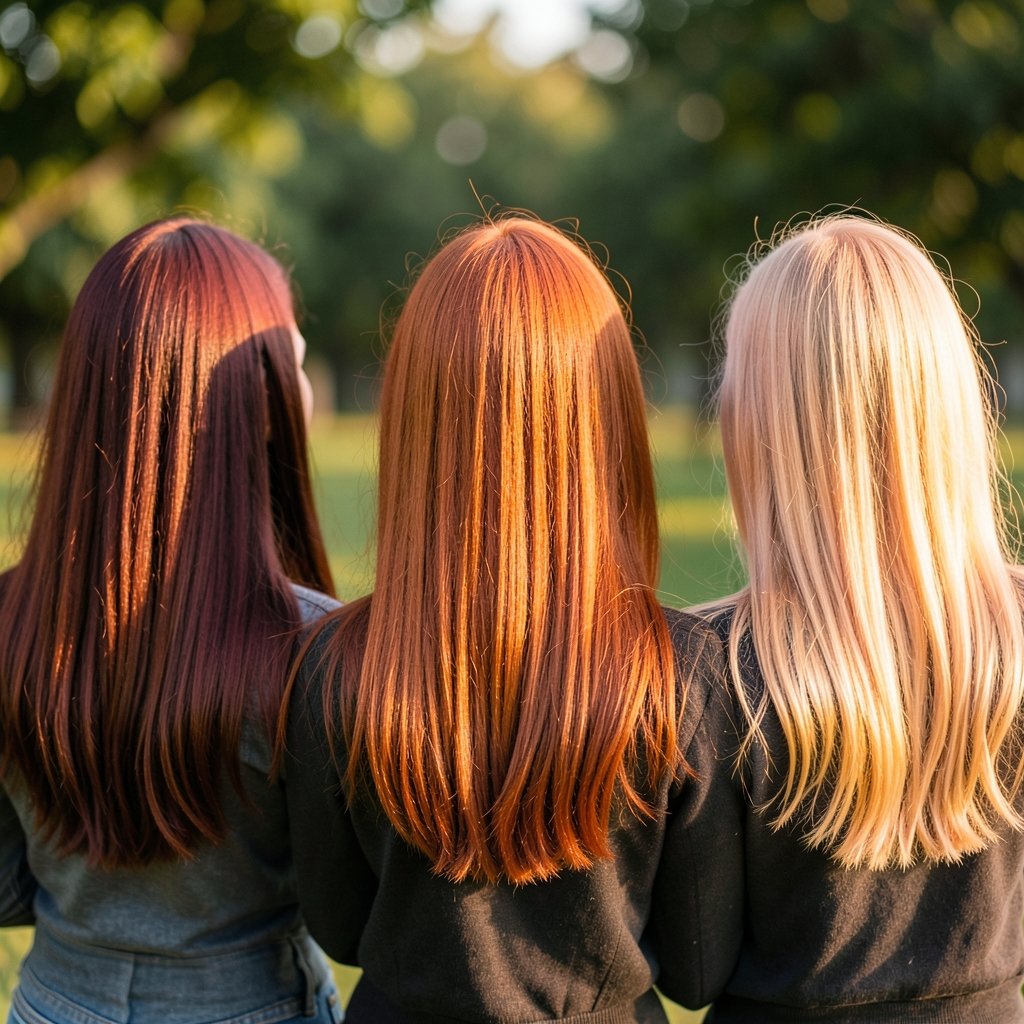
Copper hair is a warm red-orange shade with strong saturation and an orange undertone. It sits between auburn, which is red-brown, and strawberry blonde, which is much lighter and softer. The term applies both to natural red hair and to dyed color formulated to mimic that glow. Because “copper” is used loosely, the exact level and warmth should always be confirmed with reference photos before coloring.
Does copper hair suit everyone?
Most people can wear some version of copper, but the exact tone needs adjusting. Warm skin undertones carry bright orange-copper easily, while cool undertones usually look better in a deeper, less orange copper. Green and hazel eyes tend to contrast nicely with copper, while very dark eyebrows can look severe against a bright shade unless they are softened. A strand test and an in-person consultation resolve most of the guesswork.
How long does dyed copper hair last?
A fresh copper typically looks vivid for about two to four weeks before visibly softening, and most people need a gloss or toner refresh every four to six weeks. Red-orange pigments are among the fastest-fading color molecules, so frequent washing, hot water, and sun exposure all shorten the lifespan. Color-depositing masks and sulfate-free shampoo help stretch the time between appointments.
Is copper hair high maintenance?
Yes, compared with most other shades. The two big demands are root regrowth, which shows starkly against bright copper, and fading, which happens quickly. Anyone unwilling to book salon visits every four to six weeks is usually better served by a deeper, softer copper or a blended application that hides regrowth. The maintenance is manageable, but it should be planned for rather than discovered later.
Can I get copper hair from dark brown or black hair?
Usually yes, but it requires lightening first, because copper sits at a lighter level than very dark hair. That lift is the step where damage risk is highest and where a professional assessment matters most. Attempting to lift dark hair at home with box color frequently produces uneven, brassy results that cost more to correct than a salon appointment would have.
Does diet or copper intake affect hair color?
No reliable evidence supports the idea that eating more copper changes hair shade. Copper is a genuine trace element involved in normal pigment biology, but the link between dietary intake and visible hair color is contested, and hair mineral analysis is not a validated clinical test. Anyone making strong claims about copper supplements and hair color should be treated with caution.