
Model Off Duty Airport Style: Get the Effortless Look
 Abdul WadoodLast updated

Airport style has become one of the most photographed fashion genres in the world. Long before the runway shows begin each season, the arrivals hall has already produced a full catalog of looks, and the “model off duty” aesthetic sits right at the center of it. The premise is simple: models wear comfortable clothes to travel, get photographed doing it, and those photos become a trend. The execution is where it gets interesting, because the gap between “effortless” and “actually just tired” is narrower than it looks.
What makes this look so enduring is that it solves a real problem. Most people want to be comfortable on a plane and still look decent when they land. The off-duty formula does both, and it does it with a fairly small wardrobe. This guide breaks down what the look actually is, why it spread, how to build it, and the mistakes that make it fall flat.
What “Model Off Duty” Actually Means
The term model off duty is a fashion-press label, not an official category. It describes the candid, non-runway clothes models wear between jobs, popularized by street-style photography from the mid-2000s onward. The look is deliberately unposed: jeans, a plain tee, sneakers, sunglasses, a bag, done.
Airport style grew alongside it as a paparazzi and street-style genre of its own. The arrivals hall became a runway substitute, and the photos that circulated were not from shows but from terminals. Because models were traveling constantly, the two genres merged into a single recognizable uniform.
It helps to separate the look from the myth. The photos are curated. Lighting, angles, and a stylist’s edit sit behind almost every image. The clothes themselves are usually ordinary, and that is the point. The aesthetic works because it is borrowed from normal life, not because it is complicated.
Why the Look Traveled So Fast
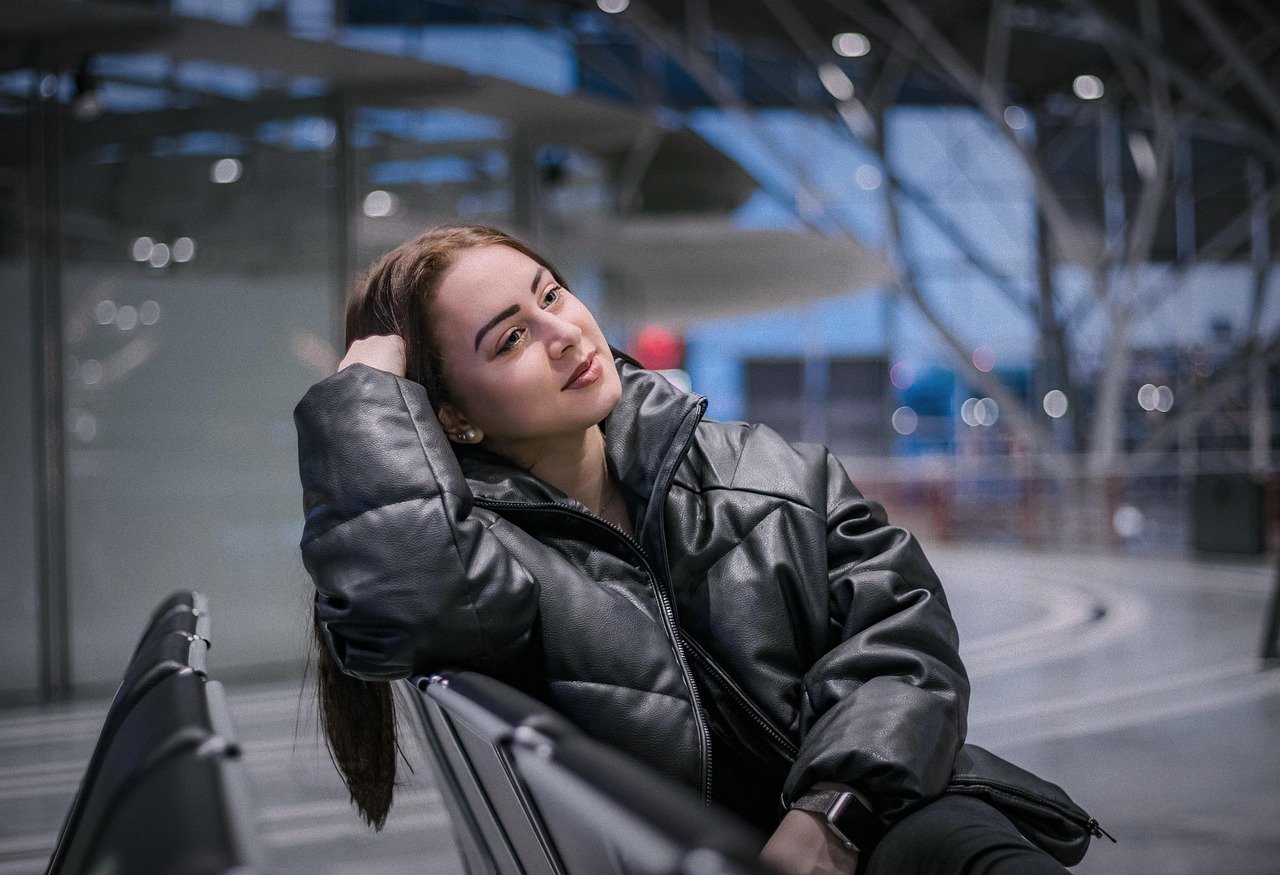
Several forces pushed this style into the mainstream at once.
First, the rise of athleisure gave the look a commercial backbone. Leggings, joggers, and sneakers moved from gym wear to everyday wear, and the airport was the natural showcase. Second, social media flattened the distance between a model’s candid photo and a shopper’s inspiration board. A single image could move a product in days. Third, the look is cheap to imitate at the entry level and expensive to perfect at the top end, which makes it scalable across price points.
There is also a practical reason. Long-haul travel punishes formal clothing. Anything stiff, tight, or hard to clean loses. The off-duty uniform wins on function, and function is what keeps a trend alive after the novelty fades.
The Core Elements of the Look
The uniform is built from a short list of pieces. Most of them are already in a normal wardrobe.
| Element | Typical Choice | Why It Works |
|---|---|---|
| Top layer | Oversized hoodie, sweatshirt, or knit | Warmth without structure; hides creases |
| Base layer | Plain tee or tank | Easy to swap; breathes under layers |
| Bottoms | Leggings, joggers, or straight-leg denim | Stretch for long flights; holds shape |
| Outerwear | Long coat, bomber, or denim jacket | Adds polish over casual pieces |
| Shoes | Clean sneakers or easy slip-ons | Security-friendly; walkable |
| Accessories | Oversized sunglasses, cap, large tote | Anonymity plus practicality |
| Bag | Structured tote or soft duffel | Fits a laptop and a change of clothes |
The formula is not about specific brands. It is about proportion and restraint. One statement piece, usually outerwear or a bag, carries the whole outfit. Everything else stays quiet.
Building the Look Step by Step
If the goal is a look that survives a real flight and still reads well on arrival, the order of decisions matters more than the pieces themselves.
- Start with the bottoms. Choose something with stretch that keeps its shape after hours of sitting. Leggings and joggers are the default, but a straight-leg jean in a dark wash works if the fabric has give.
- Pick a base layer that breathes. A plain cotton or merino tee handles temperature swings better than synthetic blends. Keep the color neutral so it layers without clashing.
- Add one structured outer layer. A long coat, a bomber, or a denim jacket instantly lifts the outfit. This is the single highest-leverage piece in the whole look.
- Choose shoes you can walk in and remove quickly. Clean sneakers are the standard. Slip-ons are the practical alternative for security lines.
- Finish with accessories, not extras. Oversized sunglasses, a cap, and one large bag. Resist the urge to add more.
- Test the outfit before travel day. Wear it for a full day at home first. Anything that pinches, rides up, or wrinkles badly will fail at altitude.
That last step is the one most people skip. A look that photographs well in a mirror can still be miserable in a middle seat. The models who make it look easy have usually worn the same combination dozens of times.
Comfort Versus Polish: Getting the Balance Right
The most common failure mode is leaning too far in one direction. Too much comfort and the outfit reads as sleepwear. Too much polish and it reads as a business trip. The off-duty look lives in the middle, and the balance is easier to hit with a simple ratio: roughly three casual pieces to one structured piece.
A useful comparison:
| Approach | What It Looks Like | Result |
|---|---|---|
| All comfort | Sweatpants, slippers, hoodie | Reads as loungewear; photographs poorly |
| All polish | Tailored suit, dress shoes | Reads as work travel; uncomfortable in flight |
| Balanced | Joggers, plain tee, long coat, clean sneakers | Reads as intentional; comfortable for hours |
The structured piece does most of the work. A coat over a hoodie transforms the outfit. A coat over sweatpants does not, because the contrast between the two halves is too wide. Match the formality level of your top and bottom, then add structure on top.
Styling Hair and Grooming for Arrivals
The off-duty look extends beyond clothing. Hair and grooming carry a surprising share of the effect, and that is where many imitations break down.
The default is hair that looks undone rather than unwashed. For wavy and textured hair, that usually means working with the natural pattern instead of fighting it. A wavy hair guide on identifying and styling type 2 strands is a useful starting point if the pattern is unclear. For looser waves, the 2c hair guide to identifying, styling and caring for defined waves covers the specific care routine that keeps definition intact through a flight.
Fluffy or frizz-prone hair is a separate challenge, especially in dry cabin air. A guide to fluffy hair causes, fixes and styling tips explains why it happens and how to manage it without heavy product. The broader hair styles guide for choosing, styling and maintaining a look is worth reading if the goal is a low-maintenance cut that survives travel.
One small point of confusion trips people up constantly: the spelling. Both “haircut” and “hair cut” appear in print, and the explainer on hair cut versus haircut settles which is standard. It matters for anyone writing about the look, less so for wearing it.
Grooming follows the same logic as the clothes. Minimal makeup, a clean brow, and a lip balm read as intentional. A full face at 6 a.m. reads as effort, which is the opposite of the goal.
What the Street-Style Coverage Actually Shows
Season after season, the arrivals photos from fashion weeks repeat the same visual grammar. Coverage of street style at Milan Fashion Week shows how consistent the formula is: neutral palettes, oversized outerwear, and one strong accessory per outfit. The main Milan street style collection reinforces the pattern across multiple editions. (Fashion)
What stands out in these galleries is how little variation there is in the underlying structure. Colors change. Bag shapes change. The bones of the outfit do not. That consistency is why the look is teachable rather than mysterious.
For wider context on how these trends move from runway to pavement, the Voozon fashion section tracks the broader cycle. The pattern is always the same: a look appears in candid photos, gets copied, gets simplified, and eventually becomes ordinary. Airport style has already completed that cycle. It is now closer to a default than a trend. (Fashion)
Common Mistakes That Undermine the Look
A few errors show up again and again, and each one is easy to fix.
- Over-accessorizing. The look depends on restraint. Three accessories is usually one too many.
- Wearing new shoes to the airport. Blisters on arrival defeat the entire purpose. Break shoes in first.
- Ignoring fabric weight. Heavy cotton wrinkles; cheap synthetics trap heat. Mid-weight natural fibers perform best.
- Choosing a bag that cannot close properly. A tote that gapes at security is a practical failure, not a style choice.
- Treating the look as a costume. The people who wear it best are not performing. They are dressed for a flight.
The through-line is practicality. Every element of the off-duty uniform exists because it solves a travel problem. When an addition does not solve a problem, it usually subtracts from the look.
Adapting the Look Across Seasons and Budgets
The formula holds year-round, but the pieces rotate.
In summer, the long coat gives way to a lightweight overshirt or a denim jacket, and the base layer becomes a tank. In winter, the hoodie moves under a wool coat and the sneakers give way to leather boots with a low heel. The structure stays; the materials change.
Budget matters less than proportion. A plain tee, dark leggings, and a well-cut coat from a mid-range brand will outperform a designer outfit with poor proportions every time. The look rewards fit and restraint, and both are free. The one place worth spending is outerwear, because it is the piece that carries the outfit and gets the most wear.
Conclusion
Model off duty airport style endures because it is one of the few fashion formulas that genuinely improves the experience of wearing it. It is comfortable enough for a long flight, structured enough to look deliberate on arrival, and simple enough to build from pieces most people already own. The look is not really about being a model. It is about applying a model’s practical logic to ordinary travel: choose fabrics that survive the journey, add one structured piece, keep accessories minimal, and resist the urge to overdo it.
The people who get this look right are not the ones with the biggest wardrobes. They are the ones who have tested their outfits, know what works on a plane, and repeat it without apology.
Frequently Asked Questions
What is model off duty airport style?
It is a casual travel uniform associated with models moving between jobs. The core pieces are leggings or joggers, a plain top, an oversized hoodie or knit, a structured coat, clean sneakers, sunglasses, and a large tote. The look is deliberately understated and built for comfort over long journeys.
Why did the look become so popular?
Several factors converged: the rise of athleisure, the growth of street-style photography, and social media’s ability to spread a single candid image quickly. The look also solves a real problem, since it is comfortable for travel and still looks intentional on arrival. That combination keeps it relevant long after most trends fade.
Do I need designer clothes to pull it off?
No. Proportion and fit matter far more than brand. A plain tee, dark leggings, and a well-cut coat from an affordable brand will look better than an expensive outfit with poor proportions. If there is one place to spend more, it is outerwear, since it carries the outfit and gets the most use.
What shoes work best for airport style?
Clean sneakers are the standard because they are walkable, easy to remove at security, and pair with almost everything. Slip-on styles are a practical alternative for frequent travelers. Avoid anything unworn or stiff, since blisters on arrival defeat the purpose of a comfort-first look.
How do I stop the outfit from looking like sleepwear?
Add one structured piece, usually a coat, blazer, or denim jacket, and keep the formality level of your top and bottom roughly matched. A coat over a hoodie works; a coat over sweatpants usually does not. Clean shoes and minimal accessories also separate the look from loungewear.
How should I handle hair and grooming for this look?
Aim for undone rather than unwashed. Work with your natural texture, use light product, and keep makeup minimal. Dry cabin air causes frizz and flattening, so a small travel kit with a hydrating spray and a lip balm covers most situations. The goal is looking rested, not styled.