
Paloma Elsesser Style: How the Model Made Space for Real Bodies
 Abdul WadoodLast updated
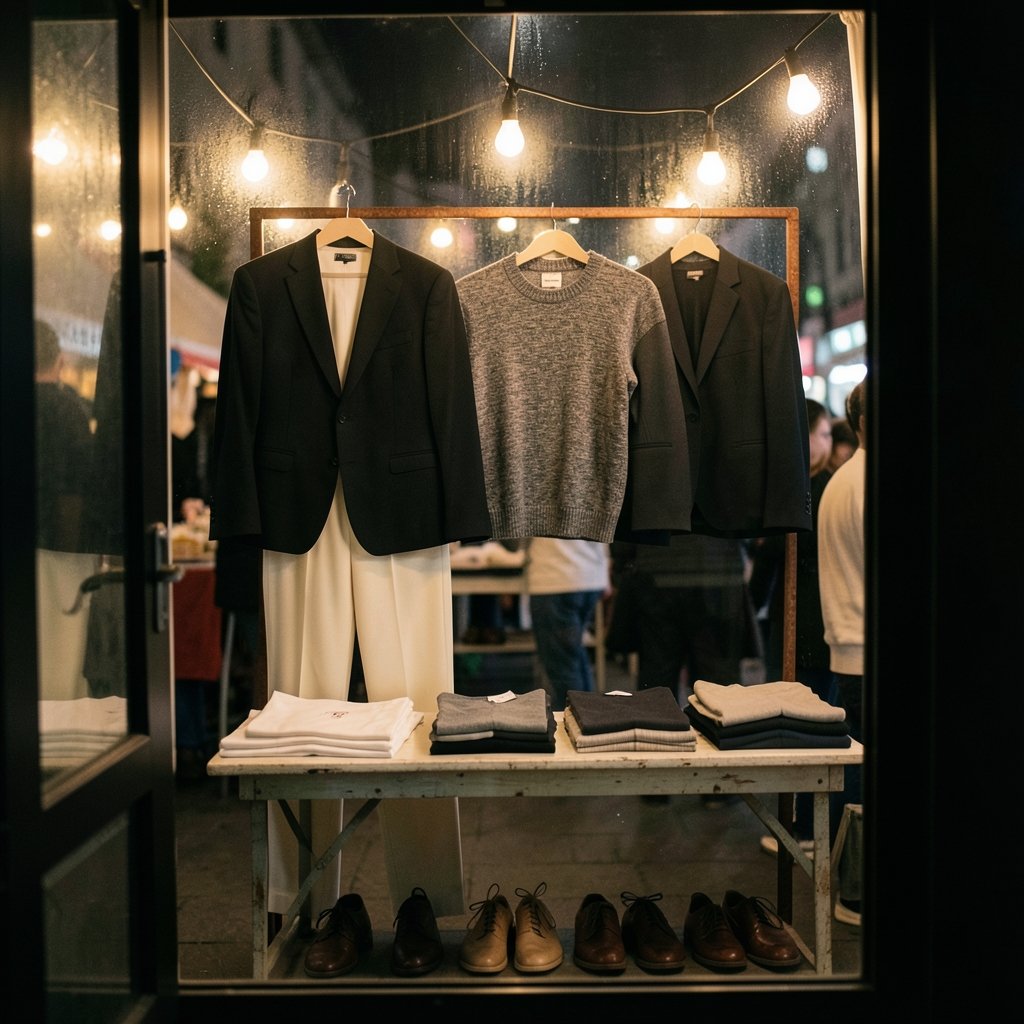
When Paloma Elsesser walked the Alexander McQueen runway, she wasn’t the first curve model on a luxury catwalk, but she was one of a handful who made the industry reconsider what a designer sample size could be. That single fact explains why her style matters far beyond the runway. Her wardrobe has become a reference point for anyone who wants to dress a body that doesn’t match the traditional fashion template, and for anyone who simply likes clothes with a point of view.
Who Paloma Elsesser Is and Why Her Style Matters
Elsesser is a London-born, New York-raised model who came to prominence through Rihanna’s Fenty Beauty launch campaign in 2017, according to widely reported accounts of her career. That campaign put her face in front of a global audience at a moment when beauty advertising rarely featured bodies like hers. From there she moved into high fashion: Alexander McQueen, Lanvin, and Jacquemus are among the houses she has walked for, and she has fronted campaigns for brands including Glossier and Nike.
Her influence isn’t only commercial. She has been a central figure in the size-inclusivity conversation, and she has also been one of its sharper critics, publicly questioning how quickly “body positivity” became a marketing slogan. That tension, between participating in fashion and pushing back on it, is exactly what makes her personal style worth studying. She dresses like someone who understands the rules well enough to break them on purpose.
For readers who follow how real-world style translates into trends, her approach sits alongside the kind of documentation you find in street style coverage from Milan Fashion Week, where the gap between runway and sidewalk is smallest. (Fashion)
The Core Elements of Paloma Elsesser’s Look
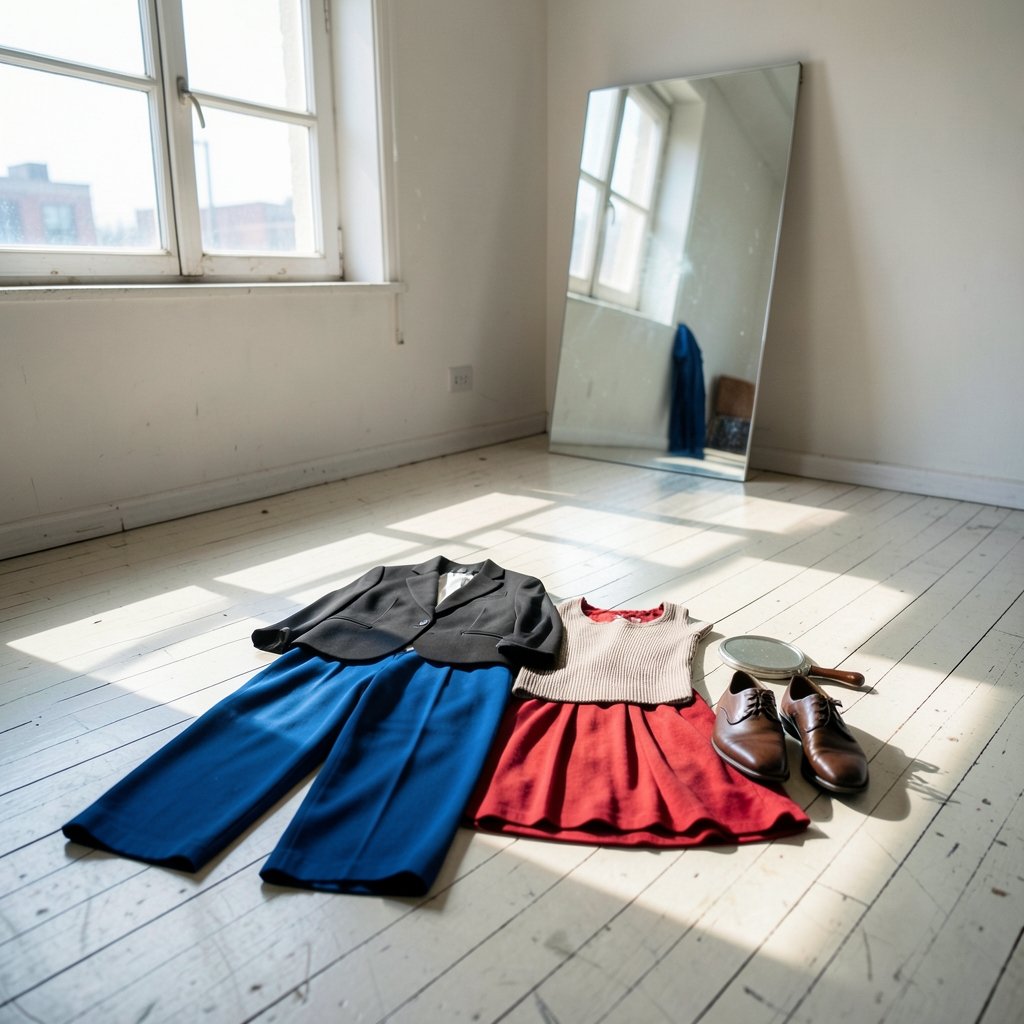
Strip away the brand names and a clear formula emerges. Her style is built on a handful of repeatable decisions rather than seasonal novelty.
Tailoring That Actually Fits
The single most consistent feature of her wardrobe is structure. Sharp shoulders, defined waistlines, and jackets that end exactly where they should. The lesson isn’t “wear suits.” It’s that a garment cut for your proportions reads as intentional, while a garment that merely covers you reads as compromise. When a blazer pulls across the back or a trouser hem pools, the whole outfit loses authority.
Deliberate Volume
Elsesser rarely does head-to-toe tight or head-to-toe loose. She pairs a voluminous trouser with a close-fitting knit, or a full skirt with a structured crop. This is the oldest trick in styling and still the most reliable: contrast creates shape. If you are working with a fuller figure, volume placed away from your widest point and anchored by something fitted elsewhere almost always photographs and feels better than uniform looseness.
Vintage and Downtown Ease
Press coverage has long described her look as a mix of minimal tailoring, vintage finds, and downtown New York ease. That combination is harder to buy than to build. Vintage pieces bring texture and history that new fast fashion can’t replicate, and they let her avoid looking like a walking campaign. The practical takeaway: one vintage or secondhand piece per outfit instantly makes a look feel personal.
Beauty as Part of the Outfit
Her beauty choices are as consistent as her clothing: glowing skin, strong brows, and hair that looks styled but not labored. If you are refining your own routine, the hair styles guide for choosing, styling, and maintaining a look that works covers the same principle she applies, which is that a repeatable signature beats constant reinvention.
A Practical Breakdown of Her Style Signatures
| Element | What It Looks Like | How to Replicate It |
|---|---|---|
| Tailoring | Sharp blazers, defined waists, clean shoulder lines | Get one jacket altered at the waist and sleeve; it changes everything |
| Contrast | Fitted top with wide trouser, or full skirt with cropped knit | Pick one voluminous piece per outfit and keep the rest close to the body |
| Texture | Leather, knit, satin, and vintage fabrics mixed | Combine two textures minimum; avoid matching sets in the same fabric |
| Footwear | Grounded shoes, often boots or chunky soles | Choose a shoe with visual weight to balance fuller silhouettes |
| Beauty | Glowing skin, defined brows, natural hair texture | Invest in skincare and brow shaping before color cosmetics |
That table is the whole method in miniature. Nothing on it requires a designer budget, and nothing on it is secret.
Lessons From Her Approach to Fit and Proportion
Most style advice for fuller bodies fails because it starts from concealment. Elsesser’s approach starts from construction. The distinction matters in practice.
First, fit the largest part and tailor the rest. Buy for your widest measurement, then have the garment taken in elsewhere. A tailor can narrow a waist or shorten a sleeve for a modest cost, and the result outperforms any off-the-rack piece that fits approximately.
Second, treat hemlines as proportion tools. A cropped jacket over a high-waist trouser changes your visual leg length more than any diet ever could. A midi skirt that hits at the narrowest part of the calf reads slimmer than one that stops at the widest point.
Third, stop shopping for “flattering.” This is the mistake almost everyone makes. Flattering is a euphemism for hiding, and hiding produces outfits with no point of view. Elsesser’s looks are legible from across a room because they are designed to be seen, not to disappear.
Fourth, build a uniform. Her public wardrobe repeats the same shapes in different fabrics. Repetition is not laziness; it is how personal style becomes recognizable. Pick three combinations that work and rotate them until they feel like yours.
For anyone working with waves or curls, the same logic applies to texture: identify what you actually have before you style it. A guide to identifying, caring for, and styling type 2 wavy hair follows exactly that sequence, and it mirrors how Elsesser treats her own hair as a fixed element rather than a daily experiment.
Common Mistakes People Make Copying Her Look
Copying a look from photographs is where most people go wrong, and the failures are predictable.
- Buying the exact piece instead of the exact proportion. A specific jacket from a specific season won’t fit you the way it fit her. Match the shoulder line and length relative to your own frame instead.
- Ignoring the shoe. Heavy tailoring with a delicate flat sandal collapses the silhouette. Ground the outfit.
- Over-accessorizing. Her looks are usually edited to one statement: a bag, a bold earring, or a strong shoe. Not all three.
- Skipping alterations. The difference between “wearing a blazer” and “wearing that blazer” is usually two centimeters at the waist.
- Chasing trends instead of shapes. Trends expire; shoulder lines and hem lengths don’t.
There is also a subtler error: assuming her confidence is the outfit. It isn’t. The outfit is engineered so that confidence has somewhere to land. Structure, contrast, and fit do the work before attitude enters the room.
What Her Style Says About the Fashion Industry
Elsesser’s career tracks a real shift in how fashion sells bodies. When she appeared in the Fenty Beauty campaign in 2017, plus-size representation in luxury advertising was rare enough to be newsworthy. Within a few years, curve models were appearing in campaigns and on covers for international editions of Vogue, though the pace of change has been uneven and frequently criticized as performative.
She has been part of that criticism herself, questioning whether body positivity has been reduced to a marketing tool rather than a structural change. That skepticism shows up in her clothes. She dresses with the polish the industry demands and the independence it rarely rewards, which is a more interesting position than straightforward celebration.
The broader point for readers is practical. Representation on a runway doesn’t automatically produce better clothing in stores. What changes your wardrobe is knowing your measurements, understanding proportion, and being willing to alter what you buy. Her style is a demonstration of that competence, not a substitute for it.
If you want to see how this plays out across a full season of real-world dressing, the Voozon fashion section on trends, style, and designers tracks the same conversation from runway to street.
Building Your Own Version of the Look
Start with an audit rather than a shopping list. Pull out everything you own that fits well at the shoulder and the waist, and set aside anything that requires you to stand a certain way to look right. What remains is your base.
From there, add in this order:
- One structured jacket in a neutral, altered to your waist.
- One wide-leg trouser in a fabric with weight, hemmed to your shoe.
- Two fitted knits that end at the hip bone.
- One vintage or secondhand statement piece, whether leather, knit, or print.
- One grounded shoe with visual mass.
That is five purchases, and they will produce more outfits than twenty trend-driven ones. Add texture as you go. A satin skirt with a chunky knit, or leather with cotton, keeps a small wardrobe from reading flat.
Hair and beauty deserve the same discipline. If your texture runs fluffy or frizz-prone, the fix is technique rather than products: a guide to what causes fluffy hair and how to style it covers the layering and drying steps that make the biggest difference. Small refinements like these are what separate a look that reads as styled from one that reads as assembled.
One more practical note: photograph yourself. Elsesser’s outfits are built to be seen from a distance, and a phone photo at arm’s length will tell you faster than a mirror whether the proportions are working. Most people discover their jacket is too long or their hem is wrong within thirty seconds of seeing a photo.
Conclusion
Paloma Elsesser’s style is less about any single garment than about a method: fit the body you have, contrast volume with structure, repeat what works, and refuse to dress for concealment. Her career, from the Fenty Beauty campaign in 2017 to luxury runways and international magazine covers, gave that method a public platform, but the method itself is available to anyone with a tailor’s phone number and a clear-eyed look in the mirror. The clothes are the visible part. The competence underneath them is the part worth copying.
Frequently Asked Questions
What defines Paloma Elsesser’s personal style?
Her style is defined by sharp tailoring, deliberate contrast between fitted and voluminous pieces, a mix of vintage and contemporary items, and grounded footwear. Press coverage has consistently described it as minimal tailoring combined with downtown New York ease. The through-line is structure: garments cut to her proportions rather than simply sized up.
What size is Paloma Elsesser?
She is widely described as a curve or plus-size model, and her career has been closely tied to size inclusivity in fashion. Specific measurements are not a matter of public record and are not relevant to replicating her style. What matters is the principle: buy for your largest measurement, then tailor the rest.
Did Paloma Elsesser walk for major luxury designers?
Yes. She has walked for houses including Alexander McQueen, Lanvin, and Jacquemus, and appeared in campaigns for brands such as Glossier and Nike. Exact seasons and campaign dates vary across secondary sources, so check primary interviews and brand releases for specifics.
How can I copy her look on a normal budget?
Focus on proportion rather than labels. Buy one structured jacket and have it altered at the waist, add a wide-leg trouser hemmed to your shoe, and pair them with fitted knits. Include one secondhand or vintage piece for texture. Five well-chosen items will outperform twenty trend purchases.
What is the biggest mistake people make when copying her style?
Buying the exact garment instead of the exact proportion. A specific designer jacket will not fit your frame the way it fit hers. Match the shoulder line, length, and waist position relative to your own body, then adjust with a tailor. Ignoring footwear is the second most common error.
Does her style work for smaller or straighter body types?
Yes. The underlying rules, contrast, structure, and repetition, are body-neutral. A straighter figure can use volume to create shape where tailoring alone won’t, and a smaller frame can use a cropped jacket and high waist to change visual leg length. The method transfers; only the alterations change.