
Model Off Duty Summer Outfits: 2026 Style Guide
 Abdul WadoodLast updated
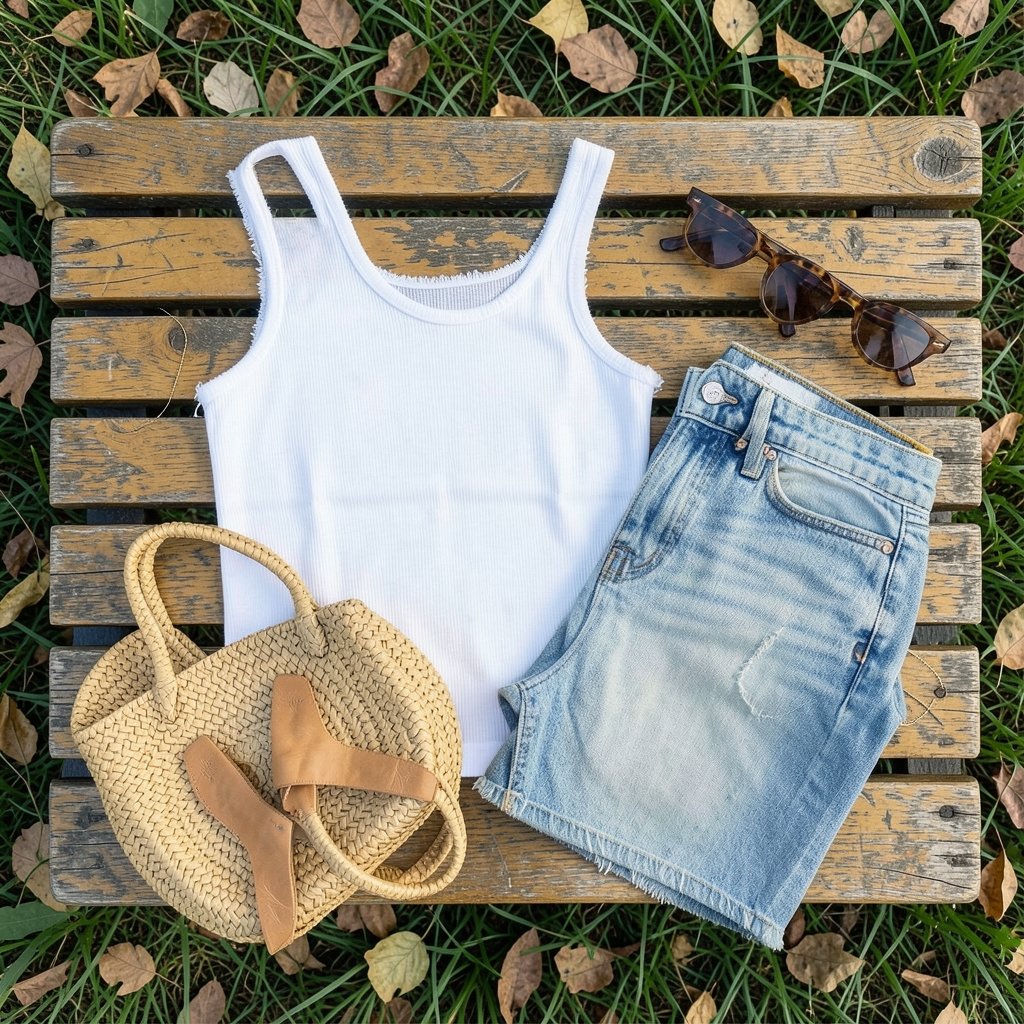
The most photographed women in fashion spend most of their summer dressed in a tank top, cutoffs, and flat sandals. That contrast is the whole point of the model off duty look: it borrows the ease of a weekend errand run and quietly signals that the wearer knows exactly what she is doing. Street-style photographers camp outside shows in New York, London, Milan, and Paris precisely because the walk from car to venue produces some of the season’s most copied outfits — and the summer version is the most imitated of all, because almost anyone can assemble it from clothes already in the closet.
What separates a genuinely good off-duty look from a plain T-shirt and shorts is not money. It is proportion, fabric weight, and a couple of deliberate decisions. This guide breaks down the formula, the pieces worth owning, the mistakes that flatten the look, and how to adapt it for heat, humidity, and real life.
Where the “Off Duty” Look Comes From
The phrase is fashion-press shorthand for what models wear between jobs, and it took hold through paparazzi and street-style photography in the 2000s and 2010s, when candid shots of models walking between castings became as widely consumed as runway images. The seasonal calendar that generates those photo opportunities is set by the organizing bodies of the four major fashion weeks — the CFDA for New York, the British Fashion Council for London, the Camera Nazionale della Moda Italiana for Milan, and the Fédération de la Haute Couture et de la Mode for Paris. Their published calendars are the most reliable source for exact dates each season. (Vogue Fashion)
The look itself is a study in restraint. Fashion history is full of elaborate dressing, and institutions like The Metropolitan Museum of Art’s Costume Institute document how formal and body-conscious clothing has cycled in and out of favor. Off-duty style went the other way: less construction, softer fabrics, fewer accessories. Its enduring appeal is that it looks unfinished on purpose.
The Core Formula: Three Pieces, One Idea
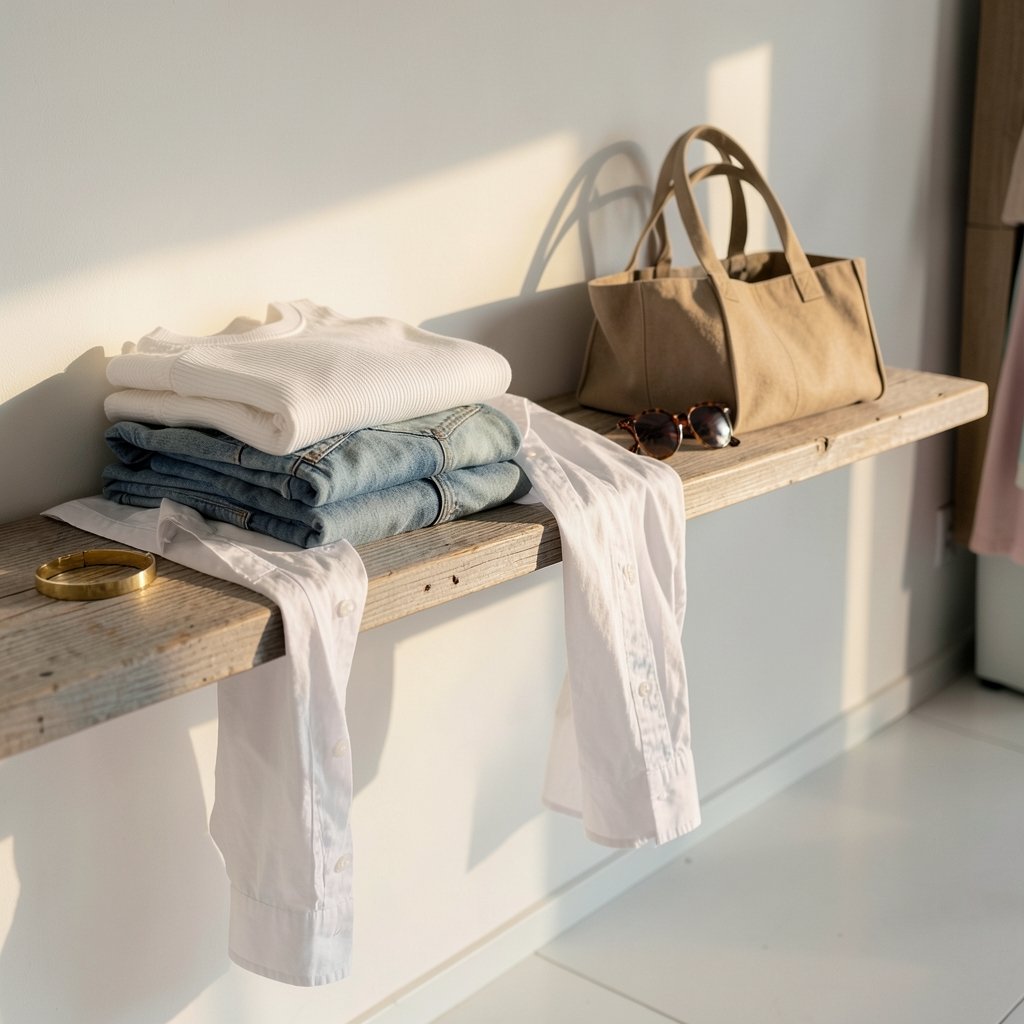
Almost every strong off-duty summer outfit can be reduced to the same skeleton:
- A simple base. A white tank, a fitted tee, or a slip dress. Nothing with a visible logo.
- A relaxed top layer or bottom. Denim cutoffs, wide-leg trousers, or an oversized button-down worn open.
- One deliberate accessory. Sunglasses, a structured tote, or a single piece of gold jewelry. Not all three at once.
The base does the work. The layer adds shape. The accessory gives the eye somewhere to land. When the outfit feels off, the culprit is usually that all three pieces are competing for attention.
White Tanks and Tees
A heavyweight white tank is the single most useful item in the category. “Heavyweight” matters: a thin, stretchy tank reads as underwear, while a dense cotton rib holds its shape and skims rather than clings. Look for a neckline that sits flat against the collarbone and a hem that hits at the top of the hip bone.
The same logic applies to T-shirts. A boxy tee in a mid-weight cotton jersey looks intentional; a tissue-thin one looks like sleepwear. If a tee is slightly too long, a simple front tuck fixes the proportion in seconds.
Denim Cutoffs and Wide-Leg Jeans
Cutoffs work best when the rise is high and the hem is a little frayed. A raw edge keeps the look casual; a perfectly clean hem can read as tailored shorts, which is a different outfit entirely.
Wide-leg jeans are the sleeper hit of summer off-duty dressing. In lightweight denim or a linen blend, they create airflow and a long line at the same time. The trade-off is length: a wide leg that pools on the ground will drag in the heat, so have them hemmed to just above the shoe.
Slip Dresses and Oversized Shirts
A bias-cut slip dress in satin or washed silk is the easiest one-piece version of the look. Worn alone with flat sandals it is evening-adjacent; layered over a white tee or under an oversized shirt it becomes daytime.
The oversized button-down deserves its own note. Worn open over a tank, it provides sun coverage without heat, and it is the piece most likely to make a plain outfit look styled. Cotton poplin or linen, sized up one or two from the wearer’s usual fit, sleeves rolled to the elbow.
Fabric and Fit: What Actually Works in Heat
Most off-duty outfits fail in the fabric, not the styling. A few practical rules:
| Fabric | Behavior in heat | Best use |
|---|---|---|
| Cotton poplin | Crisp, holds shape, light | Shirts, structured dresses |
| Linen | Breathes well, wrinkles fast | Trousers, overshirts |
| Cotton jersey (mid-weight) | Soft, opaque, holds fit | Tees, tanks |
| Washed silk or satin | Cool to the touch, shows creases | Slip dresses, skirts |
| Polyester blends | Traps heat, clings | Skip in high humidity |
A common mistake is buying linen and expecting it to look pressed. It will not, and that is fine — the rumpled texture is part of the appeal. The real error is choosing a linen so stiff it stands away from the body, which adds bulk instead of ease.
Fit matters just as much. Off-duty style is relaxed, not oversized everywhere. The reliable rule is to balance one loose piece against one fitted piece: wide trousers with a slim tank, or a boxy tee with straight-leg shorts. Two loose pieces at once can swallow a silhouette; two tight pieces lose the ease that defines the look.
Accessories Do the Heavy Lifting
The accessory layer is where most outfits are won or lost. A short list that covers nearly everything:
- Flat sandals. A simple leather slide or a two-strap sandal. Skip anything with a heel for daytime.
- Sneakers. Low-profile canvas or leather, kept clean. Chunky running shoes read as gym wear.
- Sunglasses. One strong shape — oval, rectangular, or a slim cat-eye. Dark lenses, thin frames.
- A tote or shoulder bag. Structured enough to hold its shape when set down. Slouchy totes photograph poorly.
- Minimal jewelry. A thin chain, small hoops, a single ring. Layered stacks can tip into costume.
The discipline here is subtraction. A look with one strong accessory reads as confident; a look with five reads as effort, which is the opposite of the goal. For anyone studying how working models actually assemble these combinations across editorials and campaigns, browsing a curated models directory with profiles and industry context is a faster education than scrolling street-style feeds, because you see the same faces in both highly styled and pared-back settings.
Common Mistakes That Flatten the Look
Practical experience with this style surfaces the same errors again and again.
Wearing the wrong underwear. A white tank over a colored bra is visible in daylight, and daylight is where this look lives. Nude seamless pieces solve it.
Over-accessorizing. The instinct when an outfit feels plain is to add. The better move is usually to change one piece — swap the shorts for trousers, or the tee for a tank — rather than pile on jewelry.
Ignoring the shoe-to-hem relationship. Cropped wide trousers with high-top sneakers chop the leg into segments. Either the trouser breaks over the shoe or the ankle is fully exposed. Half-measures look accidental.
Buying distressed denim that is distressed in the wrong places. A rip across the knee is fine; a rip that exposes the pocket lining is a repair job waiting to happen.
Treating the look as a uniform. Off-duty style is a formula, not a costume. The people who wear it best change one variable at a time — a different bag, a different shoe — rather than reproducing a photograph.
Adapting the Formula for Real Life
Not everyone is walking between castings, and the look translates well because its parts are ordinary.
For work. Swap cutoffs for wide-leg trousers and add a blazer over the tank. The base stays the same; the layer does the professional work.
For travel. A slip dress, an overshirt, and flat sandals pack into almost nothing and handle a range of temperatures. Add a light knit for air conditioning.
For heat waves. Linen trousers, a cotton tank, and a straw hat. Loose over loose works here specifically because airflow matters more than silhouette.
For evening. The same base with a silk skirt, a slightly dressier sandal, and one piece of jewelry. Nothing about the underlying formula changes.
Building the Capsule Without Overspending
A workable off-duty summer wardrobe is smaller than most people expect. Ten to twelve pieces cover nearly every combination:
- Two white tanks (one rib, one smooth)
- Two tees (one white, one striped or neutral)
- One oversized cotton or linen shirt
- One pair of denim cutoffs
- One pair of wide-leg trousers
- One slip dress
- One pair of flat sandals
- One pair of low-profile sneakers
- One tote
- One pair of sunglasses
That list produces well over thirty distinct outfits, which is the quiet argument for the whole approach: it is not about having more, it is about having pieces that combine. Quality matters more than quantity here, because a heavyweight tank that survives fifty washes outperforms three cheap ones that pill by August.
The styling industry has built an entire visual language around this idea. Portfolios and agency profiles show how models are photographed in both high-production and low-key settings, and the difference is instructive: the same person, the same posture, entirely different clothing budgets. Browsing professional model profiles and fashion industry resources makes that contrast visible, and it reinforces the central point — the look is a set of decisions, not a price tag. (Fashion collections)
Conclusion
Model off duty summer style endures because it asks very little and delivers a lot. A dense white tank, a pair of high-rise cutoffs, flat sandals, and one good pair of sunglasses will out-perform almost any more complicated outfit in July heat. The formula is deliberately plain, which means the details carry the weight: fabric weight, the balance of one loose piece against one fitted one, and the discipline to stop accessorizing one item earlier than feels natural.
Start with the base layer and get it right before adding anything. Buy fewer pieces in better fabrics. Resist the urge to style an outfit into submission. The women who make this look seem effortless are not doing less — they are doing a small number of things precisely, and then leaving the house.
Frequently Asked Questions
What exactly does “model off duty” mean?
It refers to the casual street style models wear between jobs, as opposed to runway or editorial clothing. The term became common in fashion media during the 2000s and 2010s, when candid photography of models walking between castings and shows became widely published.
What pieces make up a summer off-duty outfit?
A heavyweight white tank or tee, high-rise denim cutoffs or wide-leg trousers, flat sandals or low-profile sneakers, one structured bag, and a single pair of sunglasses. An oversized cotton or linen shirt is the most useful optional addition because it adds coverage without heat.
How do I stop the look from seeming boring?
Change one variable rather than adding accessories. Swap shorts for wide-leg trousers, trade the tee for a slip dress, or introduce a different shoe. Proportion shifts read as styling; extra jewelry usually reads as effort.
Is the look expensive to put together?
No. The pieces are ordinary wardrobe staples, and the effect depends on fit and fabric weight rather than branding. A dense cotton tank and well-hemmed trousers will outperform expensive pieces in thin fabrics. Buying fewer items in better materials is the more reliable strategy.
What fabrics should I avoid in high heat?
Heavy polyester blends trap heat and cling, which undermines the relaxed silhouette. Prioritize cotton poplin, linen, mid-weight cotton jersey, and washed silk or satin. Expect linen to wrinkle — the texture is part of the look, not a flaw.
Can I wear this style to work?
Yes, with one substitution. Keep the tank or tee as the base, replace shorts with wide-leg trousers, and add a blazer or structured overshirt. The underlying formula stays intact; the outer layer carries the professional signal.