
Gisele Bündchen Style: The Off-Duty Model Look in 2026
 Abdul WadoodLast updated
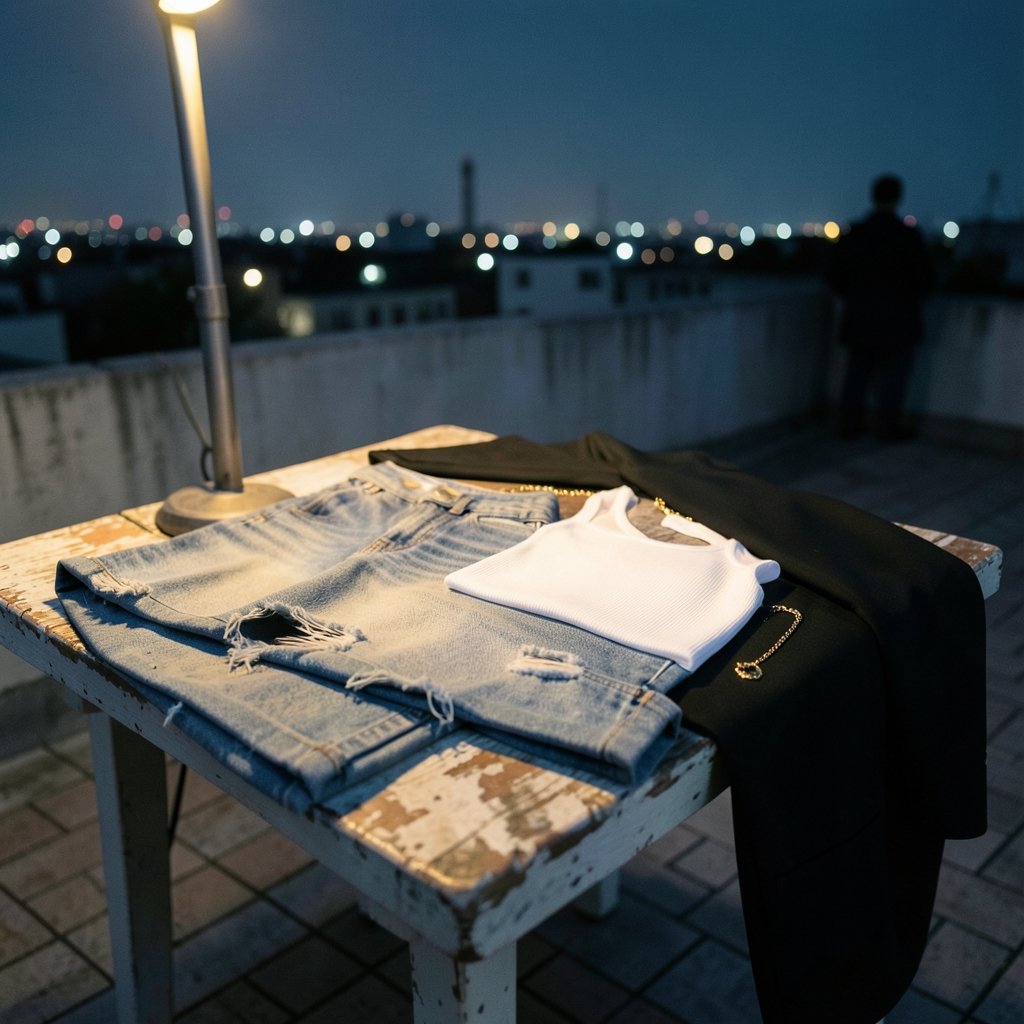
At the height of her runway career, Gisele Bündchen reportedly earned a spot among the highest-paid models in the world, and the fashion press crowned her the last of the true “supermodels” for good reason. But ask most people what they remember about her, and it isn’t a specific runway walk. It’s the uniform: ripped denim, a plain tank, a tailored blazer, and almost no jewelry. That off-duty formula has outlasted nearly every trend cycle since the early 2000s, which makes it one of the most quietly influential personal styles in modern fashion.
The Off-Duty Model Aesthetic, Defined
Bündchen’s style is best understood as “off-duty model” minimalism — a look built on denim, neutral tones, tailored blazers, and minimal jewelry, frequently contrasted with her high-glamour red-carpet appearances. The concept matters because it flipped the usual celebrity logic. Instead of dressing to be photographed, she dressed as if the cameras were an inconvenience.
The core pieces rarely change:
| Category | What She Wears | What She Avoids |
|---|---|---|
| Tops | Fitted tanks, plain tees, crisp white shirts | Logos, graphic prints, busy patterns |
| Bottoms | Slim and straight-leg denim, tailored trousers | Heavy distressing beyond the knee, low-rise extremes |
| Outerwear | Structured blazers, leather jackets, long coats | Oversized puffer trends, statement sleeves |
| Footwear | Ankle boots, flat sandals, clean sneakers | Platform heels, embellished styles |
| Accessories | Delicate chains, simple rings, one great bag | Layered statement jewelry, stacked bangles |
The result reads as effortless, but it is anything but accidental. Every piece is fitted, every palette is restrained, and the silhouette stays close to the body. That consistency is the whole trick.
Why the Formula Works So Well
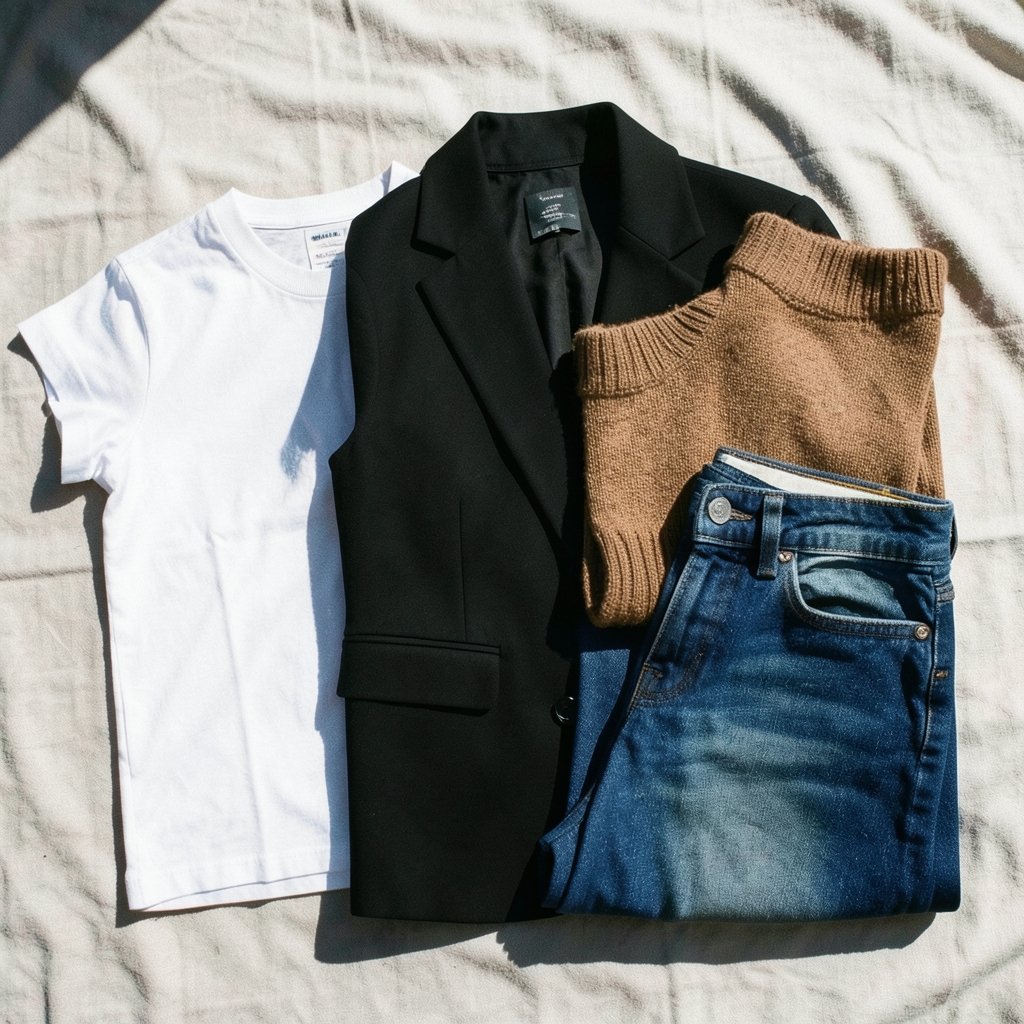
There’s a practical reason this look has legs. A capsule of neutral, well-fitted basics mixes without friction — any top works with any bottom, so getting dressed takes seconds. Fashion editors have long noted that the most photographed people tend to own fewer, better pieces rather than fuller, trendier closets.
The second reason is contrast. Bündchen spent years in couture and commercial campaigns for major houses, and the visual gap between a feathered red-carpet gown and a plain white tee the next morning made both register more strongly. The casual look became a signature because it sat next to the glamour, not in spite of it.
Third, the palette does the heavy lifting. Earth tones, denim blues, black, white, and camel flatter almost every skin tone and photograph cleanly in any light. If you’ve ever wondered why your own outfit photos look muddled while a model’s look sharp, color discipline is usually the answer. The same principle shows up across the Voozon fashion coverage, where restrained palettes consistently read as more expensive than loud ones.
Building the Look: A Practical Sequence
If you want to replicate the aesthetic rather than buy a costume version of it, work in this order.
- Audit your denim first. The look lives or dies on fit. Straight-leg and slim cuts in a mid-to-dark wash do the most work; save the distressed pair for weekends.
- Buy three plain tops that actually fit. A white tee, a black tank, and a grey crew-neck. Check the shoulder seam sits on your shoulder, not below it.
- Add one structured blazer. Single-breasted, hitting at the hip, in black, navy, or camel. This is the piece that turns jeans and a tee into an outfit.
- Choose two pairs of shoes and stop. Ankle boots and flat sandals cover nearly every warm-weather scenario; swap in clean sneakers for travel days.
- Cut the accessories by half. One delicate necklace, one ring, one bag. Then remove one more thing.
- Keep hair simple and healthy. The look depends on grooming more than product. If your hair tends to frizz or pouf, the practical fixes in this guide to fluffy hair matter more than any styling tool.
That last point is underrated. A minimalist outfit with unkempt hair reads as sloppy; the same outfit with smooth, deliberate hair reads as expensive. The overall hair styles guide is a useful companion here, because the cut and texture you maintain daily shape the whole silhouette.
Common Mistakes People Make
The most frequent error is buying the ingredients without the fit. A plain white tee from a fast-fashion rack and a plain white tee cut to sit properly on the shoulders look like different garments in photographs. Fit is the entire difference between “model off duty” and “ran to the shop.”
The second mistake is over-accessorizing. People see a simple outfit and instinctively add a hat, a stack of bracelets, and a statement bag to make it “interesting.” That instinct defeats the purpose. The look is interesting because it’s quiet.
The third is chasing distressing. Heavy rips, bleach splashes, and exaggerated washes date fast. A single subtle distressed pair is plenty.
Fourth, and most common: ignoring proportions. Bündchen’s outfits almost always pair a fitted top with a slightly looser bottom, or the reverse. Wearing oversized on both halves swallows the frame. If you’re experimenting with volume, this is the same balance principle that shows up in street style at Milan Fashion Week, where the strongest looks pair one relaxed piece with one sharp one. (Gisele Bündchen Style)
Hair and Grooming as Part of the Style
Bündchen’s hair has cycled through long layers, a polished blowout, and natural waves, but the through-line is texture that looks lived in rather than styled. For readers with wavy or type 2 hair, the mechanics of getting that look are specific: waves need moisture, a light hold product, and zero brushing once dry. This breakdown of 2c hair explains how to identify and care for that pattern, and the broader guide to wavy hair types covers the styling routine in more depth.
A useful rule of thumb: if you can see the product, you’ve used too much. The goal is hair that moves and holds shape without crunch.
The Red-Carpet Counterweight
It would be misleading to describe Bündchen as a minimalist, full stop. Her evening wear runs the other way entirely — dramatic trains, high slits, strong shoulders, and bold metallic or jewel tones. The two modes work as a system. Because her daytime wardrobe is so restrained, an evening gown lands with maximum impact.
That’s a transferable lesson for anyone building a wardrobe. Decide which half of your life gets the drama. If your workweek is neutral and tailored, your weekend and evening pieces can go bold without looking chaotic. If your daily style is already loud, adding more noise on special occasions flattens the effect.
What Actually Translates to Real Life
Not everything about a supermodel’s style is portable. Professional styling, tailoring on demand, and a photographer following you around are not available to most people. But three elements genuinely transfer.
Tailoring. A twenty-dollar alteration on a blazer does more than a hundred dollars spent on a new one. Take your jeans and jackets to a tailor once and note the measurements.
Fabric over branding. Plain cotton, linen, wool, and good denim hold their shape and photograph well. Logos date; fabric doesn’t.
Restraint as a habit. The hardest part isn’t buying the clothes — it’s leaving the house without adding a fourth accessory. Practice it.
There’s also a sustainability angle worth noting. A capsule wardrobe of neutral basics gets worn hundreds of times, which is the single most effective thing an individual can do to reduce clothing waste. Bündchen has been publicly associated with environmental advocacy, and the style philosophy aligns with that message even where the specifics of her commercial partnerships need separate verification.
How the Look Fits Into 2026 Trends
The current fashion cycle has swung back toward quiet, wearable clothing after years of maximalism, which means the off-duty model formula is unusually relevant right now. The key is updating it without breaking it. Swap skinny denim for a straight leg. Trade the structured tote for a softer shoulder bag. Keep the palette. Keep the fit. Skip the trends that fight the silhouette.
Readers tracking the wider seasonal shift can follow the street style Milan Fashion Week coverage for outfit-level detail, and the spelling and terminology questions that come up around everyday style writing are covered in this piece on hair cut vs haircut.
Conclusion
Gisele Bündchen’s style endures because it isn’t really about fashion at all. It’s about fit, restraint, and repetition — three things anyone can control without a stylist or a designer budget. The formula is almost boring on paper: good denim, plain tops, one structured jacket, minimal accessories, healthy hair. Worn consistently, it reads as confident. That’s the whole mechanism. Start with your denim, get one blazer tailored, and resist the urge to add a fourth accessory. The look will do the rest.
Frequently Asked Questions
What defines Gisele Bündchen’s personal style?
Her off-duty style is built on denim, neutral tones, tailored blazers, and minimal jewelry — a look fashion media consistently describes as “off-duty model” minimalism. It contrasts sharply with her dramatic red-carpet gowns, and that contrast is central to why the casual look registers so strongly.
What are the key wardrobe pieces for this look?
Five pieces cover most of it: straight or slim dark-wash denim, a fitted white tee, a black tank, a structured single-breasted blazer, and ankle boots. Add flat sandals and one simple bag and you have a complete rotation. The palette should stay in black, white, camel, grey, and denim blue.
Why does the minimalist look fail for so many people?
Almost always because of fit and over-accessorizing. A plain outfit only works when the shoulders, waist, and hem sit correctly, which usually means a trip to a tailor. Adding a hat, stacked bracelets, and a statement bag to compensate for poor fit makes the outfit busier without making it better.
How should I style my hair to match this aesthetic?
Aim for texture that looks lived in rather than heavily styled. Wavy and type 2 hair benefits from moisture, a light-hold product, and no brushing once dry. If your hair tends to frizz, use a smoothing serum on damp hair and let it air dry rather than fighting it with heat.
Is this style still relevant in 2026?
Yes — the fashion cycle has moved back toward quiet, wearable clothing, which suits the formula well. Update it by choosing a straight leg over a skinny one and a softer bag over a rigid tote, but keep the neutral palette and close fit. Avoid trends that fight the silhouette.
Can I build this wardrobe on a budget?
Yes. Buy fewer pieces and spend the savings on alterations. Plain cotton, linen, and wool in neutral colors look expensive regardless of price tag, while logos and synthetic sheen date quickly. A capsule of ten to fifteen well-fitted basics will out-perform a closet twice its size.
The FAQ above covers the essentials, but one question deserves a longer answer: how to tell whether a piece is worth keeping. Judge it against three tests — does it fit without pinning or tugging, does it work with at least three other items you own, and would it look right in a photograph taken in flat daylight? A garment that fails any of these tends to sit unworn. Applying that filter ruthlessly is what keeps the wardrobe small and the outfits consistent. The style only looks effortless because the editing happened earlier, in the closet rather than in front of the mirror.