
Christy Turlington Style: Master Minimalist Dressing
 Abdul WadoodLast updated
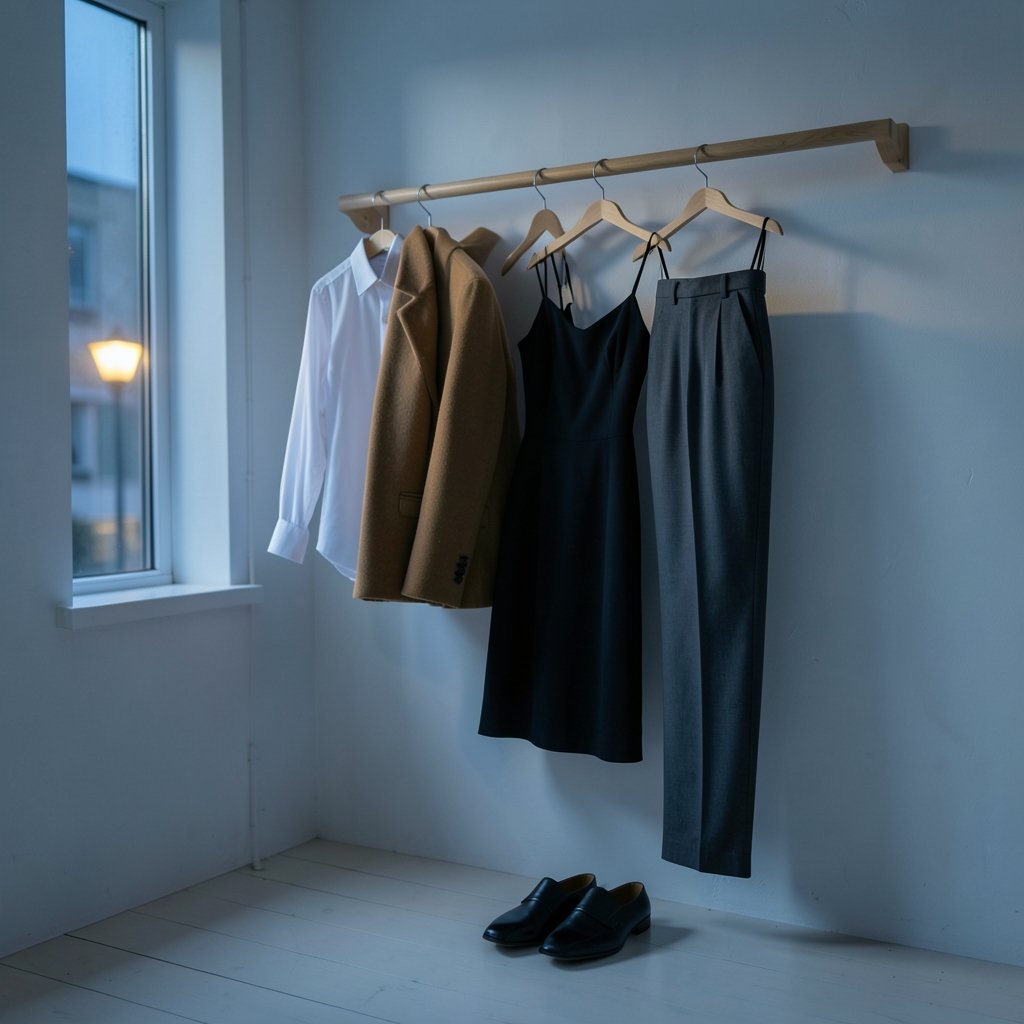
When Calvin Klein launched its Eternity fragrance in 1988, the face of the campaign was a nineteen-year-old American model named Christy Turlington. More than three decades later, that partnership still shapes how people talk about her style: clean, calm, and almost aggressively understated. In an era when supermodels were building louder, flashier public images, Turlington became the one who dressed like she had nothing to prove.
That contrast is the key to understanding her look. Her style is not about statement pieces or trend-chasing. It is about fit, fabric, and restraint, plus a quiet confidence that makes a plain white shirt and tailored trousers feel like a complete outfit. For anyone trying to build a wardrobe that lasts longer than a season, her approach offers a genuinely useful template.
The Foundations of the Christy Turlington Look
Turlington rose to fame in the late 1980s and early 1990s as part of the group of models often called the “Big Five,” alongside Naomi Campbell, Linda Evangelista, Tatjana Patitz, and Cindy Crawford. Each had a distinct visual identity. Campbell brought glamour and movement, Evangelista brought transformation, Crawford brought athletic warmth. Turlington’s identity was harder to pin down, and that was precisely the point. (Christy Turlington)
Her look rests on a handful of consistent choices:
- Neutral color palettes. Black, white, cream, camel, navy, and grey dominate. Color appears sparingly, if at all.
- Tailored but never tight. Jackets, trousers, and coats follow the body without gripping it.
- Minimal makeup. Skin-forward beauty with defined brows and little visible color.
- Natural, unfussy hair. Often worn long and loose, or pulled back simply.
- Few accessories. A watch, small earrings, a structured bag. Nothing competing for attention.
The overall effect is what fashion writers sometimes call quiet luxury, though Turlington was doing it decades before the term became a marketing label. Her clothes never announce themselves first. She does.
Why Minimalism Suits Her So Well

There is a practical reason this aesthetic works so consistently: it flatters almost any setting. A neutral, well-cut wardrobe moves from a daytime meeting to an evening event without a costume change. Turlington’s public appearances reflect that flexibility. She can wear a slip dress to a gala and a blazer with jeans to a conference, and both look intentional.
This is a lesson many people learn the hard way. The most common mistake in minimalist dressing is assuming that “simple” means “easy.” It does not. A plain white shirt only looks elegant if the shoulders sit correctly and the fabric holds its shape after washing. A camel coat only looks expensive if the cut is right. Minimalism removes the distractions that hide poor fit, which means the fit has to be excellent.
In practice, that means prioritizing a few things over everything else:
- Get the shoulders right. Almost nothing else can be fixed cheaply if the shoulder line is wrong.
- Choose fabric with weight. Thin, clingy materials read as cheap even when they are not.
- Buy fewer, better pieces. A single well-made blazer outperforms five mediocre ones.
- Stick to a tight palette. It makes mixing and matching almost automatic.
- Tailor everything. A small alteration budget transforms off-the-rack clothing.
That last point matters more than most shoppers realize. Turlington’s clothes look effortless because they fit her precisely, and precise fit is usually the result of alterations, not luck.
The Calvin Klein Connection
No discussion of her style is complete without Calvin Klein. The brand’s aesthetic in the late 1980s and 1990s, built on neutral tones, clean lines, and understated American sportswear, matched her personal presentation so closely that the two became difficult to separate. The Eternity campaign in particular cemented an image of pared-back elegance that still circulates in fashion archives today.
What makes the partnership instructive is how little it depended on novelty. The clothes were not theatrical. They were well-cut basics presented with confidence. That formula has been copied endlessly since, and it remains the backbone of many minimalist brands. If you want to study her style systematically, looking at how those campaigns were styled, with minimal jewelry, natural hair, and soft makeup, teaches more than any single outfit photo.
For a broader look at how runway aesthetics translate into everyday dressing, the street style coverage from Milan Fashion Week offers a useful contrast: maximalist street fashion versus Turlington’s restraint. Seeing both side by side makes the logic of minimalism clearer.
Hair and Beauty: The Other Half of the Equation
Clothes are only part of the story. Turlington’s beauty signature, strong brows, healthy skin, and long, natural hair, does as much work as her wardrobe. Her hair has shifted over the years between long and loose, a simple low ponytail, and a soft shoulder-length cut, but it has rarely been heavily styled or dramatically colored.
That consistency is worth copying. If you have wavy or textured hair, understanding your pattern makes daily styling far easier. A guide to wavy hair types can help you identify what you are actually working with, while a breakdown of 2c hair is useful if your waves are defined but prone to frizz. Those with finer, fluffier textures will find practical fixes in this guide to fluffy hair, and anyone confused by terminology should note that even hair cut versus haircut sparks debate, though the styling implications are what actually matter.
The broader principle is simple: pick a low-maintenance routine that suits your natural texture and stick with it. Turlington’s hair always looks like her hair, not a stylist’s project. That authenticity is a large part of why the look has aged so well.
Dressing for Real Life and the Red Carpet
One of the more underrated aspects of Turlington’s style is how well it handles ordinary days. As the founder of Every Mother Counts, the maternal health nonprofit she established in 2010, she spends much of her public life in working contexts: panels, advocacy events, field visits. Her wardrobe adapted accordingly, leaning toward relaxed tailoring, flat shoes, and practical layers.
This is where her approach becomes genuinely useful for most people. A wardrobe built on neutral tailoring and simple knits works for school runs, office days, and evening events with only minor adjustments. The trick is layering rather than switching outfits entirely.
| Setting | Turlington-Inspired Approach | What to Avoid |
|---|---|---|
| Work meeting | Navy blazer, white shirt, straight trousers | Loud prints, oversized logos |
| Casual weekend | Cashmere knit, dark jeans, flat loafers | Head-to-toe trends |
| Evening event | Simple slip dress, minimal jewelry | Heavy embellishment |
| Travel | Camel coat, knit layers, comfortable shoes | Stiff, high-maintenance fabrics |
The travel row deserves emphasis. Minimalist wardrobes travel exceptionally well because every piece coordinates with every other piece. Pack three neutral tops, two pairs of trousers, one blazer, and one coat, and you have more combinations than a week requires.
Common Mistakes People Make When Copying This Look
Attempting minimalist style without understanding its mechanics usually produces one of a few predictable failures.
Mistake one: confusing minimalism with boring. A neutral outfit still needs contrast, whether through texture, proportion, or a single strong element like a well-cut coat. All-beige everything in identical fabrics looks flat, not refined.
Mistake two: ignoring grooming. When clothes are simple, hair, skin, and posture carry more visual weight. This is not about heavy makeup. It is about looking deliberate rather than unfinished.
Mistake three: buying cheap basics repeatedly. Replacing thin white shirts every few months costs more over time than buying one good one. Fabric quality is visible in exactly the way minimalism exposes.
Mistake four: skipping alterations. A blazer that fits at the shoulders but is slightly long in the sleeve is a ten-minute fix, not a reason to buy a different jacket.
Mistake five: over-accessorizing. The instinct to “add interest” often undermines the whole point. One considered piece beats five competing ones.
Anyone building a wardrobe from scratch will find a structured approach helpful; this hair styles guide applies the same logic to grooming that minimalist dressing applies to clothing: choose what works, then maintain it consistently.
The Legacy: Why Her Style Still Gets Referenced
Turlington’s influence shows up less in direct imitation and more in the general shift toward understated, quality-focused dressing. The resurgence of tailored coats, plain knitwear, and skin-forward beauty all trace back to the aesthetic she embodied in the early 1990s. Fashion cycles return to minimalism regularly because it is functional, and she remains one of its clearest reference points.
There is also a durability argument. Trends age quickly; restraint does not. Photographs of her from thirty years ago look current in a way that many louder looks from the same period do not. That is the strongest practical case for the approach: it is aesthetically coherent and economically sensible.
For readers interested in how this plays out across different aesthetics, the Voozon fashion section covers everything from runway trends to everyday styling, and the Milan Fashion Week street style edition shows how the same minimalist principles get reinterpreted season after season.
Conclusion
Christy Turlington’s style endures because it is built on decisions that do not expire: good fit, restrained color, quality fabric, and grooming that enhances rather than disguises. It requires more discipline than it appears to, since there is nowhere to hide a poor cut or a cheap material. But the payoff is a wardrobe that works across contexts, ages gracefully, and never looks dated in photographs. Start with one well-tailored neutral blazer, build outward from there, and resist the urge to add more than the outfit needs. That is the whole method, and it has worked for her for over three decades.
Frequently Asked Questions
What defines Christy Turlington’s style?
Her style is defined by minimalism: neutral colors, tailored but comfortable fits, minimal makeup, natural hair, and very few accessories. The overall effect is understated and polished rather than flashy.
Did Christy Turlington work with Calvin Klein?
Yes. She became closely associated with Calvin Klein, most notably as the face of the Eternity fragrance launched in 1988. The brand’s clean, neutral American sportswear aesthetic aligned closely with her personal presentation.
How can I build a wardrobe inspired by her look?
Start with a tight neutral palette of black, white, cream, camel, and navy. Invest in well-cut basics like a blazer, straight trousers, and quality knitwear. Prioritize fabric weight and fit, and budget for alterations. Keep accessories minimal.
What are the most common mistakes when copying minimalist style?
The biggest mistakes are confusing minimalism with boring, ignoring grooming, repeatedly buying cheap basics, skipping alterations, and over-accessorizing. Minimalism exposes poor fit and thin fabric, so quality control matters more, not less.
Why does minimalist style stay in fashion?
Because it is functional. Neutral, well-tailored clothing works across settings and seasons, coordinates easily, and does not date in photographs the way trend-driven pieces do. It is both aesthetically coherent and economically sensible.
What is Every Mother Counts?
Every Mother Counts is the maternal health nonprofit Christy Turlington founded in 2010. Her public style has leaned toward relaxed, practical tailoring as her work shifted toward advocacy and field-based work.
The through-line across all of it is consistency. She found a formula early, refined it slowly, and never abandoned it for novelty. That is harder than it sounds in an industry built on constant reinvention, and it is precisely why her look reads as personal rather than performed. Copy the principles, not the exact garments, and adjust them to your own proportions, climate, and daily demands. The result will not be a costume of someone else’s style but a quieter, more durable version of your own.