
Anok Yai Style: Mastering High-Fashion Minimalism
 Abdul WadoodLast updated
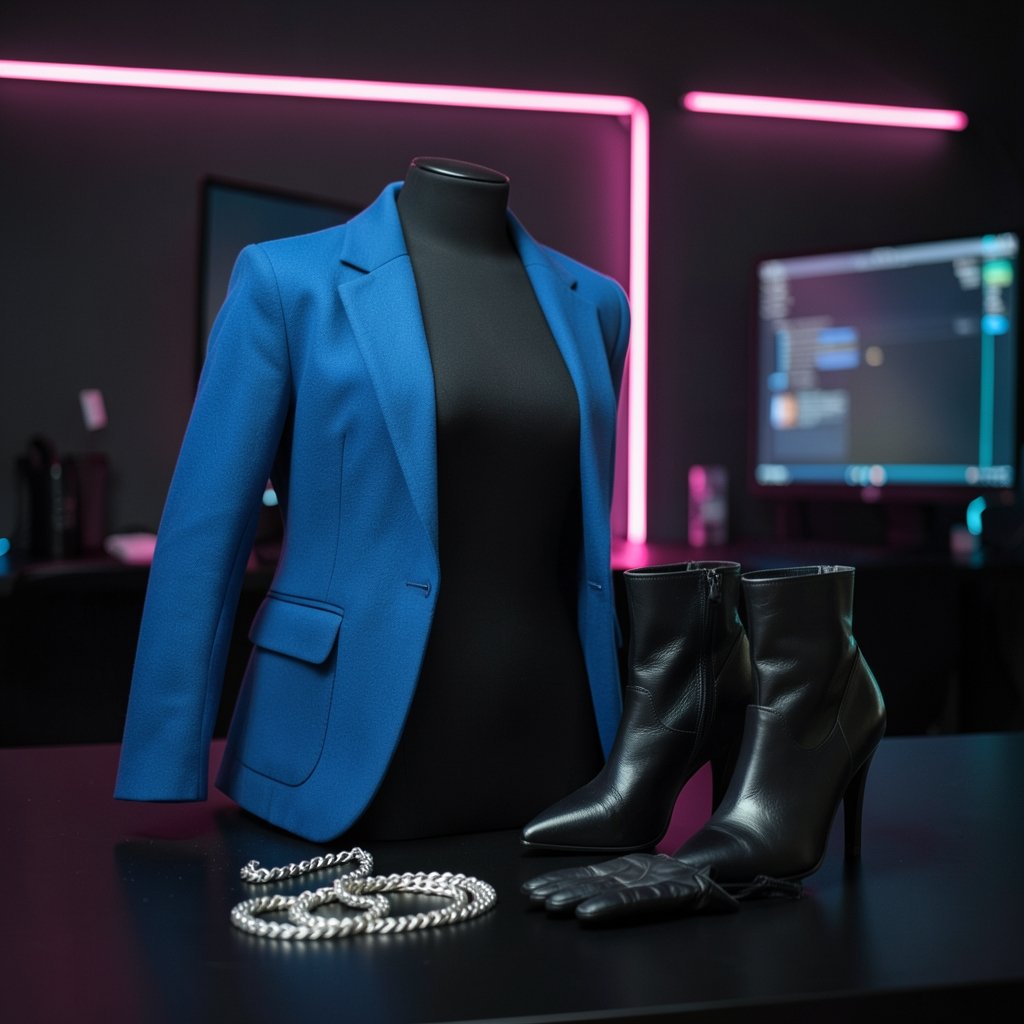
In October 2017, a single photograph taken outside Howard University’s homecoming celebration changed the course of fashion history. The subject was Anok Yai, a then-unknown 19-year-old student, captured by photographer Steve Hall. Within hours, the image went viral, and within months, Yai was walking for Prada — becoming the first Black model to open a Prada show since Naomi Campbell in 1997. That meteoric rise is remarkable on its own, but what makes Yai’s story truly compelling is the distinct aesthetic she has cultivated: a striking blend of architectural minimalism, sculptural elegance, and unapologetic confidence that has redefined what modern high-fashion style looks like.
From Campus to Catwalk: The Making of a Style Icon
Anok Yai was born in Cairo, Egypt, in 1998 to South Sudanese parents, and her family eventually relocated to Manchester, New Hampshire, where she grew up. Before fashion found her, she was studying biochemistry at Howard University — a detail that adds a fascinating layer to her public persona. She wasn’t groomed for the runway; she was a student with an extraordinary face and an innate sense of presence.
That viral photograph didn’t just launch a career; it introduced the world to a specific kind of beauty — one rooted in striking bone structure, deep-set eyes, and a regal bearing that photographers immediately recognized as something special. The fashion industry took notice quickly, and Yai’s trajectory from viral subject to runway regular became one of the most talked-about stories in modeling.
Her rise coincided with a wider discussion about diversity in high fashion. Yai’s presence on major runways — for houses including Prada, Chanel, Versace, and Saint Laurent — became part of a larger cultural shift toward representation. But her influence extends beyond symbolism. Her style, both on and off the runway, has become a reference point for people interested in minimal, assertive dressing.
The Runway Aesthetic: Sculptural and Uncompromising
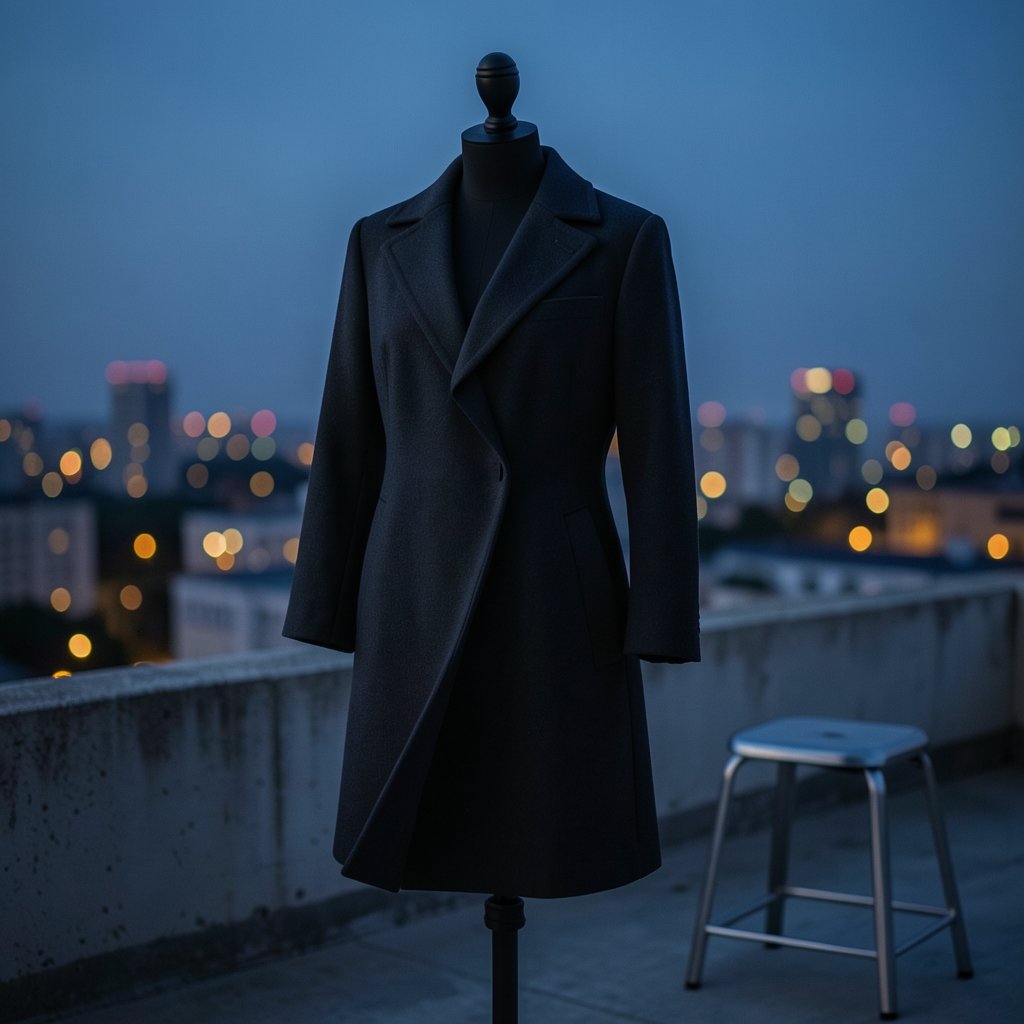
On the catwalk, Yai’s style is defined by its precision. Designers cast her because she can carry architectural garments — structured shoulders, dramatic volume, sharp tailoring — without being overwhelmed by them. Her walk is poised and deliberate, and her ability to embody a designer’s vision while maintaining her own distinctive presence is rare.
What sets her runway style apart is its restraint. Yai doesn’t rely on theatrics or exaggerated expressions. Instead, she lets the clothing speak while her posture and gaze add an intangible gravity. This quality has made her a favorite for shows that demand a certain severity and elegance — the kind of casting where the model becomes a living sculpture.
Her editorial work follows a similar philosophy. In magazine spreads, Yai is often styled with slicked-back hair, bare or dewy skin, and bold, minimal makeup — a beauty direction that emphasizes her features rather than masking them. The result is imagery that feels both modern and timeless, where the focus stays on form, light, and the interplay between garment and body.
Off-Duty Style: Tailored Minimalism Done Right
If her runway work is about precision, Yai’s off-duty style is about effortless control. Fashion press has consistently characterized her street style as tailored minimalism — monochrome looks, long coats, sharp suiting, and understated accessories — rather than logomania or trend-chasing. This is a woman who understands that true style often lies in what you don’t wear.
Her approach offers practical lessons for anyone looking to build a more refined wardrobe. Here’s what actually works when translating her off-duty aesthetic into real life:
- Invest in structure. Long coats, blazers with clean lines, and well-cut trousers form the backbone of the look. Fit matters more than brand.
- Stick to a tight color palette. Monochrome dressing — all black, all cream, all camel — creates instant cohesion and looks expensive without effort.
- Choose one focal point. A single standout piece (a sculptural coat, a bold boot) carries more impact than several competing statements.
- Keep accessories quiet. Minimal jewelry, simple bags, and clean footwear let the silhouette do the talking.
- Prioritize grooming. Sleek hair and healthy skin are part of the outfit. Yai’s signature center-part and slicked-back styles are low-effort, high-impact choices anyone can replicate.
A common mistake people make when attempting this aesthetic is confusing “minimal” with “boring.” Yai’s looks are never flat because she pays attention to texture — the contrast between a matte wool coat and a satin slip, or the weight of a leather boot against fluid tailoring. That textural awareness is what separates a genuinely chic outfit from a plain one.
For those building a wardrobe around this philosophy, resources like Voozon’s hair styles guide for choosing, styling, and maintaining a look that works can help you match grooming to the overall aesthetic. Sleek, controlled hair is arguably as important to the Yai look as the clothing itself.
Beauty and Red Carpet: Sleek Hair, Strong Silhouettes
On red carpets and at events such as the Met Gala, Yai’s beauty and fashion choices follow a consistent thread: sleek hair, sculptural gowns, and a less-is-more makeup philosophy. She frequently wears her hair in a sharp center part or pulled back entirely, which draws attention to her bone structure and keeps the focus on the garment.
This approach is a masterclass in strategic restraint. Rather than competing with a dramatic dress through elaborate hair and heavy makeup, Yai balances the equation: if the gown is voluminous, the hair is sleek; if the dress is minimal, the beauty can carry more weight. It’s a principle worth stealing for any formal occasion.
Getting that slicked-back look right in practice takes more technique than it appears. The most common errors are using too much product (which creates flaking), skipping the blow-dry step (which leaves frizz), and not securing flyaways properly. A strong-hold gel applied to damp hair, followed by a fine-tooth comb and a light mist of setting spray, produces the kind of polished finish seen on red carpets. If your hair has natural texture or volume, a guide to wavy hair care and styling for type 2 strands can help you work with your pattern rather than fighting it — because a slicked style on wavy hair needs a different prep routine than on straight hair.
The Street Style Factor: Milan and Beyond
Yai’s street style has become its own genre of fashion coverage. During fashion weeks — particularly in Milan — her arrivals are photographed as closely as the shows themselves. The street style scene at Milan Fashion Week has become a showcase for exactly the kind of tailored, monochrome dressing Yai favors, and her appearances consistently rank among the most documented looks of the season. (Fashion collections)
What makes her street style so influential is its wearability. Unlike runway looks that exist in a fantasy realm, Yai’s off-duty outfits translate directly to real life: a long coat over slim trousers, a simple knit with a statement bag, a monochrome suit worn without a shirt. These are outfits you could assemble from a considered wardrobe, and that accessibility is precisely why her style resonates with a broad audience.
Cultural Significance: More Than a Pretty Face
Anok Yai’s impact extends well beyond aesthetics. Her career is frequently cited in discussions about diversity in high fashion and the visibility of South Sudanese models in the industry. The “first since Naomi Campbell” narrative around her Prada opening became a talking point about how slowly the fashion industry had moved on representation — and how much a single casting decision can signal.
It’s worth noting that these characterizations come largely from fashion press and cultural commentary rather than from Yai herself, who has generally let her work speak for her. That reticence is part of her appeal: she is a model in the classical sense, someone whose power lies in transformation and presence rather than in constant self-promotion.
Her influence can also be seen in the wider aesthetic conversation. The “clean girl” and “quiet luxury” movements that dominated fashion discourse in recent years share DNA with the kind of minimal, tailored dressing Yai has practiced since her earliest appearances. She didn’t invent minimalism, but she embodies a particular version of it — one that feels forceful rather than plain, and deliberate rather than trend-driven.
How to Adapt the Anok Yai Style to Your Own Wardrobe
Translating a supermodel’s aesthetic into everyday life requires some honest self-assessment. Not everyone has Yai’s height or bone structure, and that’s fine — the principles of her style are what matter, not a literal copy.
Start with fit. Tailored minimalism collapses the moment clothing doesn’t fit properly, so a good tailor is a better investment than another jacket. Next, audit your palette: if your closet is a riot of competing colors, pick three neutrals and build around them for a season. Finally, pay attention to the finishing details — pressed clothing, clean shoes, controlled hair. These small signals do more for a minimal look than any single purchase.
For those experimenting with texture and volume in their hair as part of a polished look, understanding why hair gets fluffy and how to style it intentionally can be genuinely useful, especially when working toward the sleek finishes Yai favors. And if you’re refining the finer points of grooming vocabulary — the difference between a cut and a style, for instance — this breakdown of hair cut versus haircut and what the terms actually mean is a surprisingly practical read.
A Style Built on Confidence
What ultimately defines Anok Yai’s style is not a garment, a designer, or a trend. It’s confidence expressed through restraint. She wears clothes rather than being worn by them, and her choices — on the runway, on the street, and on the red carpet — consistently reflect a clear point of view: that elegance comes from precision, that power comes from presence, and that the most memorable looks are often the quietest ones.
For anyone looking to sharpen their own style, her approach offers a durable template. Build around structure and fit. Keep your palette disciplined. Let grooming and posture do half the work. And above all, wear the outfit with the kind of composure that makes people look twice — not because you’re shouting, but because you’re certain.
Frequently Asked Questions
What is Anok Yai known for?
Anok Yai is a South Sudanese-American fashion model known for being photographed at Howard University’s homecoming in 2017, an image that went viral and launched her career. She is widely recognized for opening Prada’s Fall/Winter 2018 show — reportedly the first Black model to do so since Naomi Campbell in 1997 — and for her work with major fashion houses including Chanel, Versace, and Saint Laurent.
What defines Anok Yai’s personal style?
Her style is best described as tailored minimalism with a sculptural edge. On the runway, she carries architectural garments with precision. Off-duty, she favors monochrome looks, long coats, sharp suiting, and understated accessories. Her beauty choices — sleek center-part or slicked-back hair, dewy skin, minimal makeup — reinforce the same restrained, elegant aesthetic.
How can I get the Anok Yai look on a budget?
Focus on fit and structure rather than labels. Invest in a well-tailored coat and trousers, build a tight neutral color palette, and keep accessories minimal. A good tailor can transform affordable pieces into sharp, minimal outfits. Grooming matters too: a sleek hairstyle and clean, simple makeup complete the look more effectively than expensive accessories.
Why did Anok Yai’s viral photo matter so much?
The 2017 photograph, taken by Steve Hall outside Howard University’s homecoming, resonated because it captured a striking, unmanufactured beauty in an everyday setting. Its virality demonstrated the power of social media to disrupt traditional industry scouting and helped accelerate a conversation about representation in high fashion.
Does Anok Yai’s style influence current fashion trends?
Yes, indirectly. The minimal, tailored, monochrome dressing she favors overlaps significantly with the “quiet luxury” and “clean girl” aesthetics that have dominated fashion discourse in recent years. Her street style during fashion weeks, particularly in Milan, is closely documented and frequently cited as a reference for understated, high-impact dressing.
What hair and makeup techniques match the Anok Yai aesthetic?
The signature is sleek, controlled hair — a sharp center part or a fully slicked-back style achieved with strong-hold gel on damp hair, a fine-tooth comb, and setting spray. Makeup stays minimal: even, dewy skin, groomed brows, and either a bare lip or a single bold statement. The goal is to emphasize bone structure and let the clothing take center stage.