
Best Camping Gear Checklist for a Stress-Free Trip
 Abdul WadoodLast updated
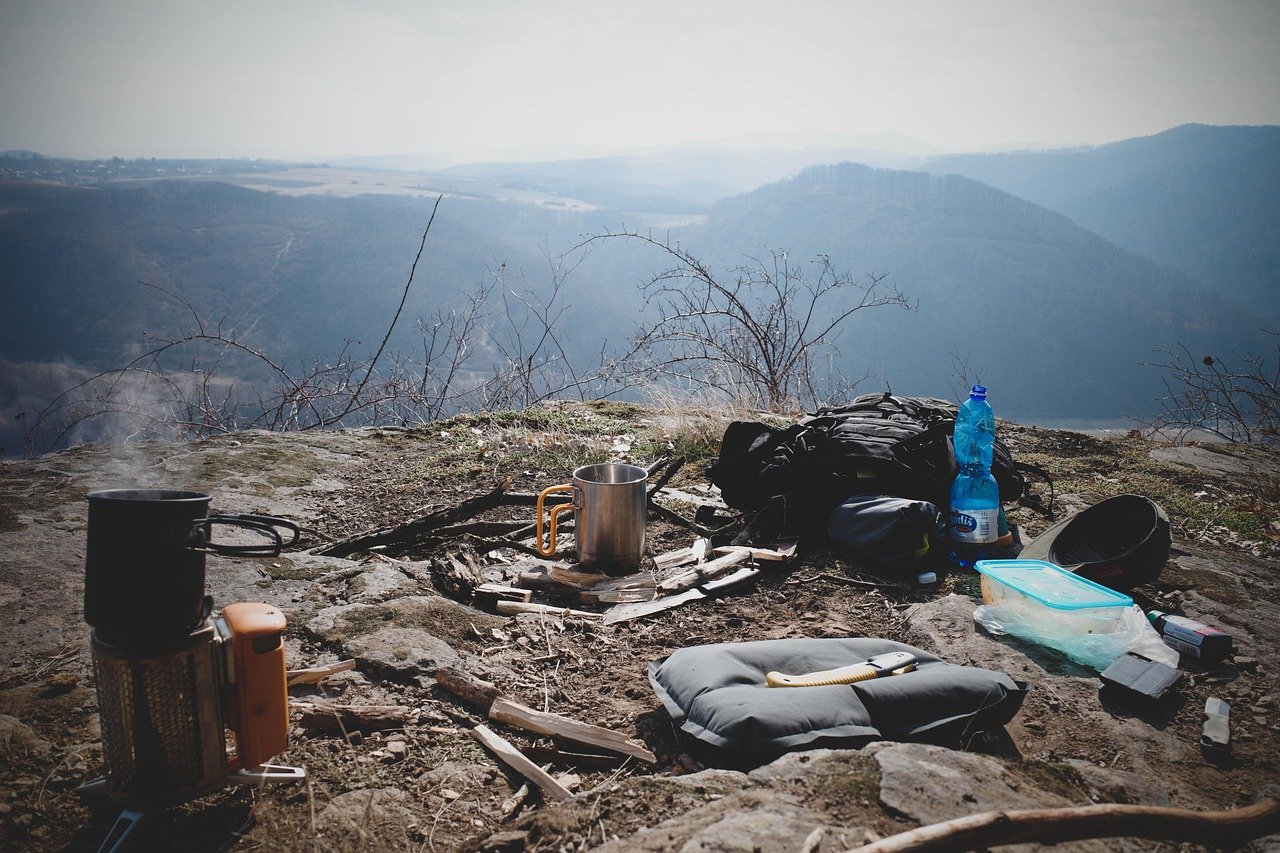
What would happen if you arrived at your campsite at dusk and realized you forgot the stakes for your tent? Or the matches? Or, worse, the entire food bag you spent an hour packing?
Almost every camper has a version of that story, and it usually ends with a headlamp-lit drive to the nearest gas station. A good camping gear checklist exists to prevent those moments. Not the generic list you find on a scrap of paper in a drawer, but a real, working system that adapts to how you camp, where you camp, and what the forecast says.
This guide breaks down what actually belongs on a camping gear checklist, why some items matter more than others, and how to build a list you will still trust five trips from now.
Why Most Camping Checklists Fail
Most packing lists fail for one of two reasons. Either they are too long, so people skim them and skip items, or they are too vague. “Cookware” does not remind anyone to bring a can opener, and “sleep gear” does not tell a first-timer that a sleeping pad matters as much as the bag.
The other problem is context. A checklist built for a summer car-camping weekend in a state park will leave you dangerously underprepared on a cold-weather backpacking trip. The gear does not change as much as the emphasis does.
A useful checklist has three layers:
- A core kit that goes on every trip, no matter what.
- Conditional add-ons based on weather, terrain, and trip length.
- A pre-departure check that catches the small stuff people forget.
Build the list once, then edit it after every trip. The best checklists are living documents, not laminated rules.
Start With the Ten Essentials, Then Adapt

The most widely used packing framework in outdoor recreation is the Ten Essentials, first published by The Mountaineers in the 1930s and revised many times since. The list covers navigation, sun protection, insulation, illumination, first-aid supplies, fire-starting, repair tools, nutrition, hydration, and emergency shelter. You can read more about the history and current version of the Ten Essentials through the organization that created it.
Here is the important nuance: the Ten Essentials are a risk-management baseline, not a camping-specific packing list. They were designed for backcountry travel, where self-rescue is the only option. For a car-camping weekend with a cooler and a picnic table, shelter and cooking gear are the core items, and the essentials matter mostly as a safety backstop.
Treat the framework as the floor, not the ceiling. Every camping checklist should include it, and every camping checklist should go well beyond it.
The Core Camping Gear Checklist
The table below is a practical master list. Not every item applies to every trip, but this is the pool you draw from.
| Category | Items to Pack | Notes |
|---|---|---|
| Shelter | Tent, footprint, stakes, guylines, mallet, repair tape | Match the tent to real conditions, not brochure photos |
| Sleep system | Sleeping bag or quilt, sleeping pad, pillow, liner | Pad insulation matters as much as bag rating |
| Kitchen | Stove, fuel, lighter, cookset, utensils, can opener, wash kit | Test the stove before you leave home |
| Food and water | Meals, snacks, water containers, filter or tablets | Plan one extra meal per trip |
| Clothing | Base layers, insulation, rain shell, spare socks, camp shoes | Avoid cotton in cold, wet weather |
| Lighting | Headlamp, spare batteries, lantern | Two light sources minimum |
| Navigation | Map, compass or GPS app, printed directions | Download maps before you lose signal |
| Safety | First-aid kit, fire starter, whistle, repair kit | Know how to use everything in the kit |
| Comfort | Camp chair, table, tarp, rope, trash bags | Small luxuries keep morale high |
| Personal | Sunscreen, insect repellent, toiletries, medications, towel | Pack a dedicated toiletry bag |
Two items on that list deserve extra attention because they are the most commonly under-packed. The first is the sleeping pad. A bag keeps you warm from above; the pad keeps you warm from below, and cold ground pulls heat out of a body fast. The second is spare socks. Wet feet ruin trips faster than almost anything else.
For a deeper look at which big-ticket items deserve your budget, this guide to camping gear that actually earns its place in your pack is worth reading before you shop.
Shelter: Get the Tent Decision Right First
Everything else in the checklist is easier once shelter is settled. A tent that is too heavy gets left in the car. A tent that is too light for the conditions turns a windy night into a miserable one.
Three questions decide the choice:
- How many people and how much gear? A two-person tent fits two adults who like each other and almost nothing else.
- What weather will it face? Wind, rain, and condensation are the real tests, not looks.
- How far from the car? Weight matters only if you carry it.
If you are still deciding, this breakdown of how to choose a camping tent for real-world conditions covers the trade-offs in detail.
Do not forget the small parts. Stakes, guylines, and a footprint are cheap, light, and the difference between a taut tent and a flapping one. Pack a few feet of duct tape or a repair patch too.
Sleep System: Where Most Cold Nights Go Wrong
The sleep system is a set of three parts: bag or quilt, pad, and something under your head. Each one fails in a different way.
A sleeping bag’s temperature rating assumes you are wearing a base layer and lying on a pad with a decent R-value, which measures resistance to heat loss. A bag rated for freezing temperatures on a bare tent floor will feel cold. Conversely, a warm pad can extend the comfort range of a modest bag.
Practical tips that experienced campers learn the hard way:
- Store the bag loosely, never compressed, between trips.
- Do a test setup at home before the first trip of the season.
- Bring a liner in shoulder seasons; it adds warmth and keeps the bag cleaner.
- Skip the inflatable pillow if weight matters and stuff a jacket into a sack instead.
Hammock campers have a different equation entirely, since under-insulation matters more than top insulation. Anyone going that route should read up on camping hammocks that actually sleep well before committing.
Kitchen and Water: The Gear That Keeps People Fed
Camp cooking fails for boring reasons: no fuel, no lighter, no can opener, no way to clean up. The fix is a small, dedicated kitchen kit that lives in one bin and gets restocked after every trip.
The stove decision drives everything else. Fuel type, altitude, and cold weather all affect performance, and a stove that boils water quickly at sea level can struggle in freezing temperatures. This guide to choosing the right camping stove for fuel, weight, and weather explains the differences. If weight and packability are the priority, the best backpacking stoves for 2026 covers the lighter end of the market. (Camping)
Two safety points that are not optional:
- Never use a stove, grill, or charcoal inside a tent, vehicle, or any enclosed space. These devices produce carbon monoxide, an odorless gas that has killed campers who were simply trying to stay warm. The U.S. Consumer Product Safety Commission publishes warnings on this exact hazard.
- Treat water from natural sources unless a sign says otherwise. Filters, tablets, and boiling all work; choose one and know how to use it before you need it.
For food, keep perishables cold and plan meals that survive a cooler for two days. Pack one extra meal per trip. Weather delays happen, and a spare dinner beats a hungry drive home.
Clothing and Weather: Pack for the Night, Not the Afternoon
The most common packing mistake is dressing for the daytime forecast. Overnight temperatures routinely fall far below afternoon highs, and the National Weather Service recommends checking overnight lows and carrying a way to receive alerts when camping away from cell service. (National Park Service: Camping)
A workable clothing strategy:
- Base layer that wicks moisture.
- Insulating layer for the evening.
- Rain shell that blocks wind and water.
- Spare socks and a dry hat, bagged separately.
Avoid cotton in cold, wet conditions. It holds water and stops insulating. Synthetics and wool dry faster and stay warmer.
Bug protection belongs here too. The CDC’s tick prevention guidance covers repellents, clothing treatment, and how to check for and remove ticks, which matters at almost every campsite in the country.
Site Rules, Leave No Trace, and the Pre-Departure Check
Gear lists get all the attention, but site rules can override them. Fire bans, bear-canister requirements, and reservation systems vary by park and by season. Always check the specific site’s page before packing a campfire kit you will not be allowed to use.
Leave No Trace principles, developed with the Leave No Trace Center for Outdoor Ethics and promoted by the U.S. Forest Service, ask campers to pack out all trash and food waste and to camp well away from water, trails, and other visitors where rules allow. That usually means bringing more bags than you think you need.
Then run a final check before the car starts:
- Tent, stakes, and footprint accounted for
- Stove, fuel, and lighter in the same bin
- Headlamp working, spare batteries packed
- First-aid kit stocked and not expired
- Water containers full or a filter packed
- Weather forecast checked for the full trip, including nights
Ten minutes at the kitchen table prevents most of the trips people remember for the wrong reasons.
Conclusion
A great camping gear checklist is not a long list. It is a short list you trust, built around shelter, sleep, food, water, and safety, then adjusted for the weather and the place. Start with the Ten Essentials as your safety floor, add the comfort items that keep morale high, and edit the list after every trip based on what you actually used and what you missed.
The campers who look effortlessly prepared are not carrying more gear. They are carrying the right gear, packed the same way every time, checked before they leave. Build that system once, and the only surprises left will be the good ones.
Frequently Asked Questions
What is the most important item on a camping gear checklist?
Shelter and sleep insulation are the two that matter most, because a cold or wet night is the fastest way to end a trip early. A tested tent, a sleeping pad with adequate R-value, and a bag rated for the overnight low form the foundation. Everything else can usually be improvised or borrowed.
How many items should a camping checklist have?
There is no magic number, but most practical lists land between 30 and 60 items depending on trip type. The goal is completeness, not length. A car camper with a cooler needs a different list than a backpacker counting ounces.
Should I use a different checklist for car camping and backpacking?
Yes. The categories stay the same, but the emphasis shifts. Car camping allows heavier shelters, chairs, and full cooksets. Backpacking demands lighter gear, fewer redundancies, and stricter attention to the Ten Essentials, since help is farther away.
What do people most often forget to pack?
The small, unglamorous items: stakes, a lighter or matches, a can opener, spare batteries, trash bags, and a towel. These rarely appear on memory-based packing and almost always appear on a written list. Keep a dedicated bin for them so they never get left behind.
How do I keep food safe at a campsite?
Keep perishables cold, store food in sealed containers, and never leave food or scented items in a tent. In areas with bears or other wildlife, follow the site’s specific storage rules, which may require a hard-sided container or a hung bag. Pack out all food waste rather than burying it.
How often should I update my camping gear checklist?
After every trip. Note what you used, what you never touched, and what you wished you had. Two or three honest revisions turn a generic list into a personal one that fits how you actually camp.