
Best Camping Hammocks 2026: Sleep Well in the Wild
 Abdul WadoodLast updated

What if the most comfortable night of your next camping trip happens not on the ground, but suspended between two trees? That question is why so many backpackers, bikepackers, and car campers have traded their tents for a hammock. But walk into any gear shop and you will see a wall of nylon that looks nearly identical, with prices from $20 to $400. The differences are real, and they matter far more than most buyers expect.
This guide breaks down what separates a good camping hammock from a bad one, which styles suit which trips, and the mistakes that turn a dreamy hang into a cold, saggy night.
What “Best” Actually Means for a Camping Hammock
There is no single best hammock, because camping hammocks are not one product category. A gather-end hammock (often called a Brazilian or netless hammock) is a simple fabric body that wraps around you. A bridge hammock uses spreader bars to hold the fabric flat, which some side sleepers prefer. An asymmetric camping hammock adds a bug net, a structural ridge line, and a cut that lets you lie on a diagonal. (Hammock)
Each design solves a different problem. A $30 netless hammock is brilliant for lounging at a car campsite and miserable for a cold, buggy night in the backcountry. A $250 integrated system with a net and tarp is overkill for a sunny afternoon in the park.
So before comparing models, ask three questions:
- Will you sleep in it overnight, or just rest in it?
- Are you carrying it on your back, or throwing it in a trunk?
- Do you camp in bug season and rain, or in dry, mild weather?
The answers narrow the field fast.
The Anatomy of a Camping Hammock
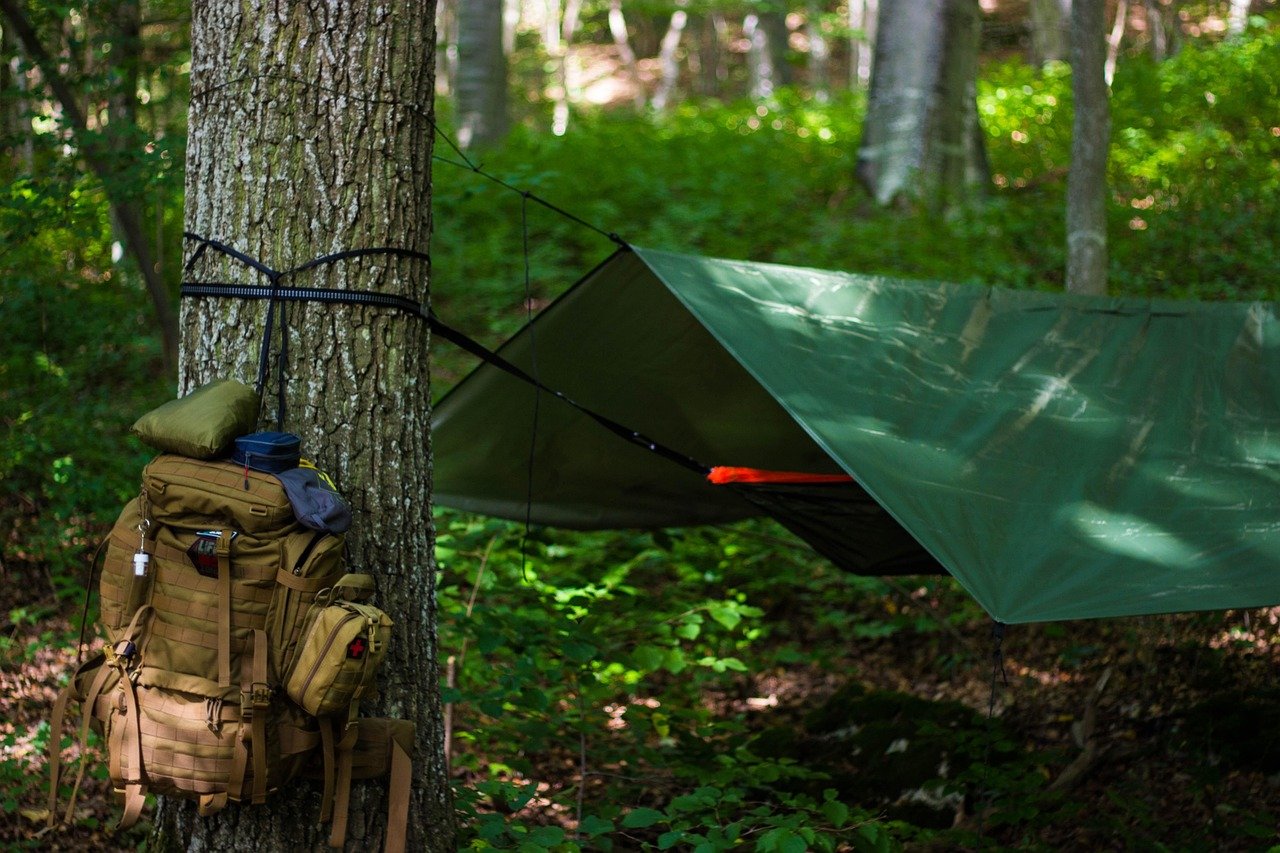
Understanding the parts helps you judge value. Most camping hammocks share the same basic build:
| Component | What It Does | Why It Matters |
|---|---|---|
| Hammock body | The fabric you lie in | Determines comfort, weight, and durability |
| Suspension | Straps, whoopie slings, or ropes that attach to trees | Affects setup speed and tree safety |
| Tree straps | Wide webbing that wraps the trunk | Protects bark; often required by land managers |
| Structural ridge line | A cord running above the hammock | Sets a consistent, comfortable sag every time |
| Bug net | Mesh enclosure | Essential in mosquito and tick country |
| Tarp | Rain cover above the hammock | Turns a fair-weather bed into a shelter |
Two details deserve extra attention. First, fabric weight and type. Most camping hammocks use ripstop nylon, often in 40-denier or 70-denier weights. Lighter fabric saves grams but wears faster and stretches more under a heavy sleeper. Second, suspension width. Wide tree straps spread load across bark and reduce damage. Many public land managers specify a minimum strap width, commonly one inch (about 2.5 cm), and rules vary by park and district, so check the specific area’s regulations before you hang.
The 30-Degree Rule and Other Setup Realities
The most repeated piece of hammock advice is to hang your suspension at roughly 30 degrees from horizontal. This convention, popularized by Derek Hansen’s book The Ultimate Hang: Hammock Camping Illustrated, balances comfort and load on the trees. It is a rule of thumb, not an industry standard, and it works because a shallower hang puts enormous tension on anchors while a steeper one leaves you folded like a taco.
In practice, most beginners make the same three mistakes:
- Hanging too tight. A taut hammock feels stable but sleeps badly. Aim for a gentle banana curve, not a drum skin.
- Lying along the centerline. In a gathered-end hammock, lie on a slight diagonal. This flattens your body and reduces the calf squeeze that ruins sleep.
- Skipping the insulation. This is the big one, covered below.
Setup speed also separates good systems from fussy ones. A hammock with a structural ridge line and a simple strap-and-buckle suspension goes up in about two minutes. A system with tangled ropes and no ridge line can take ten, usually in the rain.
Insulation: The Purchase Nobody Warns You About
Here is the fact that surprises nearly every new hammock camper: the hammock itself provides almost no warmth underneath you. When you lie in a sleeping bag, your body weight compresses the insulation beneath you, and compressed insulation loses its loft and its ability to trap heat. On the ground, a sleeping pad solves this. In the air, cold flows freely beneath the fabric.
The standard solution is an underquilt, a quilt that hangs beneath the hammock and traps warmth without being compressed. A top quilt or sleeping bag handles the top. Some campers use an inflatable pad inside the hammock instead, which works but tends to slide and can feel bulky.
Budget for insulation from the start. A hammock rated for comfort at 20°F is really a hammock plus an underquilt rated for 20°F. Buyers who skip this step often report the coldest night of their camping lives, even in mild weather, because air moves under the hammock all night.
Matching Hammock Style to Trip Type
Different trips call for genuinely different gear. Here is how the main styles compare.
| Style | Best For | Typical Strengths | Typical Trade-offs |
|---|---|---|---|
| Netless gather-end | Car camping, lounging, warm dry trips | Light, cheap, simple | No bug protection, no rain cover |
| Integrated asymmetric with net | Backpacking in bug season | Flat lay, built-in net, ridge line | Heavier, higher price |
| Bridge hammock | Side sleepers, flat-lay fans | Flat sleeping surface, less shoulder squeeze | Spreader bars add weight and complexity |
| Double-wide gathered-end | Couples, tall sleepers, comfort seekers | Roomy, lets you lie diagonally | Bulkier, needs bigger trees spacing |
| Ultralight backpacking setup | Long-distance hikers | Minimal weight | Higher cost, less durability |
A useful rule: the more nights per year you plan to sleep in it, the more you should invest in an integrated system with a net, ridge line, and quality suspension. Occasional loungers can spend far less and be perfectly happy.
Weight Ratings: What Manufacturers Claim and What They Don’t
Almost every camping hammock lists a weight limit, often 250 to 500 pounds. Treat these as manufacturer claims, not independent certifications. Camping hammocks generally are not covered by a mandatory safety certification comparable to climbing gear standards, so there is no third-party body verifying that a 400-pound rating holds up over years of use. (Camping)
That does not make the numbers meaningless. It means you should:
- Buy from brands with a track record and clear specifications.
- Stay well under the stated limit, especially with lightweight fabrics.
- Inspect straps and stitching regularly for fraying.
For anyone curious about how outdoor gear standards work in general, the broader world of equipment testing is worth a look, though hammocks sit outside most formal certification schemes.
Leave No Trace: Hanging Without Harming Trees
Hammock camping has an environmental reputation to protect. Thin ropes and chains can girdle and kill trees, which is why tree straps are standard equipment and why many land managers require them. The widely used outdoor ethics framework comes from the Leave No Trace Seven Principles, which emphasize choosing durable surfaces and minimizing your impact on the places you visit.
Practical habits that actually protect trees:
- Use straps at least one inch wide, and wider where rules require it.
- Never attach to saplings, dead trees, or thin-barked species.
- Avoid hanging on the same trees repeatedly.
- Skip trees marked for restoration or wrapped in protective material.
Rules differ from park to park and forest to forest. Some U.S. public lands restrict or prohibit hammock attachment entirely in certain areas, and requirements are set locally rather than by one national rule. Check the specific park or district’s camping regulations before your trip rather than assuming.
Common Buying Mistakes to Avoid
After sorting through specs, most bad purchases trace back to a handful of avoidable errors.
Buying the hammock and forgetting the rest. A hammock alone is not a shelter. You need suspension, and for overnight trips, a tarp and bug net too.
Chasing the lowest weight above all else. Ultralight fabric is wonderful until it wears through. Casual campers rarely benefit from the lightest option.
Ignoring tree spacing. Camping hammocks need anchors roughly 12 to 15 feet apart, with trees thick enough to hold load. Some campsites simply do not have suitable trees, so a backup shelter plan is smart.
Skipping a test hang. Set the hammock up at home or in a park before your trip. Learn the suspension, check the sag, and confirm your insulation works. Discovering a setup problem at dusk in the backcountry is a miserable way to learn.
Assuming a hammock replaces a tent for every trip. Above the tree line, in deserts, and in open meadows, there may be nothing to hang from. Many experienced hammock campers still own a tent.
A Quick Word on Comfort and Sleep Position
Comfort is personal, but a few patterns hold. Back sleepers usually adapt quickly to a diagonal lay in a gathered-end hammock. Side sleepers often prefer bridge hammocks or a wide gathered-end model with a flatter cut. Stomach sleepers have the hardest time and may never fully settle in a hammock.
Pillows help more than people expect. A small inflatable pillow under the head and a stuff sack under the knees reduce strain and make the diagonal lay feel natural. Give yourself two or three nights to adjust; first-night hammock sleep is rarely the best.
Conclusion
The best camping hammock is the one matched to how you actually camp. If you sleep out in bug season, an integrated asymmetric system with a net, ridge line, and wide tree straps will earn its price. If you mostly lounge at drive-in sites, a simple netless hammock is money well spent. Whatever you choose, budget for insulation, learn the 30-degree hang, protect the trees, and check local rules before you go. Do those things, and the hammock stops being a novelty and becomes the most comfortable bed you own.
Frequently Asked Questions
Are camping hammocks comfortable enough to sleep in overnight?
Yes, for most people, once the setup is right. Comfort depends on lying on a diagonal in a gathered-end hammock, using proper insulation underneath, and hanging with a gentle sag rather than a tight stretch. Side sleepers may prefer a bridge hammock, which holds a flatter surface.
Do I need an underquilt to sleep in a hammock?
In most conditions, yes. Body weight compresses insulation beneath you, and cold air moves freely under the hammock fabric. An underquilt hangs below the hammock and traps warmth without being squashed. Some campers use an inflatable pad inside instead, though pads tend to shift during the night.
What width should tree straps be for hammock camping?
One inch (about 2.5 cm) is a common minimum, and many land managers require that width or wider. There is no single universal legal standard, and rules are set locally, so check the specific park or forest’s regulations before hanging.
Can you hammock camp anywhere?
No. Many public lands restrict or prohibit hammock attachment in certain areas, and rules vary by park and district. Above the tree line, in deserts, and in open meadows there may be nothing suitable to hang from, so a backup shelter is wise.
How far apart should trees be for a camping hammock?
Roughly 12 to 15 feet apart works for most setups, with trunks thick enough to bear load and bark that straps will not damage. Avoid saplings, dead trees, and thin-barked species. A structural ridge line helps keep the hang consistent regardless of spacing.
Are hammock weight limits independently tested?
Generally not. Camping hammocks are not covered by a mandatory safety certification comparable to climbing gear standards, so weight ratings are manufacturer claims. Buy from brands with clear specifications, stay comfortably under the stated limit, and inspect straps and stitching regularly.