
Best Camping Stove 2026: Fuel, Weight & Weather Guide
 Abdul WadoodLast updated
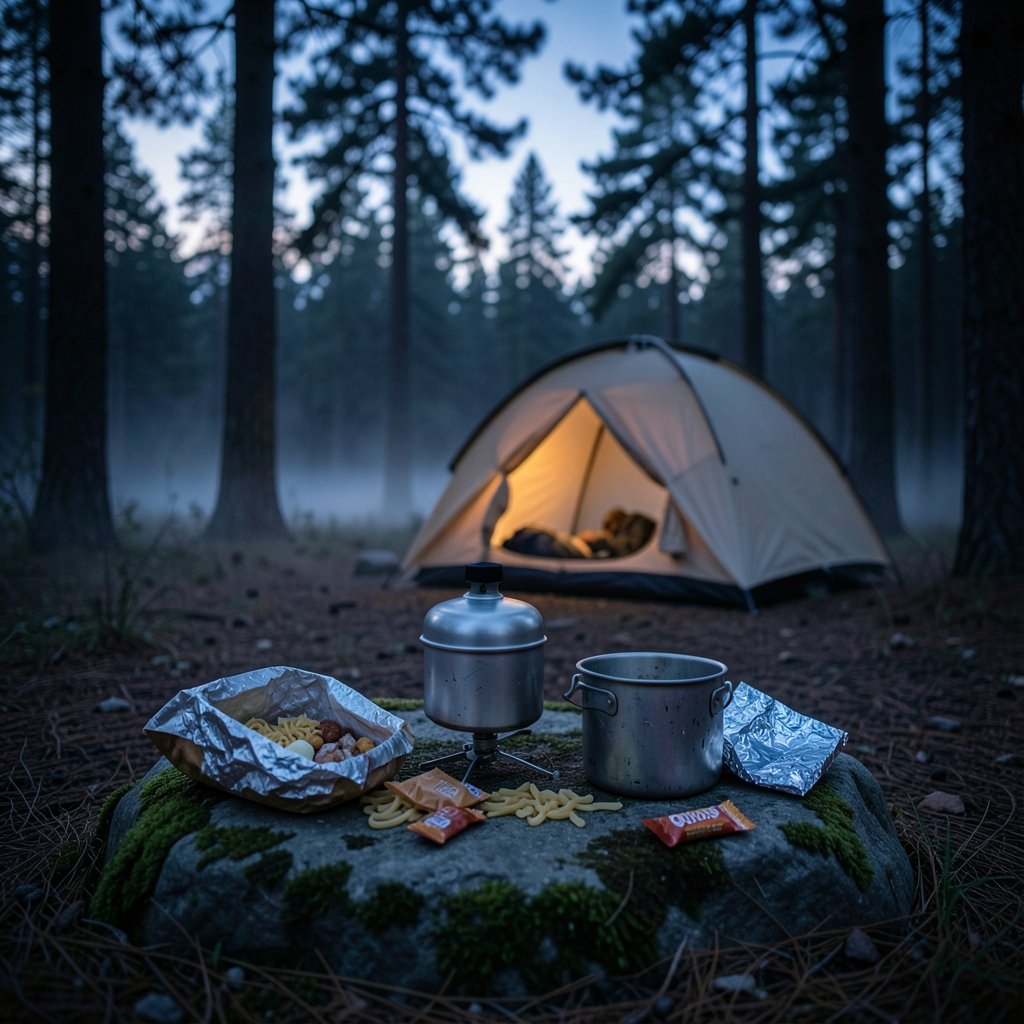
What if the one piece of gear that decides whether dinner happens at all is also the one most people buy on impulse? That is the camping stove in a nutshell. It weighs less than a water bottle, costs anywhere from the price of two pizzas to the price of a used bike, and yet it determines whether you get a hot meal, a cup of coffee at dawn, or nothing but cold granola in the rain.
The trouble is that “best” means wildly different things depending on how you camp. A solo backpacker counting grams has almost nothing in common with a family car-camping at a site with a picnic table. This guide breaks the decision into the parts that actually matter: fuel type, cold-weather behavior, weight, wind, and safety.
Start With Fuel, Not With Brand
Almost every stove question comes back to fuel. There are two dominant families, and choosing between them is the single biggest decision you will make.
Canister stoves burn a pressurized blend of propane, isobutane, and sometimes butane from a sealed cartridge. They are simple, light, and light up with a push and a click. Liquid-fuel stoves burn white gas, kerosene, or gasoline from a refillable bottle you pump by hand. They are heavier and fussier, but they keep working in cold and at altitude where canisters struggle.
The general background on how these designs evolved, including the many stove types sold today, is covered in the encyclopedic overview of the camping stove.
| Feature | Canister stove | Liquid-fuel stove |
|---|---|---|
| Setup | Screw on, light, cook | Fill, pump, prime, light |
| Weight | Very light | Heavier, plus fuel bottle |
| Cold weather | Weak below freezing | Strong |
| High altitude | Reduced performance | Reliable |
| Fuel cost | Higher per use | Lower per use |
| Best for | Three-season trips | Winter, altitude, long expeditions |
A simple rule of thumb: if you camp mostly in mild weather and carry your gear on your back, a canister stove is almost always the better answer. If you camp in shoulder-season cold or melt snow for water, look hard at liquid fuel.
Why Canister Blends Behave Differently in the Cold
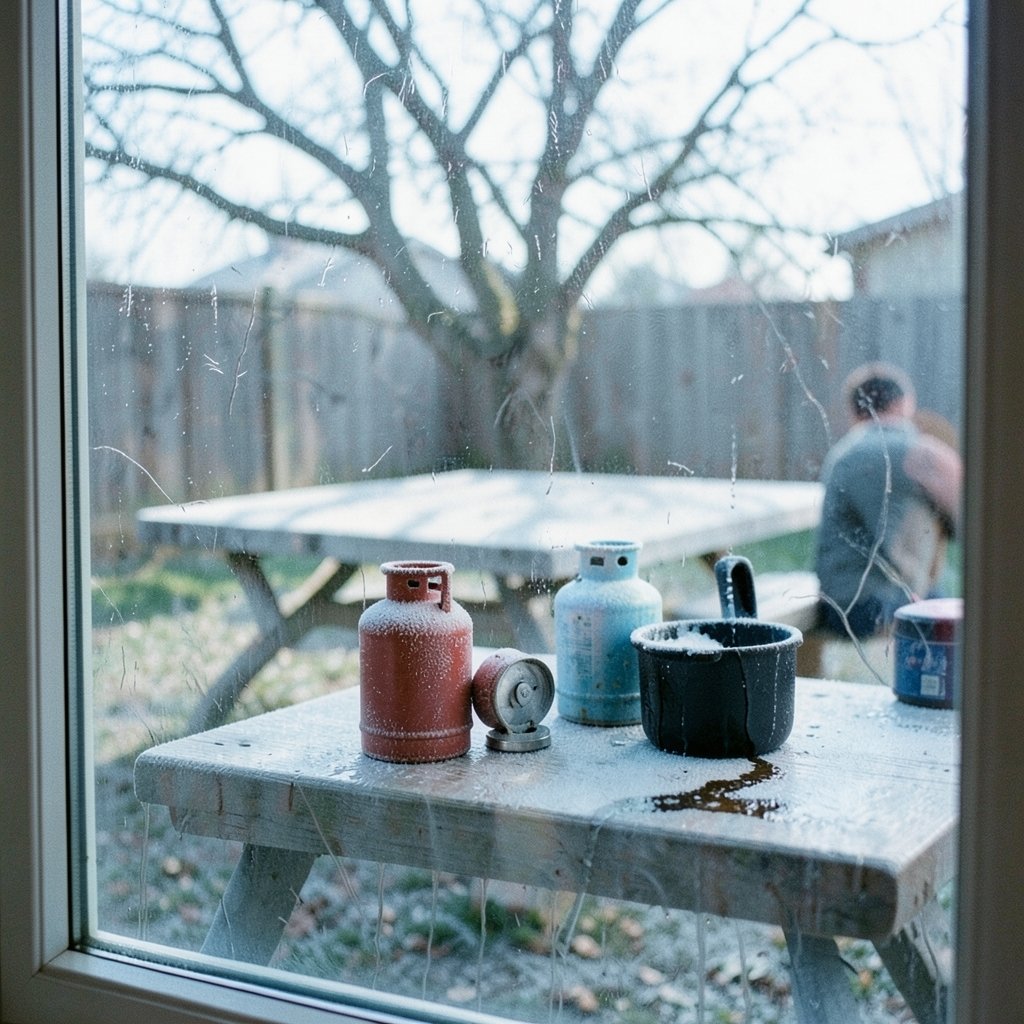
Here is a detail most buyers never notice until it bites them. Canister fuel is a blend, and the blend is tuned for temperature. Propane has the highest vapor pressure and lights easily in the cold. Butane has the lowest and can fail near or below 0 °C (32 °F). Isobutane sits in between.
That means a cheap pure-butane canister that works beautifully in July can sputter and die on a frosty October morning. Higher-propane blends light more readily when the mercury drops. Check the blend printed on the canister label rather than assuming all cartridges are the same.
Campers have developed workarounds. Warming a canister inside a jacket before lighting, using a pot with a heat exchanger, or inverting a canister on a stove specifically designed for it can all help. These are user techniques, not manufacturer guarantees, and they are stove-specific. Treat them as tricks to test at home, not promises.
The Cold-Weather Reality Check
Cold-weather performance is where marketing claims and trail reality part ways. A stove rated for “all seasons” may still struggle at 5 °C (41 °F) with a low-propane canister and a stiff wind. Two things change the equation: the fuel blend and the stove design.
Liquid-fuel stoves handle cold better because you pressurize the bottle yourself. The trade-off is priming: you burn a small amount of fuel to heat the generator before the stove reaches full output. This is a fire-risk step, and it is the most common beginner mistake with white-gas stoves. Practice it once in daylight on a fire-safe surface before you rely on it in the dark.
Fuel compatibility matters too, both practically and legally. White gas (often sold as Coleman fuel) and unleaded gasoline are not interchangeable with kerosene or diesel in every stove. Using the wrong fuel can clog or damage the stove and creates a safety hazard. The stove manual is the authority here, not a forum thread. (Portable stove)
Weight, Boil Time, and Why the Numbers Don’t Compare
Outdoor-gear reviews love two metrics: stove weight and boil time for a set volume of water. Both are useful, and both are unreliable when you compare across sources. There is no standardized test. A reviewer boiling one liter in a sheltered garage and another boiling half a liter in a windy meadow will report numbers that look like different stoves entirely.
Use published figures as a rough guide, not a ranking. A few practical notes:
- Weigh the whole system, including fuel, pot, and lighter. A featherweight stove with a heavy pot is not a light setup.
- Fuel consumption matters more than boil time on long trips. A fast stove that gulps gas can leave you short.
- Wind changes everything. A windshield can cut boil times noticeably, but it must not trap heat around the canister, which is an overheating risk.
Wind, Altitude, and the Conditions You Actually Cook In
Lower oxygen at altitude and steady wind both increase boil times and fuel use. Neither is a defect; it is physics. The practical response is to cook sheltered, use a windscreen designed for your stove, and budget extra fuel for high or exposed trips.
Altitude also nudges the fuel decision. Canister stoves lose pressure and output as it gets colder and higher, while liquid-fuel stoves keep going. If your trips regularly go above the tree line or into snow, that difference is worth the extra weight.
Safety: The One Rule That Is Not Negotiable
Camping stoves are outdoor appliances. Burning fuel in a tent or any enclosed space can produce lethal carbon monoxide, an odorless gas that kills quietly. Public-health agencies publish clear guidance on the symptoms and dangers of carbon monoxide poisoning, and it is worth reading before your first trip. Never cook inside a tent, a vestibule, or a vehicle, no matter how cold it is outside. (Carbon monoxide’s impact on indoor air quality)
Two more safety habits pay off:
- Set the stove on a level, fire-safe surface, well away from dry grass and overhanging branches.
- Check for recalls and safety notices on portable stoves before you buy, especially secondhand. The US Consumer Product Safety Commission publishes recall notices and safety guidance on portable stoves and carbon-monoxide risk.
Pressurized canisters are also regulated as dangerous goods for air travel and shipping, and many airlines prohibit them in checked or carry-on baggage. The rules on transporting dangerous goods from the International Air Transport Association explain why, and what counts as restricted. Check your airline’s policy rather than assuming.
Regulations Vary by Park and Season
Fire rules are local. Some parks ban open flames entirely during high fire danger, while others require a stove with a shut-off valve and no exposed flame. Many public land agencies publish stove and fire regulations for each area. In the US, national park and forest service pages spell out current restrictions, and in Europe, standards such as EN 521 cover portable liquefied-petroleum-gas appliances. Reading the rules before you pack saves you from a ranger conversation at the trailhead.
Matching the Stove to the Camper
The best stove is the one that fits how you actually camp. A few profiles:
The ultralight backpacker. A tiny canister stove, a titanium pot, and a small cartridge. Total system weight under 300 grams is achievable. Accept that cold mornings will be slow.
The weekend car camper. A two-burner propane stove that runs off a refillable bottle. Heavy, stable, and able to cook a real meal for four. Weight is irrelevant when the car is ten feet away.
The winter adventurer. A liquid-fuel stove with a pump and a priming routine. Practice priming before the trip, and carry a spare parts kit.
The family base camp. A larger two-burner stove plus a small backup canister stove for coffee while the big one heats water. Redundancy is underrated.
The emergency kit owner. A simple canister stove and two cartridges stored at home. Cheap insurance when the power goes out, provided you cook outside.
Common Mistakes That Cost Money and Meals
A few errors show up again and again:
- Buying a stove without checking the fuel blend, then discovering it fails in the cold.
- Skipping the priming step on a liquid-fuel stove and flooding it.
- Using a windshield that wraps too tightly around the canister, causing overheating.
- Forgetting that fuel is not included in the listed stove weight.
- Cooking in a tent vestibule “just this once” on a cold night.
- Assuming a canister that feels light still has fuel. Weigh it or shake it.
How to Test a New Stove Before You Trust It
Do a shakedown at home. Set up the stove on a stable outdoor surface, light it, and boil a measured liter of water. Time it. Then repeat in a breeze to see how much the wind costs you. Check that the flame adjusts smoothly from simmer to full. For liquid-fuel stoves, practice the full prime-and-light sequence twice. This one evening of practice prevents most trailside frustration.
Conclusion
The best camping stove is not the lightest or the most expensive one. It is the one whose fuel matches your weather, whose weight matches your carry, and whose setup you can perform half-asleep in the dark. Canister stoves win for three-season simplicity; liquid-fuel stoves win for cold, altitude, and long expeditions. Decide those two things first, then pick a model. And whatever you choose, keep the flame outside and the carbon monoxide out of your tent. That single habit matters more than any spec sheet.
Frequently Asked Questions
What is the best camping stove for beginners?
A simple canister stove with a piezoelectric igniter and a pot with a lid. It is cheap, light, and lights with a click. Beginners rarely need liquid fuel, which requires priming and more practice.
Can I use a camping stove inside a tent?
No. Camping stoves are for outdoor use only. Burning fuel in an enclosed space produces carbon monoxide, an odorless gas that can be fatal. Cook outside, even in bad weather, and never in a vestibule or vehicle.
Why does my canister stove fail in cold weather?
Canister fuel is a blend, and the butane portion stops vaporizing near or below freezing. A higher-propane blend lights more easily in the cold. Warming the canister in a jacket can help, but it is a user technique, not a manufacturer guarantee.
Is a liquid-fuel stove better than a canister stove?
It depends on conditions. Liquid-fuel stoves work better in cold and at altitude and cost less per use, but they are heavier and require priming. For mild-weather backpacking, a canister stove is usually the better choice.
How much fuel should I bring for a weekend trip?
Roughly 100 to 200 grams of canister fuel per person for a weekend of boiling water and simple meals, more in wind or cold. Liquid-fuel users should budget extra and always carry a little reserve.
Can I fly with camping fuel canisters?
Generally no. Pressurized gas canisters are regulated as dangerous goods, and many airlines prohibit them in both checked and carry-on baggage. Check your airline’s policy and the applicable dangerous goods rules before you travel, and buy fuel at your destination instead.