
Best Camping Tents: How to Choose for Real Conditions
 Abdul WadoodLast updated
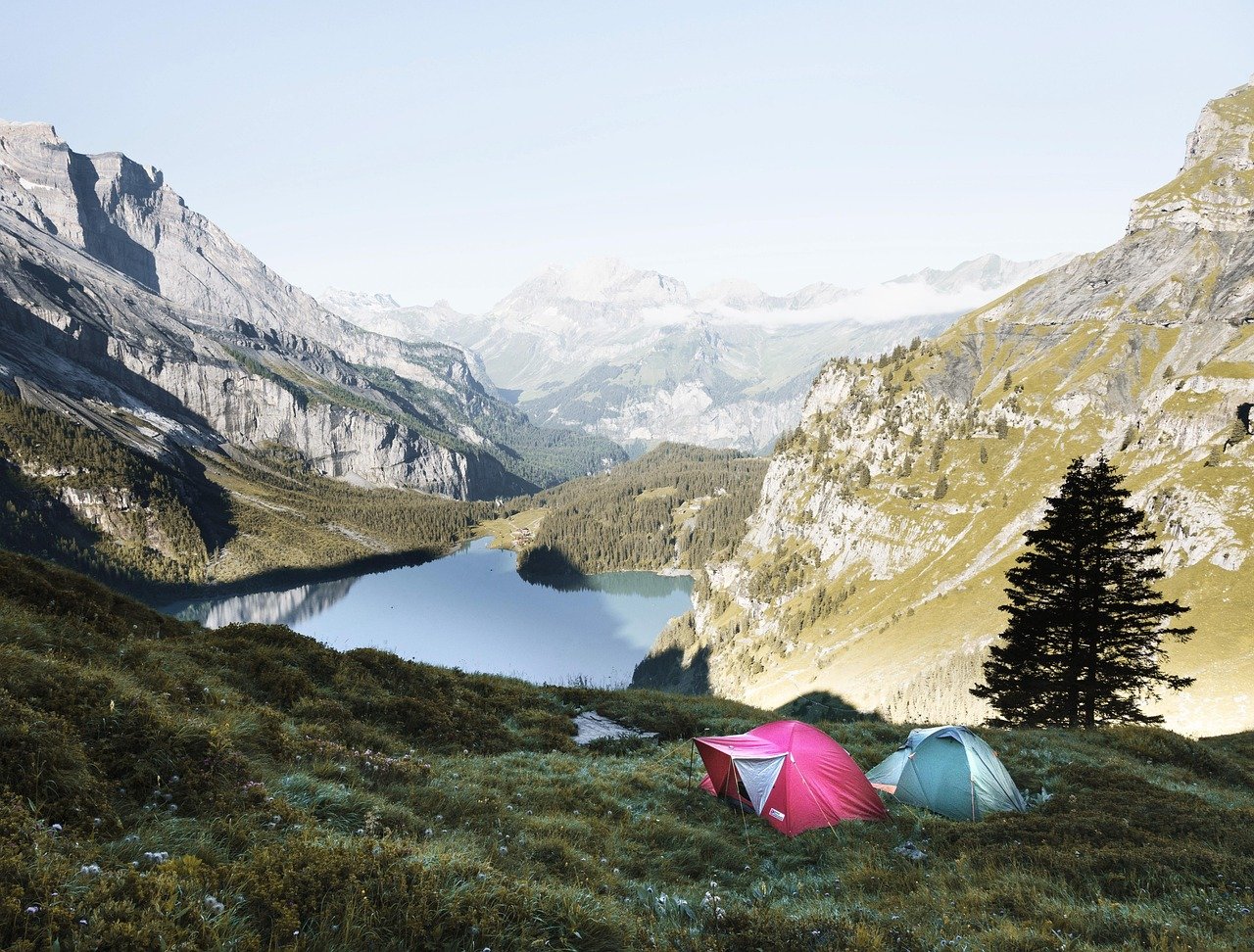
What separates a tent that keeps you dry through a three-day downpour from one that turns into a soggy wind sock by midnight? It is rarely the price tag or the brand name on the stuff sack. The best camping tents earn that label through a handful of design decisions that most buyers never think to check until they are already wet, cold, and reconsidering their life choices. (Camping)
This guide walks through what actually matters: how tents are rated, what the fabric numbers mean, which designs suit which trips, and the mistakes that catch even experienced campers off guard. No hype, no brand cheerleading, just the practical mechanics of staying comfortable outdoors.
Start With the Trip, Not the Tent
The single most common mistake is shopping by feature list instead of by use case. A tent is a system tuned for specific conditions, and a model that shines on a summer lake trip can be genuinely dangerous on an exposed ridge in shoulder season.
Ask three questions before browsing anything:
- Where will it sleep? Sheltered forest sites forgive poor wind resistance. Open alpine terrain does not.
- In what season? A three-season tent handles spring through fall for most people. Winter and high-altitude use demand different ventilation and stronger poles.
- How is it carried? Car campers can accept 15 pounds of comfort. Backpackers count ounces, and a heavy tent punishes every mile.
Answer those honestly and the field narrows fast. Most regret in tent buying comes from buying for the trip someone imagined rather than the trips they actually take.
Decoding Tent Capacity Ratings
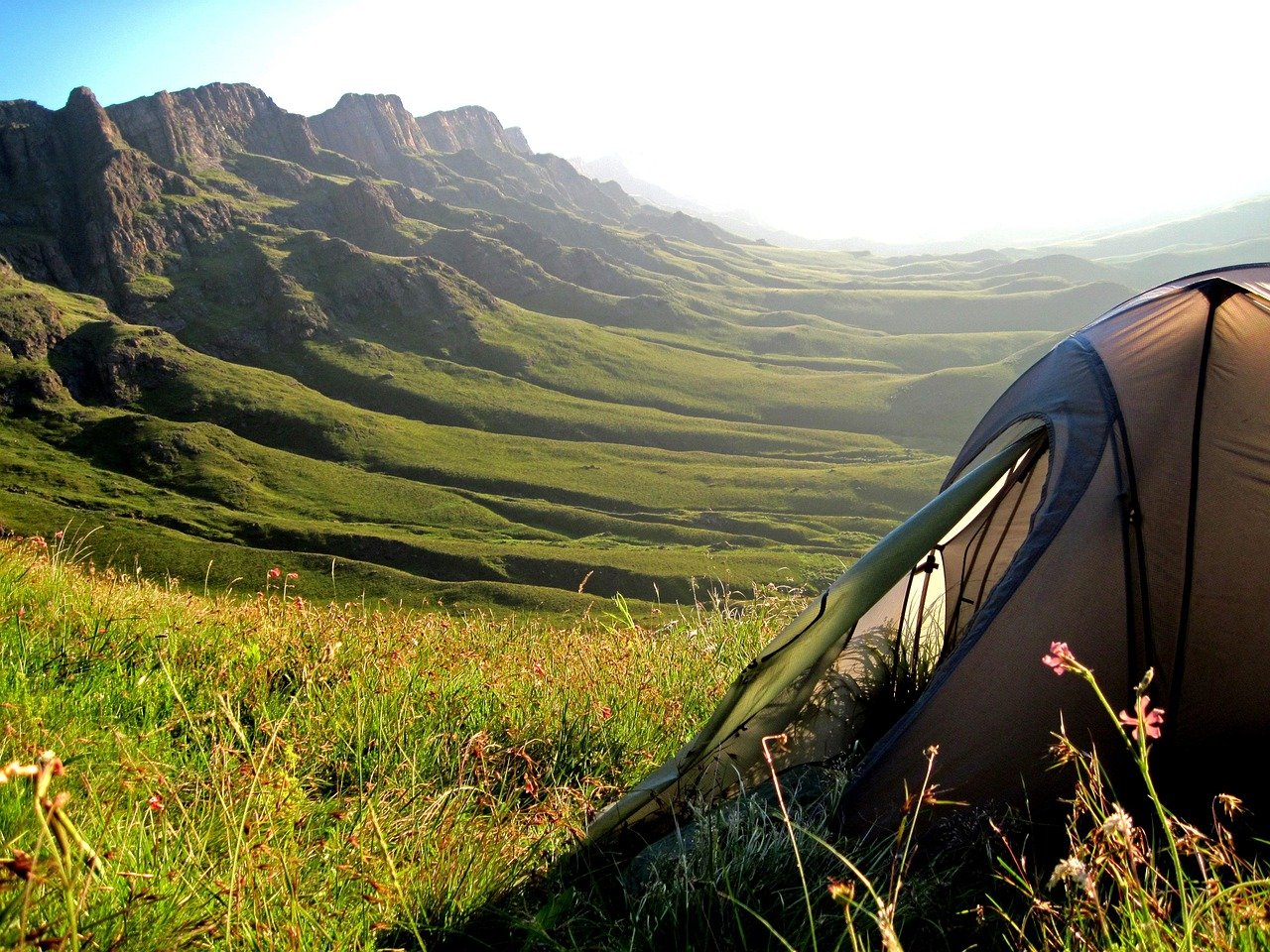
Capacity labels are the most misunderstood spec in the category. A “2-person” tent is a nominal figure, generally sized around two sleeping pads laid side by side. It is not a promise of spacious living for two adults plus duffel bags, boots, and a dog.
| Rated Capacity | Realistic Comfort | Best For |
|---|---|---|
| 1-person | One adult plus a pack, tight but workable | Solo backpacking where weight rules |
| 2-person | Two adults on pads, gear in vestibule | Couples, or one person wanting space |
| 3-person | Two adults plus gear inside, or three squeezed | Couples with a dog or lots of kit |
| 4-person and up | Family camping, standing room in cabin styles | Car camping, base camps |
A useful rule of thumb: subtract one from the rated capacity if you want to store gear inside the sleeping area, and subtract another if you are tall or broad-shouldered. A solo camper who wants to spread out should look at a 2-person tent, not a 1-person. The weight penalty is usually modest and the livability gain is large.
Waterproofing: What Hydrostatic Head Actually Tells You
Fabric waterproofing is measured as hydrostatic head, expressed in millimeters. The test presses a column of water against the fabric and records how much pressure it takes before water pushes through. Higher numbers mean more resistance to sustained rain and to the pressure of a knee or elbow against the wall.
Rough bands worth knowing:
- 1,000–1,500 mm: Light protection, fine for dew and brief showers, not for real storms.
- 1,500–3,000 mm: The common range for mainstream three-season tents. Adequate for most recreational camping.
- 3,000 mm and above: Serious weather protection, typical of four-season and expedition designs.
Two caveats matter more than the number itself. First, the floor takes far more abuse than the fly, so a robust floor coating is often the weak link. Second, coatings degrade. Polyurethane coatings can break down over years of storage in heat, and seam tape peels. A ten-year-old tent with a 5,000 mm rating may leak sooner than a new tent rated at 2,000 mm. Store tents loosely, dry, and out of hot garages, and re-waterproof seams when they start looking chalky.
Tent Anatomy: Fly, Body, and Floor
A modern double-wall tent has three main parts, and each does a distinct job.
The rainfly is the outer shell that sheds weather. A full-coverage fly that reaches near the ground protects far better than a minimal fly that leaves the lower body exposed. The inner body is mostly mesh for ventilation, sometimes with fabric panels for privacy and warmth. The floor is the bathtub-shaped base that keeps ground moisture out.
Single-wall tents combine fly and body into one layer. They save weight, which is why they dominate ultralight and mountaineering use, but they condense more readily because there is no air gap to buffer moisture. Double-wall designs vent better and are the safer default for general camping.
Poles, Stakes, and Structure
Pole material shapes durability and weight. Aluminum poles are the standard for good reason: they flex without shattering and can often be field-repaired with a splint sleeve. Fiberglass is heavier and more brittle but cheaper. Carbon fiber is light and stiff but expensive and unforgiving of abuse.
Structure matters just as much. Freestanding tents stand up on their own poles and can be moved to a better pitch without restaking. Semi-freestanding designs need stakes at the foot end. Trekking-pole tents use your hiking poles as the frame, saving substantial weight but requiring a careful pitch and offering less tolerance for hard ground.
Three-Season vs. Four-Season: A Real Difference
Season ratings cover ventilation and snow handling alongside warmth. A three-season tent prioritizes airflow through large mesh panels. That airflow helps in humid summer weather and works against you in a blizzard, when spindrift blows through the mesh and snow load collapses weak poles.
Four-season tents use solid fabric panels, stronger pole sets with more crossings, and reduced mesh. They are warmer and stronger but heavier and prone to condensation in mild weather. Buying a four-season tent for summer camping is a common and uncomfortable mistake: you get a heavier tent that turns muggy inside.
Freestanding, Semi-Freestanding, or Trekking-Pole
| Design | Strengths | Weaknesses | Typical Use |
|---|---|---|---|
| Freestanding | Easy pitching, movable, works on rock and platforms | Heavier pole sets | General camping, car camping |
| Semi-freestanding | Lighter, good weather shedding | Needs stakes at foot end | Backpacking |
| Trekking-pole | Lightest per person, versatile | Requires careful pitch, needs poles | Ultralight backpacking |
For beginners, freestanding is almost always the right call. Pitching a trekking-pole shelter in the dark on sloping ground is a skill, and it is not the skill you want to learn during a storm.
Condensation: The Complaint Nobody Warns You About
Most tent misery is not rain getting in. It is moisture that never gets out. Every sleeper exhales roughly a liter of water vapor overnight, and wet gear, damp clothes, and a boiling stove add more. In a sealed tent, that vapor condenses on cold fabric and drips.
What actually works:
- Pitch with airflow in mind. Leave a gap between fly and ground on the leeward side, and orient doors away from prevailing wind.
- Use the vents. Most flys have them and most campers never open them.
- Avoid cooking inside. It adds moisture and creates a genuine carbon monoxide risk.
- Choose a double-wall design if you camp in humid climates or cold, damp shoulder seasons.
A single-wall tent pitched tight on a still, cold night will collect water on the inside. That is physics, not a defect.
Weight, Packed Size, and the Honest Math
Manufacturers quote minimum trail weight, which usually excludes stakes, guylines, and the stuff sack. Packed weight is what you actually carry. Always compare packed weights when deciding between models.
For backpacking, a reasonable weight target is roughly 2 to 4 pounds per person for a shared tent. Below that you enter specialist territory with thinner fabrics and higher prices. Above it, you are paying in sweat. For car camping, weight is nearly irrelevant, and a taller cabin-style tent with standing room transforms a weekend.
Practical Pitching Tips That Save Nights
- Arrive before dark. Pitching by headlamp is how poles get lost and flys get pitched backward.
- Clear the ground. Remove sticks and stones, and check for ant nests and drainage channels.
- Pitch the fly first in rain if your tent allows it, so the inner body stays dry.
- Stake out guylines even when the forecast is calm. Wind arrives without an appointment.
- Face the low end into the wind and the door away from it.
- Test the whole setup at home once before trusting it in the field.
What to Spend On and What to Skip
Money is best spent on the fly and floor fabrics, pole quality, and a full-coverage fly. It is often wasted on built-in LED lights, elaborate gear lofts, and oversized vestibules that add weight without adding function.
A mid-priced tent from a reputable maker, pitched well, will outperform an expensive tent pitched badly almost every time. Pitching skill is free and it compounds.
Common Mistakes That Ruin Trips
Buying too small is the leader. So is trusting a decade-old tent without testing it, forgetting to seal seams, and packing the tent wet at the end of a trip. Mildew sets in fast and permanently weakens fabric. If you must pack wet, unpack and dry the tent within a day of getting home. (Tent)
Another frequent error is ignoring the footprint. A groundsheet protects the floor from abrasion and extends its life, and it is far cheaper than a floor replacement.
Conclusion
The best camping tents are not the most expensive or the most feature-packed. They are the ones matched to your actual trips, pitched with care, and maintained so they keep working year after year. Get the capacity right, understand what the waterproofing numbers mean, pick a structure that suits how you travel, and manage condensation like it is the main event rather than an afterthought. Do those things and your tent becomes what it should be: quiet, boring shelter that lets you forget about it and enjoy everything else.
Frequently Asked Questions
How much should I expect to spend on a good camping tent?
Prices vary widely by category. A basic three-season car camping tent sits at the low end, a solid backpacking tent in the middle, and ultralight or four-season models at the top. Spending more buys lighter fabrics, better poles, and stronger weather protection. Spending less is fine if you camp in mild conditions and treat the tent well.
Is a 2-person tent big enough for two adults?
Usually, yes, for sleeping. Two adults on standard pads will fit, but interior gear space will be minimal and taller campers may feel cramped. If you want room to sit up, change clothes, or store packs inside, size up to a 3-person tent.
How often should I re-waterproof a tent?
There is no fixed schedule. Inspect the fly and floor each season. If water stops beading and starts soaking in, or if seams look chalky and cracked, it is time to clean the tent and apply a fresh coating or seam sealant. Proper storage dramatically extends the interval.
Can I use a three-season tent in winter?
It is possible in mild, sheltered, low-snow conditions, but it is not ideal. Three-season tents rely on mesh panels that let wind and spindrift through, and their pole sets are not built for snow load. For real winter camping, a four-season design is the safer choice.
What is the difference between minimum trail weight and packed weight?
Minimum trail weight typically covers the tent body, fly, and poles only. Packed weight includes stakes, guylines, the stuff sack, and any repair kits. Packed weight is the number that reflects what goes in your pack, so compare that figure when choosing between models.
Do I need a footprint under my tent?
A footprint is not essential, but it is a smart, inexpensive addition. It protects the floor from abrasion, sharp debris, and ground moisture, and it is much cheaper to replace than a tent floor. Many manufacturers sell fitted versions, though a plain cut of durable plastic works too.