
Best Camping Stove for Backpacking: 2026 Buyer’s Guide
 Abdul WadoodLast updated

What good is a stove that boils water in three minutes at sea level but refuses to light on a cold morning at 3,000 meters? That single question explains why the “best” backpacking stove is not one model but a short list of designs matched to conditions, fuel availability, and how much weight you are willing to carry. The stove market is crowded with confident claims, and most of them are measured differently from brand to brand. This guide sorts the real trade-offs from the marketing, so the choice comes down to how and where you actually cook. (Camping stove)
The three stove families, and what each one is genuinely good at
Almost every backpacking stove on the shelf belongs to one of three families. Each solves a different problem.
| Type | Typical strength | Typical weakness | Best for |
|---|---|---|---|
| Canister (isobutane/propane mix) | Light, simple, precise flame control | Loses pressure in cold and when nearly empty | Three-season backpacking, fast boils |
| Liquid fuel (white gas, multi-fuel) | Strong cold and altitude performance, refillable | Heavier, needs priming, more maintenance | Winter, high altitude, remote trips |
| Alcohol | Very light, silent, fuel widely available | Slow, low heat output, wind-sensitive | Solo ultralight trips, long thru-hikes |
Canister stoves are the default for good reason. Screw on a cartridge, turn a valve, light it. There is no priming, no pumping, and the whole setup often weighs less than 100 grams for the burner alone. The catch is physics: as the cartridge cools, internal pressure drops, and the flame weakens. A canister that roars at lunchtime can barely simmer at dawn. Inverted-canister remote stoves address this by feeding liquid fuel through a preheat loop, which keeps performance steadier in the cold.
Liquid fuel stoves burn white gas, kerosene, or even unleaded petrol depending on the model. They need pumping and priming, which is fiddly and slightly intimidating the first time. In exchange, they keep working in serious cold and at altitude, and you can refill a bottle rather than hunt for a specific cartridge. For winter camping or trips where resupply is uncertain, that reliability is worth the weight.
Alcohol stoves are the ultralight purist’s choice. They are often homemade or near-weightless, silent, and run on fuel sold in any hardware store in many countries. They are also slow, and a breeze can wreck their efficiency. They suit solo hikers who value simplicity and low cost over speed.
Match the stove to the trip, not to the spec sheet
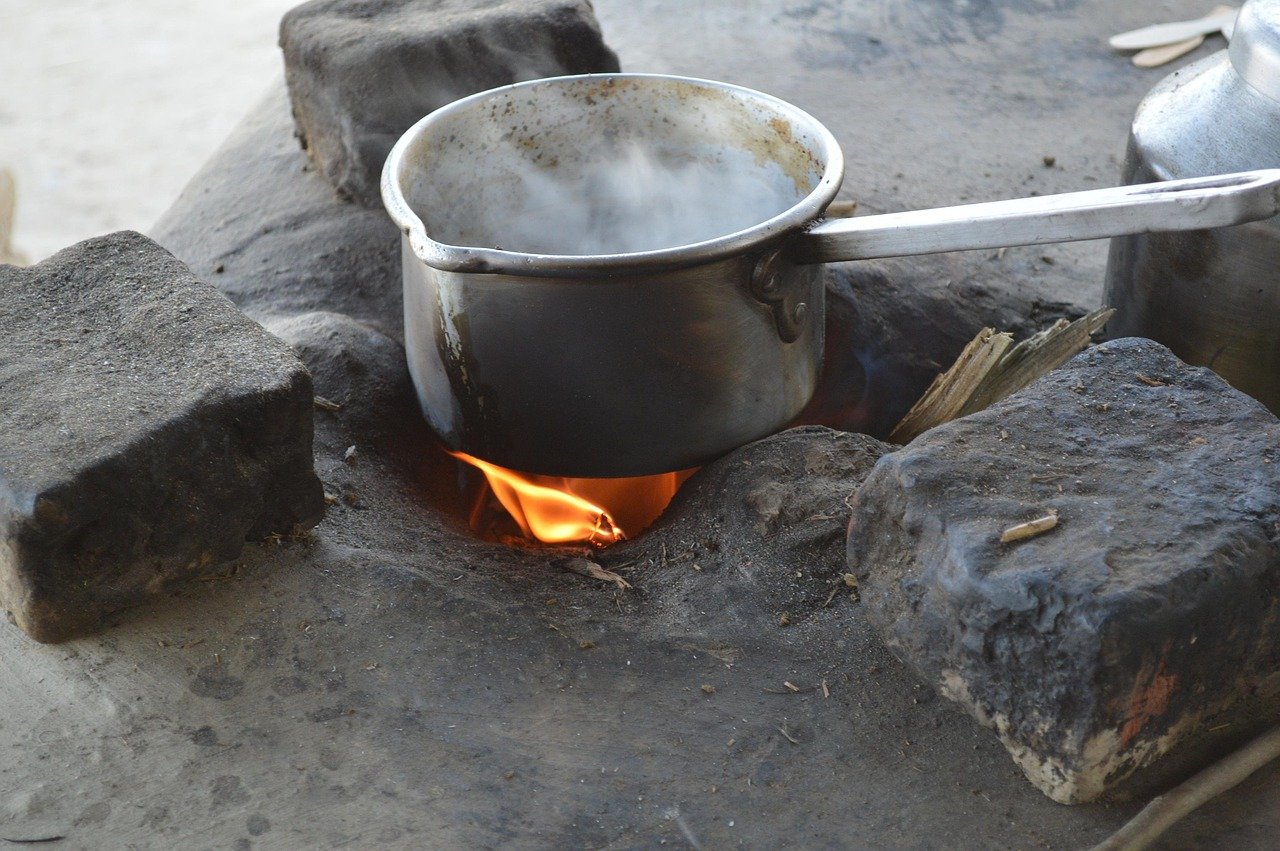
The most common mistake is buying for the trip you imagine rather than the trip you take. A weekend backpacker in summer does not need a multi-fuel expedition stove, and a winter mountaineer should not rely on a bare canister burner.
Ask three questions before comparing models:
- What is the coldest temperature you expect to cook in? Below freezing, canister performance becomes a real issue unless the stove is designed for it.
- How long between resupplies? Longer stretches favor refillable liquid fuel or a large canister.
- Are you cooking for one or for a group? Group cooking means melting snow and boiling large volumes, which changes everything about fuel consumption.
A stove that fits the answer to all three will outperform a “better” stove that fits none of them. The same logic applies to the rest of your kit, which is why a tight city break capsule wardrobe approach to packing less and dressing better translates neatly to backpacking: fewer, better-chosen items beat a bag full of maybes.
Weight claims are where comparisons fall apart
Manufacturers usually quote stove weight without fuel, without the canister, and often without the windscreen or pot. That makes cross-brand “lightest stove” claims close to meaningless. A 60-gram burner and a 200-gram cartridge plus a 90-gram pot is a 350-gram system, and the fuel you carry for five days can weigh more than the hardware.
A practical way to compare is to calculate the full cooking system weight for your trip length:
- Burner weight
- Fuel container weight, empty
- Fuel weight for the number of boils you expect
- Windscreen and lighter or matches
- Pot and lid, if not already counted
Do that math once and the rankings often flip. A slightly heavier stove that sips fuel can beat a featherweight burner that guzzles it over a week.
Boil-time figures deserve the same skepticism. Brands test with different pots, different starting water temperatures, different altitudes, and different definitions of “boil.” Unless two stoves were tested under the same protocol, the numbers are not comparable. Treat published boil times as rough indicators, not facts.
Cold weather, altitude, and the canister problem
Cold is the single biggest performance variable for canister stoves, and it catches people out. Three practical workarounds exist, and they are worth knowing before you blame the stove:
- Keep the cartridge warm. Sleep with it, or carry it inside a jacket pocket before cooking. This is the oldest trick and still the most effective.
- Use a remote stove with an inverted canister. Liquid feed keeps pressure steadier as the cartridge chills.
- Switch fuel types. Below roughly minus 10°C, liquid fuel becomes the safer bet for consistent output.
There is also a fuel-blend dimension. Cartridges with a higher propane proportion perform better in cold because propane vaporizes at lower temperatures, but propane is also the first component to burn off, so a partially used cartridge gets progressively weaker. That is why a canister that worked fine on day one can feel sluggish by day four.
Altitude adds another layer. Water boils at a lower temperature as you climb, so “boiling” happens sooner but food cooks more slowly. Dehydrated meals that rehydrate in ten minutes at sea level may need considerably longer higher up. Plan extra fuel for altitude trips regardless of stove type.
Fuel standards, cartridges, and what the labels mean
Canister cartridges sold in Europe commonly carry a reference to EN 417, the standard covering non-refillable gas cartridges with a self-sealing valve. The standard matters because it describes the valve interface that most screw-on stoves are built around, which is why cartridges from different brands usually fit different stoves. It is worth checking the current edition and scope if you are buying in bulk or travelling internationally, since cartridge availability and valve types vary by region.
Liquid fuel has its own considerations. White gas is widely available in North America and parts of Europe, but in other regions you may be relying on unleaded petrol or kerosene, which burn dirtier and require more frequent cleaning. Multi-fuel stoves accept the trade-off; single-fuel stoves do not. If you plan to travel and buy fuel locally, check what is actually sold in the places you will resupply, not what is sold at home.
Rules, restrictions, and the paperwork nobody mentions
Stove choice is also a regulatory question. Fuel canisters and liquid fuel are restricted items for air travel in many countries, and the rules change. Check the current guidance from your aviation security authority before you fly, and expect to buy fuel at your destination rather than carry it.
On the ground, land managers set their own rules. National parks and wilderness areas frequently impose fire bans in dry seasons, and some prohibit open flames entirely in certain zones. Stove use with a shut-off valve is often permitted when campfires are not, but “often” is not “always.” Check the specific park or forest authority for the area you are visiting, and check again close to your trip, because restrictions can be introduced at short notice.
Practical setup tips that make any stove work better
The stove is only part of the cooking system, and a few cheap additions outperform upgrading the burner.
A windscreen is not optional. Wind is the biggest cause of slow boils and wasted fuel. Many canister stoves have no integrated shield, and a simple foil screen can cut boil times noticeably. Never fully enclose a canister stove with a tight screen, though; trapped heat can overheat the cartridge, which is a genuine safety hazard. Follow the manufacturer’s guidance.
Match the pot to the burner. A wide pot catches more flame, but a pot much wider than the burner wastes heat up the sides. A lid saves more fuel than most people expect.
Practice before you depend on it. Light the stove at home, prime a liquid fuel stove in daylight, and learn how the valve behaves. Fumbling with a cold stove in the dark on a windy ridge is a miserable introduction.
Carry a backup ignition. Lighters fail, matches get wet, and piezo igniters are notoriously unreliable in cold. Two independent ignition sources cost almost nothing.
Protect the hardware in transit. Stoves have delicate valves and folded legs that bend. Packing them properly matters as much as packing anything else, a principle that applies to packing designer shoes for travel without ruining them as much as to a stove: protection beats replacement. If you are travelling with a full kit, the same thinking behind practical luggage sizing for European train travel helps you avoid checked bags and the fuel restrictions that come with them.
Safety basics worth repeating
Carbon monoxide is the risk people underestimate. Never use a stove inside a tent, a vestibule, or any enclosed space, even briefly, and even in cold weather. Stoves are for well-ventilated outdoor use only. (OSHA)
Fuel storage matters too. Keep cartridges away from direct heat, do not refill non-refillable cartridges, and store liquid fuel in the containers designed for it. Check the cartridge seal before each trip; a worn O-ring causes leaks that are easy to miss and dangerous to ignore.
How to decide in five minutes
If you want a shortcut, work through this sequence:
- Cooking in freezing conditions or at altitude? Choose liquid fuel, or a cold-optimised inverted-canister stove.
- Three-season trips with easy resupply? A lightweight canister stove is the sensible default.
- Solo and counting every gram, with time to spare? Consider alcohol.
- Cooking for a group or melting snow? Prioritise fuel efficiency and pot support over burner weight.
- Flying to the trailhead? Plan to buy fuel locally and confirm the current rules.
That sequence resolves most of the decision. The rest is detail.
Conclusion
The best backpacking stove is the one whose weaknesses do not matter on your trip. Canister stoves win on simplicity and weight for most three-season backpacking. Liquid fuel wins when cold, altitude, or uncertain resupply make reliability the priority. Alcohol wins when weight and cost matter more than speed. Ignore the boil-time bragging, calculate your full system weight, respect the cold-weather limits of canisters, and check the rules for wherever you are cooking. Do that, and almost any well-made stove in the right category will serve you for years.
Frequently Asked Questions
Is a canister stove or liquid fuel stove better for backpacking?
For most three-season backpacking, a canister stove is better: lighter, simpler, and easier to control. Liquid fuel becomes the better choice in freezing conditions, at altitude, or on trips with long gaps between resupply, because it holds performance when canisters weaken.
How much fuel do I need for a multi-day trip?
Estimate from boils rather than days. Count how many times you will heat water, add a margin for wind and cold, and check your stove’s consumption rate. Cold, wind, and altitude all increase use, so add roughly a quarter to a third as a buffer on exposed or high trips.
Why does my canister stove get weaker as the trip goes on?
Two reasons. Cold reduces the pressure inside the cartridge, and the propane portion of the blend burns off first, leaving a mix that vaporises less readily. Keeping the cartridge warm and using an inverted-canister remote stove both help.
Can I take fuel on a plane?
Generally no. Fuel canisters and liquid fuel are restricted items in carry-on and checked baggage in most countries, and rules change. Check your aviation security authority’s current guidance and plan to buy fuel at your destination.
Do I need a windscreen?
In practice, yes. Wind is the biggest cause of slow boils and wasted fuel. Use a screen designed for your stove, and never fully enclose a canister stove, because trapped heat can overheat the cartridge.
Are expensive stoves actually better?
Not automatically. Price tends to buy lighter materials, better valves, and integrated pot-and-burner systems that save fuel. A cheap stove used with a windscreen and a well-matched pot can outperform an expensive one set up carelessly.