
How to Care for White Sneakers: Keep Them Bright in 2026
 Abdul WadoodLast updated
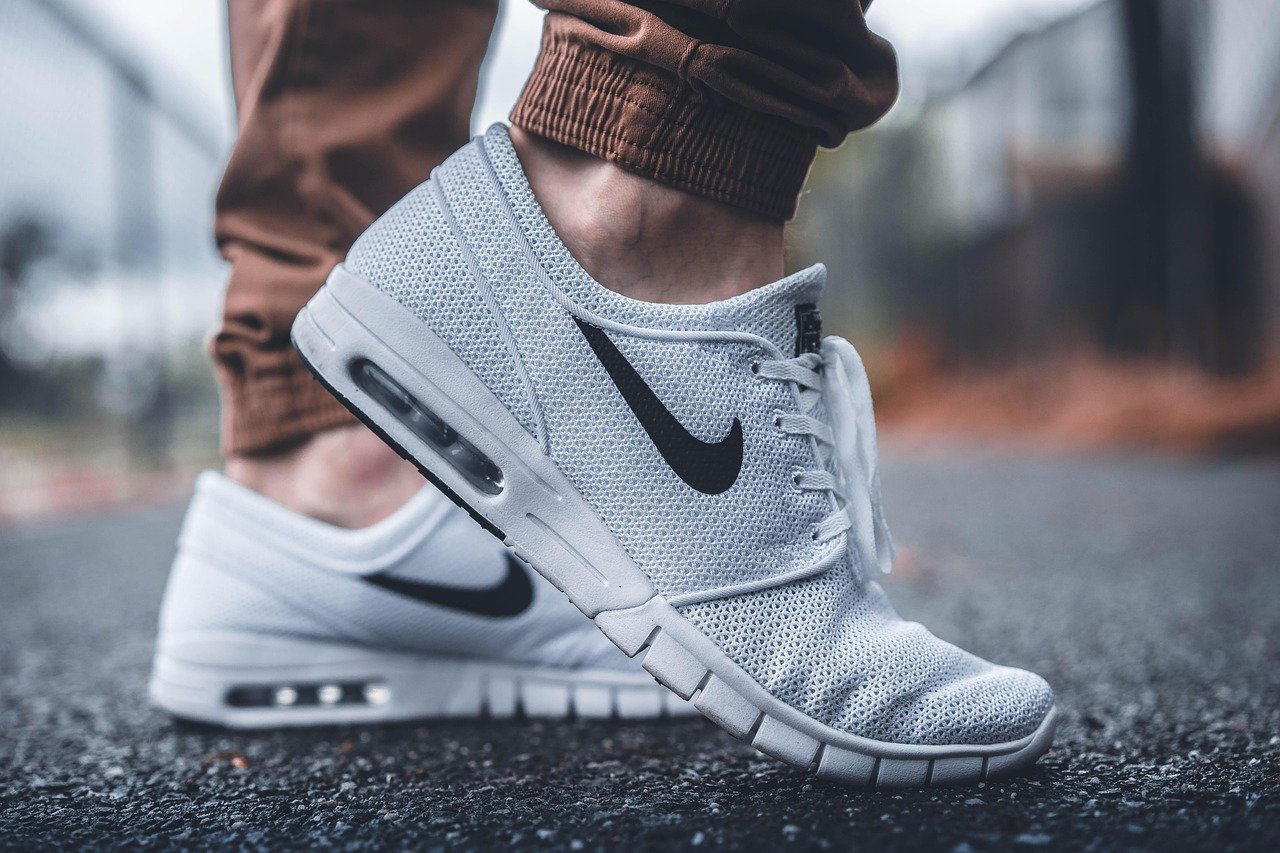
White sneakers look crisp for about three weeks. Then come the scuffs, the grey smudge along the heel, the yellowing around the sole, and the slow drift from “clean” to “off-white.” The frustrating part is that most people clean their sneakers the way they clean a kitchen counter — too much water, too much soap, too much scrubbing — and end up making things worse. (Sneakers)
The good news is that white sneakers are remarkably forgiving if you follow a few rules. The bad news is that the rules change depending on what your shoes are made of. Canvas, leather, knit, and mesh all behave differently, and a method that rescues one can wreck another. What follows is a practical, material-by-material playbook: what to do weekly, what to do monthly, what to never do, and how to store the shoes so they don’t yellow while sitting in a closet.
Why White Sneakers Turn Yellow and Grey
Two separate problems get lumped together under “dirty sneakers,” and they need different fixes.
The grey is surface dirt — dust, road grit, and the fine particulate that settles into fabric weave and leather grain. It’s mechanical, and it comes off with brushing and mild soap.
The yellow is chemistry. Rubber midsoles and synthetic uppers can discolor when they’re exposed to heat, sunlight, and certain cleaning agents. Detergent residue left behind after washing can also oxidize and turn a faint yellow-brown, which is why a shoe that looked great while wet can look worse a week later. Direct heat — radiators, clothes dryers, the back seat of a hot car — accelerates the process. So does leaving shoes in bright sun to dry, which feels intuitive and is usually a mistake.
That distinction matters because it changes the strategy. You don’t need aggressive products to fix grey. You need patience to prevent yellow.
The Tools That Actually Earn Their Place

Before getting into methods, it’s worth being honest about which products are worth buying. A lot of sneaker-cleaning gear is overpriced repackaging.
| Tool | What it’s for | Worth it? |
|---|---|---|
| Soft-bristle brush (old toothbrush works) | Uppers, seams, eyelets | Yes — essential |
| Stiffer brush | Rubber midsoles and outsoles only | Yes, but never on fabric |
| Mild dish soap or dedicated sneaker cleaner | General washing | Yes — dish soap is fine |
| Microfiber cloths | Wiping and drying | Yes |
| Melamine sponge (“magic eraser”) | Rubber midsoles, stubborn scuffs | Use sparingly — it abrades |
| Whitening toothpaste | Midsole whitening | Cheap option, mild abrasion |
| Water and stain repellent spray | Prevention | Optional; reapply per label |
| Bleach | Nothing | No — never |
A note on that last row: bleach is the single most common mistake people make with white sneakers. It can yellow synthetic materials, degrade adhesives, and weaken canvas fibers. It also doesn’t rinse out completely, so residue keeps working on the shoe long after you’ve put it away.
Step One: Dry Cleaning Before Any Water
The most important step is the one people skip. Before a single drop of water touches the shoe, brush off everything loose.
- Remove the laces and insoles completely.
- Take the shoes outside or over a bin.
- Brush the entire upper with a dry soft brush, working from the top down so you don’t drag dirt into clean areas.
- Tap the soles together to knock out grit from the tread.
- Brush the outsoles with the stiffer brush.
Why does this matter so much? Wetting loose dirt turns it into a slurry that gets pushed deeper into fabric weave and leather grain. You’re not cleaning at that point — you’re relocating the dirt and then drying it in place. Five minutes of dry brushing removes the majority of what most people are trying to scrub out with soap.
Step Two: Match the Method to the Material
This is where most damage happens. The internet is full of confident advice that ignores material entirely.
Canvas Sneakers
Canvas is the most forgiving. A few drops of mild dish soap in a bowl of warm water, applied with a soft brush in small circular motions, handles most stains. Work in sections and wipe with a damp cloth as you go rather than soaking the whole shoe.
Some canvas sneakers can go in a washing machine on a cold, gentle cycle with laces and insoles removed — but this varies widely by brand and construction, and machine washing shortens the life of the shoe even when it survives. Hand washing is slower and safer.
Leather Sneakers
Leather needs the least water and the most care. Wipe with a barely damp cloth, use a soft brush for seams, and dry immediately with a microfiber towel. Never soak leather. Never machine wash it. Waterlogged leather loses shape, dries stiff, and can crack at flex points.
White leather also benefits from a conditioner every few months, which keeps the surface from drying out and micro-cracking — cracks collect dirt and are nearly impossible to clean out once they form.
Knit and Mesh Sneakers
Knit uppers are the trickiest. The weave traps fine dirt, and aggressive brushing pills the surface. Use a soft brush, minimal water, and light pressure. A dedicated sneaker cleaner applied with a cloth works better than soapy water here because it lifts dirt without saturating the fibers.
Mesh panels on running shoes often respond well to a toothbrush and a mild solution, but avoid scrubbing across the grain of the mesh.
Suede and Nubuck
Not really white-sneaker territory in most cases, but worth a line: suede needs a dedicated suede brush and eraser, no water, no soap. If a white suede shoe gets wet, it’s a specialist job.
Step Three: The Midsole, Where Scuffs Live
The rubber midsole takes the most abuse and is the easiest part to restore. This is where melamine sponges and whitening toothpaste genuinely help — both work through mild abrasion, lifting the grey layer that builds up on rubber.
Use them only on rubber. On painted or coated midsoles, over-abrasion dulls the finish and can strip the coating entirely, leaving a patchy look that no amount of cleaning fixes. Start gentle, check the result, and stop when the scuff is gone.
For deeper scuffs, a small amount of baking soda paste (baking soda plus a little water) left on the spot for a few minutes and then wiped off works well. Rinse thoroughly afterward — residue is the enemy.
Step Four: Drying, Which Is Where Shoes Get Ruined
This is the step that determines whether your cleaning effort pays off or backfires.
- Stuff the shoes with white paper towels or plain newsprint to hold shape and draw out moisture.
- Set them in a well-ventilated spot at room temperature.
- Keep them out of direct sunlight.
- Keep them away from radiators, space heaters, and dryers.
- Wait a full 12 to 24 hours before wearing.
Two details matter here. First, use white paper, not newspaper with colored print — ink transfers to damp white fabric and leather, and it does not come out. Second, change the stuffing after a few hours if it feels damp. Trapped moisture is what causes odor and, in leather, mildew.
Never put white sneakers in a clothes dryer. The heat warps soles, shrinks uppers, and yellows glue lines. There is no dryer setting that makes this safe.
Step Five: Laces and Insoles Get Their Own Wash
Laces are the fastest thing to clean and the biggest visual upgrade. Drop them in a bowl of warm soapy water, rub them between your hands, rinse, and hang to dry. Ten minutes, and the whole shoe looks fresher.
Insoles should be hand-washed separately with mild soap, scrubbed with a soft brush, rinsed, and air-dried completely before going back in. Putting a damp insole into a dry shoe is a reliable way to generate smell.
Odor: What Works and What’s Folklore
Baking soda is the standard recommendation, and it does help — it’s mildly alkaline and absorbs moisture and odor compounds. Sprinkle it in, leave it overnight, shake it out, vacuum the remainder.
Cedar shoe trees are the better long-term investment. They hold shape and absorb moisture between wears, which addresses the cause rather than the symptom. Rotating between two pairs of white sneakers does more for odor control than any product, because it gives each pair a full day to dry out.
What doesn’t work well: masking sprays. They cover odor for an afternoon and then the smell returns, often worse.
Prevention Beats Cleaning Every Time
The single biggest factor in how long white sneakers stay white is how often you clean them. A five-minute weekly wipe-down prevents the buildup that requires a 45-minute deep clean later. Dirt that sits for a month bonds to the surface.
A few habits that pay off:
- Wipe the shoes with a damp cloth after wearing them in rain or on dusty ground.
- Keep a soft brush by the door and use it dry, weekly.
- Apply a water and stain repellent to fabric and knit uppers when new, and reapply per the product label.
- Store shoes in a breathable bag or box, not a sealed plastic bin, which traps moisture.
- Rotate pairs so each one dries fully between wears.
For readers thinking about color and texture more broadly — how shades read in different light, how texture affects maintenance — a look at brown hair shades and care shows the same principle at work: material and tone dictate the routine, not the other way around. The same logic applies whether you’re maintaining light brown hair or a pair of cream-colored canvas sneakers. Different surfaces, different rules. (Brunette Hair: Shades, Care & Meaning Explained 2026)
Common Mistakes That Cost People Their Shoes
A short list of things that reliably go wrong:
- Bleach. Yellowing, weakened fibers, degraded glue.
- Machine washing leather. Warping and cracking.
- Drying in direct sun. Accelerated yellowing.
- Drying in a machine. Heat damage to soles and adhesives.
- Skipping the dry brush. Pushing dirt deeper.
- Over-wetting. Saturation is the root of most damage.
- Newspaper stuffing. Ink transfer onto damp white material.
- Melamine sponges on painted midsoles. Finish removal.
- Leaving detergent residue. The cause of the yellowing people blame on “cheap shoes.”
When to Stop Cleaning and Replace
Some damage isn’t fixable. Deep cracks in leather at the flex point, a sole separating from the upper, permanent yellowing that survives a full clean and dry cycle, or a knit upper that has pilled and stretched — these are replacement signals, not cleaning challenges.
White sneakers have a lifespan. Cleaning extends it, but it doesn’t make shoes immortal, and there’s a point where a worn pair looks worse than a fresh one. Knowing that point saves a lot of wasted effort.
Conclusion
Caring for white sneakers is less about finding a miracle product and more about discipline. Brush before you wet. Match the method to the material. Use the least aggressive thing that works. Dry slowly, at room temperature, away from heat and sun. Clean often enough that you never need a deep clean.
The shoes that stay white longest aren’t owned by people with better cleaning products. They’re owned by people who spend five minutes a week on maintenance and never let dirt sit long enough to bond. That’s the whole secret, and it costs almost nothing.
Frequently Asked Questions
Can you put white sneakers in the washing machine?
Sometimes, but less often than people assume. Some canvas sneakers survive a cold, gentle cycle with laces and insoles removed, but guidance varies widely by brand and construction, and machine washing shortens a shoe’s life even when it comes out looking fine. Leather, suede, and most knit uppers should never go in a machine. Hand washing is slower and much safer.
How do you get yellow stains out of white sneakers?
First, figure out whether the yellow is dirt or oxidation. If it’s residue from detergent, a thorough rinse and slow air-dry often fixes it. If it’s heat or sun damage to rubber and glue, it usually can’t be reversed. Prevention is the real answer: rinse completely, dry at room temperature, and keep shoes away from direct heat and sunlight.
Is bleach safe for white sneakers?
No. Bleach can yellow synthetic materials, weaken canvas fibers, and break down the adhesives holding the sole to the upper. It also leaves residue that keeps reacting after the shoe dries. Mild dish soap handles nearly everything bleach is used for, without the risk.
How often should white sneakers be cleaned?
A quick dry brush and wipe weekly, a deeper clean every three to four weeks with regular wear, and immediately after any exposure to rain, mud, or dust. The frequency matters more than the intensity — small, frequent cleanings prevent the buildup that requires aggressive methods.
What’s the fastest way to clean laces and insoles?
Laces: soak in warm soapy water, rub between your hands, rinse, hang to dry. Ten minutes total. Insoles: hand wash with mild soap, scrub with a soft brush, rinse, and let them dry completely — fully dry — before putting them back in the shoe. A damp insole in a dry shoe is a direct path to odor.
Why do my white sneakers smell even after cleaning?
Usually because they never dried completely. Moisture trapped in the insole, lining, or midsole creates the conditions for odor, and cleaning adds moisture rather than removing it. Stuff with white paper, air-dry for a full day, use cedar shoe trees between wears, and rotate pairs so each gets a rest day. Baking soda helps as a stopgap, but drying is the actual fix.