
What to Wear to a Summer Garden Party: 2026 Outfit Guide
 Abdul WadoodLast updated
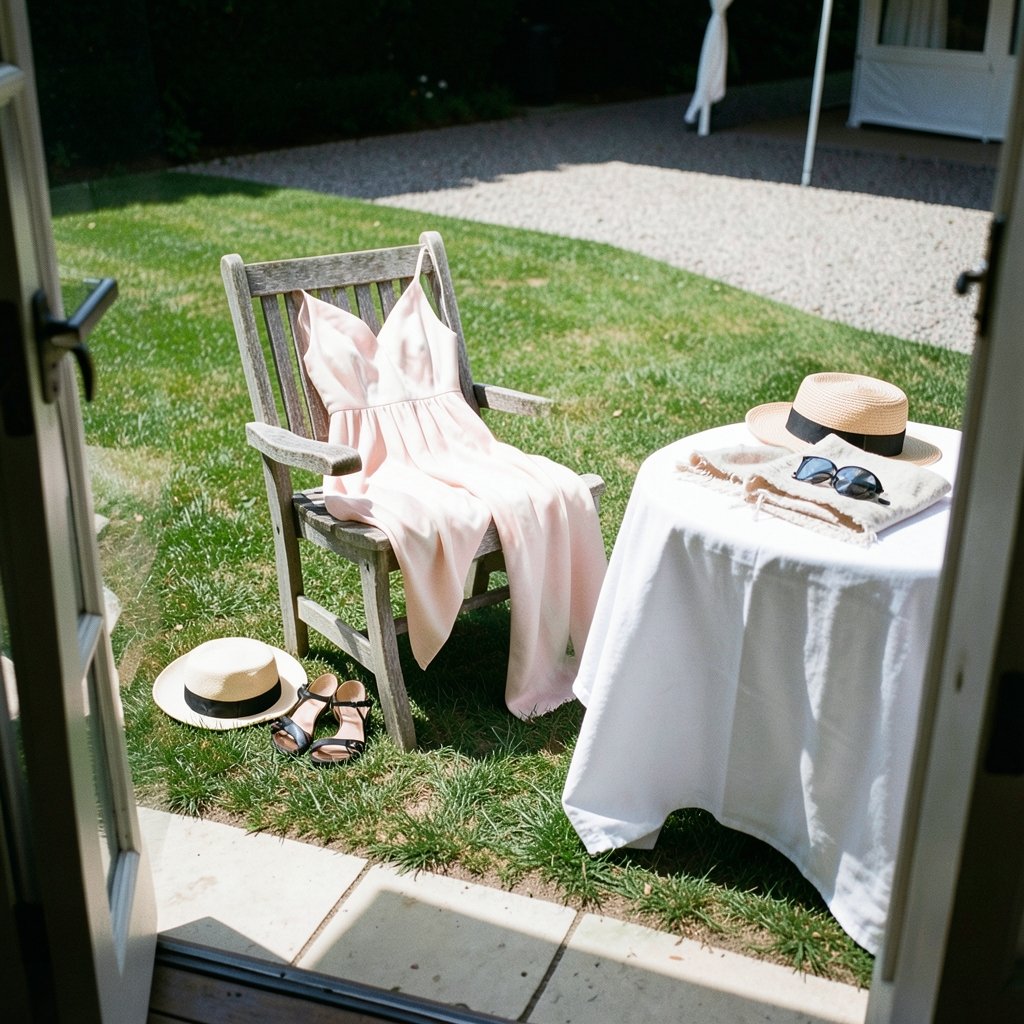
Quick Answer: What to wear to a summer garden party?
The safest formula is a light, breathable dress or smart separates in a mid-tone or pastel shade, paired with block heels, wedges, or elegant flats that won’t sink into grass. Add a light layer for changing weather and a hat or sunglasses for daytime events.
That baseline flexes with the invitation. A “cocktail” or “black tie” garden party calls for something far more polished than a relaxed backyard gathering, and the wording on the invite should always override a generic assumption. Venue matters too: a manicured lawn, a gravel terrace, and a marquee on uneven ground each create different practical demands.
Before committing, check the dress code wording, the time of day, the forecast, the ground surface, the host’s formality level, and how long you’ll be standing or walking.
A single statistic explains why this question causes so much last-minute panic: according to the Met Office, the UK’s meteorological agency, summer weather can swing sharply within a single afternoon, which is exactly why outdoor event dressing is less about one perfect outfit and more about a system of layers. Garden parties sit in an awkward gap between “outdoor casual” and “formal occasion,” and most guests get the footwear wrong long before they worry about the dress.
Start With the Invitation, Not the Outfit
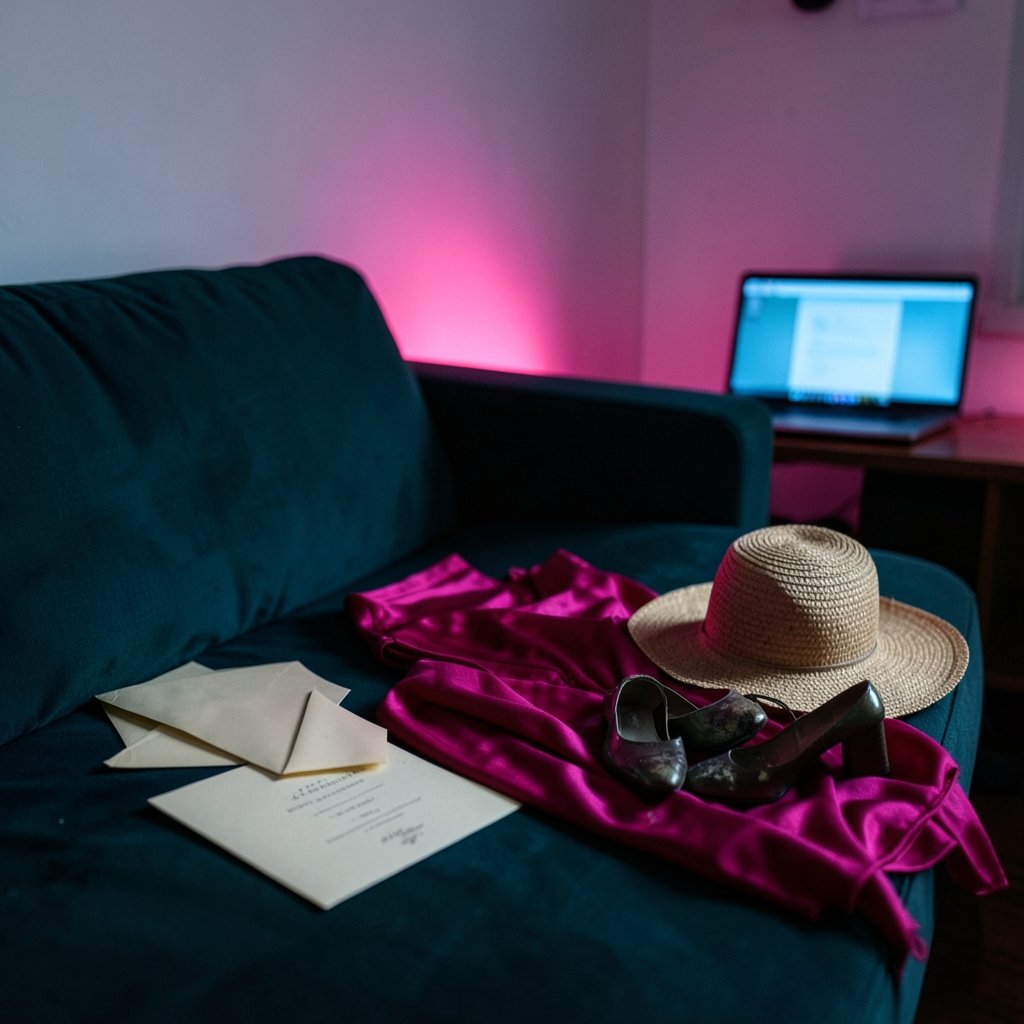
The invitation is the single most useful document a guest has. Words like garden party, cocktail attire, smart casual, and black tie all carry different weight, and hosts generally choose them deliberately. A garden setting does not automatically mean a relaxed dress code; some of the most formal events of the summer season happen on lawns.
A useful way to read the wording:
| Invitation wording | Typical interpretation | What to avoid |
|---|---|---|
| Garden party (no further detail) | Smart casual to semi-formal | Denim, athleisure, flip-flops |
| Cocktail | Dresses, tailored separates, polished shoes | Maxi sundresses, casual sandals |
| Smart casual | Neat separates, clean lines, closed or dressy shoes | Graphic tees, trainers, shorts |
| Black tie | Full evening formality, adapted for outdoors | Anything casual, heavy perfume |
| Day dress / formal daywear | Structured dress or suit, hat often expected | Strappy sandals, bare legs at formal venues |
Formal daytime events have historically leaned on structured day dress and hats. Guests invited to large traditional garden parties are usually advised to wear day dress rather than evening wear, and the dress code guidance published by hosts tends to be explicit about what is and isn’t acceptable.
The practical takeaway: read the invitation twice, then dress one notch above your first instinct. It is far easier to tone down an outfit than to recover from being the only guest in jeans.
Fabrics That Survive a Lawn, a Marquee, and a Heatwave
Fabric choice does more for comfort than any other decision. Natural, breathable fibers such as linen, cotton, and silk handle heat and humidity far better than synthetic blends, which trap warmth and show sweat quickly.
There is a trade-off worth knowing. Linen wrinkles, and it wrinkles fast once you sit down. A linen dress photographed at home looks crisp; the same dress after an hour on a folding chair looks lived-in. Blends with a little viscose or cotton hold their shape better while keeping most of the breathability.
Color deserves equal thought. Pale shades reflect heat and photograph well against greenery, but they show every grass stain and every drop of spilled Pimm’s. Dark colors hide marks but absorb heat and can look heavy in bright daylight. Mid-tones, soft prints, and textured fabrics are the pragmatic middle ground, and busy prints are quietly excellent at disguising accidental contact with a hedge.
For anyone planning a bold color statement, the same principles apply to garden parties as to everyday styling; a shade guide like this breakdown of dirty blonde hair and how to wear it shows how tone and contrast decisions change with lighting, and outdoor daylight is unforgiving in exactly the same way. A deep, saturated hair color also pairs naturally with the soft neutral palette most garden party outfits rely on, as this look at chocolate brown hair and what it really looks like illustrates.
Footwear Is Where Most Guests Get It Wrong
This is the mistake that ruins an afternoon. Thin stiletto heels sink straight into soft turf, and once a heel has punched through the lawn, the guest spends the rest of the event balancing rather than mingling.
What actually works on grass and gravel:
- Block heels with a wide base that distributes weight.
- Wedges, which are the classic garden party compromise between height and stability.
- Dressy flats in leather or metallic finishes that read as intentional rather than casual.
- Low, closed-toe pumps for formal daytime events where open sandals feel too relaxed.
What doesn’t work: stilettos, thin kitten heels on soft ground, brand-new shoes that haven’t been broken in, and anything you can’t stand in for four hours. A practical trick is to bring a pair of flat shoes in a tote and change once you’ve crossed the lawn. Nobody notices, and your feet will thank you.
Sandal straps also matter more than people expect. Thin straps cut into feet after a few hours of standing on uneven ground, while wider straps and adjustable buckles stay comfortable.
Layers, Hats, and the Weather Problem
British and northern European summers are genuinely unpredictable, and even warm-weather events cool down sharply once the sun drops or a marquee shade kicks in. A light layer is not pessimism; it is preparation.
Good layering options for a garden party:
- A fine knit cardigan or a cropped bolero that fits over a dress without crushing it.
- A lightweight blazer, which instantly raises the formality of a simple dress or trousers.
- A silk or cotton scarf, useful for wind and easy to remove.
- A packable rain jacket kept in the car rather than worn.
Hats serve two purposes at daytime events: sun protection and formality. A wide-brimmed straw hat suits a daytime garden party beautifully, while a structured hat or fascinator leans more formal. Sunglasses are essential, but it’s worth keeping a pair that suits your face shape rather than the trendiest frame available.
One more detail that gets overlooked: sunscreen and makeup interact badly in heat. A light base, a setting powder, and a lip color that doesn’t need constant reapplication will hold up far better than a full face applied indoors.
What to Wear If You’d Rather Not Wear a Dress
Dresses dominate garden party dressing, but they aren’t the only option, and plenty of guests feel more themselves in separates.
Wide-leg linen trousers with a silk camisole and a light blazer read as effortlessly polished and handle grass far better than a midi skirt in wind. A matching co-ord in a soft print does the same job with less styling effort. A tailored jumpsuit is a strong middle path: formal enough for semi-formal invitations, comfortable enough for hours of standing.
For men, the equivalent decisions are simpler but no less important. A lightweight blazer in linen or cotton, an open-collar shirt, chinos or tailored trousers, and leather loafers or smart sneakers cover most garden party dress codes. Ties are usually optional unless the invitation specifies otherwise, and a full suit in July heat is rarely the right call unless the event is explicitly formal.
The one universal rule: skip denim unless the invitation says casual. It’s the fastest way to look underdressed at a smart event, and the fabric is hot and heavy in direct sun.
Accessories, Bags, and Practical Details
Accessories should solve problems, not create them. A small structured bag with a secure closure is far more useful than a clutch you have to hold all afternoon while balancing a drink and a plate. Crossbody styles leave both hands free, which matters more than most guests anticipate.
Jewelry should be light. Heavy statement pieces become uncomfortable in heat, and delicate chains and small earrings photograph better in daylight anyway. If the event runs into the evening, one slightly bolder piece can carry the outfit from afternoon to dusk.
A few practical items worth tucking into a bag:
- Plasters, for the shoes that seemed fine at home.
- Blotting papers or powder.
- A compact hairbrush or comb.
- A stain remover pen, because grass and red wine both happen.
Guests who plan a bold beauty look alongside their outfit often find the same trade-off applies to hair color: vivid shades need planning and maintenance, as this guide to blue hair dye and how to keep it looking good explains. The same logic of preparation over improvisation applies to the outfit itself.
Common Mistakes Worth Avoiding
Most garden party wardrobe failures fall into a handful of predictable categories. New shoes worn for the first time, chosen for looks rather than comfort, are the single most common regret. Overdressing for a relaxed event is awkward but recoverable; underdressing for a formal one is not.
Other frequent errors include wearing a fabric that creases the moment you sit down, choosing a maxi dress that drags on wet grass, forgetting that marquees can be surprisingly cold, and leaving sun protection until the morning of the event. Perfume is another quiet hazard: strong scents in a warm, enclosed space are unpleasant for everyone nearby, so a light application is kinder.
Finally, guests often overthink the outfit and underthink the logistics. Travel time, parking on grass, walking across a large estate, and standing for long stretches all shape what actually works. Comfort is not the opposite of style at a garden party; it is the thing that lets style survive the afternoon.
Conclusion
Dressing for a summer garden party comes down to reading the invitation carefully, choosing breathable fabrics in colors that tolerate the outdoors, and treating footwear as the decision that matters most. A light layer, a hat, a secure bag, and a little sun protection complete the picture. The guests who look best in photographs at these events are rarely the most overdressed; they are the ones who dressed for the ground they were standing on, the weather they actually got, and the length of time they spent on their feet. Get those three things right, and the outfit takes care of itself.
FAQ
Should I wear a hat to a summer garden party?
A hat is a strong choice for daytime events, both for sun protection and for the polished look it adds. Wide-brimmed straw hats suit relaxed daytime parties, while structured hats or fascinators lean more formal. For evening events, a hat is usually unnecessary.
Can I wear jeans to a garden party?
Only if the invitation explicitly says casual or specifies denim. For smart casual, semi-formal, or formal garden parties, jeans read as underdressed. Chinos, tailored trousers, or a dress are safer choices that still feel comfortable.
What shoes work best on grass?
Block heels, wedges, and dressy flats are the most reliable options because they distribute weight and won’t sink into soft turf. Thin stiletto heels are the biggest risk. Bringing a pair of flats to change into is a practical backup.
Is black acceptable for a daytime garden party?
Black is acceptable but can feel heavy in bright daylight and absorbs heat. Mid-tones, pastels, soft prints, and light neutrals tend to look more natural outdoors. Black works well for evening garden parties or formal events that continue past sunset.
How formal is a garden party dress code?
It varies widely. A garden party with no further detail usually means smart casual to semi-formal, but wording like cocktail or black tie overrides the setting entirely. Always follow the invitation wording rather than assuming the outdoor venue implies a relaxed dress code.
What should I bring in case the weather changes?
A light layer such as a fine knit cardigan or a lightweight blazer, a compact umbrella, and a packable rain jacket kept in the car cover most scenarios. Sunglasses and sunscreen handle the opposite problem, and both are worth packing regardless of the forecast.