
Brown Hair: Shades, Genetics & Care Guide 2026
 Abdul WadoodLast updated
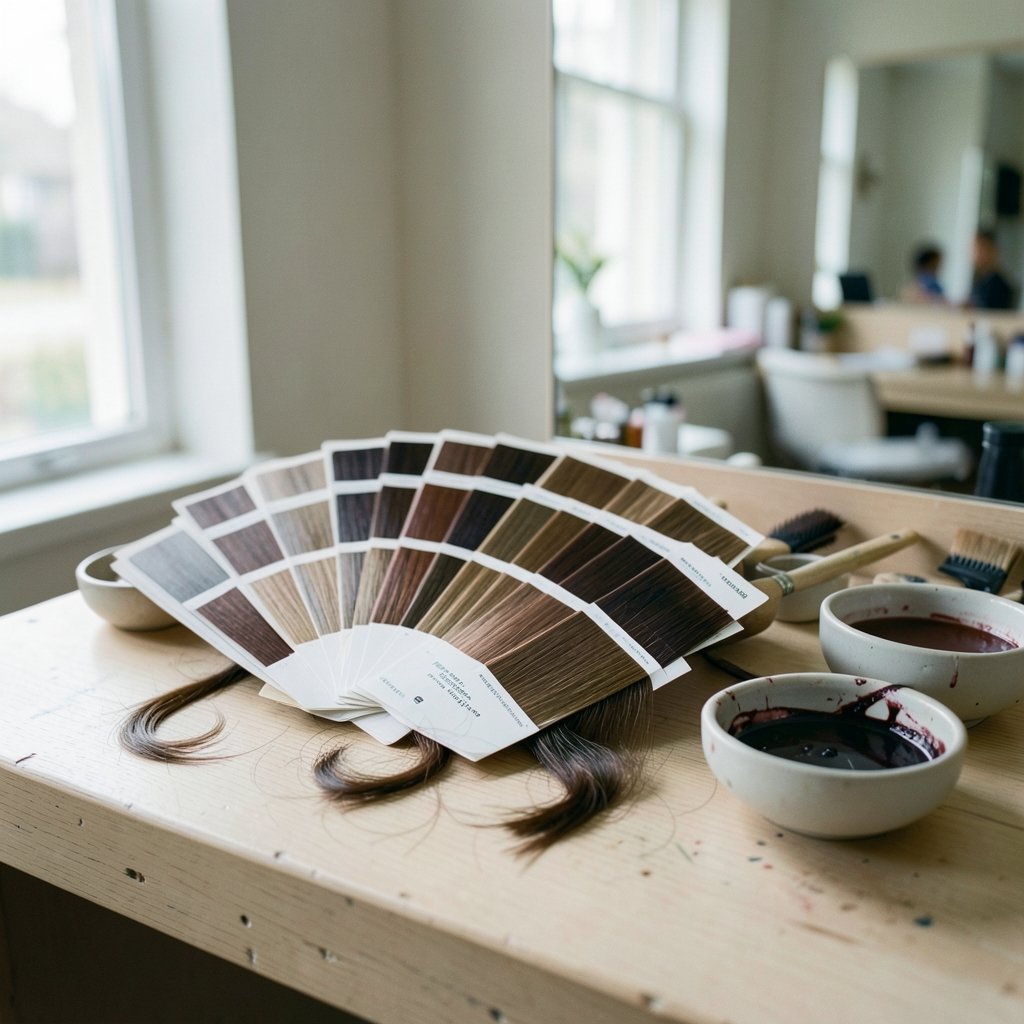
Brown hair is the most common hair color in many parts of the world, yet it is also one of the least understood. Is it simply “dark blonde,” or something biologically distinct? Why do some brown shades look warm and golden while others appear almost black? And why does the same brown hair look glossy in one photo and flat in another? This guide breaks down the science, the shade spectrum, and the practical care that actually works, with clear explanations you can use whether you are choosing a dye, building a routine, or just curious about what is happening inside each strand.
What Actually Makes Hair Brown?
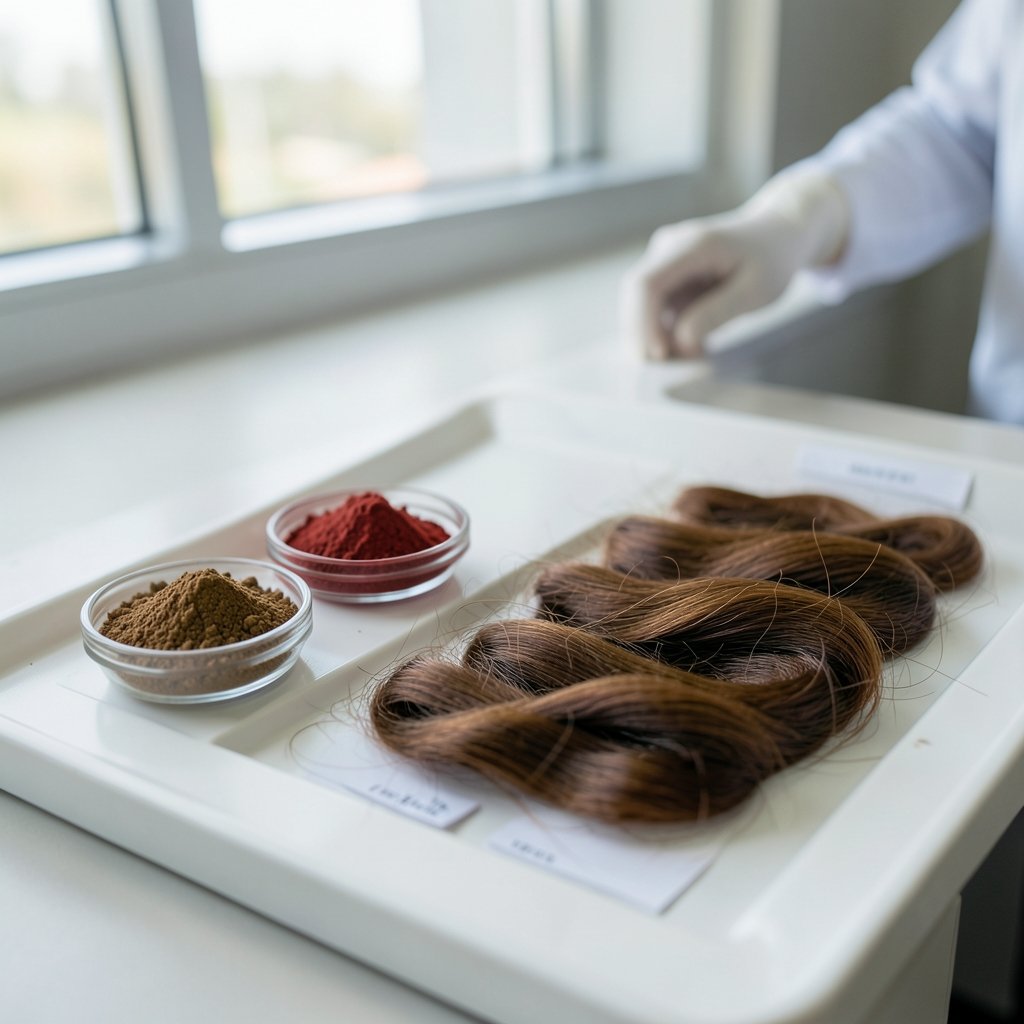
Hair color comes from melanin, a pigment produced by cells called melanocytes inside the hair follicle. Two types matter most. Eumelanin creates brown and black tones, while pheomelanin creates red and yellow tones. Brown hair sits in the middle of that spectrum: it contains a meaningful amount of eumelanin, but usually less than black hair, often with a small amount of pheomelanin blended in.
The exact shade depends on three variables: the total amount of pigment, the ratio of eumelanin to pheomelanin, and how densely the pigment is packed into the hair shaft. Two people can both be described as “brown-haired” while their strands share almost nothing at the pigment level. That is why brown hair is a category, not a single color.
One gene gets most of the attention in this conversation: MC1R. It acts like a switch that helps determine whether follicles favor eumelanin or pheomelanin production. Variants in MC1R are strongly associated with red hair, and the same gene influences lighter brown and blonde shades. The Wikipedia entry on MC1R is a reasonable starting point for the underlying biology, though the primary research literature is where the detail lives.
Why Brown Hair Looks Different on Different People
Two structural factors explain most of the variation you see in real life:
- Pigment density. Dense, tightly packed eumelanin reads as dark brown; sparser pigment reads as light or ashy brown.
- Light reflection. The cuticle, the outer layer of the hair shaft, determines how light bounces off. Smooth, flat cuticles reflect light evenly and create shine. Rough or lifted cuticles scatter light, which makes brown hair look dull or muddy.
This is the practical takeaway that most color advice misses: shine is a surface property, not a pigment property. You can have gorgeous light brown hair that looks flat, or dark brown hair that looks luminous, and the difference is almost entirely cuticle health.
The Brown Hair Shade Spectrum
Brown hair is usually described on a scale from light to dark, but real hair rarely sits neatly in one box. Most people have a mix of tones, and those tones shift with lighting, season, and age.
| Shade | Typical pigment profile | Common characteristics |
|---|---|---|
| Light brown | Lower eumelanin, moderate pheomelanin | Warm, golden, prone to sun lightening |
| Medium brown | Balanced eumelanin | The broad “default” category; versatile |
| Dark brown | High eumelanin | Deep, cool, can look near-black indoors |
| Ash brown | High eumelanin, low pheomelanin | Cool, muted, can look grayish in low light |
| Warm brown | Higher pheomelanin | Golden, copper, or honey undertones |
A common mistake is treating “ash” and “cool” as the same thing. They are related but not identical. Ash brown has a grayish, muted quality, while cool brown simply lacks red and gold warmth. If you are matching a dye to natural hair, look at your roots in indirect daylight, not under bathroom lighting, which tends to skew warm.
Why Brown Hair Changes Over Time
Hair color is not fixed for life. Many people are born with lighter brown hair that darkens through childhood as pigment production increases. Later, melanocytes gradually slow down and eventually stop producing pigment, which is what produces gray and white hair.
Sun exposure also plays a role. Ultraviolet light can break down pigment in the hair shaft, which is why brown hair often looks lighter and warmer at the end of summer. This is a real chemical change, not an optical illusion, and it is one reason color-treated brown hair can fade unevenly if it is not protected.
How to Care for Brown Hair So It Stays Rich
Brown hair is forgiving, but it is not maintenance-free. The single biggest factor in how brown hair looks day to day is cuticle condition. A few practical habits make a measurable difference.
Wash Less, Rinse Cooler
Frequent washing strips natural oils and lifts the cuticle, which is exactly what makes brown hair look flat. For most people, washing every two to three days is enough. When you do wash, a cooler final rinse helps the cuticle lie flat, which improves light reflection immediately.
Protect Against UV and Heat
If you spend time outdoors, UV exposure will lighten brown hair over months. A leave-in product with UV protection, or simply a hat during peak sun, preserves depth. Heat styling is the other major culprit: high temperatures create tiny cracks in the cuticle that scatter light. Keep tools on a moderate setting and use a heat protectant every time.
Choose Products by Symptom, Not by Label
A common mistake is buying “color-protecting” shampoo for hair that is not color-treated, or buying “volumizing” products for hair that is already porous. Match the product to the actual problem:
- Dull, flat brown hair: clarify occasionally to remove buildup, then use a lightweight leave-in.
- Frizzy brown hair: focus on moisture and a smoothing serum applied to mid-lengths and ends.
- Brassy brown hair: a toning treatment, used sparingly, neutralizes unwanted warmth.
Be Realistic About Dye
If you are coloring brown hair, the biggest practical risk is going too dark or too cool in one step. Dark dye on brown hair can look flat and harsh, and it is difficult to reverse. A general rule that works in practice: stay within two shades of your natural depth for the first change, and let a professional handle anything that requires significant lightening. Lightening brown hair always involves removing pigment, which stresses the cuticle, and that damage is cumulative.
Brown Hair and Skin Tone: What Actually Helps
The internet is full of rigid rules about which brown shades suit which skin tones. Most of them are oversimplified. A more useful approach is to think in terms of contrast and undertone rather than fixed categories.
If your skin has warm undertones, warm brown shades with golden or copper hints usually harmonize easily. If your skin has cool undertones, ash and cool brown shades tend to look more natural. Neutral undertones can generally wear either direction. The most reliable test is simple: hold a warm brown and a cool brown fabric next to your face in natural light and notice which one makes your skin look clearer rather than washed out. That is a better signal than any chart.
Common Myths About Brown Hair
A few persistent ideas deserve correction, because they lead people to make choices they later regret.
Myth: Brown hair is just dark blonde. Not quite. Brown hair generally has more eumelanin and a different pigment ratio. The categories overlap at the boundary, but they are not the same thing.
Myth: Brown hair is always warm. Plenty of brown hair is cool or neutral. Ash brown exists naturally and is common.
Myth: You cannot go blonde from brown without destroying your hair. You can, but it requires a staged process and honest expectations about condition. Damage is manageable when lightening is spread over multiple sessions rather than forced in one.
Myth: Brown hair is low maintenance. It is lower maintenance than platinum blonde, but brown hair shows brassiness, fading, and dullness clearly. It rewards a consistent routine.
What the Research Does and Does Not Tell Us
It is worth being honest about the evidence base. The genetics of melanin production are well established, and the role of MC1R in pigment switching is documented across decades of research. What is much less reliable is any specific claim about what percentage of the world’s population has brown hair. Precise global figures are hard to find in primary literature, and most numbers circulating online are unsourced or trace back to each other.
There is also a classification problem. Studies define “brown” differently, and boundaries between light brown, dark blonde, and dark brown vary. Add in the fact that hair color changes with age, and it becomes clear why prevalence statistics should be treated with caution. If you see a confident percentage, ask where it came from. For broader context on how hair color is studied and categorized, the Wikipedia overview of hair color is useful, and general resources on hair biology from the National Institutes of Health can help separate established science from marketing claims. (Brown hair)
Practical Takeaways That Hold Up
After sorting through the science and the common advice, a few principles consistently prove useful:
- Judge your shade in daylight. Indoor lighting distorts undertone more than most people realize.
- Treat shine as a maintenance goal. Smooth cuticles reflect light, and that is what reads as healthy brown hair.
- Change color gradually. Small steps are easier to correct than dramatic ones.
- Protect against UV and heat. These are the two biggest causes of fading and dullness.
- Ignore rigid skin-tone rules. Contrast and undertone matter more than categories.
- Question statistics. Precise prevalence figures for brown hair are rarely well sourced.
For more practical guidance on hair, color, and beauty topics, see Voozon Media.
Conclusion
Brown hair is far more interesting than its reputation suggests. It spans a wide spectrum of shades, it is governed by a measurable pigment system, and its appearance day to day depends heavily on cuticle health rather than pigment alone. The most useful shift in thinking is to stop treating brown hair as a single fixed color and start treating it as a range shaped by genetics, environment, and care. Get the fundamentals right, protect the cuticle, change color gradually, and judge shades in real light, and brown hair rewards you with depth and shine that no single dye can replicate.
Frequently Asked Questions
What determines whether hair is brown?
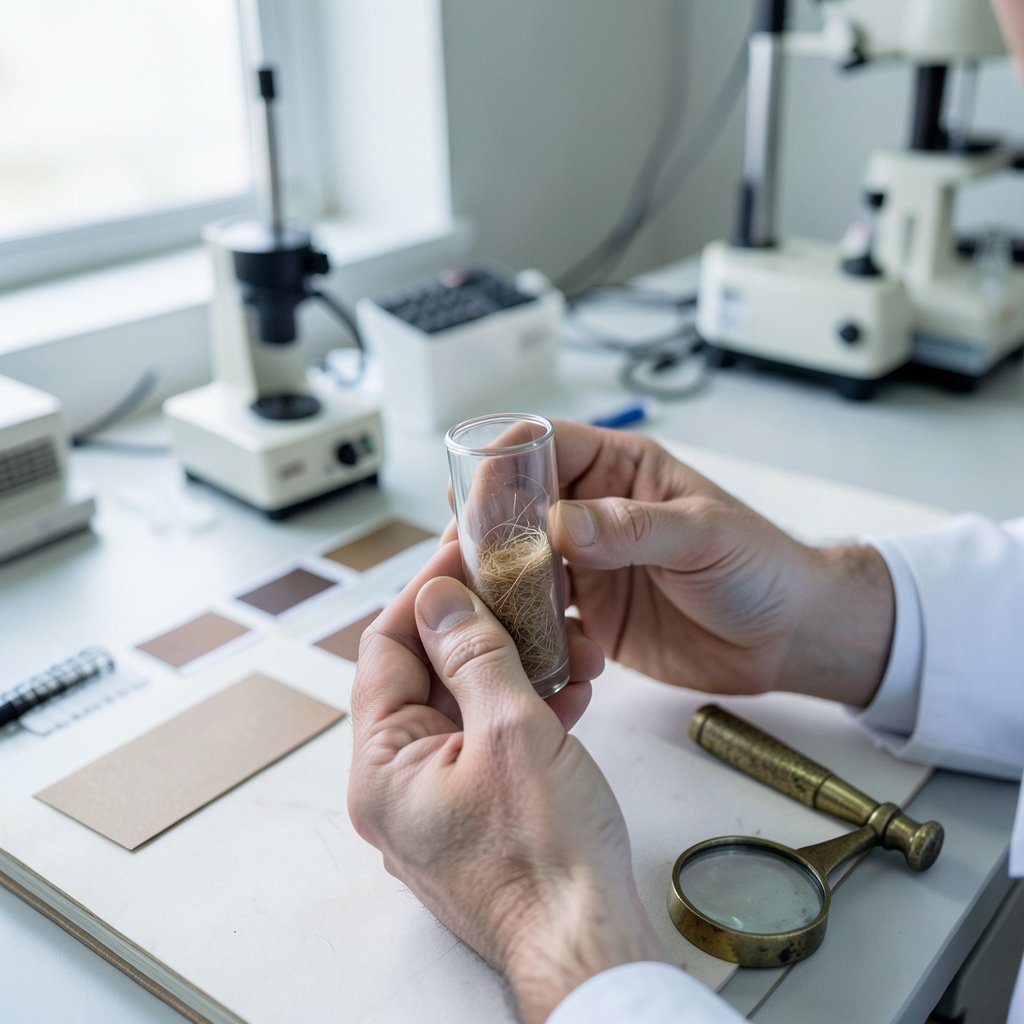
Brown hair results from a mix of two pigments: eumelanin, which creates brown and black tones, and pheomelanin, which creates red and yellow tones. Brown hair typically has a moderate amount of eumelanin, often with a small amount of pheomelanin. The exact shade depends on total pigment amount, the ratio between the two types, and how densely the pigment is packed into the hair shaft.
Is brown hair dominant or recessive?
Hair color does not follow simple dominant-recessive rules. It is a polygenic trait, meaning many genes contribute, with MC1R being the most studied. Because multiple genes interact, two brown-haired parents can have a child with lighter or darker hair. Simple inheritance charts for hair color are a significant oversimplification.
Why does my brown hair look dull sometimes?
Dullness is usually a surface issue, not a pigment issue. When the cuticle, the outer layer of the hair shaft, is rough or lifted, light scatters instead of reflecting evenly, which makes hair look flat. Buildup from products, heat damage, and over-washing all contribute. Clarifying occasionally and using a lightweight leave-in often restores shine quickly.
Can brown hair turn blonde without severe damage?
It can, but not without some damage. Lightening always involves removing pigment, which stresses the cuticle, and the damage is cumulative. Staged lightening across multiple sessions, with conditioning between them, produces far better results than forcing a dramatic change in one appointment. A professional assessment is worth it for significant lightening.
Does brown hair change with age?
Yes. Many people have lighter brown hair in childhood that darkens as pigment production increases. Later in life, melanocytes gradually slow and eventually stop producing pigment, leading to gray and white hair. Sun exposure can also lighten brown hair by breaking down pigment in the shaft.
What percentage of people have brown hair?
Reliable global figures are difficult to find, and most specific percentages circulating online are unsourced or trace back to each other. Part of the problem is definition: studies classify light brown, dark blonde, and dark brown differently, and hair color changes with age. Treat any precise statistic with caution unless it can be traced to a primary study.