
Red Tattoos: Why Bold Red Ink Demands Extra Care
 Abdul WadoodLast updated
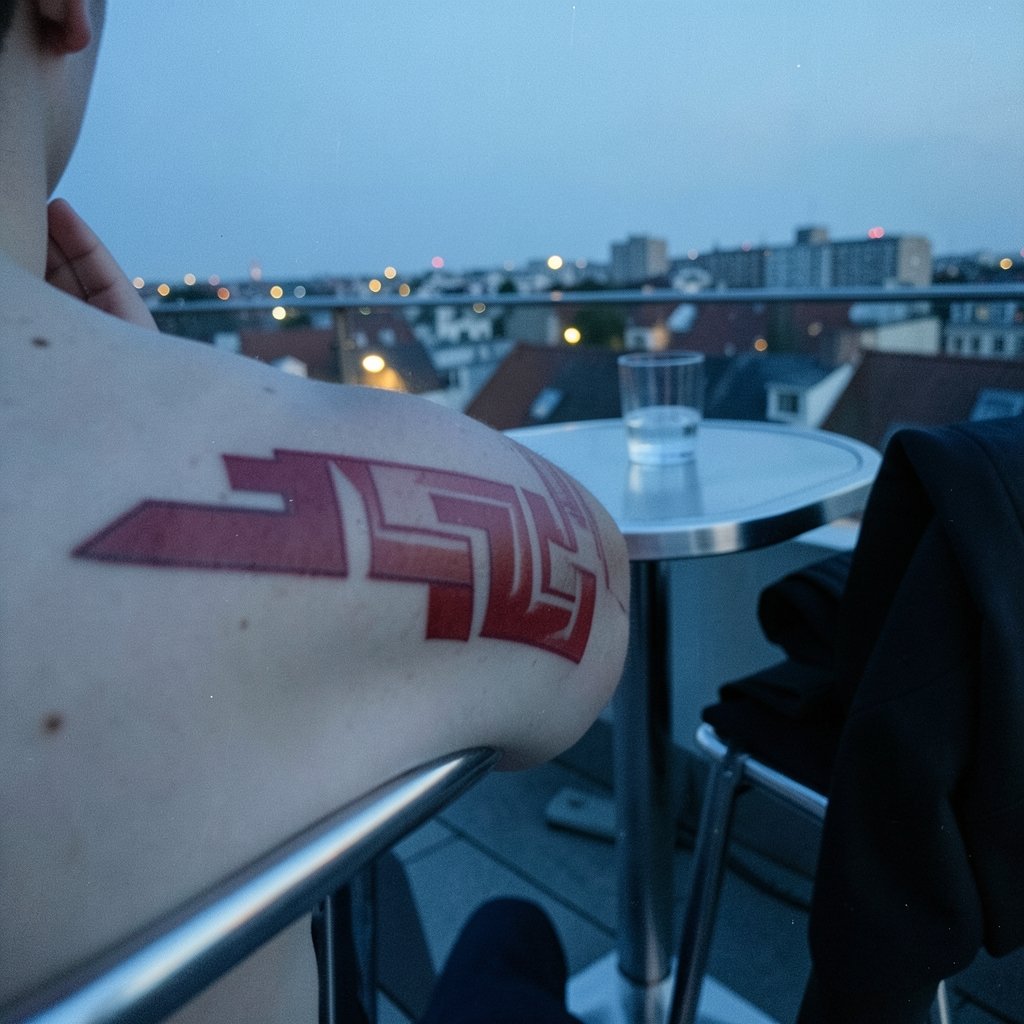
Red is the color that makes a tattoo stop traffic. It is also the color most likely to send you back to the studio with an itch, a bump, or a welt. Dermatologists have flagged red pigment as the leading culprit in tattoo reactions for decades, and that single fact changes how anyone should plan, get, and heal a red tattoo. This guide covers the science of red ink, how it behaves on different skin tones, the real reaction risks, and the practical habits that separate a crisp red piece from a blotchy regret. (Tattoo ink)
Why Red Ink Behaves Differently From Black
Black ink is mostly carbon, a stable element the body tolerates well. Red is a different story. It comes from organic pigments, and those molecules are more complex, more variable between brands, and more likely to trigger an immune response. Modern red inks often rely on azo pigments such as Pigment Red 22, 170, and 210, or on quinacridone compounds. Older formulations sometimes used mercury sulfide, known as cinnabar or vermillion.
Manufacturers rarely publish full ingredient lists, and formulations are often proprietary. That inconsistency matters. Two bottles of “red” can contain entirely different chemistry, which is one reason reactions seem unpredictable from artist to artist and client to client. The color that photographs most dramatically is, ironically, the one with the least standardized recipe.
There is a cultural layer too. Red ochre, cinnabar, and vermillion appear in tattoo traditions across many cultures, and the shade has carried meanings from status to protection. That history is part of red’s pull. For a deeper look at why red hair and red pigment both fascinate people, the rarity story behind ginger hair and why red locks are rarer than you think is a surprisingly good companion read, because the genetics of red coloring and the chemistry of red dye share a similar “rare and complicated” reputation.
The Real Reaction Risk, Explained Plainly
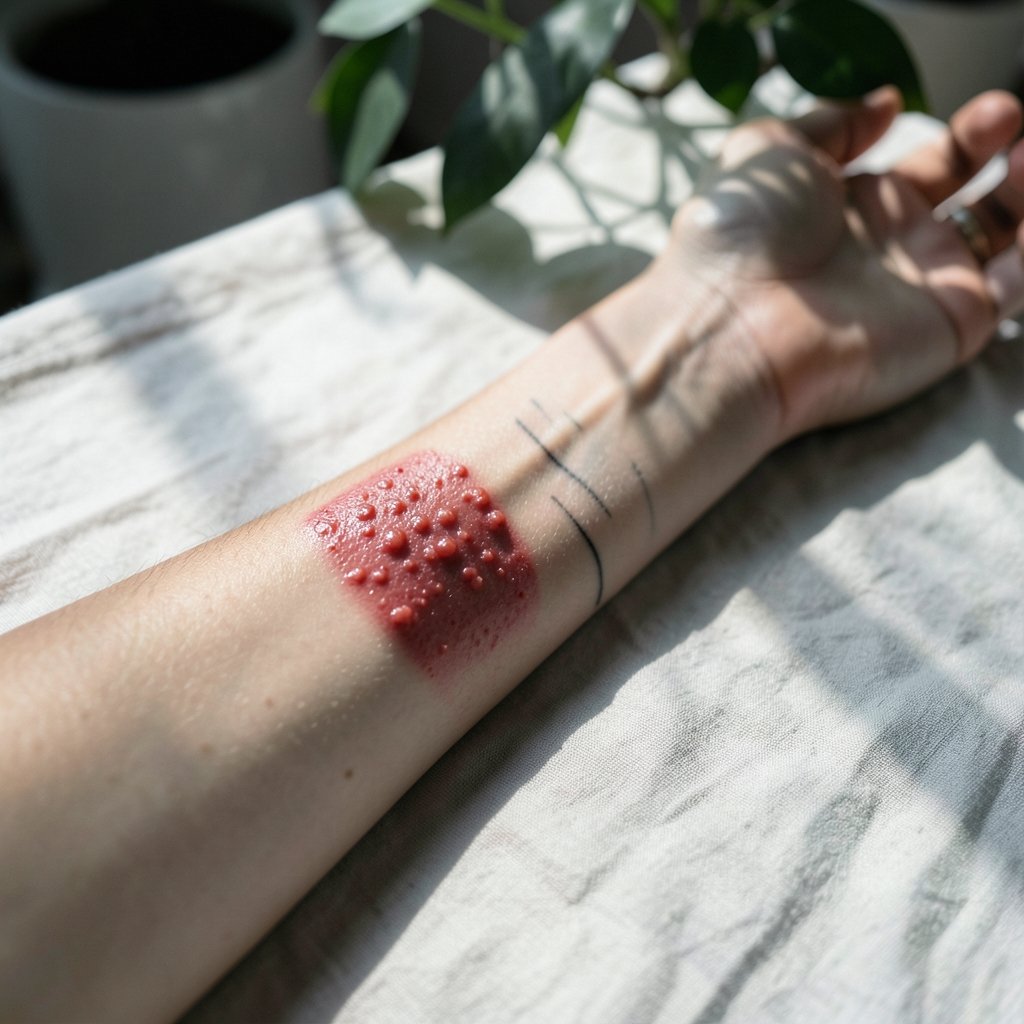
Red pigment is the most frequently reported cause of allergic and granulomatous reactions in tattooed skin. The word allergic is doing heavy lifting here. These reactions can appear months or even years after a tattoo heals, which is why people assume the ink was fine and something else must be wrong. It usually is not something else.
Typical signs include:
- Persistent itching confined to the red areas
- Raised, bumpy, or scaly patches
- Swelling that comes and goes
- Small nodules forming under the skin
- Sun-triggered flare-ups
Note the pattern: reactions cluster in the red sections while black lines nearby stay calm. That localized behavior is a strong clue. Exact prevalence is uncertain and varies widely between studies, so no one can quote you a reliable percentage. What clinicians agree on is the ranking, and red sits at the top.
This is not a reason to avoid red forever. It is a reason to test, to ask questions, and to treat red as the one color where a patch test is genuinely worth the hassle.
How Red Looks on Different Skin Tones
Red is unusually sensitive to the skin underneath it. The same bottle of ink reads differently on fair, olive, tan, and deep brown skin, because pigment sits beneath a translucent layer that filters light.
| Skin tone | How red typically reads | Practical note |
|---|---|---|
| Very fair | Bright, saturated, high contrast | Red can look almost neon; fine lines hold well |
| Fair with pink undertones | Warm and vivid | Can appear slightly coral in daylight |
| Olive | Muted, earthy | Often shifts toward brick or rust over time |
| Golden tan | Rich and warm | Copper and scarlet both perform well |
| Deep brown | Deep, velvety, low contrast | Saturated crimson and oxblood stay visible; pale reds can fade toward grey |
The takeaway is not that one tone is better. It is that the artist needs to choose the specific red for your skin. A shade that looks electric in a portfolio may settle into a dull maroon on a different canvas. Ask to see healed work on skin similar to yours, rather than fresh photos under studio lighting alone. If you are weighing shades, this breakdown of copper hair and what this warm red shade really involves uses the same logic of warm undertones and how they shift in different light; the parallel helps when you are picking a red that flatters rather than fights your complexion.
Choosing a Red: Scarlet, Crimson, Oxblood, or Rust
“Red” is a family, not a single color. Each branch behaves differently in skin.
Scarlet is the brightest and most orange-leaning. It pops hard on fair skin and can look almost fluorescent when fresh. It also fades fastest, because bright organic pigments break down under UV exposure.
Crimson sits closer to true red with a blue lean. It holds up well on deeper skin tones and reads as classic rather than trendy.
Oxblood is dark, brownish, and moody. It ages gracefully because it has less far to fall when it fades, and it suits large-scale work.
Rust and brick are muted and earthy. They blend beautifully with black and grey and rarely look garish, which makes them a safe choice for first-timers.
A common mistake is choosing a red from a flash sheet without seeing it healed. Fresh red ink is dramatically brighter than settled red ink. Expect a drop of roughly one shade in intensity over the first year, and plan the design around the settled color, not the fresh one.
What Actually Works: Practical Habits That Protect Red
These are the habits that reliably make a difference, drawn from how artists and clients handle red ink in practice.
- Ask for a patch test. A small dot of the exact red ink, placed somewhere discreet and left for a week, tells you more than any online forum. It is not foolproof, since reactions can take months, but it catches the fast responders.
- Ask what pigment the artist uses and note the brand. If a reaction ever appears, that record is gold for a dermatologist.
- Keep red work out of high-friction zones if you are reaction-prone. Waistbands, bra straps, and shoe collars rub constantly.
- Commit to sun protection. UV light degrades red pigment faster than black and is a known trigger for flare-ups in sensitized skin. SPF 50 on healed red tattoos is not optional.
- Do not scratch, pick, or scrub. During healing, red patches itch more than black. Cold compresses beat fingernails every time.
- Go back to the artist early if something changes. A bump that appears at month eight is a medical question, not a cosmetic one.
The single biggest mistake people make is assuming a late reaction means the tattoo is infected. It usually is not. Infections show up fast, within days, with heat, pus, and spreading redness. A bump that appears months later is far more likely to be an immune response to the pigment itself. Treating it with antibiotic cream does nothing, and delaying a dermatology visit lets it worsen.
Red Dye, Red Ink, and the Regulation Gap
Here is where red tattoos get genuinely messy. Regulation differs sharply between regions, and the rules are moving. (Tattoos: Understand risks and precautions (Mayo Clinic))
In the European Union, a broad restriction on hazardous substances in tattoo inks took effect on 4 January 2022 under the REACH framework, with transition periods for some pigments. Several red azo pigments were caught up in that restriction, though the precise list and current status are worth confirming directly, since transition windows have shifted. In the United States, tattoo inks are regulated as cosmetics, and the FDA has stated that many pigments, including some reds, have not been approved for injection into skin. The FDA has also issued warnings about contaminated inks and recalls tied to specific brands.
The practical upshot: a red that is legal in one country may be restricted in another, and “legal” is not the same as “approved for injection.” Artists who source ink carefully, keep batch records, and stay current on restrictions are doing their clients a real service. Clients who ask “which brand, and is it compliant here?” are doing themselves one.
This regulatory fog is exactly why red deserves more caution than black. Black has a long safety record. Red has a long reaction record. Those are not the same thing.
Removal, Cover-Ups, and the Red Problem
Red ink complicates removal. Some laser wavelengths target red poorly, and certain Q-switched lasers can cause red pigment to darken paradoxically rather than fade, a documented clinical phenomenon. That means the wrong laser session can leave a red tattoo permanently darker. If removal is on your mind, choose a provider who specifically discusses red pigment and can name the wavelength they plan to use.
Cover-ups have their own logic. Red is hard to hide because it is bright and because layering dark ink over it can produce a muddy purple. Experienced artists often steer red cover-ups toward designs that use the red rather than fight it, turning the old pigment into a shadow, a flame, or a background wash.
For anyone who has already gone through the red-hair dye learning curve, the overlap is real: both involve pigment chemistry, both fade under UV, and both punish skipping the patch test. This guide to red hair dye and how to pick, apply, and keep your color covers the same principles of pigment selection and fading that apply to ink, just on a different canvas.
Aftercare That Respects Red Pigment
Standard tattoo aftercare works, but red needs a few adjustments.
Wash gently with fragrance-free soap twice daily for the first week. Pat dry with a clean paper towel rather than a cloth. Apply a thin layer of ointment, not a thick one, because trapped moisture under a heavy layer invites irritation. Skip alcohol, hydrogen peroxide, and anything with fragrance. Avoid swimming pools and long baths until the surface closes.
Once healed, moisturize regularly. Hydrated skin looks more even and reflects light better, which makes red appear more saturated. Keep the sunscreen habit going year-round, including summer. Red fades on a schedule set mostly by sun exposure, so the person who re-applies SPF is the person whose red still looks red at year five.
If you are comparing red shades for a future piece, this look at auburn hair and what makes it different from red-brown is a useful exercise in telling similar reds apart, which is precisely the skill you need when an artist shows you five swatches that all look “red” until you see them side by side.
Conclusion
Red tattoos earn their reputation twice over: once for how striking they look, and once for how much attention they demand. The pigment is less standardized than black, more likely to provoke a reaction, more sensitive to skin tone, and more complicated to remove. None of that makes red a bad choice. It makes red a choice worth making deliberately.
The people who end up happiest with red ink tend to share a few habits. They ask about pigment brands. They patch test. They choose shades for their own skin rather than for a photograph. They protect the work from the sun with something close to religious devotion. And they treat a late-appearing bump as a medical signal rather than a cosmetic annoyance.
Red is the loudest color in the studio. Treat it with the respect it demands, and it will stay loud for decades.
Frequently Asked Questions
Are red tattoos more dangerous than black tattoos?
Red ink is the pigment most frequently linked to allergic and granulomatous reactions in tattooed skin, so it carries a higher reaction risk than black. That does not mean red is unsafe for everyone. It means red warrants a patch test, a conversation about pigment brands, and closer monitoring during healing.
Why does my red tattoo itch years after I got it?
Late-onset itching confined to red areas is a classic sign of a pigment sensitivity rather than an infection. Infections appear within days with heat and pus. A reaction that shows up months or years later is more likely immune-related and should be evaluated by a dermatologist rather than treated with antibiotic cream.
Can I be allergic to red tattoo ink if I passed the patch test?
Yes. Patch tests catch fast responders, but red pigment reactions can take months or years to develop, so a clear test is reassuring rather than a guarantee. Keep a record of the ink brand and batch your artist used, since that information is valuable if a reaction ever appears.
Does red tattoo ink fade faster than black?
Red generally fades faster than black because organic red pigments break down under UV exposure, and bright shades like scarlet lose intensity most quickly. Sun protection is the single most effective way to slow that fade. Expect a drop of roughly one shade in intensity within the first year.
Is red tattoo ink banned in Europe?
The EU introduced a broad restriction on hazardous substances in tattoo inks on 4 January 2022 under the REACH framework, with transition periods for some pigments, and several red azo pigments were affected. Because transition windows have shifted, confirm the current status of a specific pigment directly rather than relying on older summaries.
Can red tattoos be removed with laser treatment?
Red can be harder to remove than black, and some Q-switched lasers cause red pigment to darken instead of fading, a documented clinical effect. Ask any removal provider which wavelength they plan to use and how they handle red specifically. A provider who cannot answer that clearly is not the right one.