
Leg Tattoos for Men: Placement, Pain & Design Guide
 Abdul WadoodLast updated
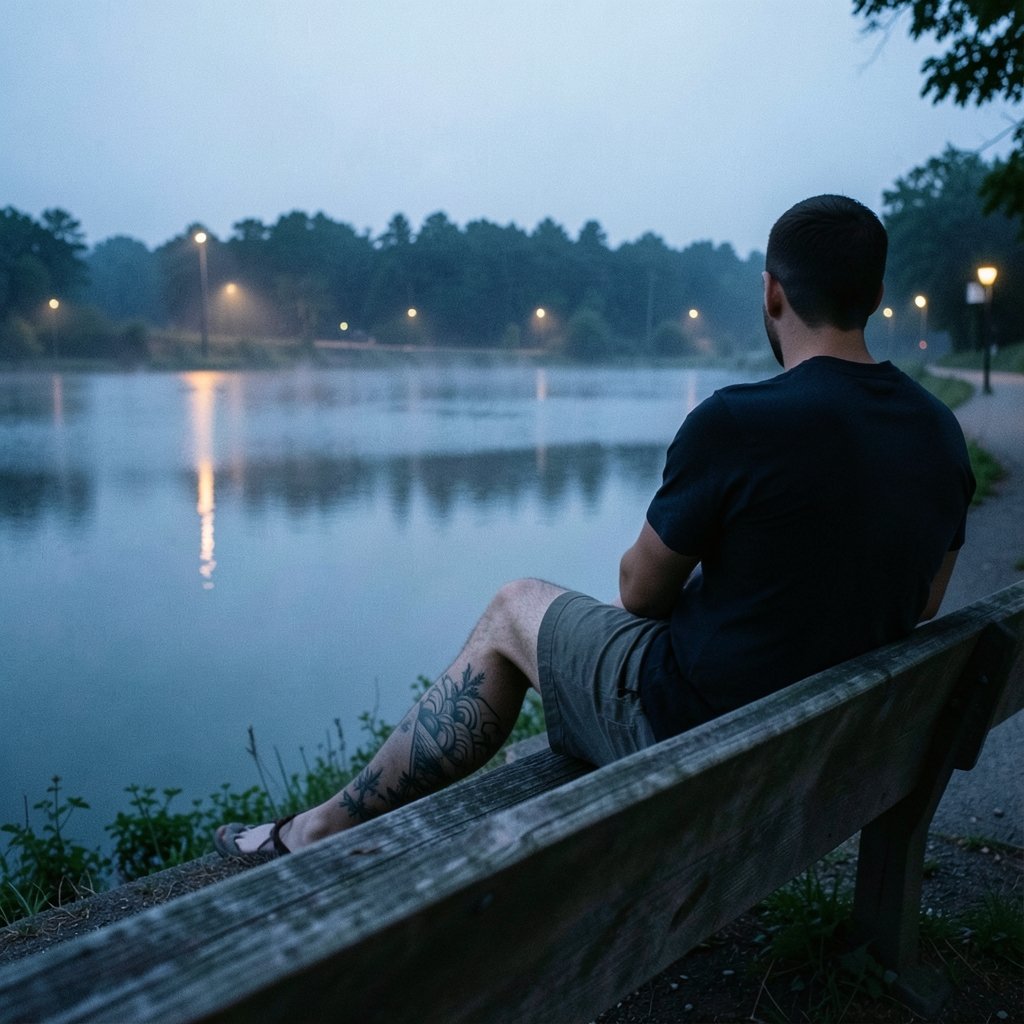
A 5,300-year-old mummified man known as Ötzi the Iceman carried more than 60 tattoos, and several of them sat on his legs. That detail is easy to forget when arm sleeves get most of the attention. Yet leg work has quietly become one of the most practical and popular choices for men who want serious ink without wearing it to every meeting.
Leg tattoos for men sit at a useful crossroads: visible when you want them, hidden when you don’t. Below is a grounded look at why men choose the leg, what actually hurts, which designs hold up over time, and the mistakes that send people back for expensive fixes.
Why Men Choose the Leg Over the Arm
The single biggest driver is coverability. A calf or thigh tattoo disappears under trousers, which matters for teachers, lawyers, doctors, and anyone in client-facing work. You get the personal statement without the workplace friction. (Tattoo)
There is also the canvas question. The thigh is one of the largest flat-ish areas on the body, and the calf wraps nicely around a curve. For men who want a cohesive piece rather than scattered small tattoos, the leg offers room to build. Tattoo culture even borrowed from tailoring: large leg pieces are sometimes called “pants” or “trouser” tattoos, and a full leg is a “leg sleeve.” (Tattoos and piercings: What to know before you go)
One more practical point: legs age differently than forearms. Sun exposure is lower, so lines stay crisper longer. That is not a small thing, because fading is a slow process you only notice years later.
Leg Tattoo Pain: What to Actually Expect
Pain talk online is full of bravado. Here is the honest version. Pain depends on three things: nerve density, muscle versus bone, and how long the session runs.
| Placement | Pain Level | Why |
|---|---|---|
| Outer thigh | Low to moderate | Muscular, fewer nerve endings |
| Calf (meaty part) | Moderate | Muscle absorbs some of the needle work |
| Shin | High | Skin sits directly on bone |
| Knee | Very high | Constant flexing, thin skin, bone underneath |
| Ankle and foot | High | Dense nerve clusters |
| Behind the knee | Very high | Tender, thin, and awkward to hold still |
| Inner thigh | High | Soft skin, sensitive, personal |
The pattern is simple: flesh is forgiving, bone is not. A well-muscled calf will feel easier than a bony shin, and a long session on the knee will test anyone’s resolve.
Pain also scales with time. A three-hour session hurts more in hour three than hour one, not because the needles changed but because adrenaline fades and swelling sets in. Practical advice that actually works:
- Book the bony areas as shorter sessions and split the work across visits.
- Eat a real meal beforehand and bring water and something sugary.
- Avoid alcohol for 24 hours before; it thins the blood and affects how ink settles.
- Tell the artist when you need a break. Silence and gritted teeth help nobody.
- Do not schedule a shin piece the day before a long hike.
A common mistake is assuming the leg is a “beginner” spot. The outer thigh is forgiving, but the knee, shin, and ankle are among the more painful places on the body. Choosing the right spot matters more than choosing a tough attitude.
Design Styles That Suit the Leg
The leg’s shape rewards certain styles and punishes others. Long vertical shapes follow the limb. Circular designs can look warped once wrapped around a calf.
Black and Grey Realism
Black and grey realism works well on the thigh because the area is broad and relatively flat. Portraits, animals, and anatomical pieces read clearly at this scale. The trade-off is that realism needs skilled shading, and cheap realism looks muddy within a few years.
Traditional and Neo-Traditional
Bold outlines and limited palettes hold up best over decades. Traditional work on a calf looks deliberate and ages gracefully. If longevity is the priority, bold will beat delicate almost every time.
Geometric and Blackwork
Geometric patterns suit the leg because straight lines and symmetry can be mapped to the limb’s shape. Blackwork bands and solid fills are striking, though they take multiple sessions and heal slowly on the lower leg.
Japanese and Irezumi
Large-scale Japanese work suits a full leg sleeve, with koi, waves, and dragons flowing around the calf and thigh. These pieces are usually planned as multi-year projects.
Script and Small Pieces
Small script on the ankle or calf is popular but fragile. Fine lettering blurs as it ages, especially on areas that rub against socks and shoes. If text matters to you, go slightly larger than feels necessary.
Placement Strategy: Building a Leg That Works Together
Random placement is the most common regret. Men often start with one tattoo on the calf, add another on the shin, then struggle to connect them.
A better approach is to plan the whole leg, even loosely:
- Outer thigh: the anchor. Large pieces, portraits, and main statements.
- Front thigh: good for vertical designs that follow the muscle.
- Calf: best for pieces that wrap, like bands, animals, or Japanese motifs.
- Shin: strong for narrow vertical designs, but painful and highly visible in shorts.
- Knee: usually a filler or connector, rarely a starting point.
- Ankle: small accents only; expect fading and touch-ups.
Think in terms of negative space. Leaving gaps lets future pieces breathe and gives the artist room to connect work later. A leg sleeve built over five years with planned gaps looks intentional. One built by impulse looks like a sticker album.
Working With an Artist: What Separates Good Results From Bad
The artist matters more than the design. A great artist will tell you when a design will not work on a calf. A mediocre one will say yes to everything.
What to look for:
- Healing photos, not fresh photos. Fresh tattoos always look sharp. Healed work shows the real skill.
- Consistency in the style you want. A brilliant traditional artist is not automatically a good realism artist.
- Willingness to say no. Good artists push back on placement and size.
- Clear pricing. Reputable shops quote by session or hourly rate upfront.
What to avoid: artists who copy designs straight from a screen without adapting them to your leg, shops with no visible hygiene standards, and anyone who pressures you to go bigger than you planned on the day.
Hygiene is not optional. Tattooing is regulated at state and local level in the United States, and the FDA’s oversight focuses on tattoo inks and pigments, which it treats as cosmetics. That split means your protection comes largely from the shop itself: fresh needles, gloves, sealed ink caps, and a clean station. Ask questions if something looks off. A good shop will not be offended by a hygiene question.
Cost, Sessions, and Realistic Timelines
Leg work is rarely cheap, and the leg’s size means more sessions than people expect.
| Scope | Typical Sessions | Notes |
|---|---|---|
| Small calf piece | 1 | Often a single sitting |
| Half calf or thigh piece | 1–2 | Depends on detail and shading |
| Full calf sleeve | 2–4 | Spaced weeks apart for healing |
| Full leg sleeve | 6–15+ | Often spread over a year or more |
Two costs get overlooked. First, touch-ups: most artists offer them free or cheap within a set window, but travel and time still cost you. Second, healing time: a large leg piece can mean a week of discomfort, swelling, and careful washing, plus weeks of avoiding tight trousers and gym sessions that stretch the skin.
A practical tip that saves money: decide the full leg concept before the first needle. Covering or reworking an existing piece costs more than planning properly the first time.
Healing a Leg Tattoo Without Wrecking It
Leg tattoos heal differently from arm tattoos because trousers, socks, and shoes create friction.
What works:
- Keep the initial wrap on as long as your artist instructs, then wash gently with fragrance-free soap.
- Pat dry with a clean paper towel; do not rub.
- Apply a thin layer of recommended ointment. Thin is the key word; smothering traps bacteria.
- Wear loose trousers for the first week. Skip tight jeans.
- Avoid the gym, swimming, and saunas until the skin closes.
- Keep it out of direct sun. New ink fades fast under UV.
What does not work: picking scabs, soaking in a bath, and “letting it breathe” in dirty environments. Also skip the urge to show it off at a pool party in week one.
Common Mistakes Men Make With Leg Tattoos
These come up again and again in shops:
- Starting at the ankle. Small, painful, and hard to build from.
- Ignoring the knee. The knee is usually the last piece of a leg sleeve and the hardest to sit through. Plan it early so you are not exhausted by the time you get there.
- Choosing a design that fights the limb. Perfect circles and horizontal bands warp around a calf.
- Underestimating visibility in summer. Shin and calf pieces are on display constantly in shorts.
- Skipping the concept. A leg built without a plan rarely looks cohesive.
- Rushing the healing. Most infections and patchy spots come from impatience, not bad luck.
Conclusion
Leg tattoos for men make sense for reasons that have nothing to do with fashion cycles. The leg offers space, coverability, and a canvas that ages well when the work is planned. The trade-offs are real: bony spots hurt, large pieces cost more than people budget for, and the healing period demands discipline around clothing and activity.
The men who end up happiest with their legs are rarely the ones who booked the biggest piece fastest. They are the ones who picked a forgiving spot to start, chose an artist whose healed work they actually liked, and planned the whole leg before the first needle touched skin. Start with the outer thigh or the meaty part of the calf. Leave room. Let it grow into something that still makes sense in ten years.
Frequently Asked Questions
How much do leg tattoos for men cost?
Cost depends on size, detail, and the artist’s rate. Small pieces are usually a single session, while a full leg sleeve can run across many sessions over a year or more. Always ask for a written quote and clarify whether touch-ups are included.
Which part of the leg hurts the most?
The knee, shin, ankle, and the area behind the knee are generally the most painful. The outer thigh and the meaty part of the calf are the most forgiving. Bony areas with thin skin hurt more because there is less muscle to absorb the needle work.
Can I get a leg tattoo if I wear trousers all day?
Yes, but plan the timing. Tight trousers create friction during the first week of healing. Book the session before a stretch of days when you can wear loose clothing, and avoid scheduling it right before a long flight or a physical work week.
How long does a full leg sleeve take?
Most full leg sleeves take multiple sessions spread over months, often a year or more. The timeline depends on the style, the amount of detail, and how quickly you heal between appointments. Artists usually prefer spacing sessions several weeks apart.
Do leg tattoos fade faster than arm tattoos?
Generally, leg tattoos fade more slowly because they see less sun. The exception is the lower leg, where socks, shoes, and shin exposure to sunlight can wear ink down faster. Sunscreen on exposed areas is the single best defense.
Is it better to start with the calf or the thigh?
The outer thigh is usually the better starting point. It is less painful, easier to cover, and offers a large flat area for a first substantial piece. The calf works well too, but it wraps around a curve, which makes design placement trickier.