
Is Aquaphor Good for Tattoos? Expert Healing Guide 2026
 Abdul WadoodLast updated

Quick Answer: Is aquaphor good for tattoos?
It depends. Aquaphor Healing Ointment can work well as a short-term, thin-layer moisturizer during the first few days of tattoo healing, but it is not a tattoo-specific product and it causes problems when applied too thickly or used for too long. Lighter lotions and dedicated tattoo balms are comparable alternatives, and they differ mainly in texture, breathability, and how easy they are to over-apply.
The main thing that matters is technique, not brand loyalty: a thin layer, clean hands, gentle washing, and knowing when to switch to a lighter product. Before committing, check the ingredient list, your skin type, your artist’s written aftercare instructions, signs of irritation, and how much product you tend to apply, since over-application is the most common mistake.
New tattoos are big business. Estimates suggest millions of Americans get inked every year, and aftercare advice spreads faster than healing skin can keep up. Walk into any shop and you will hear the same word repeated: Aquaphor. But is that jar of petrolatum-rich ointment a genuine hero or just a habit passed down through tattoo chairs? The honest answer sits somewhere in the middle, and it depends heavily on how you use it.
Why Aquaphor Became the Default Tattoo Ointment
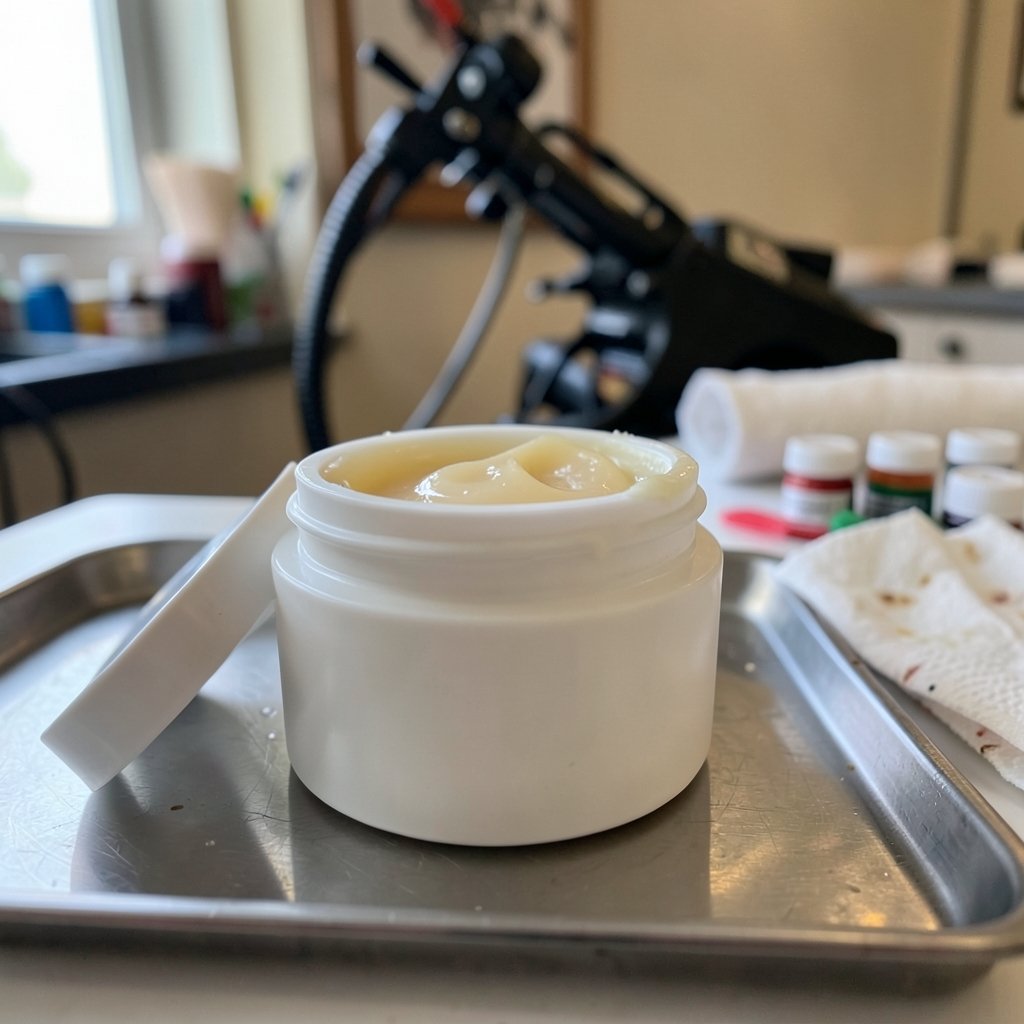
Aquaphor Healing Ointment is an occlusive product, meaning it forms a protective barrier on the skin’s surface. Petrolatum is typically its first ingredient, and that barrier slows water loss while shielding raw, healing skin from outside irritants. For a fresh tattoo, which is essentially a superficial wound, that protection sounds ideal.
There is also a practical reason artists recommend it: it is cheap, widely available, fragrance-free, and thick enough that a tiny amount goes a long way. In a busy shop, a product that is easy to explain and hard to misuse in theory becomes the default. Over time, recommendation turned into tradition, and tradition turned into near-universal advice.
It is worth being clear about one thing, though: Aquaphor is not marketed as a tattoo product. Its label directions target minor cuts, scrapes, and dry skin. Tattoo use is an off-label, word-of-mouth application, which is exactly why technique matters more than the brand name.
What Aquaphor Does Well During Healing
Used correctly, Aquaphor has real strengths in the first phase of healing.
It locks in moisture
A healing tattoo dries out fast, and dry, cracking skin itches and can scab unevenly. A thin layer of ointment keeps the surface supple, which many artists credit with smoother healing.
It creates a barrier
Fresh tattoos weep plasma and are vulnerable to bacteria and friction from clothing. An occlusive layer reduces that exposure, especially in the first two to three days.
It is simple and fragrance-free
Fragrance is a common irritant in skincare. Aquaphor avoids added perfume, which lowers one risk factor for sensitive skin.
A little goes far
Because it is thick, a pea-sized amount covers a palm-sized area. Cost per use is genuinely low.
Where Aquaphor Goes Wrong: The Over-Application Trap
Here is the part that rarely makes it into aftercare speeches. The biggest risk with Aquaphor is not the product itself. It is the handful people scoop out because thick ointment feels protective.
When applied heavily, an occlusive can trap moisture, sweat, and bacteria against broken skin. It can also soften scabs prematurely, and a scab that slides off too early takes ink with it. The result is patchy, faded areas that need a touch-up.
The practical rule that actually works: thin layer, three times a day at most, blotted until barely shiny. If the tattoo looks wet or greasy, you used too much. Dab the excess off with a clean paper towel. Many experienced artists suggest switching to a lighter, water-based lotion after the first three to five days, once weeping has stopped and the surface has begun to settle.
A second common mistake is cross-contamination. Scooping from a large tub with fingers, then touching the tattoo, is a hygiene problem. Wash hands first, or use a pump or squeeze tube.
Aquaphor vs. Alternatives: A Practical Comparison
| Product type | Texture | Best phase | Main risk | Good for |
|---|---|---|---|---|
| Aquaphor Healing Ointment | Thick, occlusive | Days 1–4 | Over-application, trapping bacteria | Small tattoos, dry healing, winter skin |
| Water-based tattoo lotion | Light, absorbs fast | Days 4–14 | Under-moisturizing if skipped | Larger pieces, itchy phase |
| Dedicated tattoo balm | Medium, waxy | Days 1–14 | Inconsistent regulation, cost | People who want one product throughout |
| Plain fragrance-free moisturizer | Light to medium | Days 4 onward | Fragrance or additives in cheap versions | Sensitive skin, budget healing |
| No product (dry healing) | None | Whole process | Cracking, heavy scabbing | Only under close artist guidance |
The takeaway from the table is not that one row wins. It is that phases matter. Ointment early, lotion later, and a light hand throughout is the pattern most artists describe when they are being specific rather than repeating a slogan. (Petroleum jelly)
What Dermatology Guidance Actually Says
General skin-care guidance from professional dermatology bodies tends to emphasize three things for healing tattoos: keep the area clean, keep it moisturized, and protect it from sun exposure. Notably, that guidance does not single out Aquaphor or any brand. It describes principles, not products.
That distinction matters for anyone searching for an official endorsement. There is no regulatory body that certifies tattoo aftercare ointments, and no large clinical trial specifically comparing Aquaphor against tattoo balms has become standard reference material. Most of what circulates is practitioner experience, which is valuable but anecdotal rather than measured.
For broader context on how tattoos interact with skin and healing, the general overview at Wikipedia’s tattoo article covers history, process, and aftercare conventions. For wound-care principles that underpin all of this advice, the World Health Organization publishes general guidance on wound management and infection prevention that applies to any broken-skin situation.
Matching the Product to the Tattoo
Not every tattoo needs the same routine. A small linework piece on a forearm and a full-color sleeve are different healing projects.
Small, simple tattoos generally tolerate Aquaphor well because the treated area is limited and easy to keep clean. A thin film for three or four days, then a light lotion, is a reasonable path.
Large, saturated pieces produce more weeping and more surface area. Heavy ointment across a big area raises the odds of trapping moisture and clogging pores, which can trigger small pimples around the tattoo edges. Many artists prefer a lighter product from day two onward for these.
Sensitive or acne-prone skin deserves extra caution. Occlusives can aggravate both conditions when layered thickly. Patch-testing a small area first is a sensible, low-cost precaution.
Placement matters too. Tattoos under clothing, on the back or thighs, face more friction and sweat. A thinner product reduces the greasy, sticky feeling that makes people want to skip aftercare altogether.
A Step-by-Step Aftercare Routine That Works
- Leave the artist’s bandage on for the time they specify, which varies by wrap type.
- Wash gently with lukewarm water and fragrance-free soap, using clean fingertips, not a cloth.
- Pat dry with a clean paper towel. Do not rub.
- Apply a thin layer of Aquaphor only if the skin feels tight, two to three times daily for the first three to five days.
- Blot excess so the surface looks satin, not wet.
- Switch to a light, fragrance-free lotion once weeping stops and flaking begins.
- Wash hands before every touch, and never dip fingers into a shared tub.
- Keep it out of the sun and skip swimming pools, hot tubs, and long baths until healed.
If a step conflicts with your artist’s written instructions, follow the artist. They know the wrap, the needle work, and your specific piece.
When to Stop Using It
Stop and reassess if you notice spreading redness, warmth, swelling, pus, a foul smell, or a rash of small bumps. These can signal irritation or infection, and continuing to seal the area under ointment makes things worse, not better. A pharmacist or doctor can advise on next steps.
Also stop if the tattoo simply feels smothered, sticky, and constantly damp. That is your cue to cut back to a lighter product. The skin does not need to be sealed airtight to heal well. It needs to be clean, lightly moisturized, and left alone.
For readers building a broader content or brand strategy around skincare and body-art topics, resources like Voozon Media cover how niche health subjects get researched and framed for real audiences.
Conclusion
So, is Aquaphor good for tattoos? Yes, with conditions. It is a solid, affordable, fragrance-free occlusive that does exactly what early tattoo healing needs: it holds moisture in and keeps irritants out. It is not magic, it is not tattoo-specific, and it punishes a heavy hand. The people who heal best with it are the ones who apply a barely-there film, keep everything clean, and switch to a lighter lotion once the weeping stops.
If you want a single takeaway, make it this: the product is secondary, and the method is everything. Thin layers, clean hands, honest observation of how your skin responds, and a willingness to change course beat any jar on the shelf. Aquaphor earns a place in the routine, just not the whole routine.
Frequently Asked Questions
Can I use Aquaphor on a brand-new tattoo the same day?
Yes, many artists suggest a thin layer after the first wash, once the bandage comes off. Keep it minimal, wash gently before each application, and blot away any excess so the skin does not stay wet.
How long should I keep using Aquaphor on a tattoo?
Most guidance points to three to five days, while the tattoo is still weeping and feels tight. After that, a lighter, water-based lotion usually serves better and reduces the risk of clogged pores and trapped moisture.
Is Vaseline the same as Aquaphor for tattoo healing?
No. Both are petrolatum-based occlusives, but they are different formulations, and neither is designed for tattoos. Vaseline is generally thicker and purer petrolatum, which makes over-application even easier. If you use either, use very little.
Can Aquaphor make a tattoo fade?
Not directly. Fading is more often linked to heavy scabbing, picking, sun exposure, or infection during healing. Over-applying ointment can contribute indirectly by softening scabs that then come off too early and take ink with them.
What should I do if my tattoo reacts badly to Aquaphor?
Stop using it and wash the area gently with fragrance-free soap. If you see spreading redness, swelling, pus, or an itchy bumpy rash, contact a doctor or pharmacist, since those signs can indicate infection or a reaction that needs proper assessment.
Do tattoo artists get paid to recommend Aquaphor?
There is no broad evidence of paid endorsements driving the recommendation. It is more a case of habit, availability, and experience: artists reach for what has worked in their chairs and is easy for clients to find and afford.
The bottom line: Aquaphor is a reasonable, widely available tool for the first few days of tattoo healing, not a rule to follow blindly. Treat it as one option among several, apply it sparingly, and let your own skin and your artist’s instructions guide the rest. Healing well is less about brand loyalty and more about attention, patience, and a light touch.