
Auburn Hair: Shades, Genetics & Why It’s Unique
 Abdul WadoodLast updated
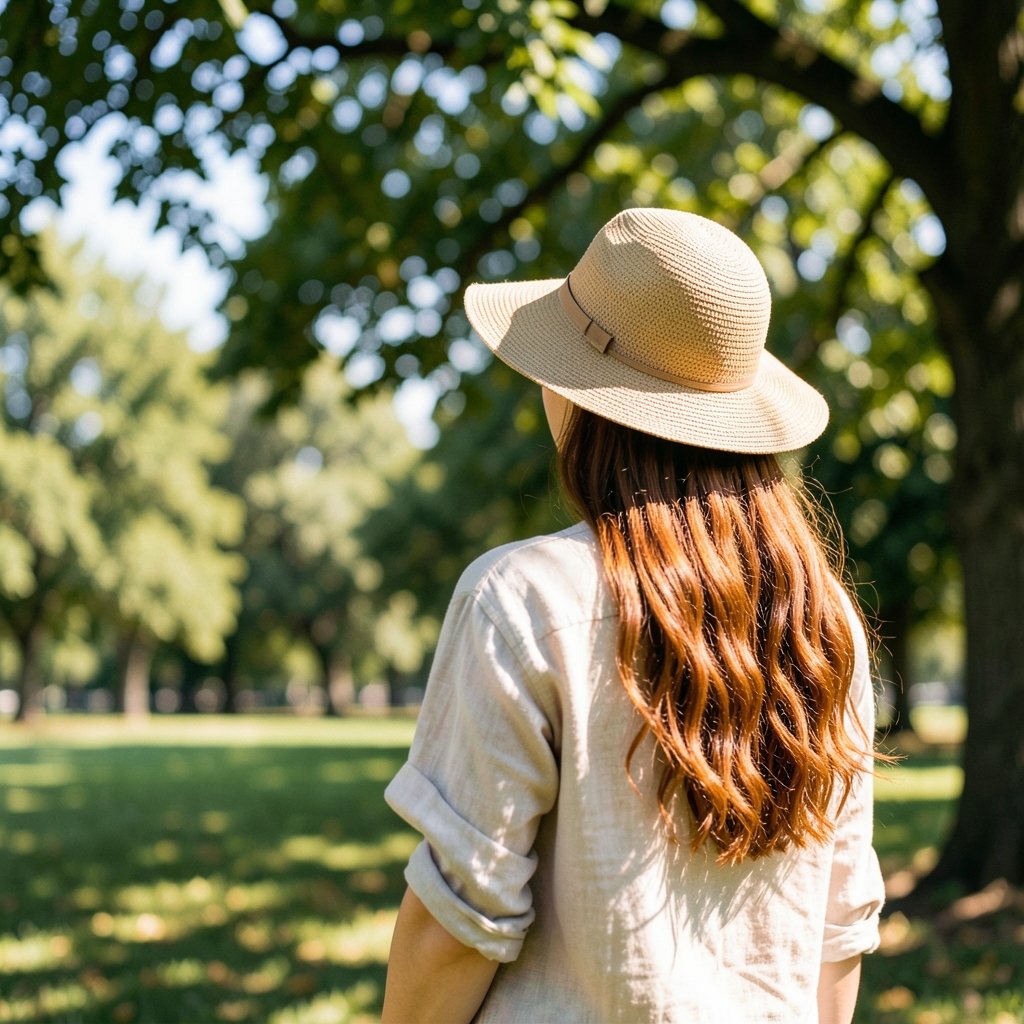
What color is auburn hair, really? Ask ten people and you may get ten answers. Some picture a deep copper. Others imagine a warm chestnut brown with a hint of fire in the sun. Both are right, and that is exactly why auburn is one of the most confusing hair colors to describe. It sits in the borderland between red and brown, and the boundaries shift depending on who is doing the labeling. This article unpacks what auburn hair actually is, where the color comes from, how common it is, and what it takes to get and keep it, whether it grows out of your head or comes out of a salon chair.
What Counts as Auburn Hair?
There is no single scientific definition of auburn. In everyday use, auburn hair describes reddish-brown hair, typically darker than what most people call “red” and warmer than plain brown. The word itself has a strange history. “Auburn” comes from the Middle English auburne, from Old French alborne, from the Latin alburnus, meaning “whitish.” The color term originally pointed to something pale and drifted toward reddish-brown over the centuries, a good reminder that color words are cultural conventions, not fixed measurements.
That definitional fuzziness creates real confusion. Some sources treat auburn as a subtype of red hair. Others file it under brown. Both camps have a point. Auburn is best understood as a spectrum, and different people place the dividing lines in different spots.
The Main Shades of Auburn
| Shade | Description | Who it suits |
|---|---|---|
| Light auburn | Warm, coppery, close to strawberry brown | Fair skin with warm undertones |
| Copper auburn | Bright orange-red with brown depth | Neutral to warm complexions |
| Deep auburn | Dark brown base with visible red glow | Olive and deeper skin tones |
| Cinnamon auburn | Spicy mid-tone between copper and brown | Most skin tones |
| Dark auburn | Near-brown indoors, red in sunlight | Cool and neutral complexions |
That last shade, dark auburn, is the one that trips people up most. Indoors it reads as brown. Step into direct sun and suddenly there is a copper halo. This light-dependent behavior is one of the color’s signature traits.
Where the Color Comes From
Auburn tones are pigment-driven. Human hair color comes from melanin, which exists in two main forms: eumelanin, which produces brown and black tones, and pheomelanin, which produces red and yellow tones. Auburn hair reflects a mix of both, with enough pheomelanin to warm the brown base without pushing it into full red territory. (Human Genomic Variation)
Genetics does the rest. Red and auburn tones are most strongly associated with variants in the MC1R gene, which regulates how the body produces melanin. Many people with auburn hair carry one or more MC1R variants. Because the gene follows recessive inheritance patterns, a child can inherit auburn hair from parents who show no red tones at all, which is why the color sometimes appears to “skip” generations. Two brown-haired parents with the right hidden variants can produce a very red-headed child.
The pigment mix also explains why auburn hair often changes with age. Children with bright copper auburn frequently darken toward brown as they grow, as eumelanin production shifts. Adults who swear their hair was “much redder” at age six are usually not imagining things.
How Common Is Auburn Hair?
Genuine auburn hair is uncommon worldwide. Red hair in general is often cited at roughly 1 to 2 percent of the global population, and auburn, being a subset or neighbor of that category, is rarer still. Figures vary widely depending on whether a survey counts auburn as red or as brown, which is precisely the definitional split discussed earlier.
The geography matters. Red hair, including auburn shades, appears at much higher rates in Ireland and Scotland, where commonly cited figures sit around 10 percent for red hair in Ireland. That concentration traces back to the high frequency of MC1R variants in those populations. In much of Asia, Africa, and Latin America, naturally occurring auburn hair is rare, which is one reason salon auburn colorants stay in high demand.
One practical takeaway: if you are trying to estimate how many people share your exact shade, treat any statistic skeptically. Most counts blur auburn into broader red or brown categories.
Auburn Hair in History and Culture
Auburn has carried cultural weight for centuries. The word shows up in literary descriptions of hair from at least the early modern period, and its connotations have shifted with the times, from poetic and romantic to, at some points, suspicious. Red and auburn hair has been associated with everything from witchcraft accusations in early modern Europe to modern fashion statements. The color’s rarity made it a reliable shorthand for “unusual” in fiction.
Today the cultural read is mostly positive. Auburn sits in a sweet spot: distinctive enough to stand out, subtle enough to look natural. That balance explains why it remains one of the most requested salon color families.
Getting Auburn Hair at the Salon
For people without the natural genetics, auburn is achievable, but it is not a simple “pick a box and go” job. The starting color matters enormously. Here is a practical sequence that actually works:
- Assess your starting level and undertone. Dark hair needs pre-lightening before red can show. Very light blonde hair can go muddy or green if a warm filler is skipped.
- Choose the target shade honestly. Deep auburn on a level 2 base produces a subtle glow. Copper auburn on the same base requires lifting, which costs money and hair health.
- Insist on a strand test. A single test strand tells you more than any color swatch or filter app ever will.
- Plan for maintenance. Red and auburn pigments are the fastest-fading in the color spectrum because the molecules are larger and wash out more readily. Expect touch-ups every four to eight weeks.
- Use color-safe care. Sulfate-heavy shampoo, hot water, and frequent heat styling all accelerate fade.
Common Mistakes to Avoid
The most frequent mistake is chasing bright copper auburn on very dark hair in one session. It rarely ends well; the result is often orange or brassy rather than rich. The second most common mistake is skipping a filler when going from blonde to auburn. Without it, the result can look hollow or greenish. The third is underestimating fade. A gorgeous auburn that looks perfect on day one may look washed out by week three if the client does not adjust their wash routine.
A less obvious but important point: auburn reads differently under salon lighting than in daylight. Always check the color in natural light before the appointment ends.
Caring for Auburn Hair
Whether natural or colored, auburn hair benefits from the same core habits. UV exposure fades red pigments quickly, so sun protection matters, whether that means a hat, a UV filter product, or simply avoiding peak sun. Heat styling breaks down the cuticle and speeds pigment loss, so lower temperatures and a heat protectant go a long way. Color-depositing conditioners, used once or twice a week, can top up the red glow between salon visits without a full re-color.
For natural auburn hair, the main concerns are shine and brassiness. A purple or blue toning product is the wrong tool for warm tones; it can dull auburn rather than enhance it. Warm-toned glosses and gentle, sulfate-free cleansing keep natural auburn looking rich rather than tired.
Matching Auburn Hair to Skin Tone
The right auburn shade depends heavily on skin undertone. Warm undertones, meaning skin with golden or peachy hints, tend to glow in copper and cinnamon auburn. Cool undertones, with pink or bluish hints, often look best in deep auburn and darker chestnut-red shades. Neutral undertones have the most flexibility and can usually wear almost any auburn shade.
There is a practical trick worth knowing: hold a piece of copper fabric and a piece of deep burgundy fabric next to your face in daylight. Whichever makes your skin look clearer and more even is your auburn family. It sounds simplistic, but it works more reliably than most online quizzes.
Auburn vs. Red vs. Brown: The Quick Comparison
| Trait | Auburn | Red | Brown |
|---|---|---|---|
| Base pigment | Mixed eumelanin and pheomelanin | Pheomelanin dominant | Eumelanin dominant |
| Typical look | Reddish-brown, warm | Bright orange to deep red | Neutral to warm brown |
| Sunlight effect | Noticeable red glow | Consistently red | Slight warmth |
| Rarity | Uncommon | Rare | Very common |
| Fade speed (when colored) | Fast | Fast | Moderate |
The table makes the core distinction clear. Auburn is a hybrid, and that hybrid nature is exactly why it resists tidy categorization.
Conclusion
Auburn hair is less a fixed color than a meeting point. It lives where red and brown overlap, shaped by a mix of pigments and by MC1R gene variants that can hide for generations before surfacing. It is uncommon globally, more common in Ireland and Scotland, and stubbornly resistant to clean definitions, which is part of its appeal. Whether it grows naturally or comes from a salon, auburn rewards people who understand its quirks: the way it shifts in sunlight, the speed at which it fades, and the importance of matching shade to undertone rather than chasing a photo. Get those details right, and auburn delivers something few other colors can, a look that is distinctive without ever announcing itself too loudly.
Frequently Asked Questions
What is the difference between auburn and red hair?

Auburn hair is reddish-brown, meaning it contains a visible brown base alongside red tones. Red hair is dominated by red pigment and typically appears brighter or more orange. Many sources treat auburn as a subtype of red hair, while others classify it as a warm brown, and both views have merit because the boundary is not scientifically fixed.
Is auburn hair rare?
Yes, genuinely auburn hair is uncommon. Red hair overall is often cited at roughly 1 to 2 percent of the global population, and auburn sits within or adjacent to that category. Rates are much higher in Ireland and Scotland, where red hair is commonly cited at around 10 percent.
Can two brown-haired parents have an auburn-haired child?
Yes. Red and auburn tones are linked to variants in the MC1R gene, which can be carried without being visible. Because the inheritance pattern is recessive, a child can inherit auburn hair from parents who show no red tones themselves, which is why the color sometimes appears to skip generations.
Why does auburn hair fade so fast when it is colored?
Red and auburn pigment molecules are larger and wash out more readily than darker pigments. Hot water, sulfate-heavy shampoo, frequent heat styling, and sun exposure all accelerate the process. Touch-ups every four to eight weeks and color-safe care are the standard countermeasures.
Does auburn hair change with age?
It often does. Many children with bright copper auburn hair darken toward brown as they grow, because melanin production shifts. Adults frequently recall their childhood hair as redder than it is now, and that recollection is usually accurate rather than imagined.
What auburn shade suits most skin tones?
Cinnamon auburn is the most universally flattering option because it balances warm and neutral notes. Warm undertones generally shine in copper auburn, while cool undertones usually look best in deep auburn. Testing copper and burgundy fabric against your face in daylight is a reliable way to find your family of shades.