
2027 Haircut Trends: Shapes, Lengths & Textures
 Abdul WadoodLast updated
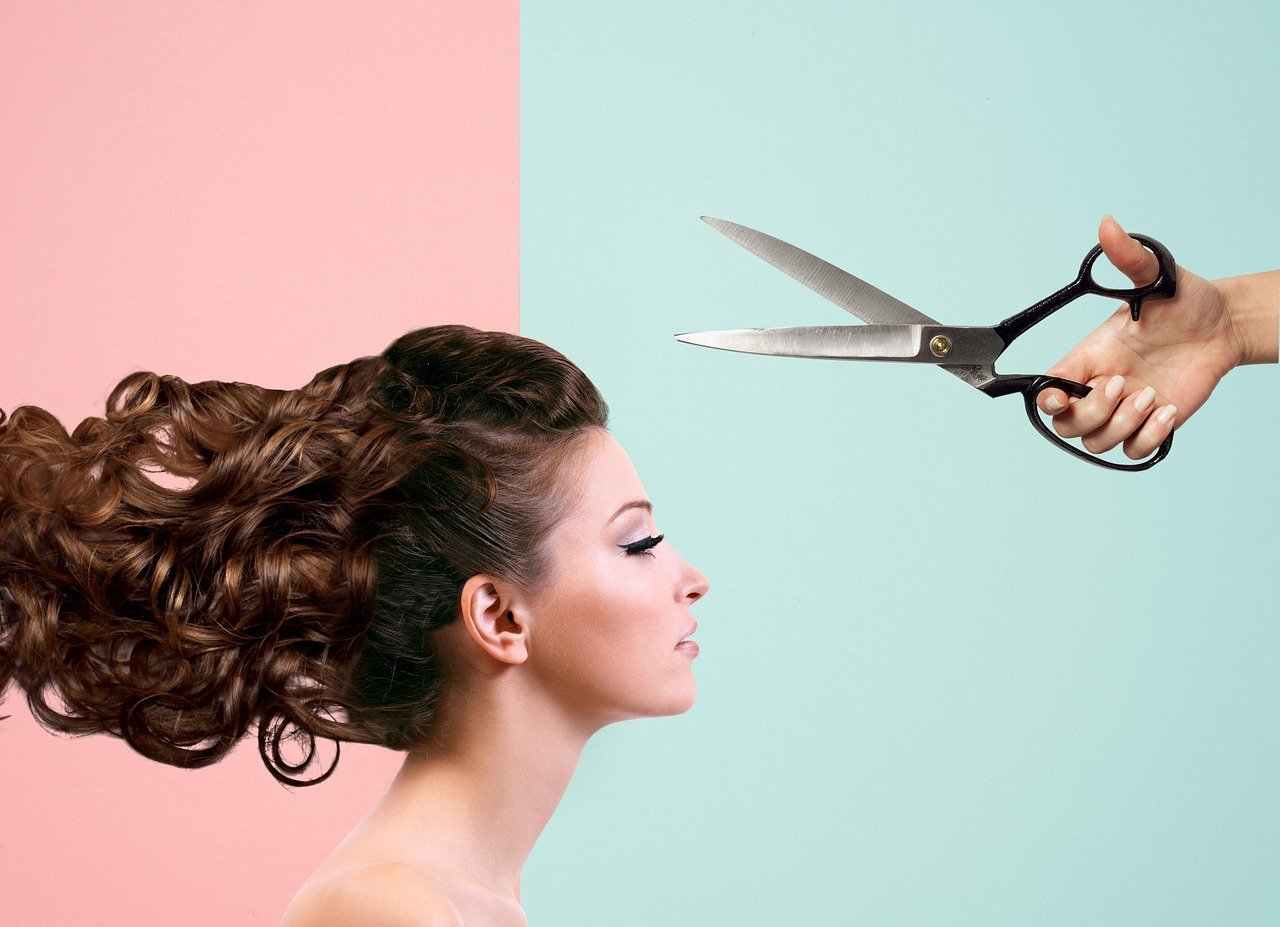
Hair changes faster than almost any other part of personal style. Color gets the headlines, but the cut is what actually changes a face, a silhouette, and the amount of time someone spends in front of a mirror each morning. So what does 2027 look like for haircuts? The honest answer is that no single authority publishes a definitive, verified forecast for 2027 cuts, and anyone claiming otherwise is guessing. What can be done responsibly is to read the direction of travel from what is already visible: the cuts gaining momentum now, the techniques salons are investing in, and the practical realities that decide whether a trend survives contact with real hair.
That is the approach here. No invented statistics, no fake expert quotes, no fabricated forecasts. Instead, a grounded look at the shapes most likely to define 2027, why they make sense, and how to wear them without regret.
Why 2027 haircuts will look softer, not shorter
The dominant shift heading into 2027 is a move away from the hard, high-contrast geometry that defined the early 2020s. Blunt bobs and sharp curtain bangs are not disappearing, but they are being softened. Salons are reporting more requests for cuts that grow out gracefully, which matters because the average client returns every eight to twelve weeks. A cut that looks wrong at week five is a cut that gets abandoned.
This is a practical, economic trend as much as an aesthetic one. When people are paying more per appointment, they want a shape that holds. That favors layered, face-framing structures over single-length slabs, and it explains why techniques like invisible layering and internal texturizing keep appearing in salon education. The money piece hair guide shows the same logic in color: face-framing work that stays flattering as it grows.
The cuts most likely to define 2027

The soft midi shag
The shag has been circulating for years, but the 2027 version is longer and quieter. Think collarbone-to-shoulder length with disconnected layers around the crown and a lighter, wispier perimeter. It suits fine hair because the layering removes weight without removing length, and it suits wavy hair because the texture does the styling work.
What actually works in practice: ask for layers that start below the cheekbone, not at the temple. Temple-starting layers look editorial in a photo and chaotic in a bathroom mirror. The common mistake is over-layering the top, which creates a mushroom shape once the hair is dry.
The grown-out bixie
The bixie, a bob-pixie hybrid, has been the transitional cut of choice for anyone leaving a short style. In 2027 it reads less severe: a slightly longer nape, a softer fringe, and more movement through the sides. It is the single most forgiving short cut for people with a rounder face shape, because the length sits at the jaw rather than above it.
The collarbone lob with invisible layers
The lob never really left. What is changing is the internal structure. Invisible layers are cut inside the shape rather than at the surface, so the outline stays clean while the interior gains movement. This is the cut to ask for if you want the polish of a blunt bob but the behavior of something softer. It also grows out into a respectable shoulder-length cut rather than a mullet.
Curly-specific shaping
For curl patterns, 2027 continues the move toward dry-cutting and section-by-section shaping. Curly cuts are slower and more expensive, but they solve the core problem of wet-cutting: shrinkage. A curl cut performed on wet hair can lose two to three inches of visual length once dry, which is why so many people leave salons with a cut that looks nothing like the consultation.
| Cut | Best for | Maintenance | Grows out well? |
|---|---|---|---|
| Soft midi shag | Fine to medium, wavy | 8–10 weeks | Yes |
| Grown-out bixie | Short-to-mid transitions | 6–8 weeks | Yes, into a short bob |
| Collarbone lob | Most textures | 10–12 weeks | Yes |
| Curl shaping | Curly and coily | 10–14 weeks | Yes, with reshaping |
| Blunt bob | Thick, straight hair | 6–8 weeks | Poorly |
That last row is the honest one. The blunt bob remains a beautiful cut and a terrible grow-out. If you are not prepared to book every six to eight weeks, choose something else.
Length is becoming a personal decision, not a trend
One of the clearest signals for 2027 is that length itself has stopped being a trend. For a decade, hemlines moved in unison: everyone went long, then everyone went short. That cycle has broken. What is trending now is the shape at whatever length a person prefers, which is a more mature way for an industry to operate and a much better deal for clients. (Hairstyle)
The practical consequence is that consultations are getting longer. Good stylists now ask about styling time, tool ownership, water hardness, and how often someone actually washes their hair. Those questions matter more than a reference photo. A cut that requires a round brush and fifteen minutes every morning is the wrong cut for someone who air-dries.
Texture is the real story
If there is one through-line for 2027, it is texture over geometry. Cuts are being designed to reveal the hair’s natural pattern rather than fight it. That means more razoring and point-cutting at the ends, more dry-cutting, and fewer uniform, scissor-over-comb lines.
This shift connects directly to color, because texture reads best when there is variation in tone. The light brown hair styling guide makes the same point from the color side: dimension makes texture visible. A single flat tone flattens a layered cut, no matter how well it is executed.
What to ask for at the salon
- Bring three photos, not one, and say what you like about each.
- Describe your worst hair day, not your best.
- Ask how the cut will look in eight weeks without a trim.
- Ask what products the stylist would use and whether you already own them.
- Confirm the styling time out loud. If it is more than you will do, change the plan.
The fringe question
Bangs are the highest-risk, highest-reward decision in haircutting. For 2027, the direction is toward softer, more breakable fringes: curtain bangs with a center split, wispy straight-across fringes with point-cut ends, and longer side-swept shapes that can be tucked.
The mistake almost everyone makes is cutting bangs too thick and too wide. A dense fringe adds visual weight to the forehead and demands daily styling. A lighter fringe with a slightly uneven edge looks intentional even when it is not perfectly blow-dried. If you have a cowlick or a strong growth pattern at the hairline, say so before the scissors come out. A stylist who ignores that will hand you a fringe that never sits flat.
How color trends shape the cut
Cuts and color are no longer separate appointments in the way they once were. The copper hair color guide is a useful example: warm copper reflects light off the surface of the hair, which makes layered cuts look more dimensional. The reverse is also true. A cool, flat, single-process color can make a beautifully cut shag look like a helmet.
The Calico hair trend breakdown takes this further. Patchy, multi-tone color only works when the cut has movement, because the eye needs shape to organize the color. This is why so many bold color experiments look better on textured cuts than on blunt ones.
For anyone planning a 2027 change, the sensible order is cut first, color second. Color decisions made on a shape you are about to change are usually wasted money.
The tools and techniques behind the trend
Three technical shifts are driving the softer silhouettes.
Dry-cutting lets a stylist see the final shape as they work. It is slower and requires more skill, which is why it commands a premium, but it removes the guesswork of shrinkage and bounce.
Point-cutting and razor work create tapered ends that blend rather than stack. This is what separates a modern layered cut from a 2010s “choppy” one.
Section-based shaping treats the head as zones rather than a single unit, so the front, sides, and back can be cut to different rules. It is the technique behind most cuts that look good from every angle rather than just the front.
None of this is exotic. It is the difference between a cut that was designed and a cut that was executed.
What is probably not coming back
Not every revival is worth welcoming. The mullet has had its moment and is unlikely to expand further. The ultra-high-contrast disconnected undercut, which requires shaving and constant upkeep, is losing ground to softer, blended versions. Heavy, uniform, one-length hair with no layering at all is also fading, largely because it is unforgiving on anyone without dense, straight hair.
The pattern is consistent: 2027 favors cuts that are adaptable, low-friction, and built around the hair’s natural behavior. Anything requiring daily engineering is on the way out. (Vogue)
Building a cut that survives the year
The most useful way to think about 2027 haircut trends is not as a list to copy but as a set of principles to apply. Softness over sharpness. Texture over geometry. Growth over maintenance. Shape over length.
Practical steps that genuinely help:
- Book a consultation separate from the cut if your stylist offers one.
- Photograph your hair on day three, not day one, and bring that image.
- Ask for the cut to be shown to you styled and then rough-dried.
- Keep a note of the exact guard sizes and section lengths used, so the next appointment is repeatable.
- If you are growing out a short cut, schedule reshaping appointments rather than full cuts.
The fashion and trend coverage that informs salon work tends to lag the runway by a season or two, which is why the cuts arriving in 2027 will feel familiar by the time they reach most salons. That lag is a feature, not a flaw. It gives everyone time to decide whether a shape actually suits them.
Conclusion
The 2027 haircut landscape is less about a single must-have shape and more about a change in philosophy. Soft midi shags, grown-out bixies, collarbone lobs with invisible layers, and properly shaped curls all point the same direction: cuts designed around real hair, real schedules, and real budgets. The trends worth following are the ones that still look good at week six without a round brush and a prayer.
The best approach is to treat any forecast, including this one, as a starting point for a conversation rather than a prescription. Hair grows. Trends move. A cut that fits your texture and your morning routine will outlast every prediction on the internet.
Frequently asked questions
What haircut will be most popular in 2027?
Based on current momentum, the soft midi shag and the collarbone lob with invisible layers are the strongest candidates. Both offer movement, suit a wide range of textures, and grow out gracefully. Neither requires daily styling to look intentional.
Is short hair still in style for 2027?
Yes, but the emphasis is on softer short shapes. The grown-out bixie and the textured short bob are replacing sharper, more geometric crops. Very high-contrast disconnected cuts are losing ground because they demand constant maintenance.
Should I get bangs in 2027?
Bangs remain a strong option, especially lighter, point-cut fringes and curtain bangs. The key is keeping the fringe breakable rather than dense. Anyone with a strong cowlick or hairline growth pattern should raise it during the consultation before any cutting begins.
How often should I get my hair cut to maintain a 2027 trend shape?
Most layered and textured cuts need reshaping every eight to twelve weeks. Short cuts like the bixie need attention every six to eight weeks. Blunt, single-length cuts show damage fastest and typically need trimming every six weeks.
Do these trends work on fine or thin hair?
Many do, particularly the midi shag and invisible-layer lob, because internal layering removes weight without sacrificing length. The cuts to approach carefully are heavy blunt fringes and very short crops, which can expose thinning at the crown and hairline.
How do I ask for a soft, layered cut without getting a choppy result?
Ask for layers that begin below the cheekbone, request point-cut or razor-tapered ends, and say specifically that you do not want visible, stair-stepped layers. Bringing a photo of the grow-out stage in addition to the styled result is the single most effective way to communicate the difference.