
Copper Hair Color: How to Get, Keep & Love It in 2026
 Abdul WadoodLast updated

Is there a hair color that looks bold in a dim bar and soft in daylight, flatters almost every skin tone, and still feels fresh a decade after it first trended? Copper hair color is that rare shade, and it explains why so many people keep coming back to it. It sits in a sweet spot between red and orange, warm enough to brighten a face but not so loud that it feels costume-like. Yet copper is also famously fussy. It fades faster than almost any other tone, it demands the right starting level, and it can turn brassy in weeks if you pick the wrong formula. This guide walks through what copper actually is, how it differs from auburn and strawberry blonde, what to ask for at the salon, and the practical habits that keep the shine alive between appointments.
What Copper Hair Color Actually Means
“Copper” describes a warm orange-red tone modeled on the metal itself: bright, reflective, and slightly metallic in the best sense. In practice, the term is loose. Brands and stylists use it to cover everything from a soft peach-gold to a deep burnt orange, so two people asking for “copper” may walk out with very different results.
That ambiguity is the first practical trap. Copper is not a single shade but a family of tones sitting on the warm side of the color wheel, between true orange and red. On the wheel, copper’s opposite is blue and teal, which is exactly why blue-based toners are the standard tool for neutralizing copper that has gone too orange or too brassy.
Because the term is definitional rather than technical, the smartest move is to bring pictures. Two or three reference photos communicate more than any adjective, and they let your stylist translate your wish into an actual formula rather than a guess.
Copper vs. Auburn vs. Strawberry Blonde: Clearing Up the Confusion
People often use these three names interchangeably, but they describe different placements on the red spectrum. Getting the vocabulary right saves a lot of disappointment.
| Shade | Dominant tone | Depth | Best described as |
|---|---|---|---|
| Copper | Orange with red | Medium to bright | Warm, metallic orange-red |
| Auburn | Red with brown | Medium to deep | Rich red-brown, less orange |
| Strawberry blonde | Gold with a hint of red | Light | Pale red-gold, sunlit |
| Ginger | Orange-red | Varies | Informal term, often copper-adjacent |
The key distinction is temperature and depth. Copper leans orange and stays relatively bright. Auburn pulls in brown and reads deeper and calmer. Strawberry blonde is the lightest of the group and depends on a pale base to look right. If you ask for copper but mean auburn, you may end up with something far warmer than expected.
Why Copper Fades So Fast (and What That Means for You)
Red and orange dye molecules are relatively small and rinse out more quickly than darker pigments, which is why copper is one of the fastest-fading tones in the salon. This is widely repeated in trade sources, though it is worth treating as practical salon wisdom rather than a hard scientific law.
What this means in real life: a fresh copper looks stunning for the first two weeks and then begins a slow drift toward brass or dullness. Plan for maintenance from day one. That might mean a color-depositing mask every week, a gloss at the salon every four to six weeks, or simply accepting that copper is a commitment rather than a one-time appointment.
The role of your starting level
Copper behaves very differently depending on where you begin:
- Light blonde: Copper deposits easily but can look pastel or peachy rather than rich.
- Medium brown: The sweet spot for a balanced, believable copper.
- Dark brown or black: Requires pre-lightening to show real warmth, which adds damage risk.
- Previously colored hair: Needs careful assessment, since old pigment can interfere with the result.
A stylist will usually assess your natural level and your history before mixing anything. Skipping that step is how people end up with muddy or patchy copper.
What to Ask For at the Salon
The single most useful thing you can do is describe the result rather than the label. Instead of “I want copper,” try “I want a warm orange-red that still looks natural in daylight.” Then back it up with photos.
Good questions to raise during a consultation:
- How many levels of lift will this need, and how much damage will that cause?
- Will this be a permanent dye, a demi-permanent gloss, or a toner over lightened hair?
- How often will I need a refresh to keep it from going brassy?
- What should I do at home to slow fading?
- Can we do a patch test before the full application?
That last point matters more than many people realize. Patch testing before dye use is widely recommended by manufacturers and dermatology bodies, and PPD (p-phenylenediamine) is a common allergen, especially in red and dark shades. A small skin test 48 hours ahead is a cheap way to avoid a painful reaction. In the United States, hair dyes fall under FDA oversight, and coal-tar dyes carry specific labeling rules, including cautions on the box. In the EU, dyes are regulated under the Cosmetics Regulation, with permitted substances listed in Annex III. Checking the label and following the manufacturer’s instructions is basic but genuinely important.
At-Home Copper: What Works and What Doesn’t
DIY copper is tempting because the shade looks simple. It rarely is. Here is an honest breakdown.
What tends to work:
- Color-depositing masks and glosses on already-light hair, used weekly to refresh tone.
- Semi-permanent direct dyes on medium blonde or light brown bases, which add warmth without lift.
- Toning shampoos with blue or green undertones to knock back brass.
What usually goes wrong:
- Applying copper to very dark hair without lightening, which produces little visible change.
- Using a box dye labeled “copper” on hair that already has warm pigment, causing an overly orange result.
- Skipping a strand test, then discovering the tone reacts oddly with old color.
- Overlapping applications, which build up pigment and dull the shine.
If your goal is a dramatic shift from dark hair, a professional is usually the safer route. If you are simply refreshing an existing copper, at-home glosses are a reasonable, low-risk option.
A Practical Routine for Keeping Copper Shiny
Copper rewards consistency. The people who keep their shade looking fresh tend to share a few habits.
Wash less, wash cooler
Hot water and frequent washing strip color faster. Stretching washes and rinsing with cooler water are simple, free ways to slow fading. Sulfate-free shampoo is commonly recommended for color-treated hair, though results vary by formula and water hardness.
Protect from heat and sun
UV exposure dulls copper and pushes it toward brass. Heat styling without protection accelerates fading and damage. A heat protectant and a hat in strong sun are small habits with real payoff.
Refresh on a schedule
Most copper wearers need a gloss or toner every four to six weeks to stay ahead of brass. Booking the next appointment before you leave the salon prevents the “why does my hair look orange?” panic that hits around week five.
Use the right toners
Because copper sits opposite blue and teal, blue-based toners neutralize unwanted orange, while green-based toners can calm red-heavy brass. This is standard color theory, and it is why the same purple shampoo that helps blondes does little for copper.
Who Copper Suits (and How to Pick Your Version)
Copper is unusually democratic, but the right copper depends on your skin’s undertone and your natural depth.
- Warm undertones: Bright, true copper and orange-leaning shades tend to harmonize.
- Cool undertones: Deeper, red-leaning copper or a copper with a hint of brown often flatters more.
- Olive undertones: Rich, muted copper avoids clashing with greenish undertones.
- Deep skin tones: Vivid copper and burnt orange look striking and hold richness well.
- Fair skin: Soft peach-copper and strawberry-leaning tones feel gentler than full orange.
A useful trick is to hold a copper fabric or a swatch of copper-colored paper next to your face in daylight. If your skin looks clear and awake, the tone is close. If it looks washed out or sallow, shift warmer or deeper.
Copper in Context: A Trend That Keeps Returning
Copper hair resurfaces in fashion media every few years, usually framed as a seasonal “it” color. Trend claims are not authoritative, so treat headlines as inspiration rather than evidence. What is more reliable is the underlying reason copper endures: it is warm, high-impact, and flattering across a wide range of skin tones.
If you want to go deeper on the color science and the history of red hair pigments, resources like Wikipedia’s overview of hair coloring and the Wikipedia entry on red hair are solid starting points. For regulatory detail, the FDA’s cosmetics and hair dye guidance and the EU Cosmetics Regulation on EUR-Lex are the primary sources worth reading before you commit to a new formula. For broader beauty and trend coverage, Vogue and Allure regularly feature copper shade breakdowns.
Common Mistakes to Avoid
A few recurring errors account for most copper disappointments:
- Chasing the label instead of the photo. “Copper” means different things to different people.
- Skipping the patch test. Allergic reactions to PPD are real and unpleasant.
- Ignoring maintenance costs. Copper needs frequent refreshes; budget for them.
- Over-toning. Too much blue toner turns copper muddy or green-tinged.
- Lightening too aggressively. Over-lifting damages hair and makes copper look washed out.
- Expecting permanence. Copper fades; plan for it rather than fight it.
Conclusion
Copper hair color is one of the most rewarding shades you can wear, and one of the most demanding. It rewards preparation, honest consultation, and a simple maintenance routine, and it punishes guesswork. The good news is that the formula for success is not complicated: bring photos, get a patch test, choose a tone that matches your undertone, and refresh on schedule before brass sets in. Whether you go bold orange or a softer peach-copper, the shade works best when you treat it as a relationship rather than a one-off appointment. Start with a strand test, ask your stylist the hard questions, and give yourself permission to adjust the tone as the seasons change. Copper is forgiving in the ways that matter and stubborn in the ways that keep you honest, which is exactly why it keeps coming back.
Frequently Asked Questions
How long does copper hair color last?
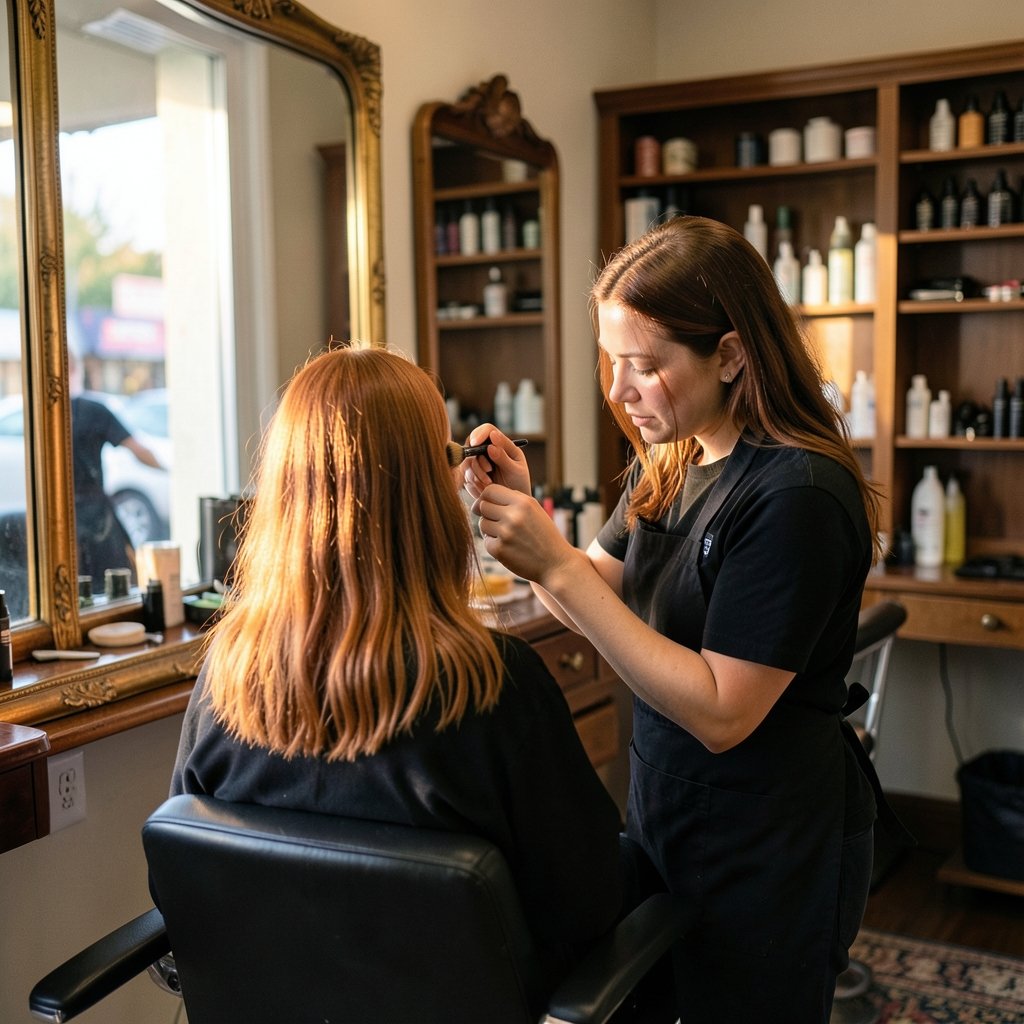
A fresh copper typically looks richest for the first two to three weeks, then begins to drift toward brass. Most wearers need a gloss or toner refresh every four to six weeks to keep the tone sharp. With color-depositing masks used weekly, many people stretch that window a little longer.
Does copper hair suit everyone?
Copper is unusually versatile, but the right version depends on your undertone and natural depth. Warm undertones suit bright, true copper, while cool undertones often look better in deeper, red-leaning copper. Holding a copper swatch next to your face in daylight is a quick way to check.
What is the difference between copper and auburn hair?
Copper leans orange and stays relatively bright, while auburn is a deeper red-brown with less orange. Strawberry blonde is the lightest of the group and depends on a pale base. Using the wrong term at the salon is a common reason people end up with a shade they did not expect.
Is copper hair hard to maintain?
It requires more upkeep than most shades because red and orange pigments fade quickly. Expect weekly color-depositing treatments, cooler and less frequent washing, and salon glosses every four to six weeks. The routine is simple but consistent, and skipping it leads to brassiness fast.
Can I get copper hair at home?
Sometimes, yes. Color-depositing masks and semi-permanent dyes work reasonably well on medium blonde or light brown hair. Dramatic shifts from dark hair usually need pre-lightening, which is where at-home attempts most often go wrong. A strand test before a full application is essential.
Do I need a patch test before copper dye?
Patch testing is widely recommended by manufacturers and dermatology bodies, and it takes about 48 hours. PPD, a common ingredient in red and dark dyes, is a frequent allergen. A small skin test is a cheap way to avoid a painful reaction, so it is worth doing even if you have colored your hair before.