
Thigh Tattoos for Men: Pain, Placement & Design Guide 2026
 Abdul WadoodLast updated
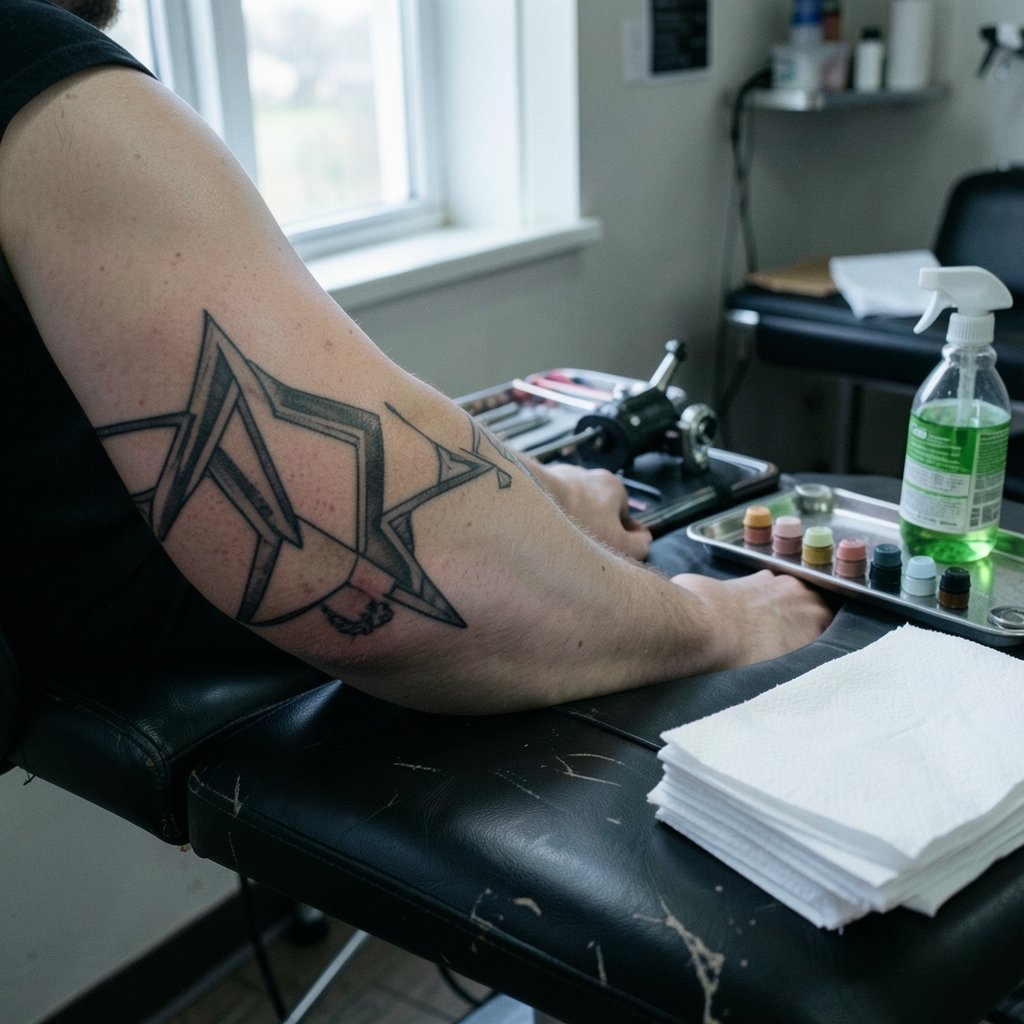
Roughly one in three American adults now has at least one tattoo, and the thigh has quietly become one of the most requested placements for men who want serious ink without a visible daily reminder at the office. It is a smart compromise: large enough for detailed work, easy to cover, and surprisingly forgiving during the session itself. But a thigh piece comes with its own set of practical quirks, from chafing during healing to design distortion when the muscle flexes. This guide covers what actually matters, based on how artists approach the placement and what clients typically get wrong. (Tattoo)
Why the thigh works so well for men
The thigh offers something most placements cannot: space. A man’s outer thigh can hold a full sleeve-like composition, a portrait, a mandala, or a sprawling nature scene without shrinking the detail. That surface area is why artists often recommend the thigh for anyone who wants fine line work, realism, or layered shading that would blur on a smaller canvas like the wrist or ankle.
Coverage is the second big advantage. A thigh tattoo disappears under shorts, trousers, and swim trunks. For men in client-facing jobs, military roles with strict grooming rules, or families with strong opinions about ink, that privacy matters. Many clients treat the thigh as a “personal collection” placement, building a piece over years without ever showing it publicly.
There is also a practical durability argument. Thigh skin is thicker and less exposed to sun than forearms or hands, and sun exposure is a leading cause of tattoo fading. Less UV damage means sharper lines for longer, provided the aftercare is done properly.
How much does a thigh tattoo hurt?
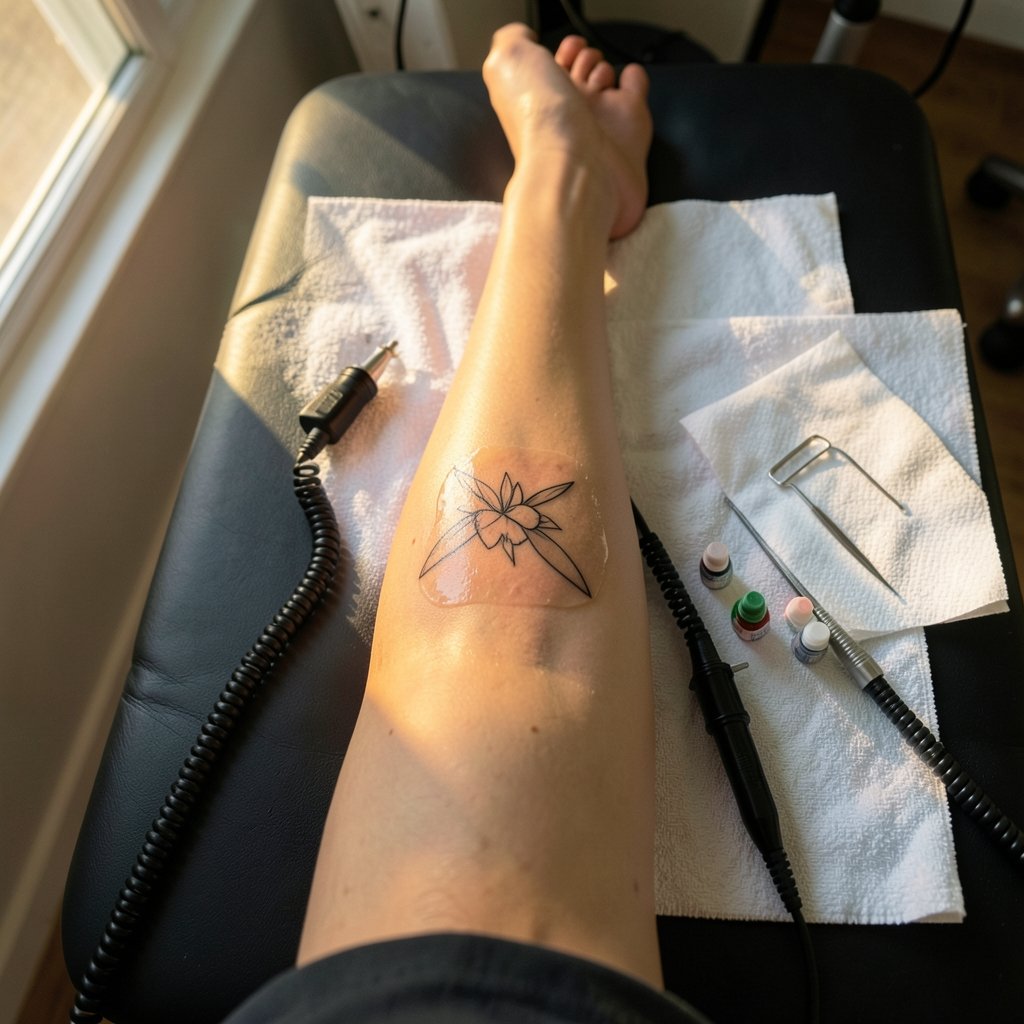
Honest answer: less than most people expect, but not nothing. The thigh is mostly muscle and fat with fewer nerve endings than the ribs, sternum, armpit, or inner bicep. Most clients describe the outer thigh as a five or six out of ten, with the discomfort building as the session drags on rather than spiking.
Pain varies a lot by zone:
| Thigh area | Pain level | Notes |
|---|---|---|
| Outer thigh | Low to moderate | Best tolerated; most popular spot |
| Front thigh | Moderate | Muscle twitching is common |
| Inner thigh | High | Thin skin, many nerve endings, awkward positioning |
| Back of thigh | Moderate to high | Sensitive and hard to reach |
| Near the knee | High | Bony, high-friction area |
Two factors matter more than placement. Session length and artist technique. A four-hour session on the outer thigh will feel worse by hour three than a one-hour session on the inner thigh. Experienced artists also work more efficiently, which means fewer passes over the same skin.
If pain is a genuine concern, book shorter sessions and split a large piece across multiple appointments. There is no prize for enduring a marathon sitting, and the quality of the healed tattoo matters far more than how tough you looked getting it.
Choosing a design that holds up
The thigh is a curved, moving surface, and that changes what designs work. A few principles that hold up in practice:
Design for the muscle, not the mirror. When a man stands relaxed, his thigh curves outward. A symmetrical design placed flat will look warped when the leg is straight. Good artists stencil while the client stands and check the placement from multiple angles.
Go bigger than feels comfortable. Small tattoos on large body parts tend to look like stickers. If the piece is under about six inches, consider whether a calf or forearm might suit it better.
Think about the shorts line. A tattoo that crosses the hemline of typical shorts gets partially hidden in summer and fully hidden in trousers. Decide deliberately whether you want it visible in shorts or not.
Account for future changes. Weight loss, weight gain, and heavy leg training all shift the skin. Fine line work can stretch. Bold traditional or neo-traditional styles with thicker outlines tolerate body changes better.
Popular directions for men include Japanese-style thigh panels, blackwork geometric compositions, realism portraits, and nature scenes wrapping from hip to knee. None is objectively better, but a reputable artist will steer you away from designs that fight the body’s contours.
Style comparison at a glance
| Style | Heals well on thigh? | Best for |
|---|---|---|
| Traditional / bold line | Excellent | Long-term durability |
| Blackwork geometric | Excellent | Large panels, wrap designs |
| Realism | Good | Outer thigh with flat-ish surface |
| Fine line | Fair | Small accents only |
| Watercolor | Fair | Clients accepting faster fading |
Placement, sizing, and the wrap-around question
The outer thigh is the sweet spot for a first large piece. It is easy for the artist to reach, easy for the client to sit through, and easy to photograph afterward. Front thigh work is also popular but involves more muscle movement under the needle, which some clients find irritating.
Wrap-around designs, where the tattoo continues from the outer thigh toward the front or back, look striking but demand careful planning. Skin stretches differently as it curves, so a pattern that reads perfectly on the outer thigh can compress near the inner thigh. Artists typically break the composition into zones and check the flow while the client stands between passes.
The inner thigh needs a warning. It is more painful, heals with more friction from walking, and is harder to keep clean. Artists often charge more for inner thigh work or limit session length there. If a design requires it, plan for shorter sittings and a longer healing window.
Preparing for the appointment
Preparation is where clients most often sabotage themselves. Practical steps that actually help:
- Book a consultation before the session. Confirm the artist’s portfolio includes healed thigh work as well as fresh photos.
- Eat a full meal two to three hours before. Low blood sugar is the most common cause of feeling faint mid-session.
- Hydrate for two days beforehand. Well-hydrated skin takes ink more smoothly and swells less.
- Skip alcohol for 24 hours. It thins the blood and increases bleeding, which affects ink retention.
- Wear loose shorts or a towel-friendly setup. Tight trousers over fresh thigh ink is a recipe for irritation.
- Bring a phone charger and snacks for sessions over three hours. Boredom and hunger make pain feel worse.
One common mistake: shaving the thigh immediately before the appointment. Artists prefer to shave the area themselves with a fresh razor to reduce the risk of nicks and irritation. Let them handle it.
Healing and aftercare for thigh tattoos
Thigh tattoos heal well, but the placement creates specific friction problems. Walking, sitting, and trouser seams all press against the area. The first three days are the most delicate.
Expect redness, swelling, and a warm feeling for 48 to 72 hours. Peeling typically starts around day four and can last a week. Full surface healing takes two to three weeks, while the deeper skin layers settle over two to three months.
Aftercare essentials:
- Follow the artist’s written instructions above all else. Wrapping protocols vary widely and mixing advice from the internet with their method causes problems.
- Wash gently with fragrance-free soap twice daily, then pat dry with a clean paper towel.
- Apply a thin layer of recommended ointment. Thick layers trap bacteria and clog pores.
- Avoid tight trousers, gym leggings, and heavy leg training for at least a week. Sweat and friction are the two biggest threats.
- Skip swimming pools, hot tubs, and saunas until the skin has fully closed.
- Do not pick or scratch peeling skin, even when it itches intensely.
Watch for signs of infection: spreading redness, increasing pain after day three, pus, or fever. These warrant a call to a doctor rather than a wait-and-see approach. Tattoo-related infections are uncommon but not rare, and early treatment is straightforward.
Once healed, sun protection becomes the main maintenance task. A high-SPF sunscreen on exposed thigh skin in summer will preserve contrast and prevent the blurring that sun damage causes over years.
Common mistakes to avoid
A few patterns show up again and again in artist consultations.
Choosing an artist by price alone. Tattoo pricing reflects time, skill, and hygiene standards. A cheap large thigh piece is often rushed, and rushed work on a big canvas is hard to hide.
Skipping the consultation. Clients who arrive on session day with a rough idea and no discussion often end up with a design compromise they regret. A fifteen-minute consultation prevents most of this.
Ignoring the healing timeline. Thigh tattoos look mediocre at day ten. They look excellent at month three. Clients who panic during peeling often over-moisturize, which causes its own problems.
Forgetting that skin type matters. Men with very hairy thighs may want to consider how the tattoo will look when shaved versus natural. Those with highly porous or textured skin should read up on how skin porosity affects ink absorption and healing, since the same aftercare routine does not suit every skin type. Understanding what high porosity hair and skin really mean for care is a useful starting point for anyone whose skin behaves unpredictably during healing.
Cost and session planning
Thigh work is not cheap, and for good reason. Large pieces take multiple sessions, and quality artists charge accordingly. Expect to pay for the design time, the tattoo time, and often a deposit that comes off the final bill.
Most artists schedule thigh pieces in blocks of three to five hours. A full wrap can take three to six sessions spread over months. Booking the first session with a clear plan for the total project avoids the common trap of starting a large piece and running out of budget halfway through.
Ask upfront about the total estimated cost and session count. Reputable artists will give a range rather than a fixed number, because healing, detail, and how the client sits all affect the final time.
Conclusion
Thigh tattoos for men make sense for reasons that go beyond aesthetics. The placement offers space for ambitious design, privacy in professional settings, less pain than most alternatives, and better sun protection than almost any other visible spot. The trade-offs are real, though: inner thigh work hurts, healing requires discipline around friction and clothing, and large pieces demand real investment in both money and time.
The men who end up happiest with their thigh ink tend to share three habits. They choose an artist based on healed work rather than fresh photos. They plan the whole piece before the first needle goes in. And they treat aftercare as seriously as the design itself. Get those three right, and the thigh becomes one of the most rewarding canvases on the body, one you can show off or keep entirely to yourself.
FAQ
How painful is a thigh tattoo for a first-timer?
The outer thigh is one of the more manageable placements for a first tattoo, typically rated around five or six out of ten. Pain builds with session length rather than spiking. The inner thigh and areas near the knee are considerably more painful and are better avoided for a first piece.
How long does a thigh tattoo take to heal?
Surface healing takes two to three weeks, with peeling starting around day four. The deeper layers settle over two to three months. Friction from trousers and walking can slow healing, so loose clothing for the first week makes a noticeable difference.
Can I go to the gym after getting a thigh tattoo?
Wait at least five to seven days, and longer for heavy leg training. Sweat, friction, and stretching skin can damage fresh ink and increase infection risk. Bodyweight upper-body work is usually fine after a couple of days, but anything that presses on the thigh should wait until the skin has closed.
How much does a thigh tattoo cost?
Costs vary widely by artist, city, and size. Small pieces may run a few hundred dollars, while full thigh wraps often cost several thousand spread across multiple sessions. Always confirm the total estimate and session count during a consultation rather than after the first appointment.
Should I shave my thigh before the appointment?
No. Artists prefer to shave the area themselves with a fresh razor to avoid nicks, irritation, and infection risk. Shaving the day before can leave micro-cuts that make the session uncomfortable and healing less predictable.
Do thigh tattoos stretch badly with weight changes?
They can, but the outcome depends on style. Bold traditional and blackwork designs with thicker outlines tolerate skin stretching far better than fine line or delicate lettering. Anyone planning significant weight or muscle changes should discuss it with the artist before choosing a design.