
How to Store Designer Shoes: Protect Your Investment
 Abdul WadoodLast updated

A single pair of designer shoes can cost more than a month’s rent, yet most people store them worse than they store their groceries. Leather is a living material. It reacts to humidity, light, heat, and pressure in ways that quietly undo everything you paid for. Store a $900 pair of leather boots in a damp closet box for two years and you may find cracked uppers, faded dye, and a collapsed heel counter when you finally open them.
The good news: proper shoe storage is not complicated. It is mostly about controlling moisture, holding shape, and avoiding the small mistakes that compound over time. This guide covers what actually works, what damages shoes, and how to build a storage routine that keeps a collection wearable for decades.
Why Designer Shoe Storage Matters More Than You Think
Shoes are built from materials that degrade on a predictable timeline. Leather is hygroscopic, meaning it absorbs and releases moisture from the air. In a humid environment, that moisture feeds mold and weakens stitching. In a very dry environment, leather loses its natural oils and cracks along flex points. Neither extreme is friendly.
Construction matters too. Many luxury shoes use cemented soles, glued in place rather than stitched. Heat and prolonged moisture soften those adhesives. Once a sole starts to lift, repair becomes expensive and sometimes impossible without rebuilding the shoe.
There is also the shape problem. Leather and suede have memory. Whatever position a shoe dries in, it tends to keep. A heel that sits crushed against a wall for months will not spring back. A toe box that sags under the weight of another pair develops a permanent crease.
None of this requires special equipment to prevent. It requires a system.
Start With Clean, Dry Shoes (Never Store Them Dirty)
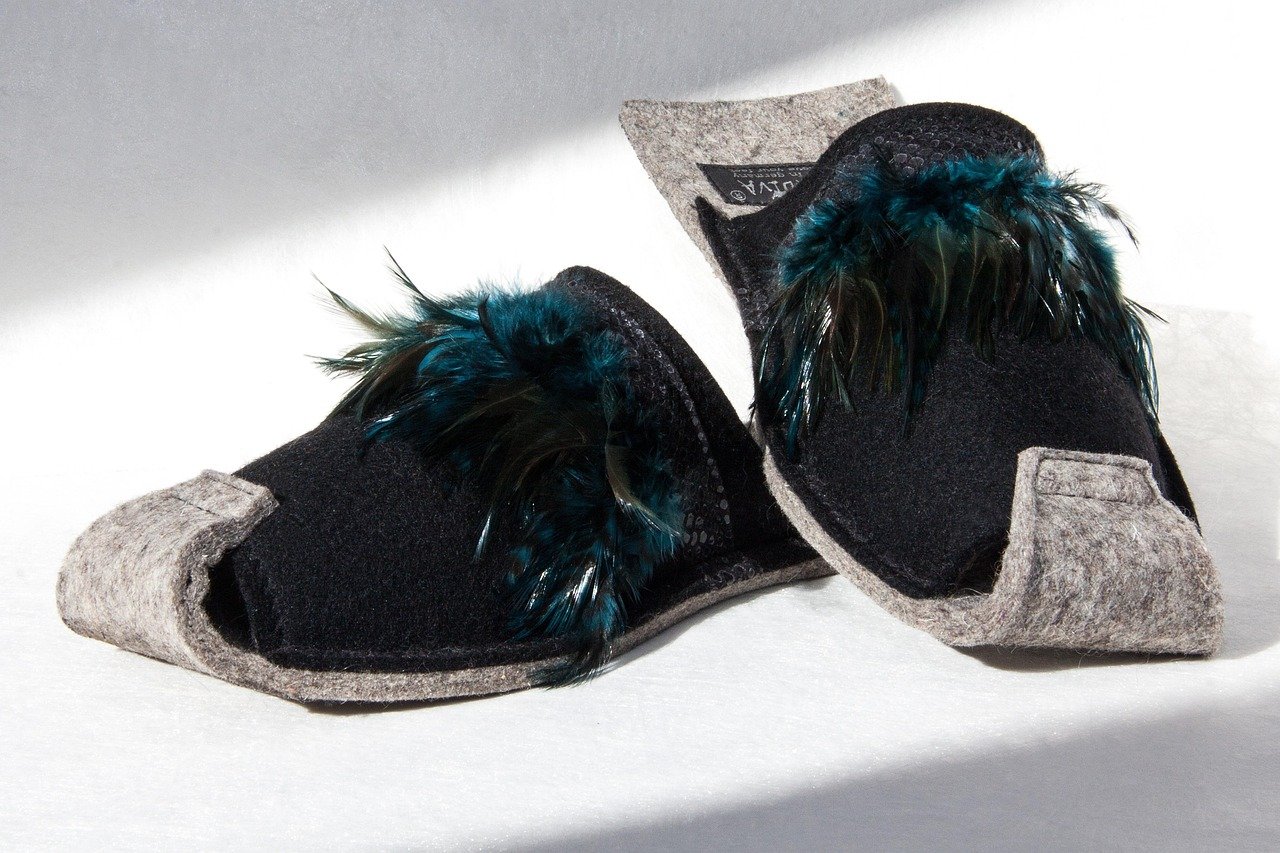
The single most common mistake is putting shoes away straight off the foot. This traps sweat, street grit, and moisture inside the shoe, where it has nowhere to go.
The routine that works:
- Wipe the uppers with a soft dry cloth to remove dust and surface dirt.
- Brush suede and nubuck with a dedicated suede brush once the shoe is fully dry, not before.
- Wipe soles with a damp cloth and dry them completely.
- Let shoes air for at least a few hours, ideally overnight, before they go into storage.
- Treat leather with a conditioner only when it feels dry, roughly every few months of regular wear. Over-conditioning softens leather and can darken it.
One rule worth internalizing: never store a shoe that is still warm from your feet. Warmth plus trapped moisture is the ideal environment for bacteria and odor, and odor in leather is genuinely difficult to remove.
If you are shopping for storage supplies or new pairs, it helps to understand what a good retailer actually stocks and how to judge quality before you buy. A solid overview of smart hair store shopping habits shows the same principle that applies to shoes: buy for material quality and fit, not packaging.
Shoe Trees: The Cheapest Insurance You Can Buy
If you do one thing from this article, do this. Shoe trees hold the shoe’s shape while it dries and absorb residual moisture. (Shoe)
| Tree type | Best for | Notes |
|---|---|---|
| Unvarnished cedar | Leather, suede, everyday wear | Absorbs moisture, natural scent, needs occasional sanding |
| Varnished wood | Display only | Does not absorb moisture; avoid for storage |
| Plastic | Nothing long-term | Traps moisture, no shape memory benefit |
| Adjustable metal spring | Travel | Convenient but can over-stretch delicate uppers |
Cedar is the standard for good reason. It wicks moisture and holds form. Avoid varnished or lacquered trees, which seal the wood and defeat the purpose. Insert trees while the shoe is still slightly warm from wear, when the leather is most pliable and most in need of shape support.
For boots, use boot trees or rolled acid-free paper in the shaft. Never store tall boots folded over; the crease becomes permanent.
Choose the Right Container: Breathable Beats Airtight
Dust bags exist for a reason. Cotton and flannel allow air to circulate while keeping dust off. Plastic boxes and sealed bags do the opposite: they trap whatever moisture is inside and hold it against the leather.
The hierarchy of storage containers, from best to worst:
- Original dust bags for daily-worn pairs
- Cotton or flannel bags for seasonal storage
- Ventilated shoe boxes with cutouts or breathable panels
- Clear plastic drop-front boxes for short-term organization only
- Sealed plastic bins for nothing you care about
If you must use closed bins, add silica gel packets and check them monthly. Replace saturated packets; they stop working silently.
There is a design angle here too. Good storage is essentially good design applied to a small space, and the same principles of proportion, access, and material choice that make a room work apply to a closet. The thinking behind where design meets the horizon translates neatly to shelving: sightlines, airflow, and nothing stacked where it will be crushed.
Control Light, Heat, and Humidity
Three environmental factors do most of the long-term damage.
Light. Direct sunlight fades dyes and breaks down leather finishes and adhesives. Store shoes in a closet or cabinet, not on an open shelf beside a window. If you display them, use glass doors with UV-filtering glass or accept that the color will shift.
Heat. Radiators, heating vents, and the top shelf of a warm closet are all bad. Heat dries leather and softens adhesives. Keep shoes away from any heat source, including the back of a car.
Humidity. Aim for stable, moderate conditions. Damp basements and bathrooms are out. So are attics, which swing between extremes. A closet inside the living space of a home is usually the safest bet.
Practical humidity control:
- Keep a hygrometer in the closet to monitor relative humidity.
- Use silica gel in closed containers and recharge it regularly.
- Run a dehumidifier in humid climates during summer.
- Never store shoes against an exterior wall that sweats.
Build a Rotation System
Shoes need rest. Wearing the same pair daily does not give leather time to dry out between wears, which accelerates creasing, odor, and sole wear. A 24-hour rest between wears is a reasonable minimum, and 48 hours is better for leather-soled shoes.
Rotation also solves a storage problem. If you own five pairs and wear two, three are always resting in good conditions. If you own two pairs and wear both daily, neither ever fully dries.
A simple rotation plan:
- Wear a pair, then clean and air it the same evening.
- Insert trees and leave it out overnight.
- Move it into storage the next morning.
- Do not return to that pair for at least one full day.
This habit alone can add years to a collection.
Handle Travel and Seasonal Storage Differently
Travel and off-season storage are where most damage happens, because shoes sit unattended for weeks or months.
For travel: use shoe bags, not plastic. Pack shoes heel-to-toe to save space, but never let a heavy pair press on a delicate one. Stuff toe boxes with acid-free paper or soft cloth. Keep a small brush and cloth in your bag.
For seasonal storage:
- Clean and condition before storing, not after.
- Use trees in every pair.
- Store in breathable bags inside ventilated boxes.
- Label boxes by pair so you are not digging through them.
- Check every few months for mold, especially in humid months.
- Never stack heavy boots on top of pumps or flats.
The Mistakes That Ruin Shoes Fastest
Some errors are so common they deserve their own list.
- Storing in the original box in a damp space. The box holds moisture against the shoe.
- Using plastic bags. Condensation forms inside and has nowhere to escape.
- Stacking shoes on top of each other. Uppers crease and toe boxes collapse.
- Leaving shoes in a hot car or by a radiator. Adhesives soften and leather dries.
- Wearing the same pair every day. No drying time, faster breakdown.
- Over-cleaning leather. Strips natural oils and dulls the finish.
- Ignoring mold until it spreads. Catch it early with a dry brush and fresh air.
- Storing wet shoes in a closed closet. Always dry first, in open air.
If you are building out a closet and want a broader sense of how storage and style decisions interact, a look at fashion trends, style, and designers offers useful context on how collections grow and how to plan space for them.
When to Repair Instead of Replace
Storage protects shoes, but wear still happens. Know the signals that a pair needs professional attention before small problems become terminal. (AIC Conservation Wiki)
| Warning sign | Likely issue | Action |
|---|---|---|
| Sole edge lifting | Adhesive failure | Resole promptly |
| Deep crease across vamp | Lack of trees, no rest | Condition, use trees |
| White bloom on leather | Fat or salt migration | Buff, condition lightly |
| Fraying stitching | Abrasion | Repair before it spreads |
| Heel tip worn through | Impact wear | Replace tip immediately |
| Musty smell that returns | Deep moisture or mold | Professional treatment |
A good cobbler can extend the life of a quality pair by years. The key is acting early. Waiting until a heel is worn to the nail means the repair costs more and the shoe may never sit right again.
Conclusion
Storing designer shoes well comes down to a handful of habits: keep them clean and dry, hold their shape with cedar trees, use breathable containers, and control light, heat, and humidity. Rotate pairs so leather has time to recover, and check seasonal storage regularly for mold or moisture.
None of this requires expensive equipment. A set of cedar trees, a few cotton bags, a hygrometer, and a consistent evening routine will outperform any fancy storage system that traps moisture. The shoes you protect today are the ones you will still be able to wear in ten years.
Frequently Asked Questions
Should designer shoes be stored in their original boxes?
Only if the box is breathable and the space is dry. Most original boxes are closed cardboard that holds moisture against the leather. If you use them, add silica gel, check monthly, and never store shoes in a box in a basement, attic, or bathroom.
How often should I use shoe trees?
Every time you take a pair off. Insert trees while the shoe is still slightly warm, when the leather is most pliable. Leave them in during storage. Use unvarnished cedar, not varnished wood or plastic.
Can I store leather shoes in plastic containers?
It is not recommended. Plastic traps moisture and prevents airflow, which encourages mold and can damage finishes. If you have no alternative, use ventilated containers with silica gel and inspect the shoes regularly.
How do I stop mold from forming on stored shoes?
Control humidity first. Keep shoes in a dry, stable closet, use breathable bags, add silica gel to closed containers, and never store shoes that are damp. If mold appears, brush it off outdoors with a dry brush and let the shoe air fully before storing again.
Is it bad to wear the same pair of shoes every day?
Yes, for leather footwear. Daily wear does not allow moisture to dry out between uses, which speeds up creasing, odor, and sole wear. Aim for at least 24 hours of rest between wears, and 48 hours for leather-soled shoes.
How should tall boots be stored?
Upright, with boot trees or rolled acid-free paper in the shaft to hold shape. Never fold them over, because the crease becomes permanent. Store them in breathable bags, away from heat and direct light, and avoid stacking anything on top.