
Skincare Routine for Sensitive Skin That Calms Reactivity
 Abdul WadoodLast updated
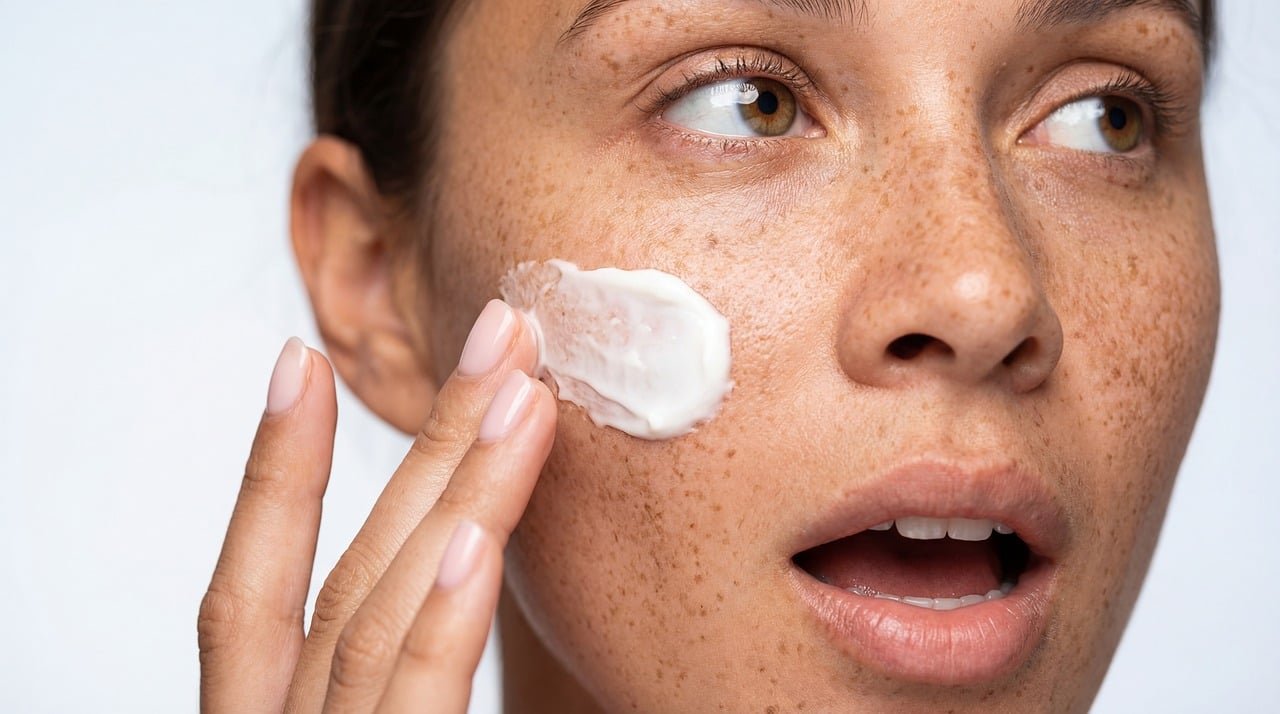
Roughly half of adults report some degree of skin sensitivity, according to survey data summarized in peer-reviewed dermatology literature, yet only a fraction have a true allergy. That gap matters. It means most people dealing with stinging, redness, and tightness are not reacting to a specific ingredient so much as to a routine that asks too much of their skin barrier. The fix is usually less dramatic than shoppers expect: fewer products, gentler formulas, and a stubborn refusal to chase every trending active.
This guide walks through a practical, dermatologist-aligned routine for sensitive skin, from morning cleansing to the mistakes that quietly undo progress.
What “Sensitive Skin” Actually Means
Dermatologists often describe sensitive skin as a syndrome rather than a diagnosis. People report burning, itching, stinging, or tightness, sometimes with visible redness and sometimes with nothing to see at all. Because there is no single test for it, prevalence estimates swing wildly between studies, and self-reporting drives most of the numbers.
The clinically useful distinction is between irritant contact dermatitis and allergic contact dermatitis. Irritant reactions are dose-dependent: use too much of a strong acid, and skin protests. No prior exposure is needed, and almost anyone will react given enough of the offending substance. Allergic reactions are immune-mediated, can develop after years of safe use, and are identified through patch testing, which remains the reference standard.
Most “sensitive skin” complaints fall into the irritant bucket. That is genuinely good news, because irritant reactions respond well to routine changes rather than medical treatment.
The Core Principles Behind Every Sensitive-Skin Routine
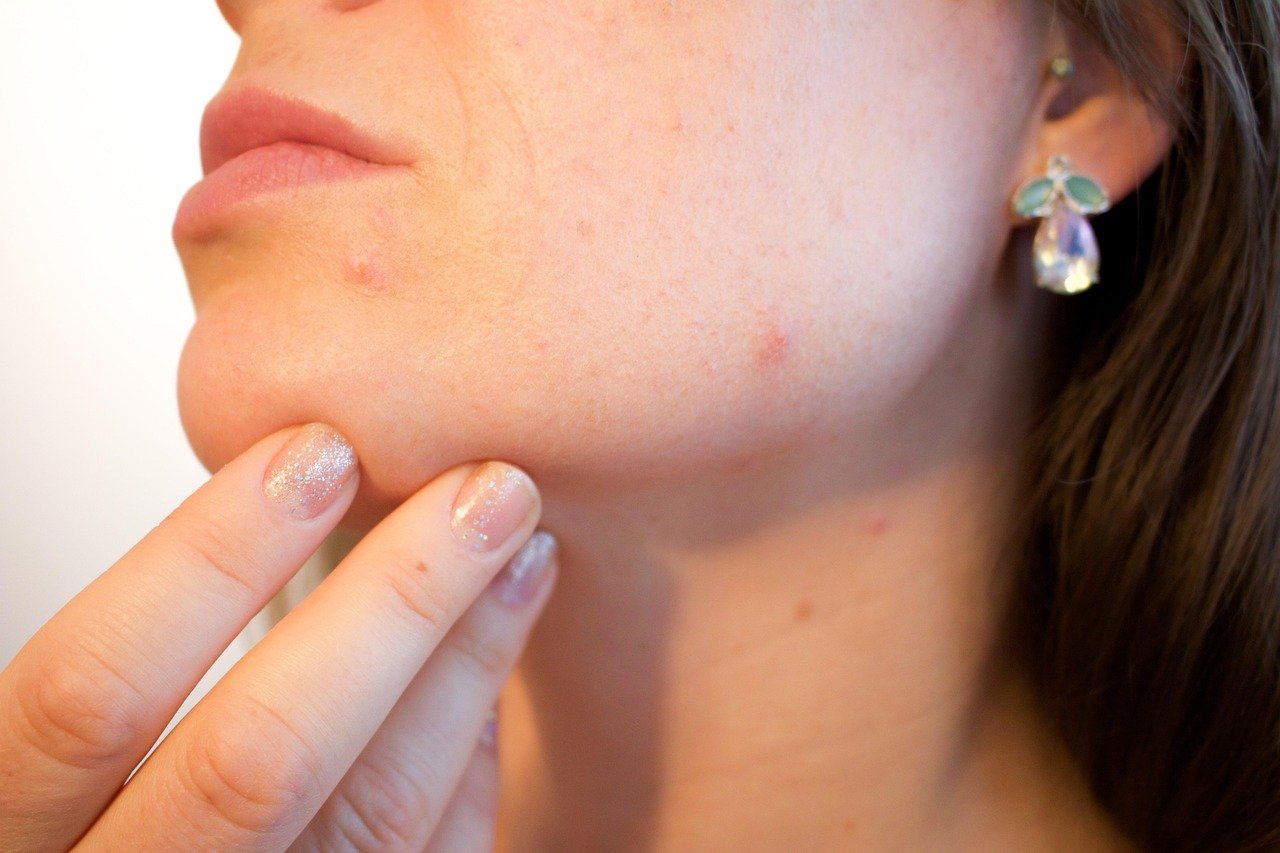
Before product names, understand the logic. Four rules govern nearly everything that follows.
- Fewer products, fewer variables. Every additional product is another set of ingredients your skin must tolerate. A four-step routine beats a ten-step one when skin is reactive.
- Fragrance-free over unscented. “Unscented” can mean a masking fragrance was added to cover a raw-material smell. “Fragrance-free” is the safer label.
- Barrier first, actives later. Ceramides, fatty acids, and cholesterol rebuild the skin’s outer layer. Actives only make sense once that layer is intact.
- Introduce one thing at a time. If two new products arrive in the same week and skin flares, you have learned nothing.
Step 1: A Gentle Cleanser, Morning and Night
Cleansing is where many sensitive-skin routines go wrong, not because cleansing is bad but because the wrong cleanser strips the barrier. Harsh surfactants lift away lipids along with dirt, leaving skin tight and primed to sting. (Skin care basics)
What works in practice:
- Choose a cream or lotion cleanser for dry or reactive skin, or a low-foaming gel for oilier types.
- Keep water lukewarm. Hot showers feel great and reliably worsen redness.
- Limit cleansing to twice daily. A morning rinse with water alone is fine for many people.
- Skip cleansing brushes, washcloths with texture, and anything labeled “purifying” or “detoxifying.”
A common mistake is doubling up: cleansing in the morning, then using a makeup remover wipe, then cleansing again at night. That is three barrier insults before dinner.
Step 2: Moisturizer Is the Backbone of the Routine
If one product deserves a permanent slot, it is a well-formulated moisturizer. Humectants like glycerin pull water in, emollients smooth the surface, and occlusives slow water loss. Ceramide-containing formulas are especially useful because they replace lipids that compromised skin is short on.
Practical guidance that holds up:
| Skin feel | Moisturizer texture | Apply when |
|---|---|---|
| Tight, flaky, dry | Rich cream with ceramides | Within 3 minutes of washing, on damp skin |
| Oily but reactive | Light lotion or gel-cream | Morning and night |
| Combination, reactive cheeks | Cream on cheeks, lotion on T-zone | Twice daily |
The single most common error is applying moisturizer to completely dry skin. Damp skin absorbs humectants better and traps more water. A quick pat-dry with a clean towel, then moisturizer, is the sequence that works.
For a broader look at layering and ingredient selection, the site’s ultimate skincare guide covers how the categories fit together.
Step 3: Sunscreen Without the Sting
Sun protection is non-negotiable, including for sensitive skin, since UV exposure worsens redness and post-inflammatory marks. The challenge is finding a formula that does not burn on application.
Mineral filters, zinc oxide and titanium dioxide, tend to be better tolerated than chemical filters, though modern chemical filters have improved considerably. Physical blockers also carry a lower risk of stinging around the eyes. Look for fragrance-free formulas and avoid added alcohol high in the ingredient list.
Two habits make sunscreen easier on reactive skin. First, apply it as the last step over moisturizer rather than mixing the two. Second, if stinging is the issue, try a formula built for babies or marketed for post-procedure skin, which are formulated with reactivity in mind.
Step 4: Actives, Introduced Slowly or Not at All
This is the section where people overreach. Retinoids, alpha-hydroxy acids, and high-concentration vitamin C are all well-documented irritants. They deliver real benefits, but they demand patience.
A workable approach for sensitive skin:
- Start with one active, not three. Pick the concern that matters most.
- Buffer it. Apply moisturizer first, then a small amount of active, or mix a pea-sized dose into moisturizer.
- Use it twice a week, not nightly, for the first month.
- Stop entirely during a flare. Resume only after skin has been calm for a week.
Niacinamide deserves a mention as a gentler alternative for redness and barrier support, though concentrations above 10% can sting some people. Azelaic acid is another option dermatologists frequently suggest for reactive, redness-prone skin, available in both cosmetic and prescription strengths.
If skin is currently inflamed, the honest answer is that no active belongs in the routine yet. Calm first, treat second.
Common Mistakes That Keep Sensitive Skin Reactive
Even well-intentioned routines sabotage themselves. These are the recurring culprits.
Over-exfoliation. Weekly scrubs, daily acid toners, and exfoliating cleansers stack up. Skin does not need to be exfoliated more than once or twice a week, and reactive skin often needs a full break.
Chasing “clean” labels. Natural does not mean gentle. Volatile plant oils, citrus extracts, and plant waters are among the most common contact allergens in cosmetic products. Fragrance mixes consistently rank high in patch-test surveillance data.
Testing too many products at once. One new product every two weeks is the standard advice, and it exists for a reason.
Ignoring the neck and eyelids. Eyelid skin is the thinnest on the body and reacts first. Extend gentle products upward and keep actives away from the eye area.
Switching routines before giving them time. Barrier repair takes weeks, not days. A routine abandoned after five days has not been tested.
Readers working through texture-specific concerns, such as coily or wavy hair types where scalp products migrate onto the face, may find the breakdowns in the 2a hair guide and the 4b hair care routine useful for keeping those products off reactive facial skin.
When to See a Dermatologist
Most sensitive-skin complaints improve with a simplified routine within four to six weeks. Some do not, and those cases deserve professional attention.
Patch testing becomes worthwhile when a reaction is persistent, localized to where a specific product touches skin, or spreading beyond the application area. It is also the right move when a product that worked for years suddenly causes a rash, which hints at allergic sensitization rather than irritation.
Other reasons to book an appointment: facial redness that flushes and persists, suspected rosacea or perioral dermatitis, reactions that blister or weep, and any routine that has not calmed skin after two months of genuine simplicity.
A Sample Four-Product Routine
For readers who want a starting point rather than a menu, this is the structure most dermatologists would recognize as reasonable.
Morning: rinse with lukewarm water or a gentle cleanser, apply moisturizer to damp skin, finish with fragrance-free sunscreen.
Evening: gentle cleanser, moisturizer, and nothing else until skin has been calm for at least two weeks. Then, if desired, add a single buffered active twice weekly.
That is four products. It costs less, takes three minutes, and gives skin the one thing reactive skin genuinely needs: consistency.
Building the Routine Around Your Skin, Not the Trend Cycle
The beauty industry rewards novelty. Sensitive skin rewards boredom. A routine that stays the same for months, uses fragrance-free formulas, and resists the pull of every new acid launch will outperform an elaborate regimen almost every time.
There is a place for exploration once skin is stable. Color cosmetics, for instance, can be reintroduced carefully, and the hair color guide for skin tone covers how to think about tone matching without ignoring scalp sensitivity. For product categories and reviews aimed at reactive skin, the Voozon beauty section is a reasonable place to compare formulations. (Sensitive skin)
The through-line is simple: protect the barrier, limit variables, and let time do the work.
Conclusion
A skincare routine for sensitive skin is not a longer routine. It is a shorter, quieter one built on a gentle cleanser, a barrier-supporting moisturizer, tolerant sun protection, and a great deal of restraint around actives. The evidence supports what patch-test data has shown for decades: fragrance and harsh surfactants cause more reactions than almost anything else on the shelf, and most “sensitivity” is irritation that responds to subtraction rather than addition.
Start with four products. Give them six weeks. Add one thing at a time, and only when skin is calm. If reactions persist despite that discipline, patch testing and a dermatologist’s eye are the logical next steps, not another bottle.
Frequently Asked Questions
How long does it take for a sensitive-skin routine to show results?
Most people notice reduced stinging and tightness within two to four weeks of simplifying their routine. Barrier recovery is slower, often six to eight weeks, which is why dermatologists generally advise giving a new routine at least a month before judging it.
Is “unscented” the same as “fragrance-free”?
No, and the difference matters. Unscented products may contain masking fragrances added to neutralize the smell of raw ingredients. Fragrance-free means no fragrance has been added at all, which is the safer choice for reactive skin.
Can I use retinol if I have sensitive skin?
Often yes, but slowly. Lower concentrations, twice-weekly use, and buffering with moisturizer before application reduce irritation substantially. Anyone in an active flare should pause retinoids entirely until skin has been calm for at least a week.
Why does my skin sting when I apply products that are supposed to be gentle?
Stinging usually signals a compromised barrier rather than a bad product. When the outer layer is depleted, water-soluble ingredients penetrate further and trigger nerve endings. Simplifying to cleanser and moisturizer for two weeks often resolves it.
Do natural or botanical ingredients help sensitive skin?
Not reliably. Volatile plant oils, citrus extracts, and many plant-derived fragrances are among the most frequently identified contact allergens in patch testing. “Natural” describes origin, not tolerability.
Should I wash my face in the morning if I have sensitive skin?
Many people with reactive skin do better with a plain lukewarm water rinse in the morning and a gentle cleanser at night. Over-cleansing strips lipids, and two full cleanses daily is more than many sensitive skins need.
One final note on consistency: keep a simple log of what you use and when reactions appear. A dated note on your phone is enough, and it turns guesswork into a pattern you can act on. Track the date each new product enters the routine, any stinging or redness in the following days, and any change in weather, stress, or diet that coincides. Over a few months this record reveals triggers that no single product label can. It also makes a dermatologist visit far more productive, since patch testing and history-taking both depend on knowing what touched your skin and when. Patience, documented, is the most reliable ingredient of all.