
How to Make Perfume Last Longer: 2026 Guide
 Abdul WadoodLast updated
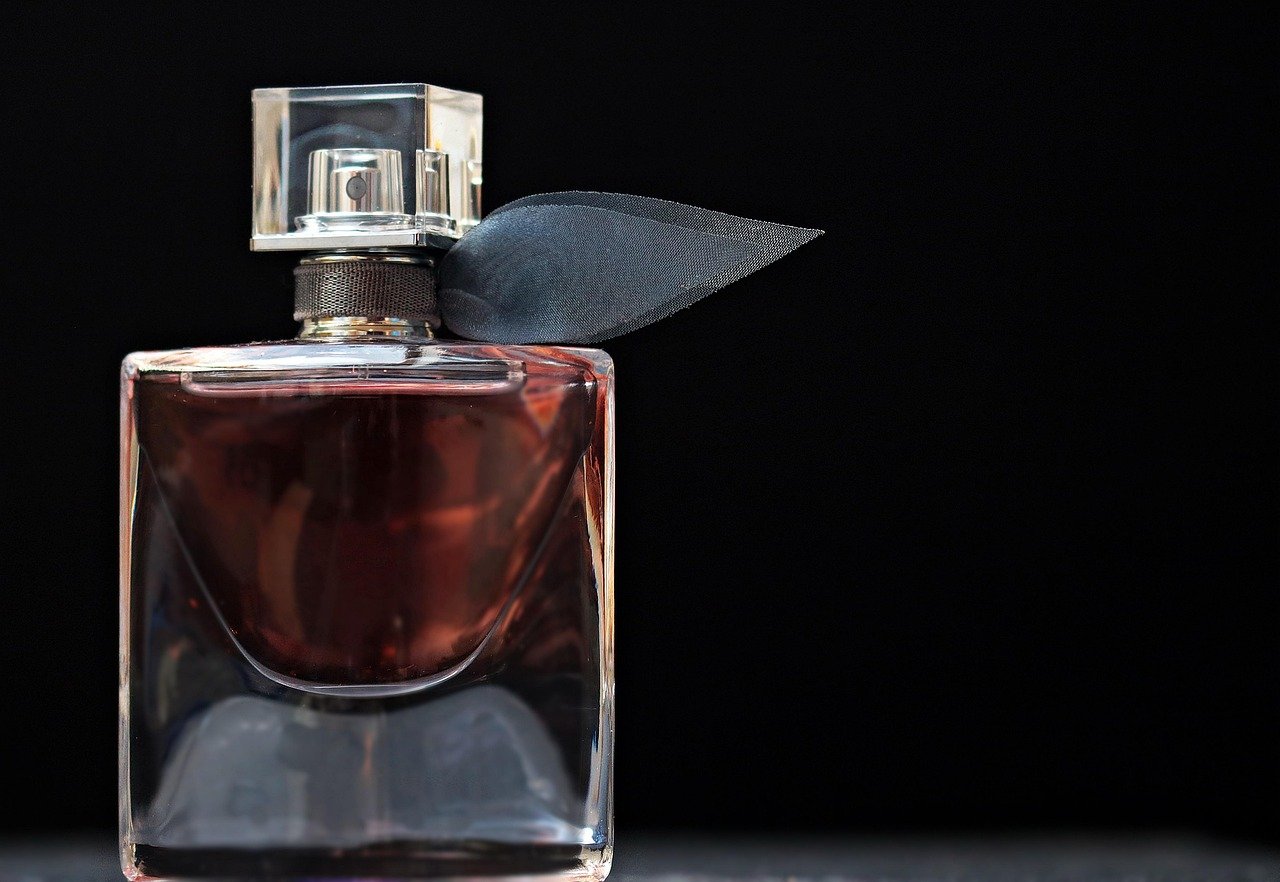
A single spritz of perfume contains millions of fragrance molecules, and within four to six hours, most of them have simply floated away. That’s not a flaw in your bottle. It’s chemistry. Fragrance oils are volatile by design, which is exactly why they reach your nose in the first place. The trick is slowing that evaporation without wrecking the scent itself, and the good news is that a handful of small habits can stretch a fragrance from a faint morning whisper into something people notice at dinner.
This guide breaks down what genuinely extends wear time, what’s mostly folklore, and where the advice out there contradicts itself.
Start With Concentration, Not Technique
Before anyone talks about pulse points or Vaseline, the bottle itself matters most. Fragrance concentration is the single biggest driver of longevity, and no application trick will turn a cologne into an all-day scent.
| Type | Typical Fragrance Oil | Expected Wear |
|---|---|---|
| Eau de cologne | Roughly 2–4% | 2–3 hours |
| Eau de toilette | Roughly 5–15% | 3–5 hours |
| Eau de parfum | Roughly 15–20% | 6–8 hours |
| Parfum / extrait | Often 20%+ | 8+ hours |
Here’s the catch: those ranges are not standardized across the industry. One house’s eau de toilette can outperform another’s eau de parfum, because the ingredients matter as much as the percentage. Heavy base notes like oud, musk, amber, and sandalwood cling to skin far longer than bright citrus top notes, which are gone in minutes by design. So if a light, fresh fragrance fades fast, that’s not a failure. It’s the nature of the formula.
The practical takeaway: if longevity is the priority, shop for eau de parfum or parfum, and favor scents built on a substantial base. And when you’re layering a fragrance with your styling routine, the same logic applies to hair products: the products doing the holding are doing the work, not wishful thinking. (Hair diffuser it does use it curls that last)
Moisturize First, Spray Second
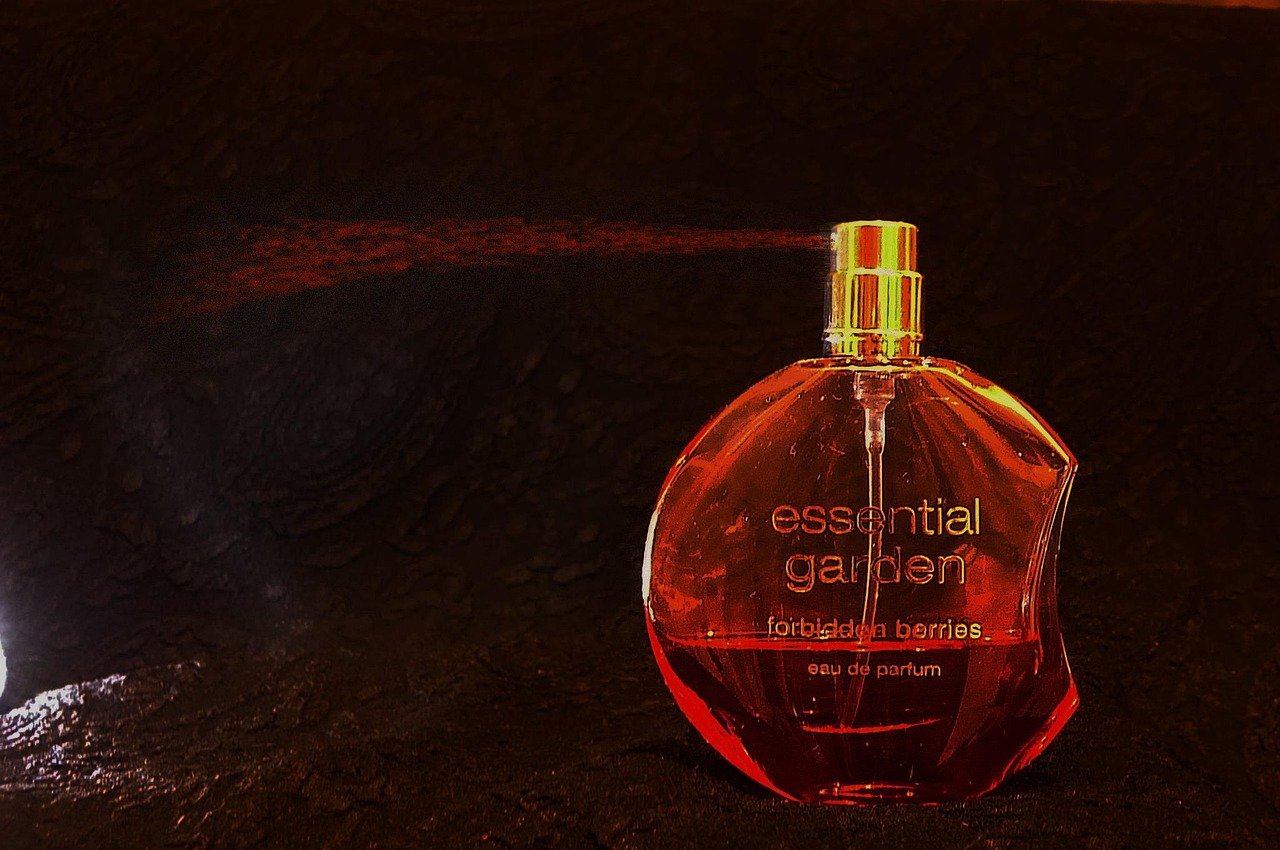
Dry skin is a scent sieve. Fragrance evaporates faster from skin with a compromised moisture barrier, and a moisturized surface gives the oils something to cling to. This is the most reliable, most repeatable trick in the entire playbook.
The routine is simple:
- Shower and pat dry.
- Apply an unscented lotion or a light layer of petroleum jelly to the areas you plan to spray.
- Let it absorb for a minute or two.
- Spray fragrance on top.
Skip the heavily fragranced body lotion unless it matches your perfume, or you’ll end up with two scents fighting for the same air. If you want to go further, layering a matching body wash and lotion from the same fragrance line is a standard technique for stretching wear, and it works because you’re building a base of the same molecules rather than a competing cloud. (Perfume)
Apply to the Right Spots (With a Caveat)
Pulse points get all the attention: wrists, neck, behind the ears, the inner elbow, behind the knees. The reasoning is that these areas are warm and well-perfused with blood, which helps a fragrance diffuse into the air around you.
But there’s a genuine disagreement among people who formulate fragrance for a living. Warmth promotes projection, and projection is just evaporation with better PR. Some perfumers argue that pulse points actually shorten wear time because the heat pushes molecules off the skin faster. Others counter that the improved sillage is worth the trade. Both camps have a point, which means the practical answer is to spray pulse points for presence and spray elsewhere for staying power.
A few application habits that consistently help:
- Spray from 5–6 inches away. Closer isn’t better; a concentrated wet patch evaporates unevenly and can smell harsh up close.
- Don’t rub your wrists together. This is near-universal advice in the fragrance world, and while rigorous published evidence quantifying the effect is thin, the logic holds: friction and heat disturb the top notes and speed evaporation. Press, don’t rub, if you must.
- Spray the back of your neck as well as the front. You go nose-blind to your own scent within minutes, but people behind you don’t. The back of the neck is the classic perfumer’s placement for exactly this reason.
- Two or three sprays is plenty. More fragrance doesn’t last longer; it just announces itself louder for the same short window.
Hair and Fabric: The Long-Game Moves
Skin is a living, breathing, sweating surface. Fabric and hair are not, which is why fragrance applied to them tends to outlast anything on your wrists.
Hair holds scent remarkably well because its porous structure traps oils. The catch is that alcohol-heavy fragrances can dry out strands over time. The workaround is to spray a brush or comb and run it through, rather than blasting your scalp directly. If you already use styling tools that rely on heat and product, the same principle of building scent into the routine applies: the tool helps, but the method is what makes it stick.
Fabric is even more forgiving. A spray on the inside of a scarf, the lining of a jacket, or a shirt collar can linger for days. Two warnings, though. First, some fragrance ingredients stain light-colored fabric, especially anything with a strong amber, vanilla, or dark resin base. Test on a hidden seam first. Second, never spray delicate silks, leather, or anything dry-clean-only without checking, because alcohol and oils can leave marks that won’t come out.
Store It Like You Mean It
A perfume that’s been sitting on a sunny windowsill for two years will underperform a fresh bottle of the same juice. Heat, light, and oxygen all degrade fragrance molecules over time, and the damage is cumulative.
Store bottles in a cool, dark place, tightly capped. The box they came in is genuinely useful, so keep it. Bathrooms are a popular spot and a bad one, thanks to the steam and temperature swings. Shelf life is commonly cited as roughly three to five years unopened and shorter once a bottle is opened, though these figures vary widely between sources and aren’t tied to controlled studies. A fragrance that has turned noticeably darker, smells sour, or developed a sharp alcohol edge is past its prime.
The Layering Playbook
Layering is the technique that separates casual wearers from people who get compliments at 9 p.m. It works on a simple principle: more of the same molecules, applied at multiple stages, means more to evaporate over time.
| Layer | What to Use | Why It Helps |
|---|---|---|
| Base | Unscented moisturizer or matching lotion | Slows evaporation, improves adhesion |
| Middle | Matching body wash or oil | Builds a foundation of the same scent |
| Top | Eau de parfum on skin | The main event |
| Finish | Light mist on hair or fabric | Extends the tail end of wear |
You can also layer two different fragrances, but that’s a craft of its own. The safe pairings share base notes: a vanilla-heavy gourmand with a warm amber, or a citrus with a woody scent. The risky pairings fight each other, and the result usually smells like a department store counter rather than a signature.
What Doesn’t Work (Or Barely Does)
A lot of popular advice deserves a raised eyebrow.
“Apply behind your ears so you smell it all day.” You won’t. You go nose-blind to your own fragrance within minutes regardless of placement. The people around you will smell it; you mostly won’t.
“Spray it in the air and walk through the cloud.” This distributes a thin film of fragrance over your entire body and clothing, which sounds elegant but wastes most of the product and gives you a weak, diffuse result.
“Put petroleum jelly on pulse points before spraying.” This one actually has merit, since it slows evaporation, but it’s the same mechanism as moisturizing. It’s not a separate magic trick.
“Stronger concentration always lasts longer.” Usually true, but a poorly formulated extrait can fade faster than a well-made eau de toilette. Formula quality beats percentage on the label.
“Skin chemistry is destiny.” Skin pH, oiliness, diet, and medication do affect how a fragrance wears on an individual, and this is widely asserted in the industry. But it’s hard to quantify, and it’s not an excuse to give up on technique. If a scent vanishes on you in an hour, try it on a friend before you blame your body.
The Practical Checklist
If you want the short version, here’s what actually moves the needle, in order of impact:
- Choose eau de parfum or parfum over eau de toilette for long days.
- Moisturize skin before spraying, every time.
- Spray two or three times, from a distance, on pulse points and the back of the neck.
- Add a spray to hair (via a brush) or fabric for a longer tail.
- Store bottles cool, dark, and capped.
- Layer with a matching lotion or body wash if you own one.
- Don’t rub, don’t over-spray, and don’t expect miracles from a citrus cologne.
Conclusion
Making perfume last longer isn’t about one secret trick. It’s about stacking small, evidence-aligned habits: picking a concentrated formula, giving it a moisturized surface to cling to, applying it where it can work, and treating the bottle itself with a little respect. The fragrance industry doesn’t standardize much, which means a lot of the advice floating around is either brand-specific or simply untested. But the core principles—slower evaporation, better adhesion, and sensible storage—hold up across nearly every formula on the market. Master those, and a fragrance that used to fade by lunch will still be there when the evening starts.
Frequently Asked Questions
Why does my perfume disappear so quickly?
The most common culprits are concentration and skin condition. An eau de toilette with a citrus-forward formula is designed to be bright and fleeting, and dry skin accelerates evaporation further. Try a more concentrated version of the same scent, moisturize before spraying, and apply a little to fabric or hair to extend the tail end.
Does rubbing your wrists together really ruin perfume?
It’s near-universal advice in the fragrance world, and the reasoning is sound: friction and heat disturb the top notes and speed evaporation. Rigorous published evidence quantifying the exact effect is thin, so treat it as a sensible precaution rather than a hard rule. Pressing rather than rubbing costs you nothing.
Should I spray perfume on my hair or my skin?
Both, for different reasons. Skin gives you warmth and diffusion, which makes the scent project. Hair and fabric hold molecules longer because they aren’t sweating or shedding. Spray a brush and comb it through rather than blasting your scalp, since alcohol-heavy fragrances can dry out strands over time.
How long does perfume actually last in the bottle?
Commonly cited figures are roughly three to five years unopened and shorter once opened, though these numbers vary widely between sources and aren’t tied to controlled studies. Heat, light, and oxygen are the enemies. Keep bottles cool, dark, and capped, and keep the original box if you have the patience.
Where should I store perfume so it lasts?
A cool, dark drawer or closet is ideal, with the bottle tightly capped. Bathrooms are a popular choice and a poor one, because steam and temperature swings degrade fragrance molecules over time. A sunny windowsill is the worst option of all, since UV light breaks down the compounds that give a scent its character.
Is layering worth the effort?
Yes, if you keep it simple. A matching body wash and lotion build a foundation of the same molecules, so there’s more fragrance to evaporate over the course of the day. Layering two different perfumes is riskier: pair scents that share base notes, and test on skin before committing to a full day out. (Hairstyles for Long Hair That Last All Day (2026 Guide)) (Fragrance Foundation)