
How to Care for Hair After Swimming: 2026 Routine
 Abdul WadoodLast updated
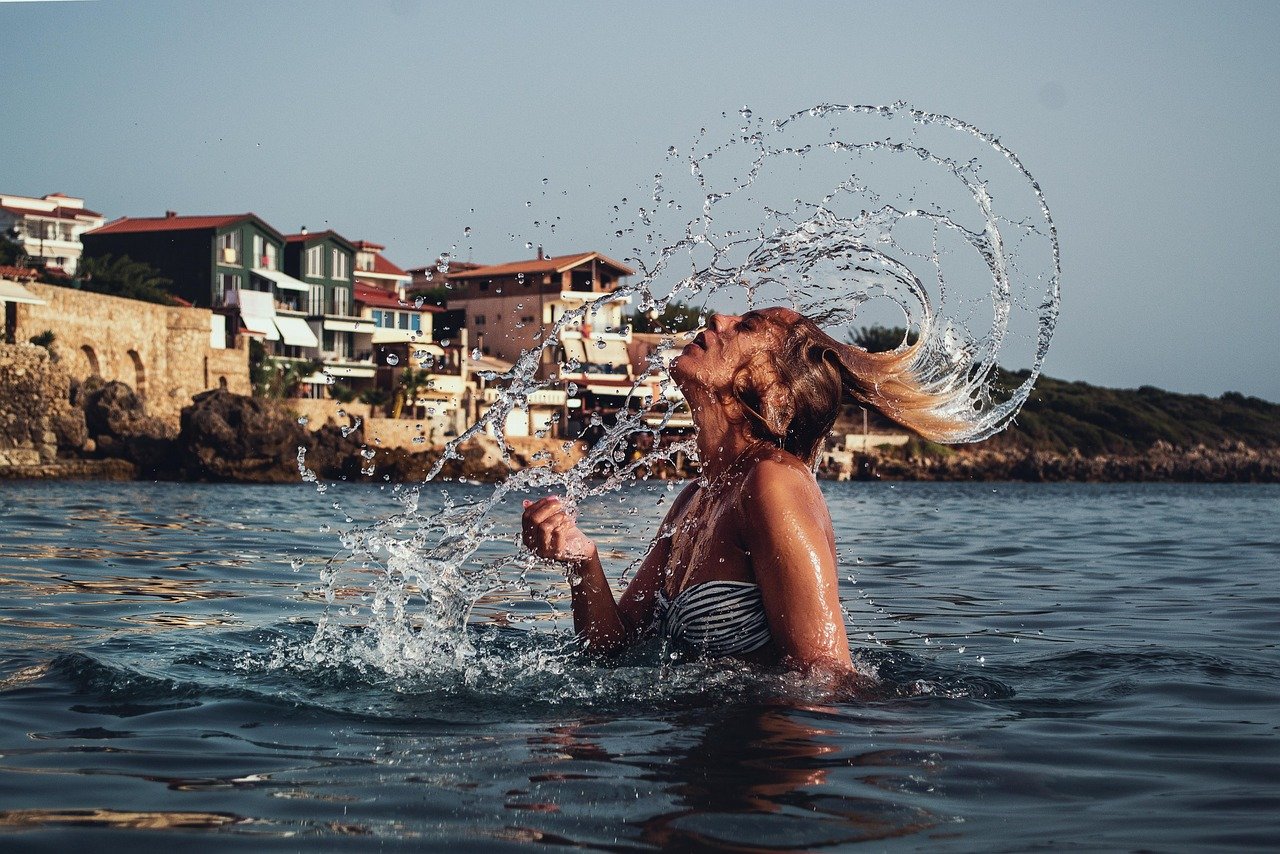
Chlorine is designed to kill bacteria. It does not pause at the pool edge. Hair soaked in chlorinated water can lose moisture, feel rough, and, for lighter shades, pick up a greenish cast that no amount of ordinary shampoo seems to fix. Salt water and sun add their own damage on top. The good news: most of the harm happens after you leave the water, in the first few minutes when hair is still wet and vulnerable. Get those minutes right and you prevent more damage than any expensive mask can repair.
This guide covers what actually works, what is mostly hype, and the mistakes that quietly undo your efforts.
Why Pool Water Is Hard on Hair
Hair is made of protein held together by a protective outer layer of overlapping scales called the cuticle. When that layer lifts, moisture escapes and rough treatment does more damage. Chlorinated water is alkaline, and alkaline solutions raise the hair’s surface, lifting those scales. Once lifted, they do not always lie flat again on their own.
Copper compounds used in pool algaecides are widely reported to bind to hair and contribute to green tinting in light or bleached hair. Many sources blame chlorine alone, but the copper explanation is the more common one in practice, and the two are often confused. Either way, the result is the same: dryness, brittleness, and color that looks dull or off.
Salt water works differently. It draws moisture out of hair through osmosis and leaves salt crystals behind that rub against strands. Add strong sun and you get a triple dose of drying and UV stress in one afternoon.
The First Ten Minutes After You Get Out
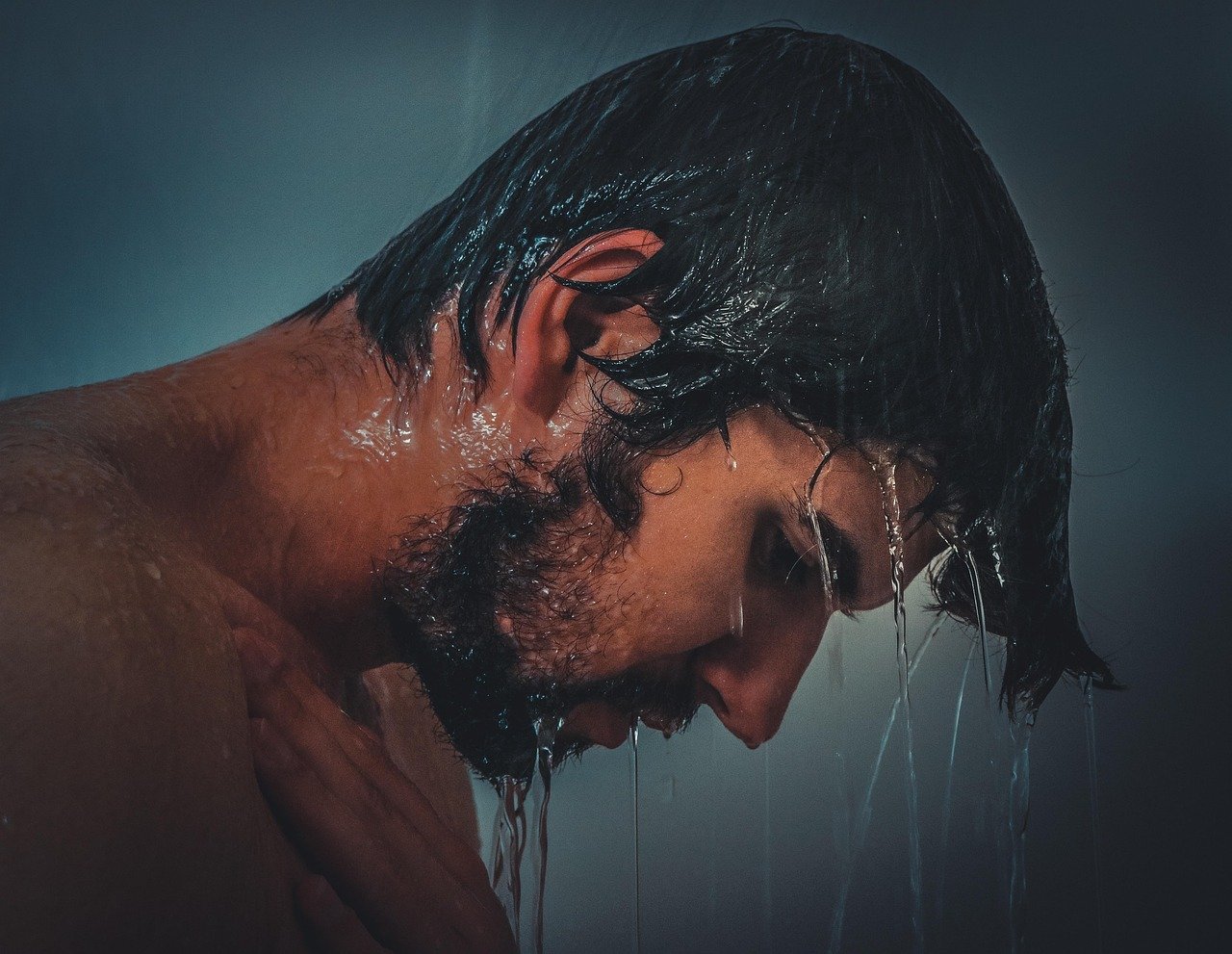
Speed matters more than products here. What you do in the first ten minutes sets the tone for everything else.
- Rinse with fresh water immediately. Step into the shower before you do anything else. Plain water flushes out pool chemicals and salt before they dry onto the strand.
- Skip the hot water. Warm water feels great but lifts the cuticle further. Lukewarm is the sweet spot.
- Do not scrub. Rough towel-drying on wet, fragile hair causes breakage. Squeeze gently instead of rubbing.
- Apply conditioner before you leave the pool area if you can. Many pools have showers. A quick condition-and-rinse beats waiting until you get home.
That last point is the one most people skip, and it is the one that makes the biggest difference. Hair that sits with chlorine in it for an hour in traffic is hair that has had an hour of extra exposure. (Chlorine)
Pre-Swim Prep: The Step Everyone Forgets
Prevention beats repair, and the prep is almost embarrassingly simple.
Wet your hair with fresh water before entering the pool. Saturated hair absorbs less chlorinated water. This is commonly recommended and widely practiced, though the evidence behind it is largely anecdotal rather than from controlled studies. It costs nothing, so it is worth doing.
Apply a leave-in conditioner or a light oil before swimming. A protective layer gives the water something else to cling to. Coconut oil and simple leave-in sprays both work. Do not overdo it, or you will leave a slick on the pool surface.
Wear a swim cap. A cap reduces exposure but does not eliminate it. Fit and material matter, and claims about how much protection a cap offers range from “very good” to “minimal.” Treat it as one layer of defense, not a force field.
Rinse your hair before and after. The pre-rinse saturates, the post-rinse flushes. Together they do more than most specialty products.
Washing After a Swim: What to Use and What to Avoid
Not all shampoos are equal after a swim. Here is how the main options compare.
| Product type | What it does | When to use it | Watch out for |
|---|---|---|---|
| Ordinary shampoo | Cleanses surface oils and dirt | Every wash | Does little against mineral buildup |
| Clarifying shampoo | Strips product and some buildup | Weekly, or after heavy pool weeks | Can dry hair if overused |
| Chelating shampoo | Binds and removes minerals like copper and calcium | As needed for regular swimmers | Overuse strips moisture |
| Co-wash (conditioner wash) | Gentle cleanse, adds moisture | Between clarifying washes | May not remove chlorine residue alone |
| Leave-in conditioner | Adds moisture and protection | After every swim | Heavy formulas can weigh hair down |
The practical routine for most swimmers: use a chelating or clarifying shampoo once a week if you swim regularly, and a gentle moisturizing shampoo on other wash days. Recommendations on chelating frequency vary, and overuse can leave hair feeling straw-like. Start weekly and adjust.
A common mistake: reaching for the strongest clarifying shampoo every single time you swim. That strips the scalp’s natural oils along with the pool chemicals, and you end up with hair that is clean but brittle. Balance matters.
If you have a tighter curl pattern, after-swim care needs more moisture than the routine above. A guide to 4C hair care, shrinkage and what the pattern really needs is worth reading before you build a swim routine around clarifying shampoos, since those formulas can be especially harsh on coily hair.
Conditioning Is Not Optional
Conditioner is the single most important after-swim step. It restores moisture, smooths the lifted cuticle, and reduces friction so strands do not snap when you comb them.
Apply conditioner to the mid-lengths and ends, not the scalp. Leave it for at least two minutes. If your hair feels rough after a swim, use a deep conditioning mask once a week. Protein treatments help hair that feels mushy or stretchy; moisture treatments help hair that feels dry and brittle. Using the wrong one for your hair’s current state can make things worse, so pay attention to how the hair behaves rather than following a fixed schedule.
For anyone with fine or light brown strands, sun and chlorine can also shift the color. A look at light brown hair shades and how to care for them explains why lighter hair shows pool damage faster, and what to do about fading.
Dealing With Green Tint
Green hair after swimming is one of the most searched hair problems, and the fix is more specific than people expect. If chlorine and copper are the culprits, ordinary shampoo will not touch it. You need a chelating treatment, or a shampoo formulated to remove metals. (Healthy Swimming)
Some swimmers find that a diluted vinegar rinse helps, though it is a temporary measure and can dry hair if used too often. The more reliable route is a proper chelating shampoo used consistently. If the tint persists after several treatments, a salon clarifying treatment may be needed.
One myth worth retiring: green hair is not caused by chlorine alone. The copper explanation is the more accepted one, even though sources disagree on how much each factor contributes. Either way, the treatment is the same.
Heat, Sun, and Salt: The Other Damage Sources
Pool water is not the only enemy. Sun exposure breaks down hair protein and fades color. Salt water draws out moisture. Heat styling on top of all that is a recipe for split ends.
A few practical rules:
- Skip heat styling on swim days. Let hair air dry when you can.
- Use a UV protectant if you spend long hours outdoors near water.
- Rinse salt water out the same day. Do not let it dry in.
- Comb wet hair with a wide-tooth comb, starting at the ends and working up.
- Trim regularly. Split ends do not heal; they travel up the strand.
If you color your hair, the stakes are higher. Understanding what brunette shades involve and how to maintain them helps you plan around swim season, since color-treated hair loses pigment faster in chlorinated water.
Building a Weekly Swim-Hair Routine
Consistency beats intensity. Here is a routine that fits most regular swimmers.
| Day | Routine |
|---|---|
| Swim days | Pre-rinse, leave-in before pool, immediate post-swim rinse, gentle shampoo, conditioner |
| Once a week | Chelating or clarifying shampoo, deep conditioning mask |
| Non-swim days | Gentle cleanse, moisture-focused conditioner, air dry |
| Monthly | Check for split ends, trim if needed |
Adjust the frequency based on how often you swim. Someone in the pool five days a week needs more chelating treatments than a weekend swimmer. Someone with coarse or curly hair needs more moisture overall.
A common mistake is treating every wash day the same. Swim days and non-swim days have different needs, and a routine that ignores that difference either over-cleans or under-protects.
What About Hair Type?
Hair type changes the details, not the principles. Fine hair needs lighter products and can get weighed down by heavy oils. Curly hair needs more moisture and gentler cleansing. Textured hair often benefits from co-washing between clarifying treatments. A guide to 3C curls and the care routine that actually works is useful if you are balancing curl definition with frequent pool exposure.
If you are unsure where your hair falls, learning to identify 2C waves and how to style them can help you pick products that will not flatten your pattern after a swim.
Custom hair care subscriptions have become popular for exactly this reason: a routine built around your hair rather than a generic one. A tested review of Prose custom hair care covers whether the personalization is worth the cost for swimmers.
Mistakes That Undo Your Efforts
Even careful swimmers make these errors.
Waiting too long to rinse. Every minute chlorine sits on the hair is a minute of extra exposure.
Using hot water. It feels good and lifts the cuticle further.
Skipping conditioner. Shampoo cleans; conditioner protects. You need both.
Over-clarifying. Strong shampoo every swim strips natural oils.
Rough towel-drying. Rubbing wet hair causes breakage.
Ignoring the scalp. Chlorine dries the scalp too. A gentle scalp rinse and occasional moisturizing treatment helps.
Assuming a swim cap is enough. It reduces exposure but does not replace rinsing and conditioning.
When to See a Professional
If hair feels brittle, breaks easily, or shows persistent color changes despite a solid routine, a dermatologist or trichologist can help. Persistent scalp itching, flaking, or irritation after swimming is also worth a professional look. Most post-swim damage is manageable at home, but ongoing problems deserve a proper assessment.
Conclusion
Caring for hair after swimming comes down to timing and consistency. Rinse immediately, condition every time, clarify weekly if you swim regularly, and protect before you get in. None of these steps is expensive or complicated. The swimmers who keep healthy hair are not the ones with the biggest product shelf. They are the ones who rinse before the chlorine dries.
Frequently Asked Questions
How soon should you wash your hair after swimming?
As soon as possible, ideally within the first ten to fifteen minutes. Rinsing with fresh water immediately after leaving the pool flushes out chlorine and salt before they dry onto the hair. A full wash can wait until you get home, but the rinse should not.
Does a swim cap protect hair from chlorine?
Partly. A swim cap reduces exposure but does not eliminate it, and how much protection it offers depends on fit and material. Claims about effectiveness vary widely. Treat a cap as one layer of defense alongside pre-rinsing and post-swim conditioning.
Why does hair turn green after swimming?
Green tinting is most often linked to copper compounds used in pool algaecides binding to hair, rather than chlorine alone, though sources disagree on the exact contributions of each. The fix is a chelating shampoo designed to remove metals, used consistently until the tint fades.
Is it better to wet hair before swimming?
Yes, it is commonly recommended. Saturating hair with fresh water before entering the pool means it absorbs less chlorinated water. The evidence behind this is largely anecdotal rather than from controlled studies, but the practice is low-cost and widely used.
How often should swimmers use clarifying shampoo?
About once a week for regular swimmers, adjusted for how often you swim and how your hair responds. Overuse can strip moisture and leave hair brittle, so start weekly and scale back if hair feels dry. Gentle moisturizing shampoo works for other wash days.
Can you swim with color-treated hair?
Yes, but with extra care. Color-treated hair loses pigment faster in chlorinated and salt water, so pre-rinsing, wearing a cap, and using a chelating shampoo after swimming all matter more. Rinsing immediately after getting out is the single most important step.