
Birthday Cake Perfume Trend 2026: Why Gourmand Scents Rule
 Abdul WadoodLast updated
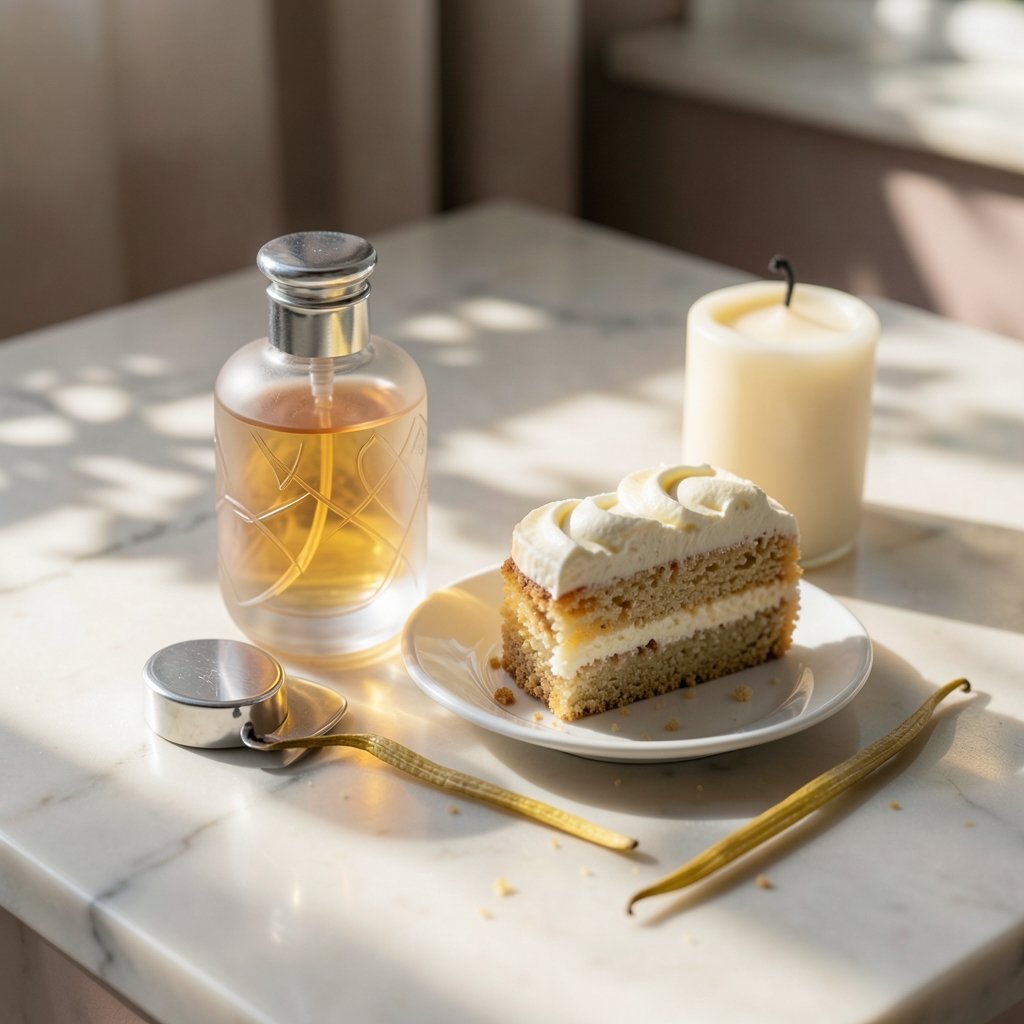
Walk into any fragrance counter and you will notice something strange: the bestsellers do not smell like flowers or citrus anymore. They smell like dessert. Vanilla, buttercream, frosting, and a wisp of blown-out candle smoke have moved from novelty to mainstream, and the birthday cake perfume trend is the clearest sign that gourmand fragrance has fully arrived. The appeal is easy to understand. A spritz of cake-scented perfume is nostalgic, comforting, and instantly recognizable, which is rare in a category that often chases abstraction. (Perfume)
But there is more going on here than a sweet tooth. The trend sits at the crossroads of social media fragrance culture, nostalgia marketing, and a broader shift toward scents that feel like experiences rather than status symbols. This article breaks down what birthday cake perfume actually is, why it took off, how to wear it without smelling like a bakery, and where the trend might go next.
What Counts as a Birthday Cake Perfume?
Part of the confusion around this trend is definitional. “Birthday cake” is not an official fragrance family. It is a social-media label that describes a cluster of gourmand accords: vanilla, buttercream, sugar, icing, sponge cake, and sometimes a smoky “candle” note. Fragrance houses may call these notes “confectionery,” “gourmand,” or simply “sweet,” but the internet knows what it is smelling.
A typical birthday cake fragrance pyramid looks something like this:
| Layer | Common Notes | What It Does |
|---|---|---|
| Top | Sugar, bergamot, almond | Adds sparkle and lift |
| Heart | Buttercream, frosting, vanilla orchid | Creates the “cake” illusion |
| Base | Vanilla, tonka bean, musk, sandalwood | Gives warmth and staying power |
The trick is that a good one does not smell literally like a cake. It smells like the idea of celebration: soft, warm, and a little indulgent. The best versions balance sweetness with something dry or woody so the wearer does not end up smelling like a spilled vanilla extract bottle.
Why the Trend Took Off
Social media turned fragrance into a visual story
Short-form video changed how people discover perfume. Instead of reading a description in a magazine, viewers watch someone spritz, describe the scent in vivid terms, and connect it to a mood or aesthetic. Birthday cake fits that format perfectly because it is instantly explainable. You do not need a fragrance vocabulary to understand “this smells like a vanilla birthday cake with candles.”
The same dynamic powered adjacent trends. Patchwork, high-contrast color has its own visual logic, as covered in this look at Calico Hair: What the Patchy Color Trend Really Means – Voozon — Discover, Review & Explore, and face-framing color follows a similar pattern of being easy to explain and easy to copy, which is why the money piece hair trend keeps returning. Fragrance and beauty trends now spread through the same visual channels.
Nostalgia is doing the heavy lifting
Gourmand scents have existed for decades, but the current wave leans hard into childhood memory: birthdays, frosting, sprinkles, the smell of a kitchen. That is nostalgia marketing in its purest form. In a period of economic and cultural uncertainty, comforting scents have obvious appeal. They feel safe, familiar, and personal rather than aspirational.
This is also why the trend overlaps so heavily with the broader soft, romantic aesthetic visible across beauty and fashion. The same mood shows up in the season’s color stories, as this roundup of makeup trends for spring makes clear: warmth, softness, and a deliberate return to prettiness.
The indie-to-mainstream pipeline
Historically, dessert fragrances lived in indie and niche perfumery, where small brands experimented with unusual accords. Social media compressed the usual timeline. A scent that once circulated among enthusiasts can now reach a mass audience in weeks, and larger brands respond quickly with limited editions and permanent launches. That pipeline is the engine behind the trend’s visibility, even if the exact dates and sales figures are hard to pin down.
The Honest Caveat About Trend Data
Here is where a lot of coverage goes wrong. Many articles cite dramatic sales figures for birthday cake perfumes without showing the underlying data. Retailer statements are marketing, not audited numbers, and viral moments are frequently misdated in secondary coverage. Treat any specific percentage with skepticism unless you can trace it to a primary source such as a brand press release or product page.
The safer claim is qualitative: birthday cake perfumes have clearly moved from niche curiosity to visible shelf space. That is observable. The precise size of the market is not something most public sources verify cleanly.
How to Wear a Birthday Cake Perfume Without Overdoing It
The most common mistake people make with gourmands is spraying too much. Sweet notes project further than fresh ones, and a heavy hand turns “cozy” into “cloying” fast. Here is a practical routine that actually works.
- Start with one spray on skin, not fabric. Skin chemistry changes gourmands; fabric amplifies them. Test on skin first.
- Target pulse points, then step into the scent. Spraying at arm’s length creates a softer cloud than a direct blast.
- Layer with a neutral base. An unscented lotion or a light musk helps the sweetness sit closer to the skin.
- Choose the season deliberately. Birthday cake scents shine in cool weather. In heat, pick a lighter version with citrus or almond on top.
- Keep the rest of your routine simple. If your perfume is dessert, let your shampoo and body lotion stay clean and neutral.
A second common mistake is buying blind based on a description. “Vanilla cake” can mean fluffy buttercream or a heavy, almost syrupy vanilla. Order a sample or test in store before committing to a full bottle, especially at niche price points.
Matching the scent to the occasion
| Setting | Best Approach | Why |
|---|---|---|
| Office | One spray, skin only | Keeps projection close and polite |
| Evening out | Layer with warm musk or amber | Adds depth without more sugar |
| Cold weather | Full application on pulse points | Sweetness reads as cozy, not heavy |
| Warm weather | Light, citrus-topped version | Prevents the scent from turning syrupy |
What Makes a Good One (and What to Avoid)
A well-built birthday cake fragrance has structure. Look for a dry counterweight in the base: sandalwood, cedar, tonka, or a clean musk. These notes stop the sweetness from collapsing into a single flat note. Perfumers often use a touch of something salty or smoky, like a candle accord, to create contrast and make the composition feel intentional rather than literal.
What to avoid: fragrances where the sweetness is the entire story. If the top, heart, and base all read as sugar, the scent will feel monotonous after an hour. Also watch for heavy synthetic vanilla that turns sharp on some skin types. Testing matters more here than in almost any other fragrance category.
The Design and Culture Angle
Step back to see the bigger picture. The birthday cake trend concerns more than perfume. It belongs to a wider cultural shift: everyday objects and rituals are recast as design statements. Celebration itself has become an aesthetic, from tablescapes to packaging to scent. The broader art, design, and modern trends conversation returns to one idea: people want daily life to feel considered and a little special.
Fragrance is simply the most intimate version of that impulse. You cannot hang a birthday cake on your wall, but you can wear one. And within the wider fashion and style landscape, scent has become another layer of personal presentation, as deliberate as a hemline or a hair color.
Common Misconceptions
“It’s just a rebrand of existing gourmands.” Partly true. Many birthday cake scents are variations on classic vanilla gourmands. But the framing matters: the trend has pulled dessert notes out of the niche corner and into everyday wear.
“It’s only for young people.” Not accurate. Nostalgia cuts across age groups, and the comfort factor appeals to anyone who wants a scent that feels warm rather than formal.
“Sweet perfumes don’t last.” Actually, gourmands often last longer than fresh citrus scents because their base notes are heavier. The issue is usually projection, not longevity.
“It’s a passing fad.” Possible, but gourmands have proven unusually durable. Even if the “birthday cake” label fades, the underlying preference for warm, edible-smelling fragrance is likely to stay.
Conclusion
The birthday cake perfume trend is best understood as a collision of three forces: social media’s talent for making scent visual and shareable, a broad cultural appetite for nostalgia and comfort, and the fragrance industry’s fast indie-to-mainstream pipeline. The result is a category that feels playful on the surface but reflects something more serious about how people want to feel day to day: warm, remembered, and a little celebrated.
If you want to try it, start small. Sample before buying, spray lightly, and look for a version with a dry base note to keep the sweetness in check. The trend rewards a light touch, and that is true whether you are wearing it to a party or to the office on an ordinary Tuesday.
Frequently Asked Questions
What exactly is a birthday cake perfume?
It is a gourmand fragrance built around dessert notes such as vanilla, buttercream, frosting, sugar, and sometimes a smoky candle accord. It is not an official fragrance family but a descriptive label popularized through social media fragrance communities. (Fragrance Creators Association)
Are birthday cake perfumes suitable for everyday wear?
Yes, with adjustments. Choose a lighter version with citrus or almond on top for daytime, and apply sparingly on skin rather than fabric. Heavier, syrupier versions work better for evenings or cool weather.
How many sprays should I use?
One or two sprays on pulse points is usually enough. Sweet notes project strongly, so a light hand keeps the scent close and prevents it from becoming overwhelming in shared spaces like an office.
Why do gourmand scents last longer than fresh ones?
Gourmand fragrances rely on heavy base notes like vanilla, tonka bean, and musk, which evaporate slowly on skin. Fresh citrus scents use lighter molecules that fade faster, so dessert perfumes often outlast them.
Is the birthday cake trend new?
The dessert-fragrance concept is decades old in indie and niche perfumery. What is new is its mainstream visibility, driven largely by short-form video reviews and faster brand response times. The exact timing of the trend’s peak is difficult to verify from public sources.
How can I test a birthday cake perfume before buying?
Request a sample or test it on your skin in store, then wear it for several hours. Check how the sweetness develops after the opening notes fade. Avoid buying a full bottle based only on a written description, since “vanilla cake” can mean very different things from brand to brand.
The FAQ above covers the practical questions, but one more point deserves emphasis: the trend’s staying power depends less on the “birthday cake” label than on the underlying shift toward comfort-driven fragrance. Labels are marketing; preferences are behavior. If warm gourmands keep selling, brands will keep making them, whatever the next viral name turns out to be. For now, the smart approach is the same one that works for any trend cycle: enjoy it, sample widely, and let your own skin decide. That is a more reliable guide than any viral review, and it keeps the pleasure where it belongs — in the wearing.