
Best Haircuts for Oval Faces: Top Styles That Work
 Abdul WadoodLast updated
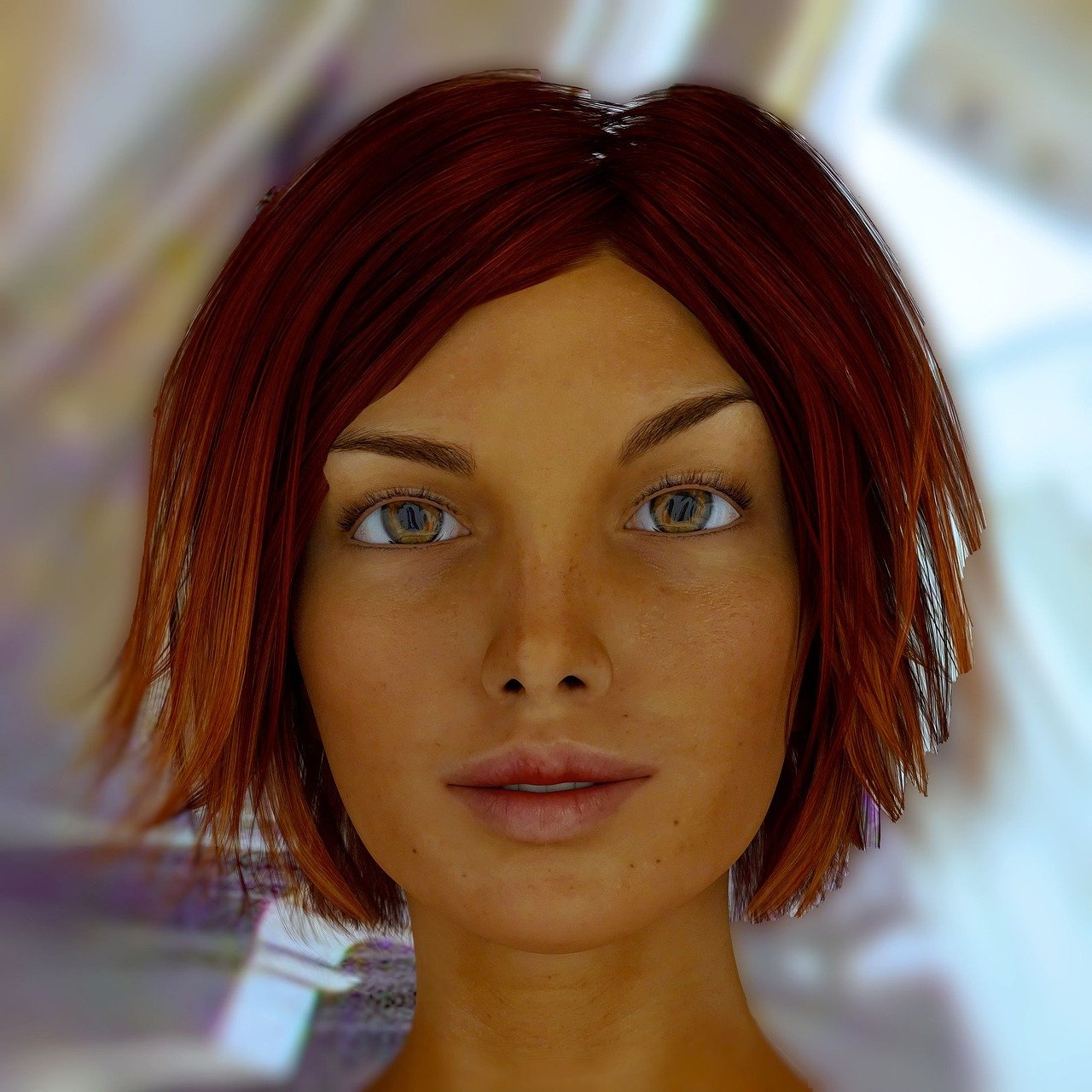
Roughly one in five people is estimated to have an oval face, and stylists have long treated that shape as the lucky draw of the beauty world. The proportions tend to sit in balance: the face is longer than it is wide, the jaw curves gently, and the forehead is only slightly broader than the chin. That balance is why so many haircut guides open with the same line — oval faces can wear almost anything. It is also why so much advice about them is vague, contradictory, and weirdly unhelpful once you’re sitting in the chair.
The truth is more interesting. “Can wear anything” is not the same as “everything looks equally good.” An oval face still has a hairline, a jaw angle, a neck length, and a texture that push certain cuts from fine to excellent. This guide breaks down which cuts genuinely flatter oval faces, which ones get oversold, and what to say to your stylist so you leave with a shape that works on a Tuesday morning and beyond the salon mirror.
Why Oval Faces Have So Much Freedom
Face-shape typing is not a science. It is a styling convention, and different sources disagree on how many categories exist and how to measure them. What most agree on is the basic oval profile: length noticeably greater than width, a softly rounded jaw, and no dominant sharp angle. Because there is no strong corner to soften or narrow, the usual corrective tricks — heavy face-framing layers, deep side parts, chin-length bobs deployed as camouflage — are optional rather than mandatory.
That freedom cuts both ways. Without a clear constraint, it is easy to pick a cut that is trendy but wrong for your density or growth pattern. A cut can flatter your face shape and still fail because your hair grows forward at the crown or your strands are too fine to hold a blunt line. The best approach treats face shape as one filter among several, not the whole decision.
The Cuts That Consistently Deliver
The Classic Bob, Cut With Intention
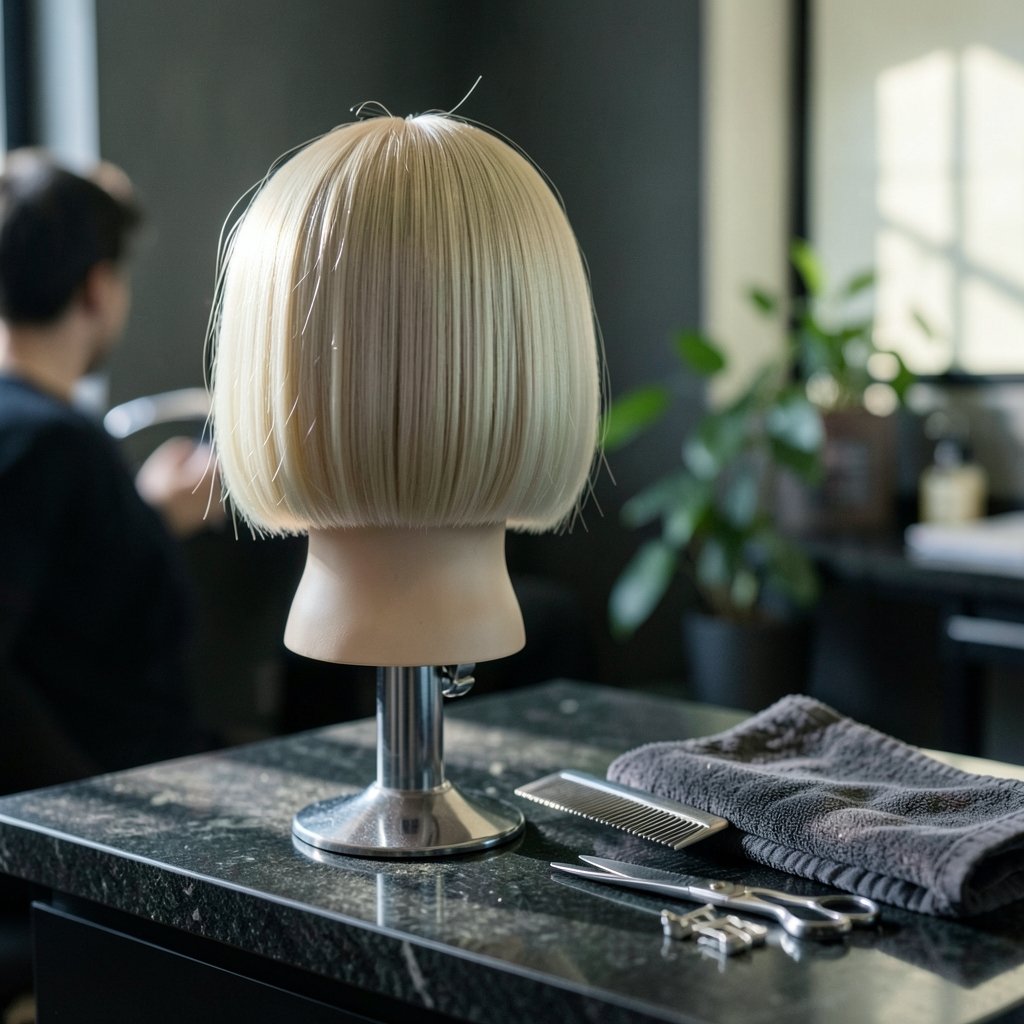
A bob that ends between the jaw and the collarbone is the workhorse of oval-face haircuts. It keeps the face visible, adds a clean line, and suits straight, wavy, and loosely curly textures. The mistake people make is asking for a bob without specifying where the perimeter sits. On an oval face, a length that lands right at the jawbone can create a visual echo that shortens the neck; dropping it a centimeter or two usually solves the problem. For a deeper look at lengths and face-shape matching, the short hair styles guide covering cuts and face shapes is a useful companion read. (Face shape)
Long Layers With Movement
Long hair on an oval face works best when it has shape rather than weight. Layers that start around the collarbone and graduate downward keep the silhouette from turning into a curtain. Ask for point-cutting rather than heavy thinning — thinning removes bulk but can leave fine hair looking stringy within weeks. If you want the full breakdown of pixie, bob, and lob lengths, the practical guide to short haircuts covers the trade-offs clearly.
The Lob
The long bob, hovering just above the shoulders, is arguably the most forgiving cut for this face shape. It is long enough to tie back, short enough to feel deliberate, and it works with a middle part, a deep side part, or a soft curtain fringe. It also grows out gracefully, which matters more than most guides admit. A cut that looks good for three weeks and awkward for five is a bad investment.
Curtain Bangs and Soft Fringe
Bangs are the most contested topic in oval-face advice. The cautious version says skip them; the practical version says choose them carefully. A heavy, blunt fringe can visually compress a longer face and hide the balance that makes oval shapes easy to style. A soft curtain fringe, parted in the middle and swept to the sides, adds framing without blocking the face. Wispy fringe works similarly. The key is density: light and piecey reads intentional, dense and solid reads like a helmet.
Pixies, With a Caveat
A pixie can look extraordinary on an oval face because there is no strong jaw angle competing with the cut. The caveat is texture. Fine hair needs some volume at the crown or the shape collapses; very thick hair needs internal texturizing or the cut turns into a mushroom. A slightly longer pixie with a bit of length at the nape tends to be the safer version.
A Quick Comparison Table
| Cut | Best for | Watch out for | Styling time |
|---|---|---|---|
| Jaw-to-collarbone bob | Most textures, fine to medium density | Perimeter landing exactly at the jaw | 10–15 min |
| Long layers | Medium to thick hair, wavy textures | Over-thinning at the ends | 10–20 min |
| Lob | Almost everyone, especially busy schedules | Ends flipping if cut too blunt | 5–10 min |
| Curtain fringe | Longer faces, straight to wavy hair | Fringe too dense or too wide | 5 min |
| Soft pixie | Confident stylists, short-hair regulars | Crown volume collapsing on fine hair | 5–10 min |
| Blunt one-length cut | Straight, high-density hair | Can look heavy on soft features | 10 min |
What Actually Goes Wrong in the Chair
Most disappointing haircuts on oval faces share a handful of causes, and almost none of them are about face shape at all.
The photo problem. Clients bring a picture of a model with different hair density, a different hairline, and a professional blow-dry. The cut gets copied; the result doesn’t. Bring two or three photos and point at the specific element you like — the fringe, the perimeter, the layering — rather than the whole image.
The thinning reflex. Stylists reach for thinning shears to reduce bulk, which works for a fortnight and then leaves ends looking frayed. Ask for texturizing instead, and ask where it will be placed.
Ignoring the growth pattern. A cowlick at the hairline will fight a blunt fringe every single morning. Mention it before the first cut, not after.
Skipping the styling conversation. A cut that requires a round brush and twenty minutes is a different product from one that air-dries. Say which one you want. This single question prevents more regret than any face-shape chart.
Color, Framing, and the Details That Finish the Look
Cut shape does most of the work, but color placement can sharpen it. Face-framing highlights — often called a money piece — draw attention to the front of the face and can make a simple lob look considered. The guide to money piece hair and face-framing color explains how placement changes the effect. Two practical cautions: high-contrast pieces need more frequent salon visits to stay sharp, and on very fine hair, lightening the front sections can reduce the appearance of density.
Grooming details matter too. Eyebrow shape, a clean neckline, and whether the hair tucks behind the ear all change how a cut reads. So does the choice between a middle and side part — a middle part emphasizes symmetry, while a side part adds asymmetry and can make a long face feel more dynamic.
Matching the Cut to Your Life, Not Your Face Alone
The most useful question is not “what suits an oval face?” but “what suits an oval face and a 7 a.m. start?” A few honest trade-offs:
- If you exercise daily, a lob or a tied-back length beats a pixie that needs styling to look finished.
- If you have fine hair, shorter usually beats longer, because length drags volume out of the roots.
- If you have very thick hair, a blunt line plus internal texturizing controls bulk better than aggressive layering.
- If you color regularly, remember that lighter hair shows split ends faster, so a clean perimeter needs more upkeep.
None of these are face-shape rules. They are life rules, and they matter more.
Common Myths Worth Retiring
Oval faces can wear literally anything. They can wear most things, but density, texture, and hairline still set limits. A cut that ignores them will underperform regardless of bone structure.
You must avoid bangs. Not true. You must avoid bangs that are too heavy or too wide for your face and hairline.
Short hair is only for certain face shapes. Short cuts are governed mostly by growth pattern and density. An oval face with a strong cowlick may struggle with a sleek pixie far more than a round face with cooperative hair.
A middle part is universally flattering. It is flattering on many oval faces, but it also exposes the hairline completely. If that is a concern, a slight off-center part gives most of the benefit with more coverage.
How to Brief Your Stylist
- Show two or three reference photos and name the exact element you want from each.
- State your realistic styling time and the tools you actually own.
- Point out cowlicks, thinning areas, and any previous chemical treatments.
- Ask where the perimeter will sit and how the cut will grow out over eight weeks.
- Confirm the plan for bulk: texturizing, layering, or neither.
- Book the follow-up before you leave — most cuts need a shape refresh at six to eight weeks.
If you are weighing a bigger change, such as removing facial hair or reducing regrowth around the hairline, the breakdown of laser hair removal results and costs is worth reading before you commit to a clinic.
Conclusion
Oval faces are genuinely versatile, and that versatility is best used as permission to experiment rather than as a guarantee. The cuts that consistently deliver — the jaw-to-collarbone bob, the lob, long layers with movement, a soft curtain fringe, a well-shaped pixie — all share one quality: they work with the hair’s natural behavior instead of against it. Face shape gets you in the door. Density, texture, hairline, and how much time you are willing to spend with a brush decide what you leave with. Choose the cut that fits your real mornings, brief your stylist precisely, and plan the grow-out before the first snip. That combination beats any face-shape chart.
FAQ
What is the best haircut for an oval face?
There is no single best cut, but the jaw-to-collarbone bob and the long bob are the most consistently reliable. Both keep the face visible, suit most textures, and grow out well. If you want something shorter, a soft pixie with some crown volume is a strong option for medium-density hair.
Do bangs suit an oval face?
Yes, with a caveat about weight. Soft curtain bangs, wispy fringe, and side-swept styles generally flatter oval faces because they frame without blocking. Heavy, dense, blunt fringe is the version most likely to look severe, especially on a longer face.
Can oval faces wear very short hair?
They can, and often very well, because there is no strong jaw angle competing with the cut. The limiting factors are usually hair density and growth pattern rather than face shape. Fine hair needs crown volume, and thick hair needs internal texturizing to avoid a bulky shape.
Is a middle part good for an oval face?
A middle part is flattering on many oval faces because it works with natural symmetry. It does expose the hairline fully, so anyone self-conscious about their hairline may prefer a slightly off-center part, which keeps most of the visual benefit with more coverage.
How often should an oval-face haircut be refreshed?
Most cuts need a shape refresh every six to eight weeks. Short pixies often need four to six weeks, while a lob can stretch to ten. If you color your hair, aligning the cut appointment with your root touch-up saves time and keeps the perimeter sharp.
What should I avoid with an oval face?
Avoid cuts chosen purely from a photo without matching your density and texture, heavy blunt fringe if your face is long, and aggressive thinning that leaves ends looking frayed within weeks. Also avoid committing to a style that needs daily styling if you know you will not do it.