
Best Beaches in Miami: Find Your Perfect Shore
 Abdul WadoodLast updated
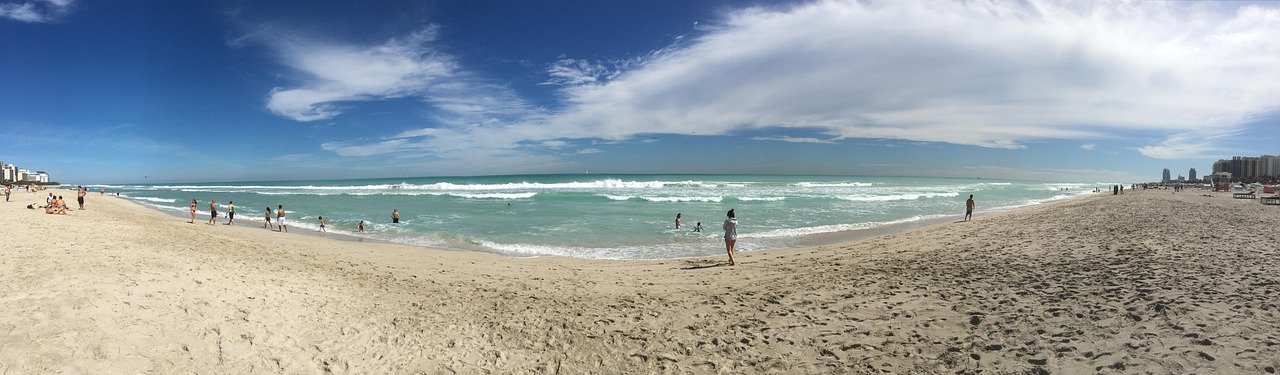
What if the beach you pick in Miami matters more than the flight that got you there? It does. Miami’s shoreline runs from a party-ready city beach to a quiet state park with a lighthouse, and the gap between them is bigger than most visitors expect. Pick wrong and you get crowds, pricey parking, and water that isn’t great for swimming. Pick right and the day feels effortless.
This guide sorts the best beaches in Miami by what they’re actually good at, with practical notes on parking, crowds, and safety so the choice is easy.
Miami Beach Is a City, Not Merely a Strip of Sand
First, a clarification that saves a lot of confusion. Miami Beach is its own city on barrier islands across Biscayne Bay from mainland Miami. It was incorporated in 1915. When people say “Miami beaches,” they usually mean this city, but the wider county holds several distinct beach areas, each with its own personality.
The second thing to know: Miami’s beaches face the Atlantic, so they get real surf, real currents, and real seaweed seasons. That’s different from the calm, bathtub-warm water on Florida’s Gulf side. If you want a comparison, this guide to Florida’s Gulf Coast beaches explains the trade-off between waves and calm water.
South Beach: The Famous One, and What to Expect
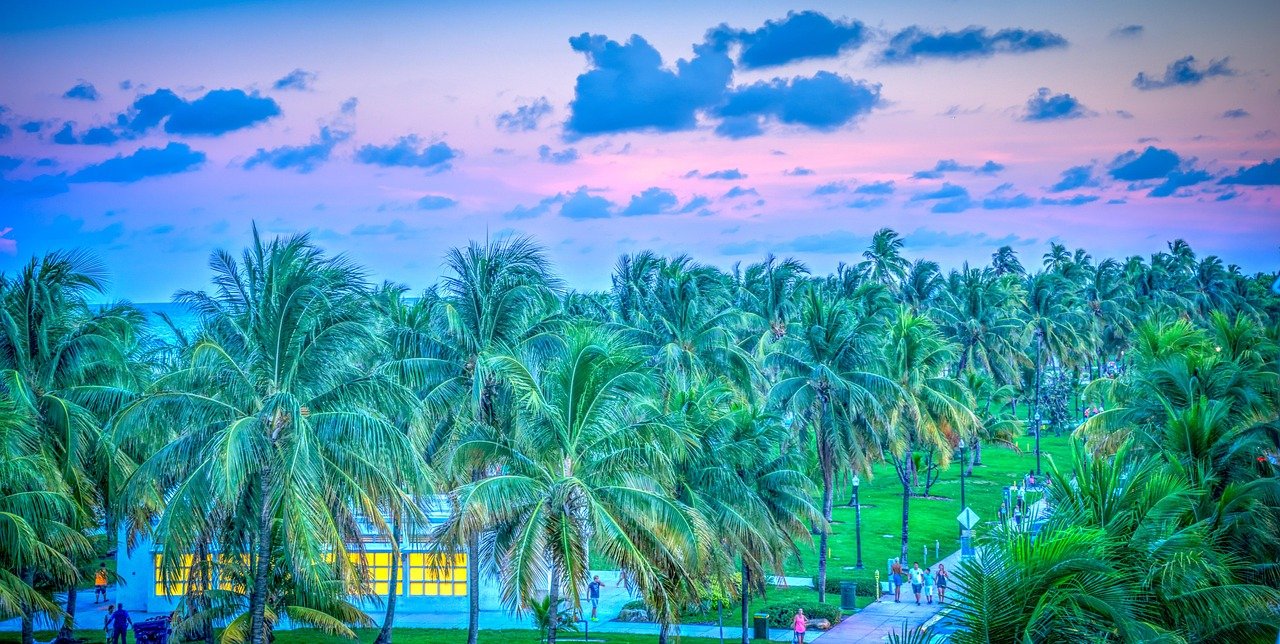
South Beach covers the southern tip of Miami Beach, roughly from South Pointe Park north to around 23rd Street. It’s the postcard: wide sand, turquoise water, volleyball nets, and the Art Deco Historic District running along Ocean Drive and Collins Avenue between about 5th and 23rd Streets.
The district holds hundreds of preserved buildings from the 1920s through the 1940s and was listed on the National Register of Historic Places in 1979. Walking it early in the morning, before the heat and the crowds, is genuinely one of the best free things to do in Miami.
What works in practice: arrive before 9 a.m. Parking near Ocean Drive is metered, limited, and expensive. The public garages a few blocks inland cost far less than street spots, and the walk is short. Bring water; concession prices on the sand run high.
Common mistake: assuming every patch of sand in front of a hotel is private. Most of Miami Beach’s oceanfront is public. Hotel staff may set out loungers, but the sand itself is generally open to anyone. Set up outside the roped lounge areas and nobody will bother you.
South Beach is also where the lifeguard stands live. Those colorful, architect-designed towers are working safety infrastructure, not photo props, so don’t climb them.
Mid-Beach and North Beach: Same Sand, Fewer People
If South Beach feels like a festival, Mid-Beach (roughly 23rd to 63rd Streets) feels like a neighborhood. The beach is just as wide, the water just as blue, and the crowds noticeably thinner. North Beach, further up, is quieter still and has a more local, residential feel.
This is the sweet spot for families and anyone who wants a beach day without a scene. Parking is easier, restaurants are cheaper, and you can usually find space on the sand without stepping over anyone’s towel.
One practical note: blocks matter. A beach access point two blocks from your hotel can be calm and empty while the one at a major hotel is packed. Walk a little before you commit.
Haulover Beach Park: The Clothing-Optional Curveball
Haulover Beach Park sits on a barrier island between Bal Harbour and Sunny Isles Beach, operated by Miami-Dade County. It’s a long, well-kept beach with decent parking and concessions, and it holds a designated clothing-optional section — one of the few legal nude beaches in the United States.
That section is clearly separated from the rest of the beach, and the family-friendly areas remain exactly that. If you’re traveling with kids, you can use Haulover without ever encountering it. If you’re curious, check current rules and section boundaries with Miami-Dade County Parks before you go, since policies and operating details can change. (What is a rip current?)
Haulover also has a reputation for good fishing from the inlet side, which makes it a rare beach where swimmers and anglers share a park without much friction.
Crandon Park and Key Biscayne: The Family Pick
Cross the causeway to Key Biscayne and the pace drops. Crandon Park Beach is a county park with a long, wide beach and shallow water near the shore, which makes it a favorite for families with small kids and for kiteboarders who work the wind further out.
You pay an entrance fee, and that fee is the point: it caps the crowd. The park has parking, shade, picnic areas, and a beach that never feels shoulder-to-shoulder. For a full day with kids, coolers, and gear, this is usually the most comfortable option in the county.
Nearby, Bill Baggs Cape Florida State Park anchors the south end of the island with a historic lighthouse and a quieter beach. It’s a Florida state park, so expect standard state park rules and fees.
Virginia Key Beach: The One With a Story
Virginia Key Beach is a short drive from downtown Miami and carries weight that most beaches don’t. During segregation it was designated as the beach for Black residents, opening in 1945, and it became a gathering place with real civil-rights significance. Today it’s a city park with a historic trust preserving that legacy.
The beach itself is calm, shallow, and shaded by trees, with a different feel from the oceanfront strips. It’s a good choice if you want a slower day and a sense of place. Go with respect for what the site represents.
Comparing the Best Beaches in Miami at a Glance
| Beach | Best for | Crowd level | Parking and fees | Watch out for |
|---|---|---|---|---|
| South Beach | First-timers, architecture, people-watching | Very high | Metered street parking, paid garages | Heat, crowds, pricey concessions |
| Mid-Beach / North Beach | Families, quieter days | Moderate to low | Easier street and garage parking | Fewer services in some blocks |
| Haulover Beach Park | Long beach days, clothing-optional section | Moderate | County park fees | Confirm section boundaries first |
| Crandon Park (Key Biscayne) | Families, shallow water, space | Moderate, capped by fee | Entrance fee | Park hours and gate closing time |
| Bill Baggs Cape Florida | Lighthouse, nature, calm water | Moderate | State park fee | Limited shade in places |
| Virginia Key Beach | History, calm shallow water | Low | City park fees | Respect the historic site |
Water Quality, Wildlife, and the Risks Nobody Mentions
Miami’s beaches are not all equal on any given day, and the difference is often invisible.
Water quality shifts with rain. Heavy rain washes urban runoff into the water, and bacteria levels can rise at some sites for a day or two afterward. Local health authorities publish beach water-quality advisories, and checking them takes thirty seconds. A simple rule: skip swimming right after a big storm, especially near inlets and storm drains.
Seaweed and jellyfish are seasonal, not constant. Sargassum influxes vary year to year across the Caribbean and Gulf region, and Portuguese man o’ war and jellyfish show up seasonally, often with onshore winds. If the sand is littered with blue bubbles, stay out; those are man-of-war and their tentacles sting even when detached.
Rip currents are the real hazard. Atlantic-facing beaches can develop strong currents, especially around inlets and piers. Swim near a lifeguard, and if you get caught, swim parallel to shore rather than fighting straight back.
Sun and heat do the most damage. Miami’s UV index runs high year-round, and heat exhaustion sneaks up on people who feel fine at noon. Sunscreen, a hat, shade, and water are not optional. Public health agencies publish detailed sun safety guidance from the CDC that’s worth a read before a beach vacation.
Practical Tips That Actually Make the Day Better
A few habits separate a smooth beach day from a stressful one.
- Go early or go late. Morning light is cooler, parking is easier, and the beach is at its best before 11 a.m. Late afternoon is the second-best window.
- Bring cash and a card. Some park entrances and concession stands are card-only; others prefer cash. Having both avoids a detour.
- Pack more water than you think. Dehydration on the sand happens fast, and beach vendors charge resort prices.
- Check the flag system. Green means calm, yellow means caution, red means stay out. Lifeguards post them for a reason.
- Skip the umbrella rental if you can. A cheap shade tent or a rented umbrella from a local shop often costs less than an all-day rental on the sand.
- Plan your exit. Late-afternoon traffic leaving Miami Beach can double a short drive. Leaving by 4 p.m. or after 7 p.m. saves real time.
If you’re building a bigger Florida trip, it helps to see how Miami’s beaches compare with other stretches of shoreline. This look at the best beaches on the East Coast puts Miami in context with the rest of the seaboard, and this guide to the best beaches in South Carolina shows the quieter, more local style of beach town that Miami deliberately is not. For travelers weighing a Caribbean trip instead, this breakdown of the best Caribbean beaches covers how to match an island beach to your travel style. (Miami Beach, Florida)
Matching the Beach to Your Trip
Here’s the honest version. If it’s your first time in Miami and you want the classic experience, go to South Beach once, early, and get it out of your system. Then move on.
If you’re traveling with kids, Crandon Park is the safest bet: shallow water, space, and a fee that keeps the crowd manageable. If you want a long, low-key beach day with easy parking, Haulover delivers. If you want quiet and a lighthouse, head to Bill Baggs. If you want a beach with meaning, Virginia Key is worth the detour.
The best beaches in Miami aren’t ranked in a single order, because the right one depends on the day you’re planning. Match the beach to the mood, check the water quality, respect the sun, and Miami rewards you.
Frequently Asked Questions
Which beach in Miami is best for swimming?
Crandon Park on Key Biscayne and Virginia Key Beach have shallow, calmer water that suits swimming and small children. South Beach is swimmable but has more surf and stronger currents, so swim near a lifeguard and check the flag warnings before going in.
Is South Beach the same as Miami Beach?
No. Miami Beach is a separate city on barrier islands across Biscayne Bay from mainland Miami. South Beach is the southern portion of that city, roughly from South Pointe Park north to about 23rd Street, and it includes the Art Deco Historic District.
Do I need to pay to access Miami’s beaches?
Most of Miami Beach’s oceanfront sand is public and free to use. County parks like Haulover and Crandon charge entrance or parking fees, and Bill Baggs Cape Florida charges state park fees. Street parking near South Beach is metered and limited, so budget for a garage.
Is there a nude beach in Miami?
Yes. Haulover Beach Park has a designated clothing-optional section, which is one of the few legal nude beaches in the United States. It’s separated from the rest of the park, so families can use the main beach without encountering it. Confirm current rules with the county before visiting.
When is the best time to visit Miami’s beaches?
Early morning is the best window year-round: cooler temperatures, easier parking, and thinner crowds. Late afternoon is the second-best option. Summers bring high heat, humidity, and afternoon storms, while winter offers milder weather but more visitors.
What should I watch out for at Miami beaches?
Rip currents, strong sun, seasonal jellyfish and Portuguese man-of-war, and water-quality advisories after heavy rain are the main concerns. Swim near lifeguards, check posted flags, skip the water for a day or two after a big storm, and bring sunscreen and plenty of water.