
Best Beaches in Florida Gulf Coast: 2026 Picks Guide
 Abdul WadoodLast updated
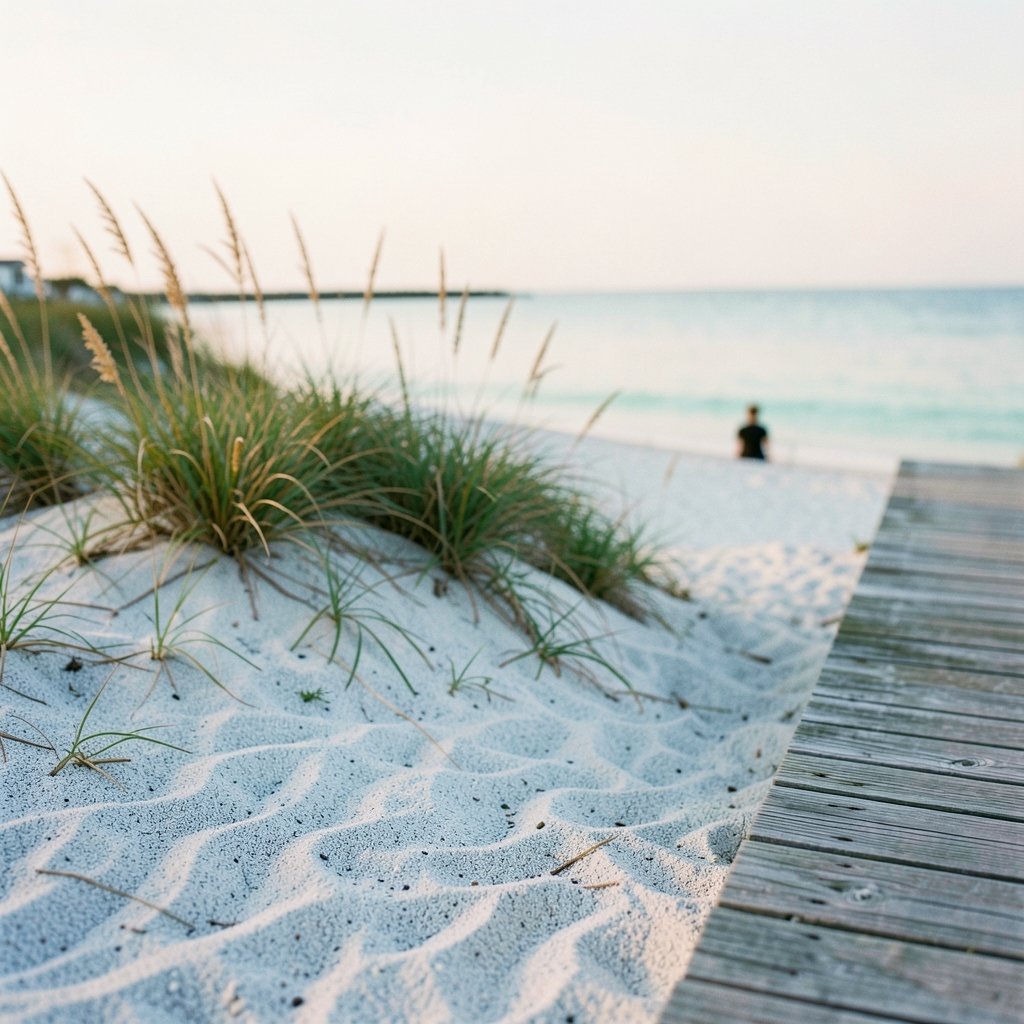
What if the beach you remember from a postcard is not the one you would actually enjoy standing on? Florida’s Gulf Coast runs roughly 200 miles of shoreline, from the Panhandle’s sugar-white dunes down through Tampa Bay to the mangrove-edged islands near Naples. Every stretch has a different personality, a different parking situation, and a different set of rules. Some are groomed daily and packed with umbrellas. Others are reachable only by boat and stay quiet even on a holiday weekend.
This guide sorts the coast by what each beach actually delivers, with honest notes on crowds, access, and the safety details that matter more than any ranking. (Riding cars boys cast who plays each role it matters)
How to Judge a “Best Beach” Claim
Before picking a spot, it helps to know how beach lists get made. The two most-quoted rankings use different methods. The “Dr. Beach” list, compiled by coastal scientist Stephen Leatherman, scores beaches on criteria like sand quality, water clarity, safety, and environmental management. TripAdvisor’s list is built from user votes. They routinely disagree in the same year, and both change annually. (Florida Department of Environmental Protection: Beaches)
That means a “best beach” headline is a dated opinion, not a measurement. Add another layer: conditions shift week to week. Water quality, red tide, and rip current risk are all live variables, not fixed features.
Siesta Key Beach: The Famous Quartz Sand
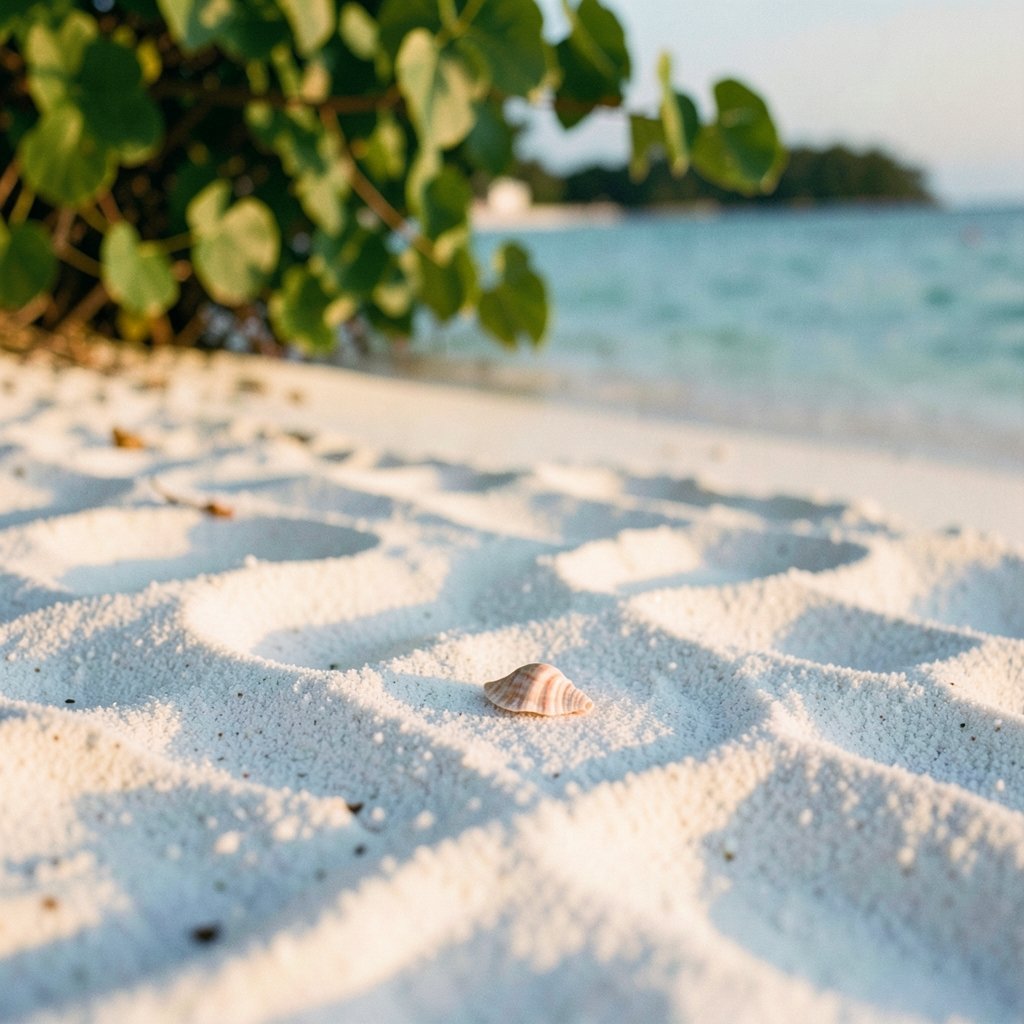
Siesta Key, in Sarasota County, is the beach most people picture. Its sand is nearly pure quartz, fine enough to stay cool underfoot and bright enough to reflect the sun. It took the top spot on the Dr. Beach list in 2017 and has stayed near the top of national lists for years.
What that reputation costs you: crowds. In peak season, the main access point fills early, and the drum circle that draws hundreds of people on Sunday evenings is either a highlight or a reason to go elsewhere, depending on your taste.
Practical notes:
- Arrive before 9 a.m. in spring and summer for a decent parking spot.
- The sand is powdery and soft, which makes walking tough for anyone with mobility issues. Beach wheelchairs are available through the county.
- The water is usually calm and shallow near shore, which suits families with small children.
Caladesi Island: The One You Have to Earn
Caladesi Island State Park, off Dunedin, was named America’s best beach in 2008. It earns its reputation differently than Siesta Key: most people cannot drive there. Access is by ferry from Honeymoon Island or by private boat, and that single constraint keeps the beach remarkably uncrowded.
The trade-off is logistics. The ferry runs on a schedule, carries limited passengers, and charges a fee. You carry in what you need. There are no high-rise hotels, no boardwalk vendors, and no crowds to dodge. What you get is a natural barrier island with a kayak trail through mangrove tunnels and a beach that feels a generation removed from the mainland.
If you are the kind of traveler who plans around parking and queues, this is the beach that rewards you for it.
Clearwater Beach: The Full-Service Option
Clearwater Beach is the Gulf Coast’s most developed shoreline, and that is the point. Wide sand, a pier, lifeguards on duty, restrooms, concessions, and hotels within walking distance. It ranked No. 1 in the U.S. on TripAdvisor’s list in 2018 and 2019, which tells you something about how many people want convenience over solitude.
The honest caveats: traffic on the causeway can eat an hour of your day, parking is paid and scarce, and the beach is busy almost year-round. It is also one of the most accessible beaches on the coast, with boardwalk-style paths and equipment rentals that make a beach day possible for visitors who cannot manage soft sand and long walks.
Gulf Islands National Seashore: The Wild Alternative
Stretching along the Panhandle near Pensacola and Navarre, Gulf Islands National Seashore protects thousands of acres of barrier-island beach and dune habitat managed by the National Park Service. The sand here is the whitest on the coast, and the dunes are real dunes, not landscaped mounds.
The difference from a municipal beach is the absence of commercial development. There are no beach bars, no chair rentals on most stretches, and no crowds in the sense you would recognize from Clearwater. There are also fewer facilities, so plan on bringing water, shade, and everything else you need.
This is the beach to choose if your ideal day involves walking a mile of empty shoreline and hearing nothing but surf.
Comparing the Main Picks
| Beach | Best for | Access | Crowd level | Watch out for |
|---|---|---|---|---|
| Siesta Key | Families, iconic sand | Drive-in, paid parking | High in season | Early parking fill-up |
| Caladesi Island | Solitude, nature | Ferry or boat | Low | Ferry schedule and fees |
| Clearwater Beach | Convenience, amenities | Drive-in, paid parking | Very high | Causeway traffic |
| Gulf Islands Seashore | Wild scenery, space | Drive-in, some boat access | Low to moderate | Few facilities |
Safety Comes Before Scenery
No beach ranking matters if the water is dangerous or the sand is closed. Three checks should happen before any Gulf Coast beach day.
Rip currents. These are the leading surf-zone hazard on Gulf beaches, especially near inlets and piers. They pull swimmers away from shore, and the instinct to swim straight back to the beach is exactly wrong. Local lifeguard agencies set flag systems (green, yellow, red, double red, purple) that tell you the current conditions at a glance. Learn what each flag means before you get in the water.
Water quality. County health departments sample beach water and issue advisories when bacteria levels exceed state thresholds. Advisories are site-specific and date-specific, so a beach that was fine last week can be under advisory today. Check the current status the morning you go.
Red tide. Blooms of the algae Karenia brevis can cause respiratory irritation and fish kills along Gulf beaches. Bloom timing and location are unpredictable, so check the current status map rather than assuming last year’s conditions apply.
One more seasonal rule: several Gulf beaches are important loggerhead nesting habitat, and nesting season generally runs May through October. Local ordinances often restrict lighting and beach furniture at night. Knock down sandcastles and fill in holes before you leave, and never approach a nesting turtle or a marked nest.
The Practical Stuff Nobody Puts in the Brochure
A few habits separate a good beach day from a frustrating one, and they apply across the coast.
Go early, leave early. Parking is the single biggest constraint at drive-in beaches. Arriving by 8:30 a.m. in peak season gets you a spot and a stretch of sand before the crowds. Leaving by early afternoon avoids the worst exit traffic.
Check fees before you drive. State parks such as Honeymoon Island and Caladesi charge entrance or ferry fees, and those change. Confirm on the official park page the week you travel rather than trusting a blog post from three years ago.
Bring shade. Most Gulf beaches have limited natural shade. A pop-up tent or umbrella is not a luxury in July; it is the difference between four hours and forty minutes.
Read the local rules. Some beaches ban alcohol, some restrict tents, some prohibit glass. Rules vary by municipality and county, and enforcement is real.
Plan for the afternoon storm. Summer afternoons on the Gulf Coast bring thunderstorms with little warning. A beach day that starts at 8 a.m. usually gets six good hours before the sky turns.
Matching the Beach to the Traveler
The “best” beach depends entirely on who is going.
- Families with young kids: Clearwater Beach for lifeguards and facilities, or Siesta Key for shallow, calm water.
- Couples and honeymooners: Caladesi Island for quiet, or a weekday at Gulf Islands for empty shoreline.
- Photographers and nature lovers: Gulf Islands National Seashore, where dunes and unbroken horizon replace condos.
- Travelers without a car: Clearwater Beach, which is walkable from hotels and restaurants.
- People who hate crowds: Caladesi Island, full stop.
If you are also weighing a different kind of coastal day out, the practical advice in this guide to beachside golf cars for coastal buyers covers the rules and realities of getting around shore towns in a low-speed vehicle, which is a genuinely useful option on some Gulf islands.
When to Go
Season matters more than any ranking. Spring brings warm water and heavy crowds, especially around school breaks. Summer is hot, humid, and storm-prone, but the water is bath-warm. Fall is the sweet spot: water still warm, crowds thinner, prices lower. Winter is quiet and often cool enough for a jacket, with the northern Gulf beaches noticeably chillier than the southern ones.
For a broader look at how pricing and model lineups shift year to year in another corner of the vehicle world, the breakdown of what each Bentley model really costs shows how much “starting price” figures can move once options and fees land, a useful reminder that advertised numbers rarely tell the whole story.
Common Mistakes to Avoid
The same handful of errors shows up again and again in beach trip postings and park reports.
- Trusting a year-old blog post for parking fees, ferry schedules, or closures.
- Ignoring the flag system because the water “looks calm.”
- Swimming near piers and inlets, where rip currents concentrate.
- Leaving valuables in a car in plain view at a remote trailhead or beach access.
- Forgetting that soft quartz sand is genuinely difficult to walk on for anyone with knee or hip problems.
- Assuming every Gulf beach allows dogs, alcohol, or tents. Many do not.
Conclusion
The best beach on Florida’s Gulf Coast is not a single place. It is the one that matches your tolerance for crowds, your willingness to plan, and what you actually want from a day at the water. Siesta Key delivers the postcard sand with a crowd attached. Caladesi Island delivers solitude in exchange for a ferry schedule. Clearwater Beach trades quiet for convenience. Gulf Islands National Seashore trades amenities for space.
Pick based on the trade-off you can live with, check the water quality and rip current forecast the morning you go, and arrive early. The ranking matters far less than the conditions on the day.
Frequently Asked Questions
What is the single best beach on Florida’s Gulf Coast?
There is no single answer, because the two most-cited rankings use different methods. Siesta Key has repeatedly ranked at or near the top of expert lists and won the top spot in 2017. Clearwater Beach topped a major user-vote list in 2018 and 2019. Expert-ranked and crowd-ranked lists measure different things, so pick the one whose criteria match your priorities.
Which Gulf Coast beach is least crowded?
Caladesi Island State Park is the strongest answer for most visitors. It is reachable mainly by ferry or private boat, which naturally limits how many people arrive. Gulf Islands National Seashore also stays quiet on most stretches because it has few commercial facilities and long, spread-out shoreline.
Do I need to worry about rip currents on the Gulf Coast?
Yes. Rip currents are a leading hazard in the surf zone on Gulf beaches, particularly near inlets and piers. Local lifeguard agencies post flag warnings, and conditions can change within hours. If you are caught in one, swim parallel to shore rather than straight back toward the beach.
Is the water safe to swim in at Gulf Coast beaches?
Usually, but it varies by location and date. County health departments test beach water and issue advisories when bacteria levels exceed state thresholds. Red tide blooms can also affect breathing and cause fish kills. Check the current advisory and red tide status the morning of your visit rather than relying on last week’s information.
When is the best time of year to visit Gulf Coast beaches?
Fall is the most comfortable window for many visitors: the water is still warm, summer crowds have thinned, and afternoon storms are less frequent. Spring is warm but busy around school breaks. Summer is hot and storm-prone. Winter is quiet but can be cool, especially on the northern Gulf beaches.
Can I reach Caladesi Island without a boat?
Yes, via the ferry that runs from Honeymoon Island State Park. The ferry operates on a schedule, carries limited passengers, and charges a fee, so check current times and prices before you go. Private boats can also anchor nearby. There is no bridge or road access for cars.