
Best Beaches in the Caribbean: 2026 Guide to Picking
 Abdul WadoodLast updated

What if the “best” beach in the Caribbean turned out to be the wrong one for you? A famous stretch of powder-white sand is a letdown for a surfer, and a wild Atlantic cove can ruin a honeymooner’s afternoon. The Caribbean is a chain of islands with wildly different coastlines, weather patterns, and water conditions. Picking well comes down to matching the beach to the trip you’re actually taking.
This guide walks through nine beaches that consistently earn top marks, then covers the practical stuff that travel photos leave out: hurricanes, seaweed, public access, and the small mistakes that catch people out.
What Makes a Caribbean Beach Stand Out
Not all white sand is created equal. A handful of qualities separate a memorable beach from a pleasant one.
Calm, swimmable water matters more than sand color. Reefs and leeward shorelines block swell, which is why the calmest beaches usually sit on an island’s sheltered side. Reef protection also creates the clear turquoise water snorkelers travel for. Access is the quiet factor: a beach you can reach without a boat, a resort day pass, or a long hike gets used more, and a public beach is a different experience from a private one. And sand texture and width matter more than most people expect. A wide beach absorbs crowds; a narrow one feels packed at half capacity.
The trick is knowing which of these you prioritize. A family with small children should rank calm water first. A photographer might rank light and emptiness first. A surfer wants none of the calm at all.
Grace Bay, Providenciales: The Benchmark
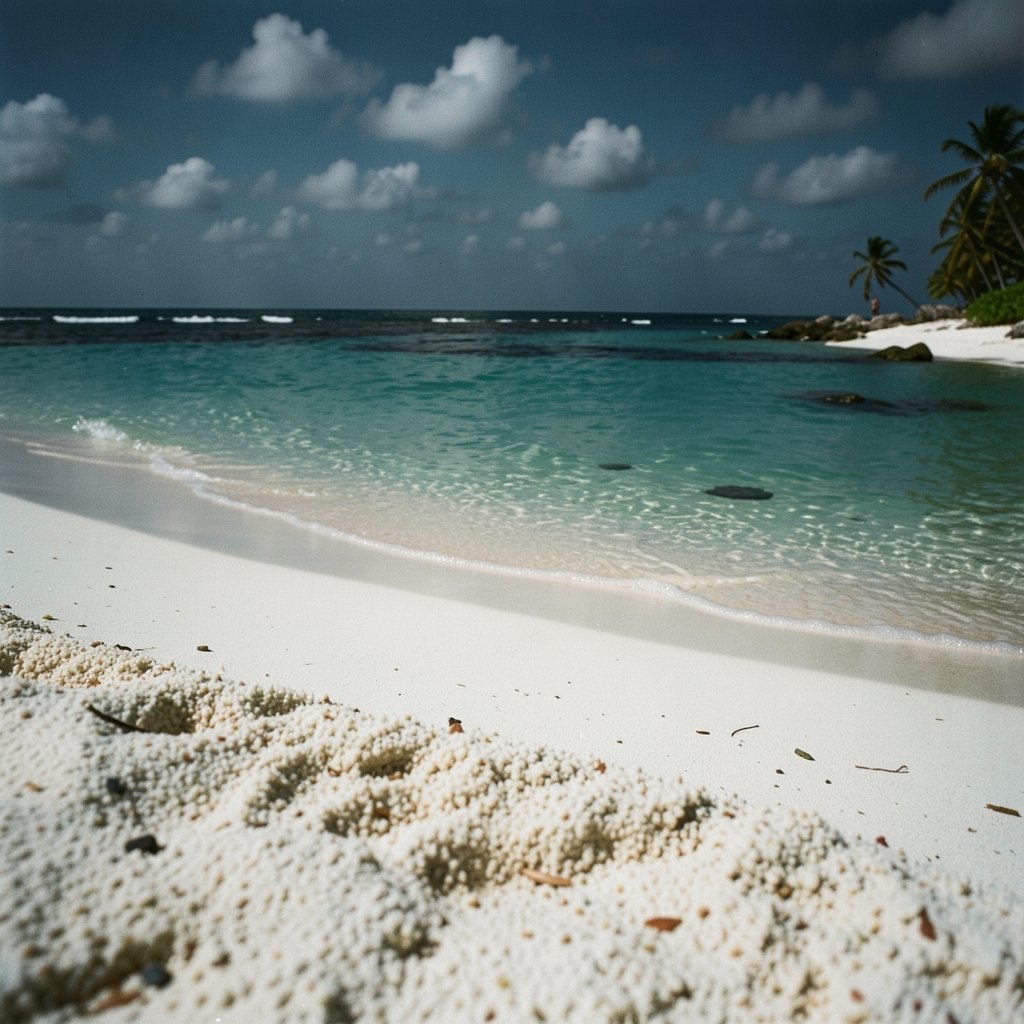
Grace Bay on Providenciales in the Turks and Caicos Islands is the beach most Caribbean lists put first, and the reputation holds up. It is a long crescent of fine white sand with reef-protected water that stays glassy most days. The reef sits offshore and breaks up incoming swell, so the shallows stay gentle even when the wind picks up. (Coral reef)
Because it is genuinely calm, Grace Bay suits families, weak swimmers, and anyone who wants a floating-in-place afternoon. The trade-off is popularity: the main access points get busy, and the resort strip behind the sand means you are rarely alone. Go early morning or late afternoon for the quiet version. For context on the islands themselves, an encyclopedia overview of the Turks and Caicos Islands gives useful geography background before you book. (Riding cars boys cast who plays each role it matters)
Seven Mile Beach, Grand Cayman: Public by Law
Seven Mile Beach on Grand Cayman has an unusual advantage: it is protected as a public beach by law, so access along the sand is guaranteed even where resorts line the shore. That legal protection is worth knowing about before you pick a hotel, because it means you are not locked into one property’s slice of coastline.
The water is calm and the beach is easy to reach from George Town, which makes it a practical base rather than a remote escape. Snorkeling is decent right off the sand in places, and the sunsets are the main event. The catch is that Seven Mile Beach is a developed beach, not a deserted one. If you want isolation, look elsewhere. If you want convenience, calm water, and a walkable strip of restaurants, it is hard to beat.
Trunk Bay, St. John: The Snorkel Trail
Trunk Bay sits inside Virgin Islands National Park on St. John, and that status shapes the experience. The National Park Service manages the beach, which means facilities, entry rules, and conditions are publicly documented rather than controlled by a resort. The park was established in the mid-1950s after land was donated, and it has protected the shoreline ever since.
Trunk Bay’s signature feature is a marked underwater snorkel trail, with signs placed along the reef to guide swimmers. It is a smart design for beginners, though the trail’s operating status can change with storms and maintenance, so check current conditions before you count on it. The beach itself is a classic curve of white sand with shade trees behind it. Arrive early: this is one of the most visited beaches in the park, and parking fills.
Maho Bay, St. John: Turtles Over Postcards
Maho Bay, also on St. John, trades polish for wildlife. It is a well-known snorkeling beach where sea turtles and rays are commonly seen in the seagrass beds just offshore. The water is shallow and the vibe is relaxed, which makes it a favorite for snorkelers who care more about what is under the surface than what is on it.
Access and parking rules here have changed over time, so check the park’s current guidance before you go. The practical tip: seagrass is the reason turtles show up, so do not swim over it expecting clear sand. Float still, keep your distance, and let the animals come to you. That single habit improves sightings more than any gear purchase.
Eagle Beach, Aruba: Wide Sand and Divi-Divi Trees
Eagle Beach on Aruba is the wide, open counterpart to the busier Palm Beach strip. It is known for broad white sand, the twisted divi-divi trees that frame photos, and calm water on the island’s leeward side. The wind that makes Aruba a windsurfing destination also keeps the beach comfortable on hot days.
Aruba is often described as sitting outside the Atlantic hurricane belt, and that claim has real basis: the island lies far south and west of the main storm track, so direct hits are rare. But “outside the belt” is oversimplified. Storms can still affect the island indirectly with rough seas and rain, so treat the phrase as a tendency, not a guarantee. If hurricane risk is a deciding factor, the official Atlantic hurricane season dates are worth understanding before you book.
Pink Sand Beaches, Harbour Island: The Shell Effect
Harbour Island in the Bahamas is famous for sand with a pink tint, created by tiny foraminifera shells mixed into the beach. The effect is subtle and shifts with the light: strongest at low sun, faint at midday. Photographers who arrive at noon and expect bubblegum pink are usually disappointed. (Bentley Car Price 2026: What Each Model Really Costs)
The east-side beach is the draw, and access details are worth confirming locally since the island’s beaches sit near private properties. The bigger planning note is weather. The Bahamas sits squarely in the Atlantic storm corridor, so travel insurance and flexible dates matter more here than on southern islands.
Bathsheba Beach, Barbados: For Surfers, Not Swimmers
Bathsheba on Barbados’s Atlantic coast is the Caribbean’s answer to a serious surf beach. The reef break known as the Soup Bowl has hosted international competitions, and the coastline is dramatic: rock formations, constant swell, and a raw, windblown look that photographers love.
Here is the mistake to avoid: Bathsheba is not a calm-swimming beach. Strong currents and shore break make it dangerous for weak swimmers and children. Come for the spectacle, the surf watching, and the tide pools, not for a lazy float. Competition schedules change year to year, so check before planning a trip around an event.
A Quick Comparison
| Beach | Island | Best For | Watch Out For |
|---|---|---|---|
| Grace Bay | Providenciales | Calm water, families | Crowds at main access points |
| Seven Mile Beach | Grand Cayman | Convenience, sunsets | Developed, busy |
| Trunk Bay | St. John | Snorkeling, facilities | Parking fills early |
| Maho Bay | St. John | Turtles, rays | Changing access rules |
| Eagle Beach | Aruba | Wide sand, wind | Hurricane-belt claims oversimplified |
| Harbour Island | Bahamas | Pink sand photos | Storm exposure, private land nearby |
| Bathsheba | Barbados | Surf, scenery | Strong currents, not for swimming |
Hurricane Season and Seaweed: The Two Real Risks
Two factors shape Caribbean beach conditions more than any ranking: storms and sargassum.
The Atlantic hurricane season officially runs from June 1 to November 30, a standard seasonal definition rather than a forecast. Within that window, risk varies enormously by island and by week. Southern islands like Aruba sit at the low end; the northern Bahamas sits at the high end. Traveling in the shoulder weeks around the season’s edges is a common compromise, but it is not risk-free.
Sargassum, a floating brown seaweed, has caused major beach impacts across the Caribbean since around 2011, with especially large influxes in some years. It varies by island, season, and wind direction, and year-to-year severity is genuinely unpredictable. A beach that was pristine last spring can be buried this one. Check a monitoring outlook close to your travel date rather than trusting a review from three years ago. (Tropical Cyclone Climatology)
Practical Tips That Actually Help
A few habits separate a smooth beach trip from a frustrating one.
- Go early. Most famous beaches are calmest and quietest before 10 a.m. Parking and shade go first.
- Check access rules the week you travel. Park rules, parking, and entry fees change. Verify rather than assume.
- Pack reef-safe sunscreen and a rash guard. Sun exposure on white sand is intense, and shade is limited on wide beaches.
- Ask about sargassum at your hotel. Staff know current conditions better than any website.
- Match the beach to the swimmer. Calm-side beaches for families, Atlantic-side beaches for surf watching only.
One more tip worth internalizing: rankings are subjective. A beach topping a user-voted list reflects popularity, not fit. Use rankings to build a shortlist, then choose based on water conditions and access.
Common Mistakes to Avoid
The most frequent error is treating every Caribbean beach as swimmable. Atlantic-facing coasts like Barbados’s east side have strong currents, and the difference between a sheltered bay and an exposed shore is enormous. The second mistake is trusting stale reviews about seaweed or storm damage. The third is assuming a famous beach will be empty. It will not be. The fourth is including beaches that are not in the Caribbean at all: Anse Source d’Argent in the Seychelles and the Maldives’ beaches appear in “Caribbean” lists surprisingly often, and they are thousands of miles away in the Indian Ocean.
Conclusion
The best beach in the Caribbean is the one that matches your trip. Grace Bay and Seven Mile Beach deliver calm water and easy access. Trunk Bay and Maho Bay reward snorkelers with reefs and wildlife. Eagle Beach offers space and wind, Harbour Island offers a photographic curiosity, and Bathsheba offers drama for those who respect it. Check the season, check the seaweed, confirm access, and arrive early. Do that, and the beach you choose will be the best one for you, regardless of what any ranking says.
FAQ
What is the single best beach in the Caribbean?
There is no objective answer, because “best” depends on what you want. Grace Bay in Turks and Caicos tops most popularity rankings for calm water and white sand, while Trunk Bay in St. John wins for snorkeling. Match the beach to your priorities rather than chasing a list.
When is the best time to visit Caribbean beaches?
December through April offers the driest weather and sits outside the official June 1 to November 30 hurricane season. That said, early summer and late autumn can be quieter and cheaper, with some storm risk. Seaweed conditions vary by island and year, so check close to your travel date.
Which Caribbean beaches are best for families with young children?
Look for reef-protected, leeward beaches with gentle entry. Grace Bay and Seven Mile Beach are the safest bets for calm water, and both have facilities nearby. Avoid Atlantic-facing surf beaches like Bathsheba, where currents and shore break make swimming risky for children.
Is sargassum seaweed still a problem on Caribbean beaches?
It can be, depending on island, season, and wind. Large influxes have occurred since around 2011, with especially heavy years in some seasons. Severity is unpredictable year to year, so check a monitoring outlook shortly before you travel and ask your hotel about current conditions.
Do I need to worry about hurricanes on southern islands like Aruba?
Less than on northern islands, but not zero. Aruba sits far outside the main storm track, so direct hits are rare, though indirect effects like rough seas and rain are possible. The “outside the hurricane belt” label is a tendency, not a guarantee, so travel insurance still makes sense.
Are all Caribbean beaches public?
No, and rules vary by island and country. Some beaches, like Seven Mile Beach in Grand Cayman, are protected as public by law. Others have private stretches or access through resorts. Check local rules before assuming you can walk any shoreline you see.