
Best Beaches: How to Find Your Perfect Shoreline in 2026
 Abdul WadoodLast updated

What makes a beach the best one? Ask ten people and you will get ten answers: the surfer wants a break that actually fires, the parent wants shallow water and a lifeguard, the snorkeler wants visibility, and the traveler who hates crowds wants a stretch of sand with nobody on it. None of them is wrong. The problem is that “best beaches” lists usually rank sand and scenery while ignoring the things that decide whether you actually enjoy your day: water quality, currents, parking, tide timing, and how the light hits the water at 4 p.m.
This guide takes a different approach. Instead of crowning one shoreline, it explains how to judge a beach for your own priorities, which regions deliver which kind of day, and the practical mistakes that ruin more beach trips than bad weather ever does.
Why “Best Beach” Lists Usually Mislead You
Most rankings reward postcard looks. Fine sand, turquoise water, a dramatic headland. That is a legitimate starting point, but it tells you nothing about the two factors that most often decide a beach day: water safety and access.
A beach can be gorgeous and unswimmable. Rip currents are the leading hazard for beachgoers in many countries, and they are invisible from the sand. A beach with a lifeguard, posted flags, and a known current pattern is a better beach for a family than a more photogenic one without any of that. The same logic applies to water quality: a beach near a river mouth or a storm drain can look perfect and still be under a swimming advisory after heavy rain. (Beach)
Access matters just as much. A quarter-mile walk from a free lot changes a beach’s character completely compared with a beach where you pay $30 to park and walk fifty feet. Neither is better in the abstract. One is better for a family hauling a cooler and an umbrella; the other is better for someone who wants to escape the crowd that easy parking attracts.
So before you trust any list, ask what criteria it used. If the answer is “sand color and photos,” treat it as inspiration, not a plan.
The Criteria That Actually Predict a Good Beach Day
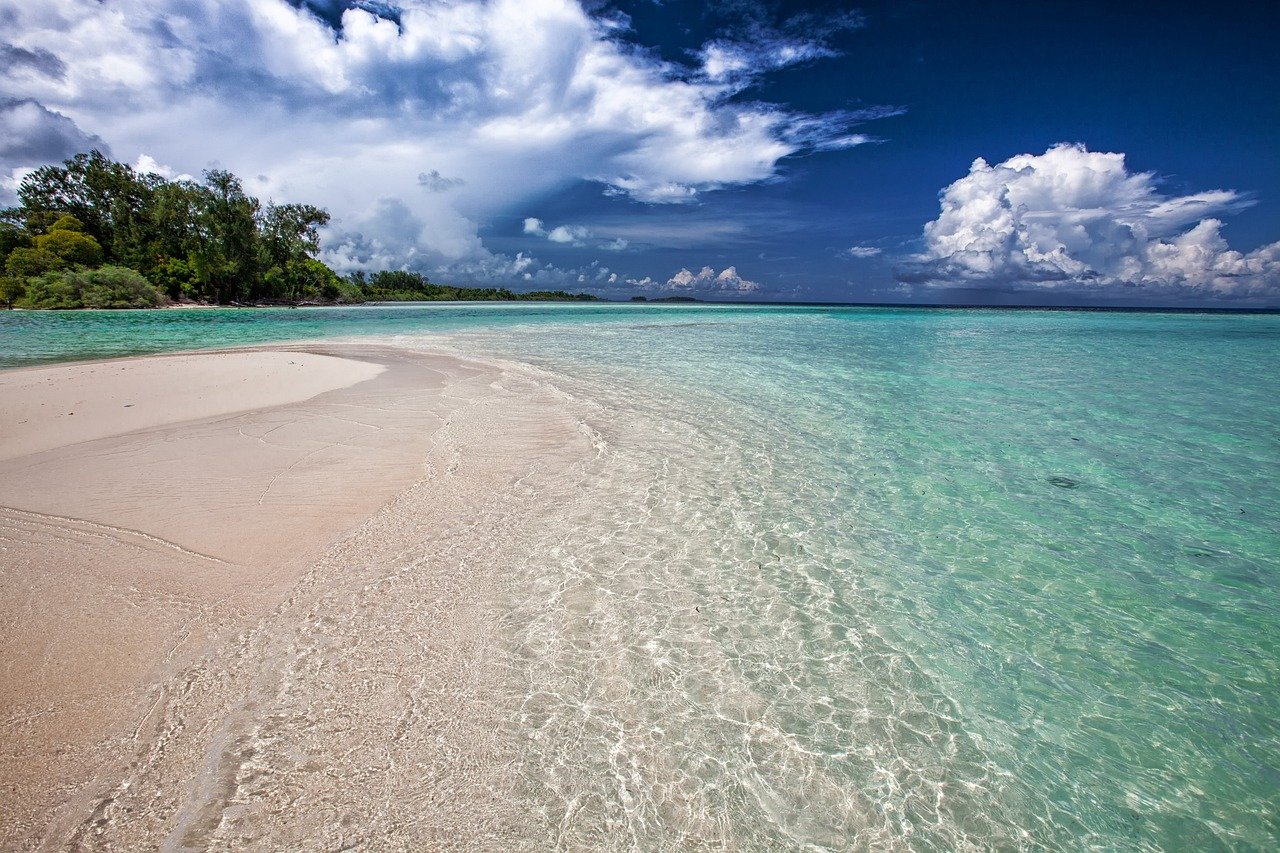
A practical evaluation comes down to a short checklist. Run any candidate beach through it and the shortlist usually sorts itself out.
| Criterion | What to check | Why it matters |
|---|---|---|
| Swimming safety | Lifeguards, flag system, rip current reports | The single biggest factor in a safe day |
| Water quality | Recent testing, rainfall in the past 48 hours | Runoff spikes bacteria levels |
| Access | Parking cost, walk distance, shuttle | Decides your realistic setup |
| Crowd pattern | Local holidays, cruise schedules, time of day | Empty at 8 a.m., packed at noon |
| Facilities | Restrooms, shade, food, showers | Deal-breaker for families and long days |
| Tide and wind | Tide tables, afternoon sea breeze | Changes swimming and comfort by the hour |
The tide and wind row is the one people skip. On many coasts, an onshore breeze picks up in the early afternoon, chopping the water and blowing sand. Locals swim in the morning and leave by two. Knowing that one pattern can transform a trip.
Matching the Beach to the Trip
The fastest way to find a great beach is to start with the kind of day you want, then pick the coast that reliably delivers it.
For families with small children
Look for gentle slope, shallow entry, lifeguards, restrooms, and shade. Calm bays and sounds beat open ocean. A beach with a sandbar that creates a shallow pool at low tide is close to ideal. Avoid beaches with a steep drop-off or a shore break that slams, no matter how pretty they look.
For swimmers and snorkelers
Clear water usually means rock, reef, or low wave energy. Snorkeling beaches tend to be small coves with rocky edges, which also means fewer facilities. Go early, before the wind picks up and the visibility drops. If you want a starting point for that kind of trip, this guide to the best beaches in Puerto Rico for swimming, surfing and snorkeling breaks the island down by activity rather than by photo appeal, which is a much more useful filter.
For surfers
Surfers need exposure to swell, which is the opposite of what calm-water swimmers want. A great surf beach is often a poor family beach and vice versa. Check the break type, the bottom (sand versus reef), and local etiquette before paddling out. If you are new to a break, watch for twenty minutes before entering.
For people who want quiet
Quiet beaches are usually quiet for a reason: a longer walk, no parking, no facilities, or a residential access point. That trade-off is the price of solitude, and it is almost always worth it if you are prepared. Carry water, plan for no restrooms, and pack out everything.
Regional Personalities: What Each Coast Does Well
Beach character changes dramatically from region to region, and matching your expectations to the local reality prevents a lot of disappointment.
The Caribbean offers warm water, calm leeward shores, and reef snorkeling, but also sargassum seasons, cruise-ship crowds, and big differences between the tourist strip and the local beach ten minutes away. A realistic guide to picking the right Caribbean beach is more useful than a top-ten list because the islands vary so much in surf, crowd levels, and access.
The U.S. East Coast runs from rocky New England to wide Atlantic barrier islands to the calm Gulf. The Atlantic side brings real surf and strong currents; the Gulf side brings bathwater calm and shallow flats. That single distinction explains most of the variation in what a beach day feels like. If you are planning a road trip, this overview of practical East Coast beach picks is organized around exactly that split.
Specific states have their own cultures. The Carolinas mix wide beaches with warm water and strong local food scenes, and a local guide to South Carolina beaches where locals actually go is a good example of the value of local knowledge over national rankings. Florida’s Gulf Coast is a different animal again: shallow, warm, and family-friendly, with a practical guide to Florida Gulf Coast beach picks covering the trade-offs between developed and natural stretches.
Water Quality and Safety: The Part Nobody Reads
This is the least glamorous section and the most important. Two habits cover most of the risk.
First, check water quality after rain. Heavy rain washes bacteria, pet waste, and pollutants into coastal water through storm drains and rivers. Many health agencies advise avoiding swimming for 24 to 48 hours after significant rainfall, especially near outfalls and river mouths. Public health agencies publish advisories and testing results, and checking them takes two minutes.
Second, know how to survive a rip current. The advice is counterintuitive: do not fight the current by swimming straight back to shore. Swim parallel to the beach until you exit the current, then angle back in. If you cannot escape, float and signal. Rip currents pull you away from shore, not under the water, and most deaths happen when swimmers exhaust themselves fighting.
Beyond that, watch the flags. A red flag means the water is closed for swimming regardless of how calm it looks from the sand. A yellow flag means caution. Green means calm. This system is standardized in many countries for a reason: it is the fastest way for a lifeguard to communicate with hundreds of people at once.
Timing: The Cheapest Upgrade to Any Beach Day
Nothing improves a beach day more than timing, and nothing costs less.
Go early. The water is calmest, the light is best for photos, parking is easiest, and you claim the good spot under the shade. Leave by early afternoon when the wind and the crowds arrive. This one habit solves the parking problem, the crowd problem, and the choppy-water problem at once.
Check the tide table. Low tide exposes sandbars and tide pools, which is magic for kids and snorkelers. High tide can shrink a beach to nothing or cover the rocks you wanted to explore. Some beaches are only walkable at low tide. A tide app is the single most useful tool in beach planning.
Avoid local holiday weekends if you can. On those days, a beach that is empty on a Tuesday becomes a parking lot on a Saturday. If your dates are fixed, arrive before nine.
Common Mistakes That Sink a Beach Trip
A short list of the errors that show up again and again:
- Trusting the photo over the forecast. A beautiful beach in 25 mph onshore wind is not a beautiful beach.
- Ignoring the walk. A cooler, an umbrella, and two kids over a quarter mile of soft sand is a workout, not a vacation.
- Skipping sun protection on cloudy days. UV passes through cloud cover, and water reflection increases exposure.
- Swimming near river mouths or storm drains. These are exactly where water quality problems concentrate.
- Underestimating the current. Calm-looking water can hide a strong longshore current or a rip.
- Packing for the morning only. Afternoon shade disappears on many beaches; bring your own.
The fix for most of these is the same: research the specific beach, not the destination. “Hawaii” is not a beach. A named beach with a known parking lot, a known tide pattern, and a known flag system is a beach you can plan around.
How to Build Your Own Shortlist
Here is a process that works for any destination.
- List your non-negotiables: swimming safety, shade, restrooms, or solitude.
- Find three or four candidate beaches within reach of your base.
- Check each one for lifeguards, parking, and recent water quality.
- Read the tide table for your dates and pick the beach that works at your arrival time.
- Have a backup beach for wind direction and crowd levels.
- Pack for the actual conditions: wind, sun, and the walk.
That is it. No ranking required. The best beach is the one that fits the day you are actually having, not the one that won a listicle.
Conclusion
The search for the best beaches is really a search for the right beach for you. Sand and scenery are the easy part; the difference between a great day and a miserable one usually comes down to water safety, water quality, access, and timing. Pick the coast that matches your activity, run your candidates through the criteria table, check the tide and the flags, and arrive early. Do that consistently and you will stop chasing other people’s rankings and start reliably finding your own best beaches, trip after trip.
Frequently Asked Questions
What makes a beach the “best” one?
There is no universal answer because the criteria depend on the trip. For a family, the best beach has shallow water, lifeguards, restrooms, and shade. For a surfer, it has consistent swell and a good break. For someone seeking quiet, it has difficult access and no facilities. Judge a beach against your priorities, not against a photo.
How do I know if a beach is safe for swimming?
Look for lifeguards and a posted flag system, check for water quality advisories, and avoid swimming for 24 to 48 hours after heavy rain. Learn to recognize a rip current and know to swim parallel to shore if caught in one. If the water looks calm but the flag is red, stay out.
When is the best time of day to go to the beach?
Early morning is almost always best. The water is calmest, parking is easiest, the light is good, and the crowds have not arrived. On many coasts, an afternoon sea breeze picks up and chops the water, so plan to swim before noon and relax afterward.
Do I need to check the tide before a beach day?
Yes, especially on beaches with wide tidal ranges. Low tide exposes sandbars and tide pools that are great for kids and snorkelers, but it can also leave boats and rocks exposed. High tide can shrink a beach to almost nothing. A tide table tells you which version of the beach you will get.
Why does water quality change after it rains?
Rain washes pollutants, bacteria, and debris from streets and land into coastal water through storm drains and rivers. Levels of bacteria can spike for a day or two after significant rainfall, particularly near outfalls and river mouths. Check local advisories and wait before swimming.
Is a crowded beach a bad beach?
Not necessarily. Crowds usually mean easy access, facilities, and lifeguards, which many people want. But if you want solitude, look for beaches with limited parking, longer walks, or residential access. The trade-off is real, so decide which you value more before you pick.