
Best Facial Steamers for Home Use: Top Picks for 2026
 Abdul WadoodLast updated
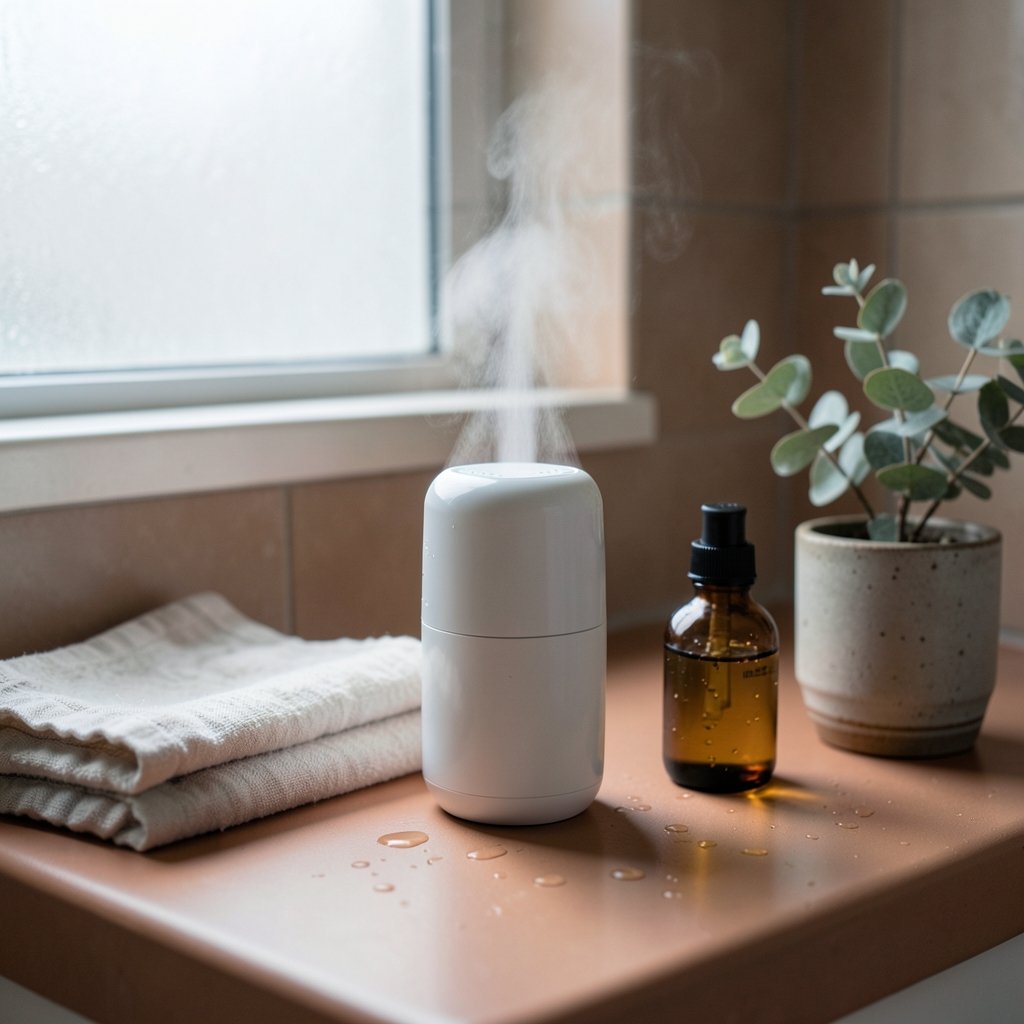
Facial steaming has been a spa ritual for decades, but it has quietly moved into the bathroom. That shift matters because steam does something simple and measurable: it raises skin temperature and softens the outer layer of dead cells, which is why estheticians almost always steam a face before an extraction. Get the device right and you get a low-cost, five-minute ritual. Get it wrong and you get a foggy mirror, a scalded chin, and a gadget that lives in a cupboard by March.
This guide walks through the types of home facial steamers, what features genuinely change the experience, the safety rules that dermatologists repeat for a reason, and the mistakes people make in the first week. It is written for readers who want to buy once and use the thing, not collect skincare hardware.
Why Steam Earned Its Place in Skincare
Steam is not magic, but it is not nothing either. Warm mist increases blood flow near the surface of the skin and loosens sebum, the oily substance that clogs pores. That is why a steamer is often the first step in a professional facial rather than the last. The effect is temporary, which is exactly the point: it prepares skin for cleansing, masks, or gentle extraction, then it fades.
A useful comparison is the way people think about home hair tools. Nobody expects a hair gloss treatment to permanently change hair structure, yet the right product at home delivers a visible, repeatable result between salon visits. Facial steamers sit in the same category: modest, cumulative, and dependent on how consistently and carefully you use them. The device is a tool, not a cure. (Hair Clippers: How They Work & What to Buy in 2026)
The Main Types of Home Facial Steamers
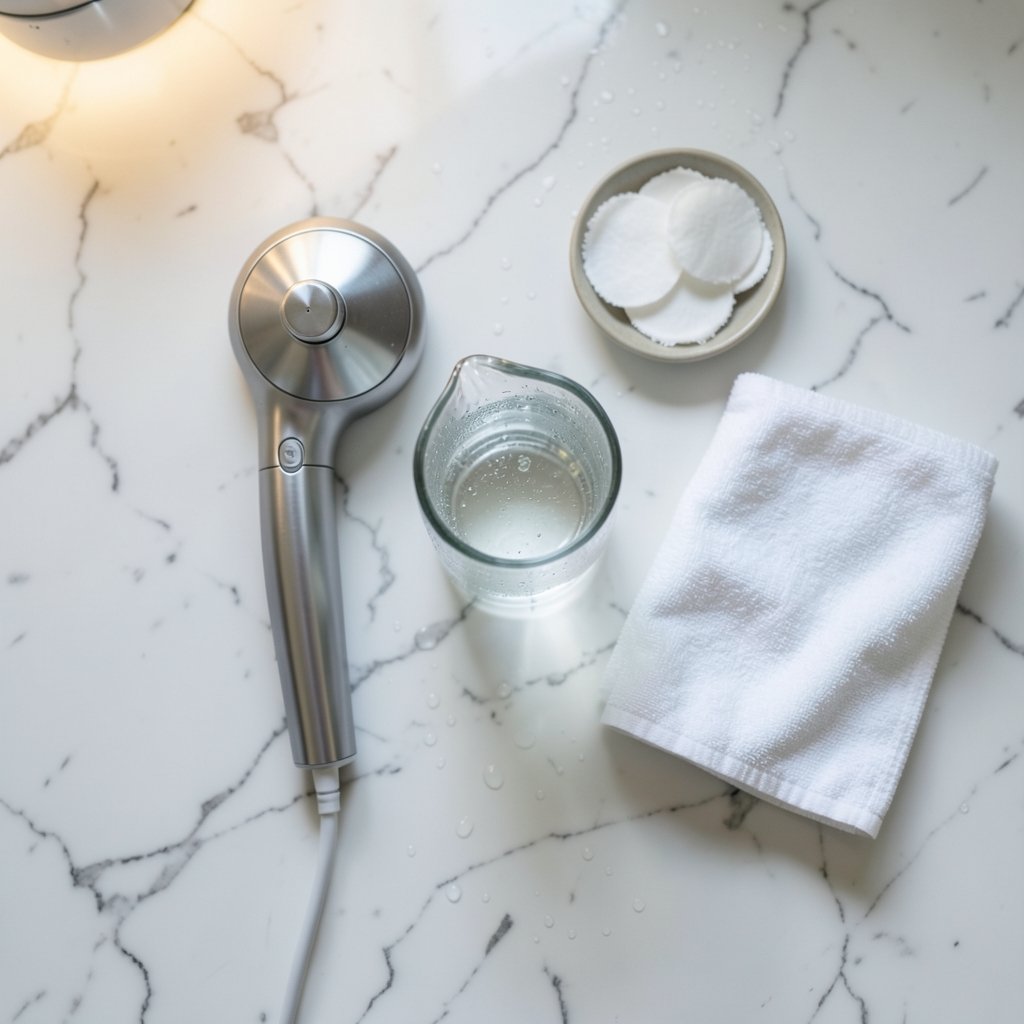
Most consumer models fall into three buckets. Knowing which one fits your routine prevents the most common buyer’s regret: buying a large tabletop unit when a handheld would have been used ten times more often.
| Type | Best for | Typical trade-offs |
|---|---|---|
| Handheld (cordless or plug-in) | Small bathrooms, travel, quick sessions | Smaller tank, shorter runtime, more refills |
| Tabletop with adjustable nozzle | Regular at-home facials, shared households | Takes counter space, needs a stable surface |
| Multi-function units (steam plus hood or sauna mode) | People who want a full ritual | Bulkier, more to clean, more to go wrong |
Handheld steamers usually produce a nano-ionic mist, a marketing term for very fine droplets that feel less wet on the skin. Tabletop units tend to offer a larger tank, a longer session, and a rotating nozzle so you can sit upright rather than lean into a plume. Multi-function devices add a hood or a sauna-style enclosure, which some users love and others find claustrophobic. (Medical Devices)
Handheld Steamers
These are the ones people actually keep on the shelf. A good handheld heats in under a minute, runs for eight to twelve minutes, and fits in a toiletry bag. The catch is tank size: most hold enough water for one session, so refilling becomes part of the ritual. If you steam two or three times a week, that is fine. If you want a twenty-minute session, it is not.
Tabletop Steamers
A tabletop unit is closer to the spa experience. You fill a reservoir, set the intensity, and sit at a comfortable distance while the nozzle aims mist at your face. Runtime is longer, the mist is more consistent, and many models include auto shut-off when the water runs low. The trade-off is footprint and cleaning: mineral buildup in a larger tank needs attention every few weeks.
Multi-Function and Hooded Devices
These combine steam with a hood, a sauna mode, or aromatherapy settings. They suit people who want a full weekly ritual and have somewhere to store a bulky device. Be honest with yourself about storage. A device that has to be unpacked rarely gets unpacked.
Features That Actually Matter
Spec sheets are crowded with numbers that sound important and are not. Here is the short list worth comparing.
Heat-up time. Under sixty seconds is the practical benchmark for handhelds. Anything over two minutes turns a five-minute ritual into a chore.
Tank capacity and runtime. Match runtime to your intended session length, not to the biggest number on the box. A ten-minute session is a sensible default for home use.
Adjustable steam intensity. Useful for sensitive skin and for the first few uses while you learn your tolerance. A single high setting is a red flag on a budget device.
Nozzle angle and distance. The best nozzle aims mist at your face while you sit upright. If you have to hunch forward, you will not use it.
Auto shut-off. Non-negotiable. Every steamer should cut out when the water runs dry.
Cordless versus corded. Cordless wins on convenience and loses on runtime. Corded wins on power and loses on placement flexibility.
Ease of cleaning. Wide tank openings and removable parts matter more than they sound. Mineral scale is the number one reason steamers stop working.
Safety Rules Worth Repeating
Steam burns are the most common injury associated with home facial steamers, and they are almost always preventable. The rules are simple and dermatology and consumer-safety guidance converges on them.
Keep a comfortable distance from the nozzle, roughly the length of your forearm, and never lean into the plume. Limit sessions to about ten minutes. Use distilled water to slow mineral scale. Skip steaming over active breakouts, broken skin, or a fresh peel. Keep the device out of reach of children, and never leave it running unattended.
A few groups should check with a clinician before regular steaming: people with rosacea, eczema, or a history of broken capillaries, and anyone using prescription retinoids or recently treated with lasers. Heat that feels pleasant on resilient skin can trigger flushing on reactive skin.
One more practical note: steam and electrical devices do not mix well with wet countertops. Place the unit on a dry, stable surface away from the sink, and unplug it before refilling.
How to Build a Five-Minute Routine
The routine matters more than the machine. A simple sequence works for most people.
- Cleanse first. Steam loosens debris, but it does not remove makeup or sunscreen. Wash your face before you steam.
- Fill with distilled water and let the device heat fully before you sit down.
- Sit at a comfortable distance and steam for five to ten minutes, keeping your eyes closed.
- Follow with a gentle cleanse or a hydrating mask while pores are still soft.
- Finish with moisturizer within a minute or two, before the skin tightens.
- Rinse and empty the tank, then leave the lid open to dry.
Twice a week is plenty for most skin types. Daily steaming is more likely to cause irritation than benefit, especially in winter when indoor air is already dry.
Common Mistakes People Make
The first-week mistakes are remarkably consistent. People over-steam because it feels good, then wonder why their skin is red. They skip the cleanse and steam over makeup. They use tap water in a hard-water area and wonder why the mist sputters after a month. They store the device full of water, which encourages bacterial growth and scale.
A subtler mistake is expecting steam to replace exfoliation or extraction. It softens the surface; it does not unclog a stubborn pore on its own. Steam is a preparation step, not a standalone treatment. And a practical one: many buyers choose a device without checking where it will live. Counter space is a real constraint, and the same discipline that keeps a bathroom functional applies here. If you have ever planned a space so it works around your habits, you already know the principle behind designing a home that feels personal: the things you use daily need a home that makes using them easy.
Matching the Device to Your Skin and Schedule
The right steamer depends less on budget than on frequency and skin type.
| Your situation | Sensible choice |
|---|---|
| Steaming 2–3 times a week, small bathroom | Handheld, cordless, under-60-second heat-up |
| Weekly longer sessions, dedicated counter space | Tabletop with adjustable nozzle and auto shut-off |
| Sensitive or reactive skin | Adjustable intensity, short sessions, clinician check first |
| Shared household, multiple users | Larger tank, easy-clean design, separate nozzles if possible |
| Occasional use, travel | Compact handheld with a capped tank |
Budget models can work well if they have auto shut-off and a wide tank opening. Premium models earn their price mainly through consistent mist, better build quality, and easier cleaning, not through dramatic skincare results.
Cleaning and Maintenance
A steamer that is not cleaned becomes a steamer that smells. Mineral scale builds up fastest in hard-water areas, and it shows up as sputtering, weak mist, or a white crust around the nozzle.
Descale every two to four weeks with a diluted white vinegar solution, run it through a cycle, then flush with clean water. Empty the tank after every use and leave it open to dry. Wipe the nozzle with a soft cloth. If the device has a removable water reservoir, wash it by hand rather than in a dishwasher unless the manual says otherwise.
The maintenance mindset is the same one that keeps any home appliance useful for years. A quick look at how a well-chosen tool rewards basic care, whether it is a vacuum built for pet hair or a pair of hair clippers used at home, shows the pattern: clean it, store it dry, and it lasts. (Hair Gloss Guide 2026: Salon vs At-Home Results) (Harvard Health Publishing)
What Steamers Cannot Do
It is worth being clear about the limits. Steam does not shrink pores permanently, because pore size is largely genetic. It does not cure acne, and on inflamed skin it can make redness worse. It does not replace sunscreen, and it does not deliver lasting hydration on its own; moisturizer does that job.
What steam does well is prepare skin, soften the surface, and create a five-minute pause in the day that most people find genuinely pleasant. That combination is why the ritual has survived in spas for so long. The home version simply removes the appointment.
Conclusion
The best facial steamer for home use is not the most expensive one. It is the one with auto shut-off, a heat-up time short enough that you will actually use it, a tank you can clean without tools, and a footprint that fits your bathroom. Handheld units suit most people who steam a few times a week; tabletop models reward anyone who wants a longer, more consistent session. Pair whichever you choose with distilled water, ten-minute limits, and a twice-weekly schedule, and the device earns its counter space. Skip the maintenance and the safety basics, and no steamer, at any price, will deliver the result you were promised.
Frequently Asked Questions
How often should you use a facial steamer at home?
Twice a week suits most skin types. Once a week is enough for sensitive or reactive skin, and daily use is more likely to cause irritation than benefit. Sessions should run about five to ten minutes, not longer.
Is a handheld or tabletop facial steamer better?
Handheld models win on convenience and get used more often, which matters more than any spec. Tabletop units offer longer runtime and steadier mist for people with dedicated counter space. Choose based on where the device will live, not on the feature list.
Can you use tap water in a facial steamer?
Distilled water is the safer default. Tap water leaves mineral deposits that clog nozzles and shorten the device’s life, especially in hard-water areas. If you must use tap water, descale more often.
Is facial steaming safe for rosacea or sensitive skin?
Steam can trigger flushing and redness on reactive skin, so check with a clinician first. If you proceed, use the lowest intensity, keep a generous distance from the nozzle, and cut sessions to five minutes.
Do facial steamers actually clean out pores?
Steam softens sebum and the outer layer of dead skin, which makes cleansing and gentle extraction easier. It does not unclog pores on its own, and it does not shrink pores permanently. Think of it as preparation, not a treatment.
How do you clean a facial steamer?
Empty the tank after every use and leave it open to dry. Descale every two to four weeks with diluted white vinegar, run a cycle, then flush with clean water. Wipe the nozzle with a soft cloth and store the unit dry.