
Butterfly Haircut for Fine Hair: Full-Looking Layers
 Abdul WadoodLast updated
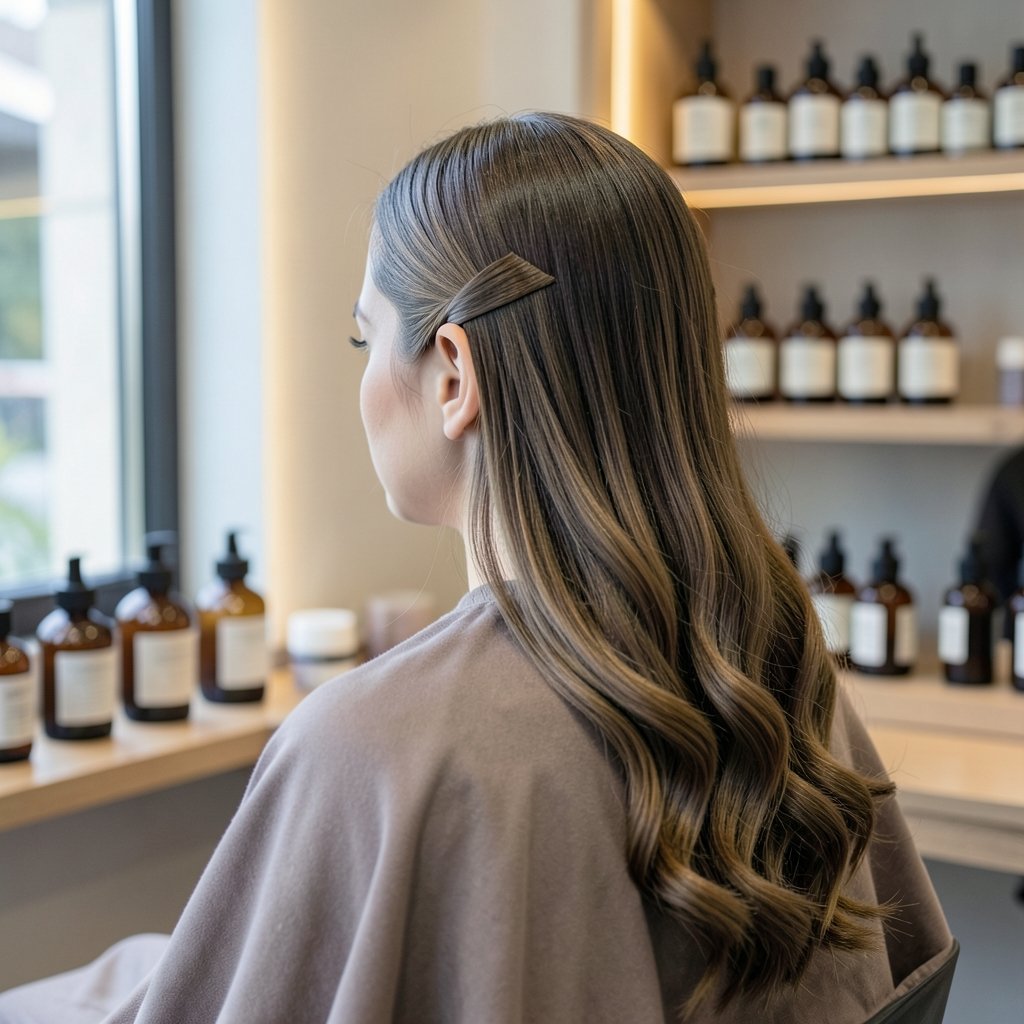
Some haircuts look incredible on thick, heavy hair and then quietly collapse on fine strands. The butterfly haircut is one of the most requested styles of the past few years, and it’s also one of the most misunderstood when your hair is fine. The cut relies on two distinct layer lengths: shorter, face-framing pieces around the cheekbones and jaw, and longer layers through the back that blend downward. On thick hair, that structure creates dramatic movement. On fine hair, the same structure can either add the illusion of volume or strip away the little density you have, depending on how the stylist executes it.
Fine hair is defined by the diameter of each individual strand, not by how many strands you have. That distinction matters enormously here, because the butterfly cut’s success on fine hair comes down to strand weight and layer placement rather than raw volume. Get the proportions right and the cut reads bouncy and modern. Get them wrong and you’re left with wispy ends and a shape that falls flat by lunchtime.
What the butterfly haircut actually is
The butterfly cut is a layered shape built around contrast. The top and front sections are cut noticeably shorter, creating a rounded, voluminous crown that frames the face. The back and lower sections stay long. When the hair moves, the short layers lift and separate while the long layers swing underneath, producing that signature “butterfly” effect of two textures working together.
It’s often grouped with the shag and the wolf cut, and stylistically they share DNA: heavy layering, face-framing pieces, a slightly undone finish. The butterfly cut tends to be softer and more polished than either, with smoother blending and less aggressive texturizing. That softer approach is precisely why it can work on fine hair, provided the layering is restrained.
The critical variable is the gap between your shortest layer and your longest. A wide gap creates maximum contrast and maximum risk on fine hair. A narrower gap keeps the shape cohesive and prevents the ends from thinning into transparency.
Why fine hair needs a modified version
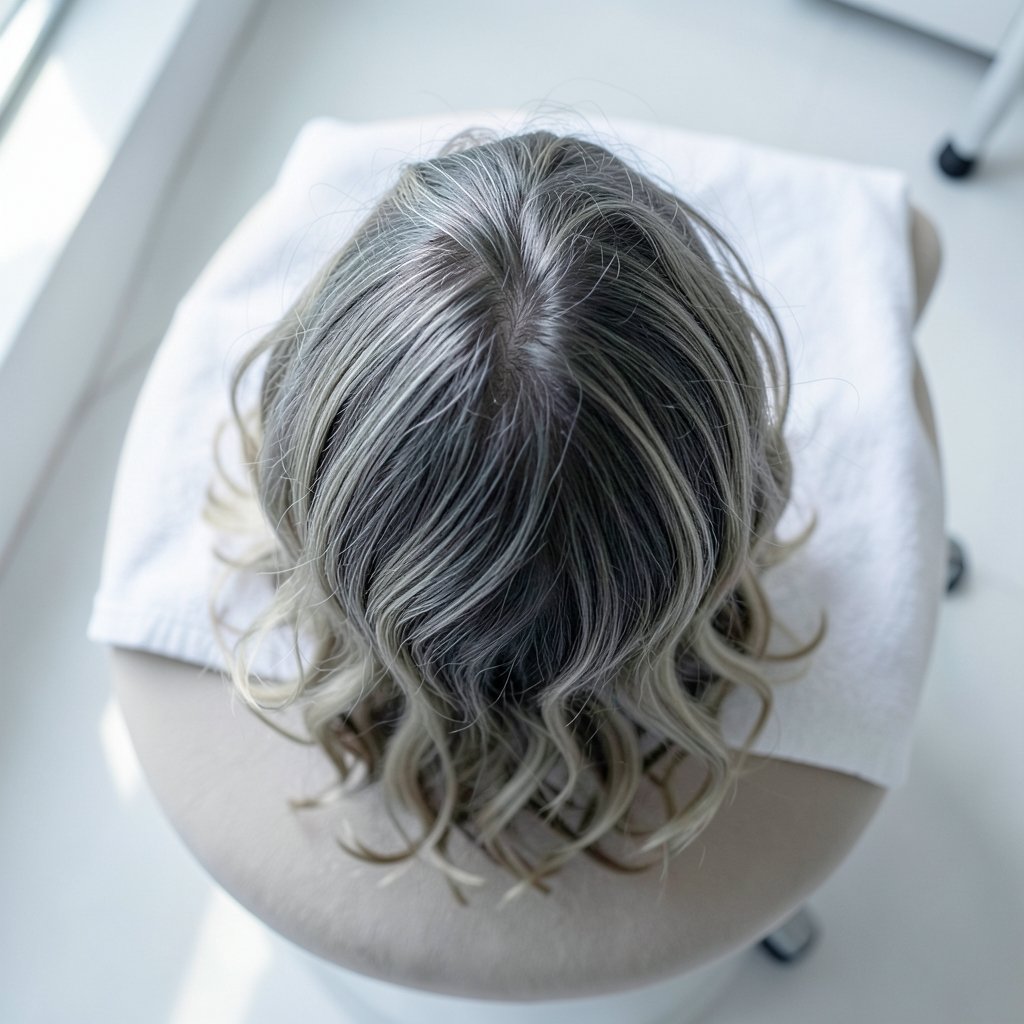
Fine hair has less mass per strand, so every cut decision shows. Blunt, one-length cuts make fine hair look denser because all the weight sits at the bottom hem. Layering removes that weight, which is why aggressive layering on fine hair so often backfires: the perimeter thins out, the ends look stringy, and the overall shape loses its anchor. (2c Hair Guide: Identify, Style & Care for Waves in 2026) (Hair)
That doesn’t mean fine hair can’t wear layers. It means the layers need to be strategic rather than plentiful. A few long, shallow layers through the mid-lengths create movement without hollowing out the ends. Short face-framing pieces add lift around the cheeks and jaw, which draws the eye upward and creates the impression of more body near the face.
There’s also a texture dimension. Fine hair that’s naturally straight behaves very differently from fine hair with a wave. If your strands fall somewhere in the wavy spectrum, understanding your pattern helps you predict how layers will sit. A guide to identifying and caring for 2c hair is useful here, since that wave type sits right at the boundary where layering starts to pay off visually rather than just creating frizz.
The density question
Fine and thin are not the same thing, and the distinction changes the recommendation. Fine hair with high density (many fine strands packed closely) can carry a fairly layered butterfly cut without looking sparse. Fine hair with low density needs a much more conservative approach, often with the shortest layers kept longer and the face-framing kept minimal.
A stylist should assess both strand diameter and density before picking up the scissors. If a consultation skips that step and jumps straight to “how short do you want the front,” that’s a warning sign.
What to ask your stylist for
The consultation is where this cut succeeds or fails. Vague requests like “a butterfly cut” leave too much to interpretation, and interpretations vary wildly between stylists. Specific language gets specific results.
Here’s how to frame the request:
- Ask for long layers with a soft, blended face frame. Avoid the word “choppy” entirely. It invites texturizing that fine hair can’t absorb.
- Specify the shortest layer should hit at or below the cheekbone. Going shorter than that on fine hair often creates a shelf rather than a blend.
- Request minimal texturizing. Point-cutting and thinning shears remove bulk, and bulk is the one thing fine hair can’t spare.
- Keep the perimeter intact. Ask for the ends to stay relatively solid so the hemline reads full rather than wispy.
- Bring photos of fine-haired versions. Photos of the cut on thick, coarse hair set the wrong expectation and can push a stylist toward heavier layering than your hair supports.
It also helps to arrive with hair in its natural state, washed and unstyled, so the stylist can see how it actually falls. Coming in with a blowout hides the very information the cut depends on.
Finding a stylist who understands fine hair specifically is worth real effort. A practical guide to searching for hair salons near you can help narrow the field, but the real filter is the consultation conversation. Ask directly whether they’d modify a layered cut for fine hair, and listen for whether they talk about density and perimeter weight. If they don’t, keep looking.
Styling that makes the layers work
A butterfly cut on fine hair is a partnership between the scissors and your routine. The cut creates the structure; styling decides whether that structure shows. (Hairstyle)
Start with damp, not soaking, hair
Fine hair absorbs water fast and loses volume just as quickly. Rough-dry to about 70 percent before reaching for a brush. Working from soaking wet hair flattens the root area before you’ve had a chance to build any lift.
Lift the roots, not the ends
Volume on fine hair lives at the root. Apply a lightweight mousse or root-lifting spray directly at the scalp and work it in with fingertips. Avoid heavy creams and oils near the roots, which weigh fine strands down within hours. If frizz is your main enemy rather than flatness, a separate approach to taming frizzy hair will serve you better than piling on smoothing products.
Round-brush the face frame forward
The short front layers are the whole point of this cut, so style them deliberately. Wrap the face-framing pieces around a round brush and pull them slightly forward and down. That single move creates the rounded, cheekbone-skimming shape the cut is designed for.
Keep the long layers smooth
The contrast only reads if the back stays relatively sleek against the bouncy front. A quick pass with a flat brush or a light smoothing spray through the lengths is enough. Over-styling the back into tight curls fights the cut’s architecture.
Respect the second-day reality
Fine hair often looks better on day two, when natural oils add a little grip. Dry shampoo at the roots and a light mist of texture spray through the mid-lengths can revive the shape without a full restyle. Keep the product light; fine hair has a low tolerance for buildup.
Maintenance and how often to trim
Layered cuts lose their definition as they grow out, and fine hair shows the drift faster because there’s less mass to hide uneven growth. Most fine-haired clients do best with a trim every six to eight weeks, though that’s a general rhythm rather than a rule. The visible signal is when the gap between your shortest and longest layers starts looking ragged instead of intentional.
Color plays a supporting role here too. Highlights and dimension can make layered fine hair read fuller because light and shadow break up the surface. Soft, face-framing color placements work especially well with the butterfly shape. If you’re considering a shift, the range of light brown hair shades offers plenty of low-contrast options that add depth without a high-maintenance commitment. Warmer tones can work similarly, and a copper hair color placed as face-framing ribbons can accentuate the short layers beautifully, though going warm does mean committing to more frequent glossing to keep the tone fresh.
One caution worth repeating: if you’re growing out damage, cut first and color second. Layering compromised fine hair amplifies the appearance of breakage, and no color service fixes that.
Common mistakes to avoid
Most disappointing butterfly cuts on fine hair trace back to a handful of predictable errors.
| Mistake | Why it hurts fine hair | Better approach |
|---|---|---|
| Heavy, choppy layering | Removes the bulk that creates fullness | Long, shallow layers only |
| Thinning shears through the ends | Makes the perimeter look sparse | Leave ends solid |
| Shortest layer above the cheekbone | Creates a shelf instead of a blend | Keep shortest layer at or below cheekbone |
| Styling with heavy oils at the root | Flattens volume within hours | Lightweight mousse at the scalp |
| Skipping the density consultation | Cut gets built for the wrong hair type | Ask for a strand and density assessment |
The through-line is restraint. Fine hair rewards subtraction of technique, not subtraction of hair.
Who this cut suits, and who should skip it
The butterfly cut suits fine hair best when density is moderate to high, the hair is reasonably healthy, and the wearer is willing to style the front section. It’s a strong choice for anyone who wants visible movement and face-framing shape without committing to a short cut. (Hair Cut vs Haircut: Spelling, Meaning & Style Guide 2026)
It’s a weaker choice for very low-density fine hair, for hair recovering from significant breakage, and for anyone who wants a wash-and-go routine with zero styling. In those cases, a long bob with minimal layering or a soft U-shaped cut delivers more perceived fullness with far less effort.
For those who want length without the commitment of cutting, extensions and wigs are a legitimate alternative, and understanding what to expect from pieces like Luvme Hair wigs helps set realistic expectations about density and blending. That route sidesteps the layering risk entirely, though it’s a different kind of maintenance.
Conclusion
The butterfly haircut can absolutely work on fine hair, but it’s not a copy-and-paste cut. The version that flatters fine strands is quieter than the one dominating social feeds: fewer layers, longer face-framing pieces, an intact perimeter, and almost no texturizing. Handled that way, the cut delivers exactly what fine hair needs, which is lift near the face and movement through the lengths without sacrificing the density that makes the whole shape read as full.
The practical takeaway is that the consultation matters more than the reference photo. A stylist who assesses density, protects the hemline, and resists the urge to over-layer will produce a butterfly cut that holds its shape for weeks. One who doesn’t will produce a cut that looks great in the chair and thin by the weekend. Ask specific questions, describe your hair honestly, and be prepared to hear “let’s go a little longer on the front layers.” That advice is usually right.
Frequently asked questions
Does the butterfly haircut work on fine hair?
Yes, with modifications. Fine hair needs fewer layers, a narrower gap between the shortest and longest sections, and minimal texturizing. The cut works best when the face-framing pieces stay at or below the cheekbone and the ends remain relatively solid so the hemline looks full.
How short should the shortest layer be on fine hair?
At or below the cheekbone is the safest range for most fine hair. Going shorter tends to create a visible shelf where the short and long sections meet, which looks disconnected rather than blended. A stylist can adjust from there based on your density and growth pattern.
Will a butterfly cut make fine hair look thinner?
It can, if it’s over-layered or thinned with shears. Layering removes weight, and fine hair has little weight to spare. Request long, shallow layers and explicitly ask that thinning shears stay away from the ends. Done conservatively, the cut adds the appearance of volume rather than reducing it.
How often should layered fine hair be trimmed?
Every six to eight weeks is a common rhythm for keeping layers defined. The practical cue is when the transition between your shortest and longest layers starts looking uneven rather than deliberate. Fine hair shows grow-out faster because there’s less mass to mask it.
Can I wear a butterfly cut if my hair is straight and fine?
Yes, and it’s one of the better combinations. Straight fine hair shows layer definition clearly, and the cut’s contrast reads well without needing curl. The trade-off is that straight fine hair also falls flat quickly, so root lift during styling is essential to keep the shape alive.
Is the butterfly cut the same as a shag or wolf cut?
No. All three use heavy layering, but the butterfly cut is softer and more polished, with smoother blending and less aggressive texturizing. Shags and wolf cuts lean into a deliberately ragged, undone finish, which is much harder for fine hair to carry without looking sparse.