
Lauren Hutton 1970s Style: The Gap-Tooth Model Who Rewrote Beauty Rules
 Abdul WadoodLast updated
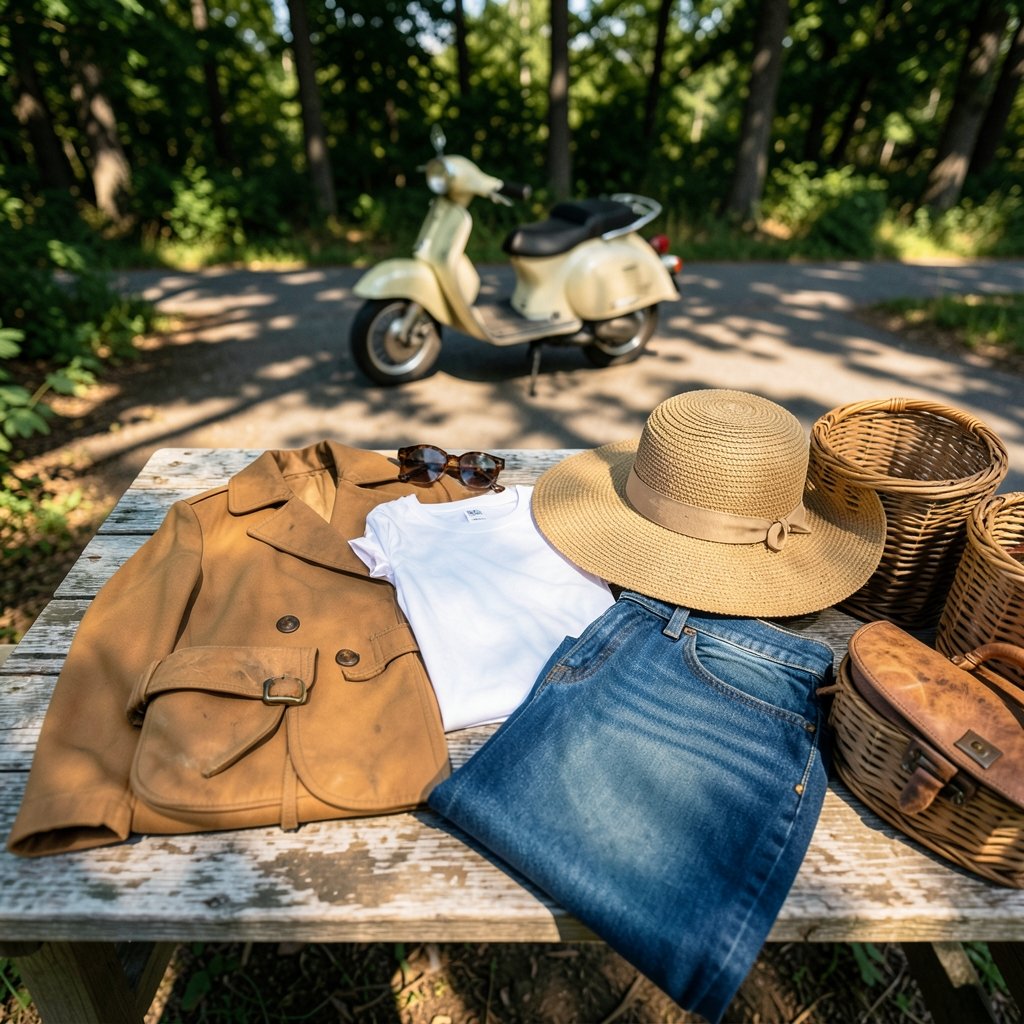
In 1973, a model with a gap between her front teeth signed a contract with American Vogue that was widely reported as the first of its kind for a fashion model. That detail matters because it flipped the script on what a cover girl was supposed to look like. Before Lauren Hutton, the ideal face was symmetrical, polished, and airbrushed into perfection. Hutton showed up with a visible gap, freckles, and hair that looked like she had just walked in from the beach. The result was a style blueprint that still shapes runways and street style today.
From Florida to the Front Row
Lauren Hutton grew up in South Carolina and Florida, and her early life was far from glamorous. She worked a string of jobs before modeling, and her entry into fashion was gradual rather than overnight. By the mid-1960s she was booking work, and by the early 1970s she had become one of the most recognizable faces in American fashion.
What made her different was more than her face: it was the way she carried herself. Hutton looked comfortable in her own skin, and that ease translated directly into her style. She did not pose like a mannequin. She moved, slouched, and grinned, and photographers loved it.
Her film work helped build her public profile across the decade. She appeared in Paper Lion in 1968 and later in American Gigolo in 1980, which kept her visible well beyond the pages of magazines. That crossover between modeling and film made her a cultural figure rather than a face on a cover.
The Contract That Changed Modeling
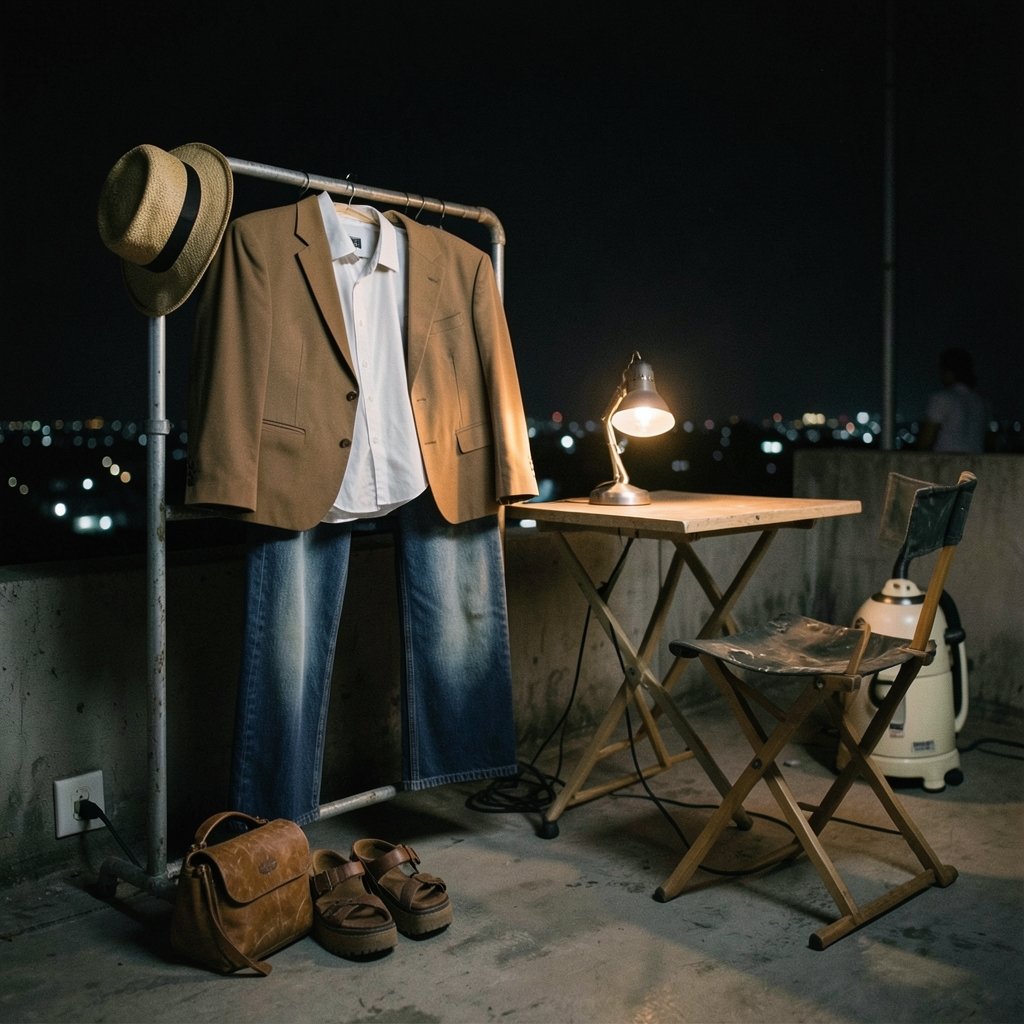
The 1973 Vogue contract is often cited as the moment modeling shifted from anonymous mannequin work to personality-driven stardom. The exact terms and dates are worth checking against primary archives, but the broader point holds: Hutton became a name, and a name with a look people could copy.
That distinction matters for style history. When a model is anonymous, her clothes belong to the designer. When a model is famous, her clothes become a personal brand. Hutton’s relaxed American sportswear became something women wanted to emulate, not because a designer told them to, but because she looked like a real person wearing real clothes well.
The Gap: Imperfection as a Signature
The story of Hutton’s teeth is one of the most instructive anecdotes in beauty history. Early in her career, the gap was reportedly covered or minimized with dental work and putty in photo shoots. At some point she stopped hiding it, and it became her trademark.
The lesson for anyone building a personal style is blunt: the feature you are tempted to fix may be the feature that makes you memorable. Hutton’s gap did not hold her back. It made her unmistakable in a sea of identical smiles. That is a practical takeaway rather than a feel-good slogan. Distinctiveness is a competitive advantage in any visual field.
What “1970s Lauren Hutton Style” Actually Looks Like
Her look was built on a handful of pieces, worn with almost no fuss. The core formula:
| Element | What It Looked Like | Why It Worked |
|---|---|---|
| Tailoring | Relaxed blazers, sometimes oversized | Structured but not stiff |
| Shirts | Button-downs, often open at the collar | Easy to layer, easy to live in |
| Denim | Straight-leg jeans, worn soft | Grounded the whole outfit |
| Outerwear | Trench coats, safari jackets | Practical and photogenic |
| Makeup | Minimal, natural, freckles visible | Let the face do the work |
| Hair | Unstyled, natural texture, often parted simply | Low effort, high impact |
The through-line is American sportswear: clothes designed for movement and real life rather than formal occasions. Halston’s minimal aesthetic is often linked to this era and to Hutton’s circle, though specific campaign attributions need sourcing before being stated as fact.
If you want to replicate the look today, start with the shirt and the blazer. Get a button-down that fits your shoulders, not your waist. Add a blazer that is one size roomier than you think you need. Pair with straight jeans and a trench. Skip the accessories. The whole point is less.
Hair and Grooming: The Anti-Styling Approach
Hutton’s hair was a statement precisely because it looked unmanaged. In an era when setting lotion and rollers were standard, she wore natural texture. That approach is worth studying if you have waves or curls that fight back against styling tools.
Practical guidance that actually works: stop fighting your texture and start cutting for it. A good cut follows the natural pattern of the hair rather than forcing it into a shape. If you are working with waves, a guide to wavy hair identification and care helps you figure out whether you are dealing with type 2 strands and how to style them without heat. If your hair leans toward soft, undefined volume, this breakdown of fluffy hair causes and fixes explains why it happens and how to work with it instead of against it.
For finer waves, understanding 2c hair and how to style it gives you a concrete routine. And if you are simply trying to pick a cut that suits your face and routine, this hair styles guide for choosing and maintaining a look is a sensible starting point.
One common mistake: people chase the “natural” look with a blow dryer and a round brush, which defeats the purpose. The Hutton approach is closer to wash, air dry, and leave it alone. That is harder than it sounds, and it requires a good cut. But it is the difference between looking effortless and actually being effortless.
The 1970s Context: Why This Look Landed
The 1970s were a reaction against the groomed formality of the 1950s and 1960s. Fashion moved toward comfort, and American designers built entire collections around clothes you could actually move in. Hutton’s style fit that moment perfectly because it was not costume. It was a wardrobe.
Street style photography from that era shows the same instinct: real people in real clothes, photographed on the move. That tradition continues today, and you can see the same energy in modern coverage of Milan Fashion Week street style and the second edition of Milan street style coverage. The connection is not superficial. Both rely on movement, natural light, and clothes that look lived in. (Fashion Institute of Technology Museum)
For a wider view of how trends from that decade still feed current wardrobes, the Voozon fashion section tracks the through-lines between eras.
How to Wear It Now Without Looking Like a Costume
The biggest mistake people make with retro style is going full period piece. Hutton’s look works today because it was never about novelty. It was about fit and restraint. A few rules that hold up:
- Buy one size up in tailoring. The relaxed blazer is the whole look. A tight blazer reads as office wear.
- Keep the palette narrow. Cream, navy, camel, denim blue, white. That is the entire wardrobe.
- Skip the accessories. A watch and maybe a belt. Nothing else.
- Let the shirt be a little undone. Top two buttons, sleeves rolled. Not sloppy, just unforced.
- Choose shoes you can walk in. Loafers, flat boots, simple sandals. The look depends on movement.
- Keep makeup minimal. Skin, brows, a little color on the lips. Let freckles show.
The trap is over-styling. If you add a silk scarf, big sunglasses, and a wide-brim hat all at once, you are dressing as a character. Pick one element and let the rest stay quiet.
The Influence That Outlasted the Decade
Hutton’s gap-toothed, natural aesthetic is frequently cited as an influence on later casting decisions that favored “imperfect” beauty. That claim is commentary rather than documented fact, but the pattern is hard to miss. Models with visible gaps, freckles, and unconventional features became far more common in the decades that followed.
Her influence also shows up in how models are marketed. The idea that a model could be a personality with a name, a point of view, and a personal wardrobe traces back to that 1970s moment. Today’s model-off-duty style, where the clothes a model wears between shows get as much coverage as the runway, is a direct descendant of that shift.
There is a useful distinction here between influence and invention. Hutton did not invent natural beauty or relaxed tailoring. What she did was make those things visible at the highest level of an industry that had spent decades pushing the opposite. That is a meaningful contribution without needing to be overstated.
Common Mistakes When Copying the Look
A few practical warnings from studying how this style gets reproduced badly:
- Chasing the exact pieces. The specific trench or blazer does not matter. The proportion does.
- Ignoring fabric. Cheap, stiff fabric ruins the whole effect. The look depends on drape and softness.
- Over-accessorizing. Already mentioned, but worth repeating because it is the most common failure.
- Forcing the hair. If your hair is straight, do not fake waves. Work with what you have.
- Treating it as a costume. The look only works if you actually live in the clothes.
The last point is the one that separates people who look stylish from people who look dressed up. Hutton’s clothes looked like they belonged to her because they did. She wore them repeatedly, and they got softer with age.
Why This Style Still Gets Studied
Fashion history tends to celebrate designers and forget models, but models are often the ones who translate abstract ideas into something people can actually wear. Hutton did that. She took American sportswear, which was designed for comfort, and made it look desirable rather than lazy.
That translation is the hard part. Plenty of people own a blazer and jeans. Very few wear them in a way that looks intentional. The difference is fit, restraint, and a refusal to over-decorate. It sounds simple. In practice, it requires discipline.
Conclusion
Lauren Hutton’s 1970s style is not complicated, and that is exactly why it lasted. A relaxed blazer, a button-down, straight jeans, a trench, minimal makeup, and natural hair. The gap in her teeth, once hidden, became the detail that made her impossible to confuse with anyone else. The 1973 Vogue contract turned a model into a name, and that name became a style reference that still holds up decades later.
The takeaway is not to copy her wardrobe piece for piece. It is to copy the logic: buy clothes you can move in, keep the palette tight, resist the urge to decorate, and stop hiding the feature that makes you recognizable. That formula worked in the 1970s, and it works now.
Frequently Asked Questions
What was Lauren Hutton’s signature 1970s look?
Relaxed American sportswear: blazers, button-down shirts, straight-leg jeans, trench and safari coats, minimal makeup, and natural, unstyled hair. The defining detail was her visible front-teeth gap, which became her trademark rather than a flaw to hide.
Did Lauren Hutton really have a gap in her teeth?
Yes. The gap between her front teeth was reportedly covered or minimized with dental work in early photo shoots before she stopped hiding it. Once visible, it became her most recognizable feature and a defining part of her image.
What was significant about her 1973 Vogue contract?
It is widely reported as the first exclusive contract of its kind between an American fashion magazine and a model. The exact terms and date are worth confirming against primary archives, but the broader significance is that it helped shift modeling from anonymous work toward personality-driven stardom.
How can I recreate the Lauren Hutton style today?
Start with a button-down shirt that fits your shoulders, a blazer one size roomier than usual, straight-leg jeans, and a trench coat. Keep the palette to cream, navy, camel, denim, and white. Skip accessories beyond a watch or belt, and keep makeup minimal. The look depends on restraint, not on specific brands.
What hair approach did she favor?
Natural texture with minimal styling. Hutton’s hair looked unmanaged, which was a deliberate contrast to the set, sprayed styles of the previous decade. In practice, that means working with your natural pattern, getting a cut that suits it, and avoiding heavy styling tools.
Why does this style still influence fashion today?
Because it is built on proportion and restraint rather than novelty. The pieces are basic, so they do not date. The broader influence is the idea that a model can be a personality with a personal wardrobe, which is the foundation of modern model-off-duty style coverage.