
Tattoos That Carry Personal Meaning: How to Choose Ink You Won’t Regret
 Abdul WadoodLast updated
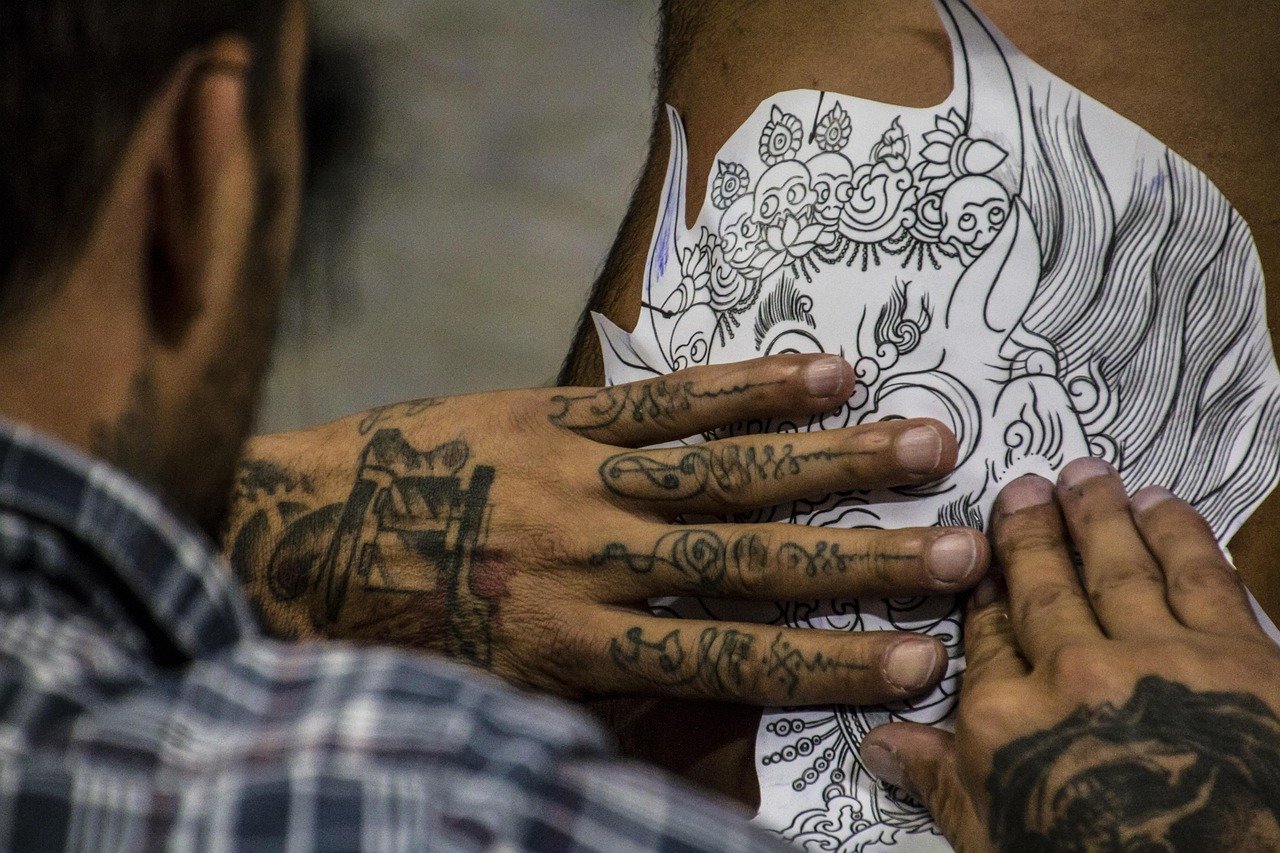
Roughly one in three American adults now has at least one tattoo, according to long-running polling by Gallup, and the single most common reason people give for going under the needle isn’t fashion. It’s meaning. A tattoo that marks a loss, a recovery, a child, a homeland, or a promise carries weight that a trendy design never will. But “meaningful” is a slippery word, and plenty of people walk into a studio convinced they’ve found it, only to feel differently two years later. (Tattoo)
This guide covers what gives a tattoo personal weight, how to turn a private feeling into a design that ages well, and the practical mistakes that turn a heartfelt idea into a cover-up appointment.
What Gives a Tattoo Personal Meaning?
Meaning in a tattoo comes from three places: the story behind it, the moment it marks, and the person it connects you to. Sometimes all three overlap. A memorial piece for a grandparent carries grief, memory, and family identity at once. A small line of text from a favorite book might carry only one of those threads, and that’s fine too.
What matters is that the meaning is specific to you. Generic symbols borrowed from a Pinterest board tend to lose their charge quickly, because the emotional anchor was never there in the first place. The tattoos people keep loving for decades usually have a story they can tell in one sentence without hesitating. (Tattoos and piercings: What to know)
There’s a useful test: can you explain the tattoo to a stranger in under thirty seconds without feeling silly? If the answer is yes, the meaning is probably durable. If you find yourself rehearsing a justification, that’s a signal to wait.
Common Categories of Tattoos With Personal Meaning
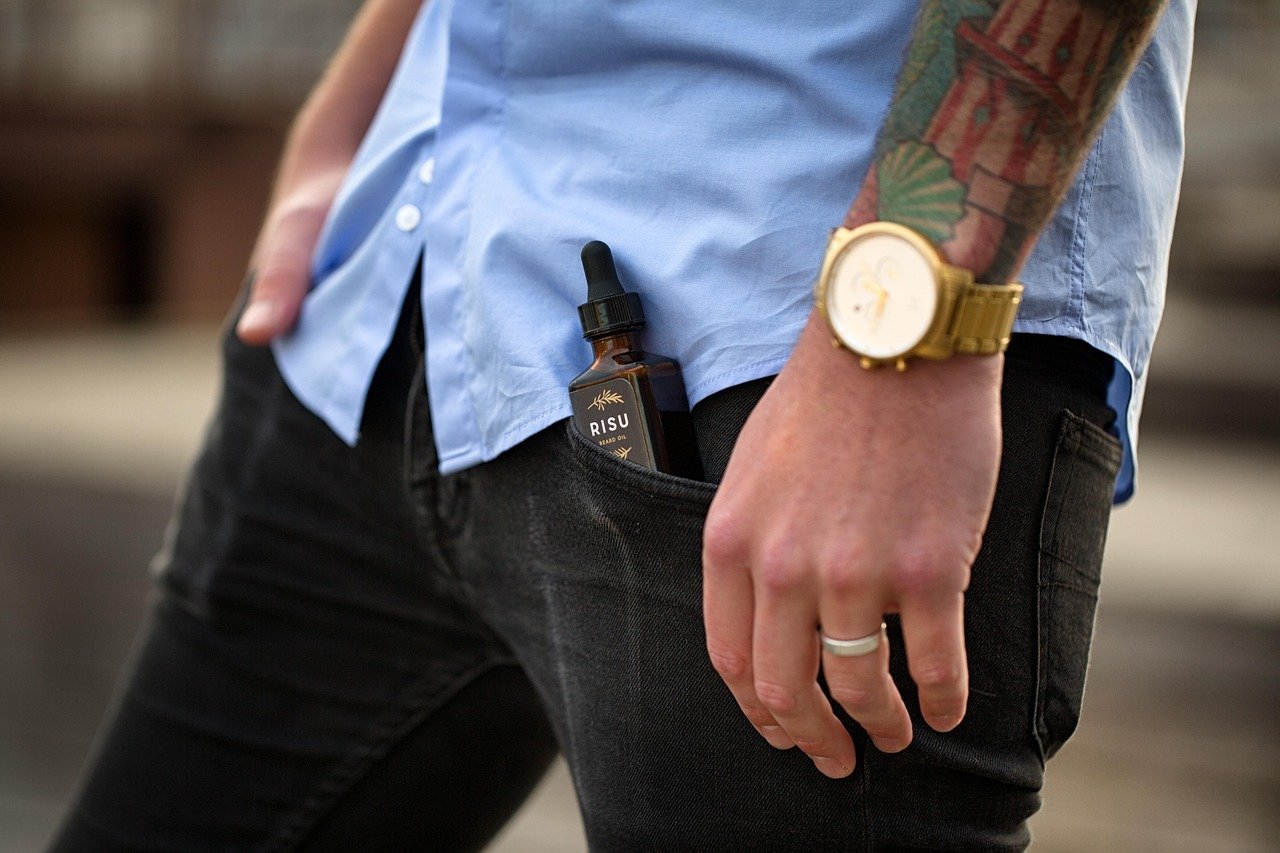
Most tattoos with personal meaning fall into a handful of recognizable buckets. None of these is better than another, but each comes with its own design conventions and practical considerations.
| Category | Typical designs | What to watch for |
|---|---|---|
| Memorial and grief | Portraits, dates, handwriting, birds, trees | Portraits need an artist who specializes in realism; small text can blur over time |
| Milestones and recovery | Dates, semicolons, phoenixes, scar cover-ups | Placement over scar tissue needs an experienced hand and slower healing |
| Family and lineage | Names, birth flowers, family crests, heritage patterns | Keep lettering large enough to stay legible for decades |
| Cultural and spiritual | Traditional motifs, script, religious symbols | Research the origin and meaning; some symbols are closed to outsiders |
| Identity and self-expression | Abstract work, personal symbols, original art | Abstract pieces age well but need clear composition from the start |
| Love and commitment | Matching or complementary designs, initials | Matching tattoos between partners are the most commonly regretted |
That last row deserves emphasis. Matching couples’ tattoos are popular and frequently regretted after a breakup. A workaround many artists recommend is choosing designs that stand on their own, so the piece still means something if the relationship changes.
Turning a Feeling Into a Design That Lasts
The gap between “I want a tattoo about my dad” and a finished piece is where most of the work happens. A few practical approaches make that translation smoother.
Start with the story, not the symbol
Write down the memory, the person, or the moment in plain language before you look at a single reference image. Then ask what image that story suggests. A father who fixed bicycles might become a wrench, a wheel, or a specific gear ratio. A grandmother who baked might become her recipe in her own handwriting. Starting from the story keeps the design from drifting toward whatever is trending on social media.
Bring references, but bring the right ones
Artists work best with a clear brief and visual references. Bring images that show the style you like (line work, blackwork, neo-traditional, fine line) and the subject matter you want, but resist bringing a finished design and asking for an exact copy. Good artists will redraw it to fit your body, your skin, and the way ink actually settles over time.
Think about how it will age
Fine-line tattoos look sharp when new and often fade and blur. Small lettering below a certain size becomes unreadable within ten years. Hands, fingers, and feet fade fastest because of constant friction and sun exposure. If longevity matters, choose bolder line weights, higher contrast, and placements that see less wear.
Consider the body as a canvas, not a sticker
Placement changes meaning. A piece on the inner forearm is visible to you daily; one on the shoulder blade is private. Some people deliberately place memorial tattoos where they can see them, and others prefer them hidden. Neither is wrong, but deciding early prevents awkward rework later.
Cultural Meaning and the Question of Borrowing
Tattooing is ancient and culturally specific. Ötzi the Iceman, whose body dates to roughly 3300 BCE, carried dozens of tattooed lines, making him one of the oldest documented tattooed humans. Polynesian, Japanese, Māori, and Indigenous North American tattoo traditions each carry their own protocols, meanings, and rules about who may wear certain designs.
This is where well-intentioned people sometimes stumble. A motif that looks beautiful in isolation may be sacred, may signal a status the wearer doesn’t hold, or may be actively protected by a community. The practical rule is simple: if you don’t know what a symbol means, don’t wear it permanently. Ask. Research. And accept that some designs are not yours to use, no matter how much you admire them. Plenty of artists will happily explain the history behind a motif and help you find a respectful alternative.
What the Research Says About Regret
Tattoo regret is real but often overstated. Studies of tattooed adults generally find that a minority regret their ink, with dissatisfaction clustering around a few predictable causes: getting a tattoo too young, choosing a design impulsively, poor technical execution, and social or professional pressure. Meaning, it turns out, is protective. People who got tattoos for personal reasons report higher satisfaction than those who got them to fit in or impress someone.
The practical takeaway is not “wait forever.” It’s “wait long enough to be sure the meaning is stable.” A common heuristic among artists is to sit with a design for a few months. If you still want it, and you can still explain why, you’re probably ready.
Practical Steps Before You Book
A tattoo with personal meaning still has to be executed well. Emotional weight will not save a piece from shaky linework or an infection. Here is a sequence that works.
- Define the meaning in one sentence. Write it down. It becomes your brief.
- Choose a style, then an artist who specializes in it. A portrait specialist is not necessarily a lettering specialist.
- Check hygiene and licensing. Look for single-use needles, sealed inks, and a studio that welcomes questions.
- Book a consultation. Most artists will refine your idea before the appointment; use that time.
- Review the drawing before the needle. Ask for changes now, not mid-session.
- Follow aftercare exactly. Washing, moisturizing, and sun protection determine how the piece looks in five years.
- Plan for touch-ups. Most tattoos need minor refinement, especially on hands and feet.
The most common mistakes are skipping the consultation, choosing an artist on price alone, and going too small. All three are fixable in advance and expensive to fix afterward.
Where Meaning and Aesthetics Meet
A tattoo can be deeply personal and still look like good art. The two aren’t in conflict. In fact, the pieces that hold up best over decades tend to be those where the meaning drove a strong composition rather than a cramped symbol squeezed into a tiny space.
This is also why the broader conversation around personal style matters. Just as a considered wardrobe or a deliberate haircut signals self-knowledge, a well-planned tattoo reads as intentional rather than accidental. If you’re thinking about how personal choices build a coherent identity, it’s worth exploring how building meaningful brand worlds applies the same principle to visual storytelling: consistency and intent beat decoration every time.
Hair and body choices follow similar logic. People who change their look deliberately, whether through a brunette shade or a bold cut, often describe the same satisfaction that comes from a tattoo that matches who they actually are. The parallel is not trivial. Both are permanent-ish statements about identity, and both reward planning over impulse. Even small details, such as whether you write haircut as one word or two, show how language and appearance carry signals people read carefully. For those thinking about texture and care as part of a broader self-presentation, guides on Black hair texture and care make a similar point: identity is expressed through choices that are maintained, not simply made once.
When a Tattoo Marks Something Difficult
Some tattoos with personal meaning commemorate hard things: illness, loss, transition, survival. These pieces deserve extra care.
First, timing matters. Getting tattooed during acute grief or immediately after a major medical event can produce a design you associate with the hardest moment rather than the recovery. Many people find that waiting a year gives the meaning room to settle into something they can carry comfortably.
Second, physical considerations are real. Tattooing over scar tissue is possible but requires an artist with specific experience, and healing can be slower. If you’re covering surgical scars, talk to your artist and, where relevant, your doctor about timing.
Third, consider whether the tattoo is for you or for an audience. A memorial piece doesn’t need to be legible to strangers. It needs to work for the person wearing it.
Conclusion
Tattoos with personal meaning are not defined by size, style, or symbolism. They are defined by the clarity of the story behind them and the care taken in translating that story into something that will live on your skin for decades. The people who end up happiest with their ink tend to be the ones who slowed down: who wrote the meaning down, chose an artist for the right reasons, thought about how the design would age, and accepted that some symbols are not theirs to borrow.
If you take one thing from this guide, make it this: a tattoo is a decision you make once and live with daily. Treat the meaning with the same seriousness you’d give the artwork, and the two will hold each other up for a very long time.
Frequently Asked Questions
How Do I Know if a Tattoo Idea Has Enough Personal Meaning?
If you can explain it in one clear sentence without hesitating, it probably has enough personal meaning. The meaning does not have to be dramatic. It has to be yours and stable. Sit with the idea for a few months and see whether the explanation still feels true.
Are matching tattoos with a partner a bad idea?
They’re among the most commonly regretted tattoos, largely because relationships change. If you want one, choose designs that stand alone as individual pieces, so each still means something if the relationship ends. Avoid names and dates where possible.
How Long Should I Wait Before Getting a Tattoo With Personal Meaning?
Many artists suggest a few months between the idea and the appointment. That window is long enough to test whether the meaning holds and short enough to keep momentum. For tattoos tied to grief or major life events, waiting a year is often wiser.
Do Tattoos With Personal Meaning Have to Be Large?
No. Size has nothing to do with meaning. What size does affect is legibility and longevity. Very small lettering and ultra-fine line work tend to blur over time, so if the design carries text or delicate detail, going slightly larger usually pays off.
Can I get a tattoo over a scar?
Often yes, but it depends on the scar. Flat, fully healed scars are usually workable; raised or recently healed ones need more caution. Choose an artist with specific experience in scar coverage, and check with a doctor if the scar came from surgery.
Is it disrespectful to get a tattoo from another culture?
It can be, depending on the symbol and the tradition. Some motifs are sacred, some signal status, and some are closed to outsiders entirely. The safe approach is to research the origin, ask people from that culture, and accept that some designs simply aren’t available to you.