
Tattoo Ideas That Age Well: A Practical Guide
 Abdul WadoodLast updated
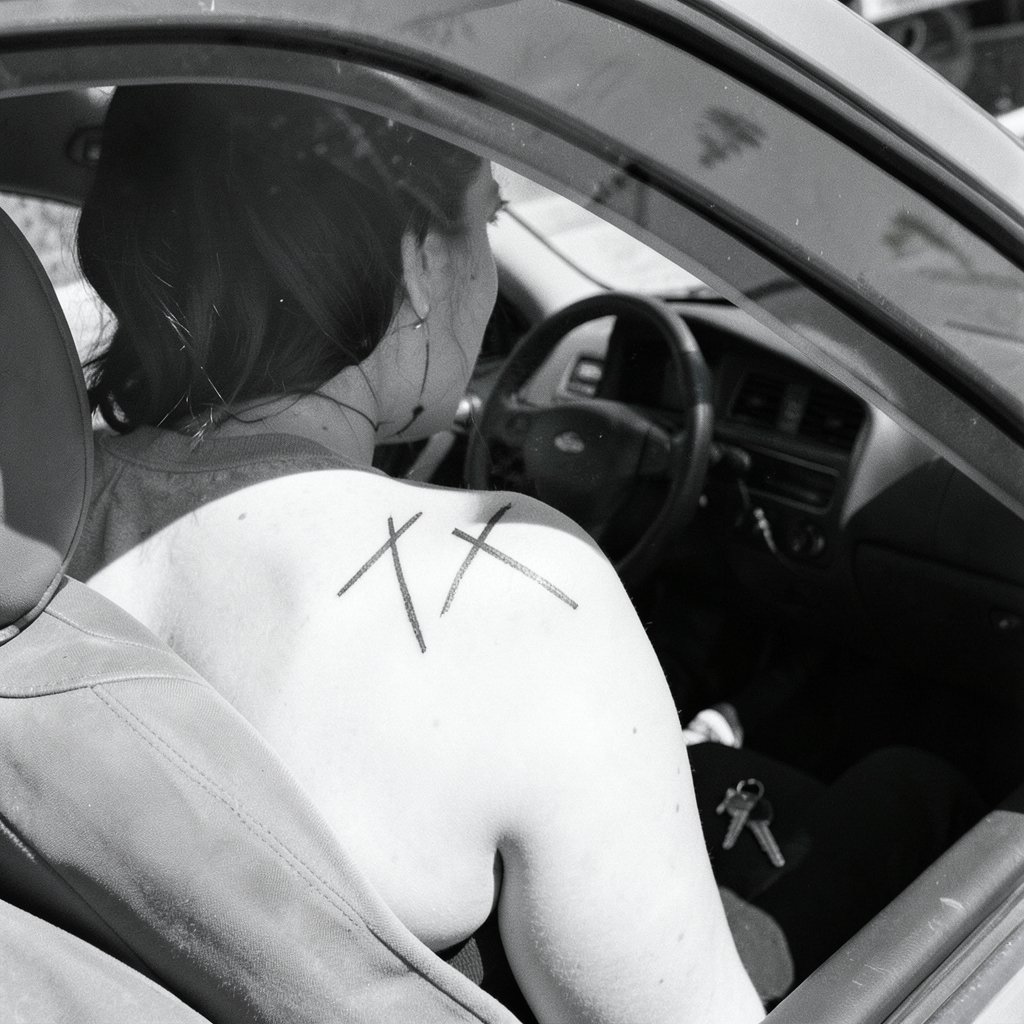
In 1991, hikers in the Ötztal Alps found a frozen body that had been dead for roughly 5,300 years. When researchers examined him, they discovered more than 60 small tattoos, mostly lines and crosses near his joints. Whatever those marks meant, they suggest something worth remembering: people have been putting ink under their skin for a very long time, and the reasons have never been simple.
That history matters when you’re searching for tattoo ideas. A tattoo isn’t a purchase you return. It’s a mark you’ll wear through job changes, weight shifts, sun exposure, and decades of your own evolving taste. The good news is that choosing well is a learnable skill, not a matter of luck or artistic instinct. This guide walks through the categories worth considering, the practical questions that separate a design that lasts from one you regret, and the mistakes that show up again and again. (Tattoo)
Start With Placement, Not the Design
Most people do this backward. They fall in love with an image, then squeeze it onto whatever body part seems convenient. In practice, placement should come first, because it determines how a design will distort, fade, and read from a distance.
A few hard-won rules of thumb:
- Curved surfaces warp straight lines. Ribs, hips, and shoulders bend. A geometric design planned flat will curve once it’s wrapped around a body.
- High-friction areas fade fastest. Palms, fingers, and the sides of feet lose ink quickly because skin there regenerates constantly.
- Visible spots carry social weight. Hands, necks, and faces still draw reactions in many workplaces, whether or not that’s fair.
- Pain isn’t evenly distributed. Ribs, sternum, elbows, and the backs of knees are famously uncomfortable. Muscle and fat cushion the needle; bone doesn’t.
A useful exercise: print your chosen design at actual size, tape it to the spot for a week, and see how it looks in mirrors, photos, and different clothing. It sounds fussy. It also catches a surprising number of bad decisions before they become permanent.
The Design Categories Worth Knowing
Tattoo styles aren’t just aesthetics; each one carries different longevity, cost, and skill requirements. Here’s how the main families compare.
| Style | Best for | Longevity notes | Typical session length |
|---|---|---|---|
| Fine line | Small, delicate, minimal designs | Fades and blurs fastest; needs touch-ups | 1–2 hours |
| Traditional (American) | Bold symbols, banners, classic imagery | Ages exceptionally well thanks to thick outlines | 2–4 hours |
| Blackwork | Geometric, ornamental, large-scale pieces | Holds contrast well; heavy black can bleed slightly over decades | 3–6+ hours |
| Realism | Portraits, animals, nature | High detail means high maintenance; soft shading dulls | 4–8+ hours |
| Watercolor | Abstract, painterly designs | No hard outlines, so colors spread over time | 2–4 hours |
| Japanese (Irezumi) | Large sleeves and back pieces | Designed for a lifetime; bold lines and saturated color | Multiple sessions |
The blunt truth: fine line work is beautiful and it is also the least durable style available. If a design relies on hair-thin lines and pale shading, expect it to soften within a few years. That’s not a reason to avoid it, but it is a reason to plan for maintenance.
Finding Ideas Without Copying Someone Else’s
The internet makes it easy to find a design you like and hard to find one that’s actually yours. A few approaches that consistently produce better results:
- Build a reference folder, not a single image. Collect 15–20 pieces you respond to and look for the pattern. Is it the line weight? The subject? The negative space? That pattern is your real taste.
- Bring concepts to an artist, not blueprints. A good tattooer will redraw your idea to fit your body and their strengths. Insisting on an exact copy of someone else’s tattoo usually produces a worse result.
- Look outside tattoo culture. Textile patterns, botanical illustrations, architecture, family photographs, and folk art all translate well. So do personal symbols with private meaning, which tend to outlast trend-driven choices.
- Avoid chasing whatever is trending this month. Trends move faster than skin. A design that felt fresh in a feed often feels dated in five years.
For anyone thinking about color specifically, skin tone genuinely changes how pigment reads, and the same logic that applies to choosing a hair color applies here: contrast and undertone matter more than the swatch. A guide to hair color ideas that actually work for your skin tone covers the underlying principles in useful detail, and they carry over directly to ink.
Size, Detail, and the Physics of Ink
Here’s the single most common regret in tattoo studios: a design that was too detailed for the space it was asked to fill. Ink spreads slightly under the skin over time. Fine gaps close. Tiny letters blur into a smudge.
The practical fix is simple. Every element needs room to breathe. If a design contains text, keep it short and large. If it contains several small figures, consider spreading them across a larger area or cutting the count. A skilled artist will tell you when a concept won’t survive at the requested size, and that feedback is worth taking seriously rather than shopping around for someone who says yes.
Scale also drives cost and pain. A palm-sized piece might take an hour; a full sleeve can run 15 to 30 hours across many months. Budget accordingly, because rushing a large piece is how people end up with patchy, unfinished work.
What Actually Matters in Safety and Aftercare
Tattoo ink regulation varies widely by country. In the United States, inks fall under cosmetic oversight, while the European Union has restricted certain pigments under its chemicals framework. Rules differ, enforcement differs, and studios differ. That means the single biggest safety variable is the studio itself.
What to check before booking:
- Licensing and hygiene. Look for single-use needles opened in front of you, sealed ink caps, and gloves changed between steps.
- Healing guidance in writing. Reputable studios hand out aftercare instructions rather than improvising them.
- A real portfolio of healed work. Fresh tattoos always look sharp. Healed photos reveal how an artist’s work actually settles.
- No pressure to decide on the spot. Consultations should feel like a conversation, not a sales pitch.
Aftercare is where most problems begin. Over-washing, picking at scabs, and skipping sunscreen are the three reliable ways to damage a healing tattoo. Keep it clean, keep it lightly moisturized, keep it out of direct sun, and don’t swim in pools or open water until it’s fully closed. The first two weeks matter more than most people expect.
Cost, Artists, and the Interview That Saves You
Tattoo pricing usually follows one of two models: an hourly rate or a flat quote per piece. Minimum charges are standard, often covering setup time. Cheap work is cheap for a reason, and the gap between a bargain artist and an experienced one is not measured in skill alone but in how their work ages.
When vetting an artist, ask directly:
- How long have you been tattooing this specific style?
- Can I see healed photos of similar work?
- How do you handle touch-ups?
- What’s your policy if the design needs adjusting mid-session?
The answers tell you more than any Instagram grid. An artist who answers plainly and shows real healed work is worth waiting months for. A portfolio of only freshly inked, heavily filtered photos is a warning sign.
Cultural Respect and Getting It Right
Many tattoo traditions carry real history. Japanese irezumi developed alongside woodblock printing and was at times legally restricted. Polynesian tatau is a system of lineage and status, not decoration. Indigenous North American, Māori, and Samoan designs in particular are tied to specific communities and protocols.
Borrowing a motif because it looks striking, without understanding what it signifies, is a common and avoidable mistake. If a design comes from a living tradition, research it, and where appropriate, commission an artist from that tradition. This isn’t about gatekeeping; it’s about not wearing someone’s identity as an accessory.
Building a Cohesive Collection
People rarely stop at one. The difference between a collection that looks intentional and one that looks accidental usually comes down to a few decisions made early:
- Pick a visual through-line. Consistent line weight, a shared color palette, or a recurring motif ties pieces together.
- Leave room to grow. Large-scale work needs planning; filling a sleeve randomly makes future additions harder.
- Think in flow, not stamps. Designs that follow the body’s contours read better than isolated images dropped onto skin.
- Space sessions out. Healing takes weeks. Rushing back to the chair too soon slows the process and increases scarring risk.
If you’re drawn to a broader aesthetic shift, whether in ink or in personal style, browsing ideas across Voozon’s lifestyle section can help you see how individual choices fit into a coherent whole rather than standing alone. (Voozon Travel) (Tattoos: Understand risks and precautions)
A Note on Trends and Timing
Tattoo trends move in cycles. Ornamental blackwork, delicate script, and micro-realism have each had their moment in the spotlight, and each has produced a wave of work that ages differently than buyers expected. None of this is a reason to avoid a style you love. It’s a reason to ask what a design will look like in fifteen years, not fifteen days.
A useful check: imagine the design on someone twenty years older. If it still reads as deliberate rather than dated, you’re probably on solid ground.
Conclusion
The best tattoo ideas share a few quiet qualities. They’re scaled to fit the body, they’re built from styles that hold up over time, and they mean something to the person wearing them rather than to whoever is scrolling past. Everything else, from the specific imagery to the artist’s signature, is negotiable.
Start with placement. Collect references until a pattern emerges. Choose an artist whose healed work you trust. Respect the traditions you borrow from. Then accept that healing takes patience and that a tattoo is a long relationship, not a single afternoon. Whether you’re planning a first small piece or filling out a sleeve, the same discipline applies, and it’s the difference between ink you’re proud of at 30 and ink you’re still proud of at 60.
Frequently Asked Questions
How much should a good tattoo cost?
Pricing varies enormously by city, artist reputation, and size. Most studios have a minimum charge, and experienced artists in high-demand styles often charge premium hourly rates. A reasonable rule: never choose an artist primarily on price. The cost of a cover-up or laser removal usually dwarfs whatever you saved.
Do fine line tattoos really fade faster?
Yes, generally. Fine line work uses thin needles and lighter pigment deposits, which the body’s immune response breaks down more quickly. Expect softening within a few years and budget for touch-ups. Bold outlines and saturated black hold up far longer.
How do I know if a tattoo artist is good?
Look for a portfolio that includes healed photographs as well as fresh work. Check hygiene practices in person, read reviews, and ask about their experience with your specific style. A good artist will also tell you when your idea won’t work; that signals confidence rather than rudeness.
Is it okay to get a tattoo in a language I don’t speak?
It’s risky. Translation errors, missing characters, and incorrect grammar are extremely common, and a native speaker will notice immediately. If you go ahead, have the text verified by at least two fluent speakers before it’s inked.
How long does a tattoo take to heal?
The surface typically closes in two to three weeks, but deeper layers keep settling for two to three months. Keep the area clean, moisturized, and out of direct sun during that window, and avoid swimming or soaking until it’s fully closed.
Can I get a tattoo over a scar or stretch mark?
Often yes, but it depends on the scar. Flat, fully healed scars usually accept ink reasonably well, while raised or keloid-prone scars can be unpredictable. A consultation with an artist experienced in scar work is essential before committing.