
What to Wear to a Winter Wedding: Guest Guide 2026
 Abdul WadoodLast updated

Quick Answer: What to wear to a winter wedding?
For a winter wedding, wear a formal or semi-formal outfit in a heavier fabric, in a deep or jewel tone, with a removable layer like a coat, wrap, or shawl for the cold and a pair of closed-toe shoes you can walk in. Start by checking the invitation or wedding website for the stated dress code, then match fabric weight, color, and footwear to the venue and local climate. (Dirty Blonde Hair: What It Is & How to Wear It in 2026) (Wedding dress)
A floor-length gown in velvet or crepe works for black tie, while a midi dress with long sleeves or a tailored suit fits cocktail and semi-formal events. Outdoor, barn, or estate venues call for warmer layers and sturdier shoes than a heated hotel ballroom.
Before you commit, confirm the dress code, the venue type, indoor versus outdoor timing, the local winter climate, expected photo conditions, and how much walking or standing the day involves.
Winter Weddings Are More Common Than You Think
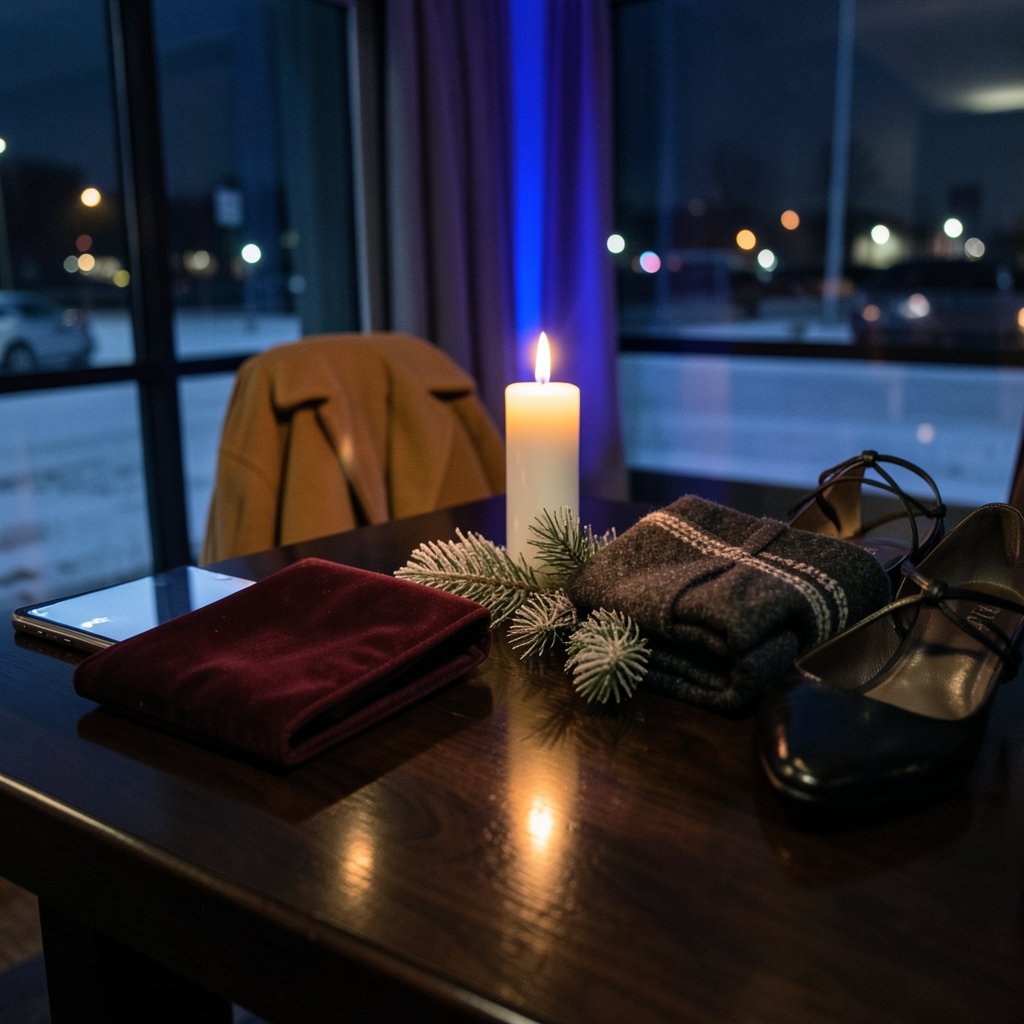
Winter weddings have quietly become a serious business. Venues discount heavily in January and February, holiday décor comes free with the season, and couples get the moody, candlelit photos that summer light can’t deliver. For guests, though, that shift creates a genuine problem: the dress code on the invitation was written for a ballroom, not for the twenty feet of icy parking lot between the car and the door.
The good news is that winter guest dressing is a solvable puzzle. It comes down to four variables: the dress code, the fabric, the color, and the layers. Get those right and you’ll be comfortable from the ceremony through the last dance.
Start With the Dress Code, Not the Thermometer
The single most common mistake guests make is shopping for the season before reading the invitation. A winter wedding does not automatically mean formal. A cozy December celebration in a converted barn might be semi-formal or even cocktail casual, while a February black-tie reception in a city hotel demands a gown.
| Dress Code | What It Usually Means for Winter | Fabric and Layer Notes |
|---|---|---|
| Black tie | Floor-length gown or dark formal suit with tie | Velvet, heavy crepe, satin; add a faux-fur wrap or long coat |
| Black tie optional | Gown or a dressy midi/cocktail dress; dark suit | Lined fabrics; a tailored coat works as outerwear |
| Cocktail | Knee- to midi-length dress or smart separates | Long sleeves or a jacket; thicker crepe, wool blends |
| Semi-formal | Midi dress, dressy jumpsuit, suit without a tie | Knit dresses, heavier fabrics, closed-toe heels |
| Casual or festive | Smart trousers, sweaters, dark denim if stated | Layers you can remove; boots are often fine |
If the invitation is silent on dress code, look at the venue and time of day. An evening reception in a hotel ballroom skews formal; a daytime ceremony in a garden room skews smart-casual. When in doubt, err one notch dressier than you think, and ask the couple or a member of the wedding party directly. Nobody has ever been offended by that question.
Choose Fabrics That Behave in Cold Air
Fabric is where winter dressing is won or lost. Lightweight summer fabrics like chiffon, linen, and thin silk look out of place in January and, more practically, they offer no insulation during the walk from car to ceremony.
Reach for wool blends, velvet, heavy crepe, ponte knit, and lined satin. These hold their shape, resist creasing in a coat check pile, and keep you warm enough that you’re not shivering through the vows. Velvet in particular has become the unofficial fabric of winter weddings, and a velvet dress or jacket reads as festive without trying too hard. (Blue Hair Dye Guide: How to Dye, Keep & Wear Blue Hair)
A word on knit dresses: they’re comfortable and warm, but thin, clingy knits can look casual next to genuinely formal attire. If you go that route, pick a dense, structured knit and dress it up with jewelry and heels.
Pick Deep Colors, but Read the Room
Convention, not law, drives winter color choices. Rich, saturated shades like burgundy, emerald, navy, forest green, plum, and deep teal are the safe, festive picks. Metallics, especially gold and silver, also work well for evening events.
The old rules still apply: avoid white, ivory, and anything that could read as bridal, and skip the same color the bridesmaids are wearing if you know it. Winter also tempts people toward head-to-toe black, which is perfectly acceptable at evening events but can look funereal at a daytime celebration. If you love black, break it up with texture, a colored shoe, or statement jewelry.
For guests who want to experiment with color, the same logic that applies to choosing a flattering hair shade applies to outfits: the right undertone makes all the difference. Cool-toned guests tend to shine in jewel blues and emeralds, while warm-toned guests look stronger in rust, olive, and chocolate. Speaking of which, a chocolate brown outfit or accessory is one of the most underrated winter choices, warm, rich, and forgiving under low indoor lighting.
Layer Smart, Because Indoor Heat Is Real
Here’s the detail most guides skip: winter venues are often overheated. A ceremony space filled with two hundred people and a heating system running full blast can hit uncomfortable temperatures fast. That’s why the layer you wear matters more than the layer you own.
The practical formula is a removable outer layer plus a warm base. A long wool coat, a tailored coat, a faux-fur stole, or a pashmina all work, provided you can take them off and check them without ruining your silhouette. Avoid anything you’d have to keep on all evening, like a heavy turtleneck under a sleeveless dress.
For anyone planning a bold color statement, the layering logic mirrors what you’d consider when committing to a dramatic dye job: commit to the bold choice, then build supporting pieces around it so the whole look stays intentional rather than accidental.
Footwear: Where Most Guests Get It Wrong
Cold, wet, salted sidewalks destroy delicate shoes. Block heels, closed-toe pumps, ankle boots, and dressy flats all handle winter conditions far better than stilettos or open sandals. If the venue involves gravel, grass, or a long walk from parking, consider bringing a second pair of shoes to change into once you’re inside. Plenty of experienced guests keep a pair of foldable flats in their bag, and it’s a habit worth copying.
What to Wear to a Winter Wedding: Quick Outfit Formulas
For Women
A long-sleeved velvet midi dress with block heels and a wool coat is the most reliable winter formula. Swap in a floor-length gown for black tie, a knit dress with boots for casual venues, or a tailored jumpsuit with a statement earring for cocktail events. Add tights if the venue is drafty, and keep a pashmina in your bag for outdoor photos.
For Men
A dark wool suit is the workhorse. Layer it with a merino crewneck or a fine-gauge turtleneck under the jacket for semi-formal and casual events, and stick to a shirt and tie for formal ones. A heavier overcoat, leather gloves, and closed dress shoes or Chelsea boots complete the look. Flannel and heavy tweed read as daytime; worsted wool reads as evening.
The Common Mistakes to Avoid
The most frequent error is underdressing for the weather out of vanity, then spending the cocktail hour huddled by a radiator. The second is overdressing for the venue: a ball gown at a rustic barn wedding looks as out of place as jeans at a black-tie reception.
Other traps worth flagging: wearing suede in snow or slush, choosing thin fabrics that wrinkle the moment you sit down, forgetting that coat check lines can be long and chaotic, and ignoring the couple’s stated color palette if they’ve requested one. A small but real one, scent. Heavy perfume in a closed, heated room is far more noticeable than it is outdoors, so go lighter than you would in summer.
Conclusion
Dressing for a winter wedding is less about following rigid rules and more about reading three signals: the dress code on the invitation, the venue and its climate, and your own comfort over a long day. Choose heavier fabrics, deeper colors, and shoes you can actually walk in, then add a layer you can remove once you’re inside. Do that, and you’ll look appropriate in the photos and feel fine at the reception, which is exactly the outcome every guest is after.
If you’re still unsure twenty-four hours out, pack a backup. A spare pair of tights, a lightweight cardigan that fits under your coat, and a small stain-removal pen have rescued more winter wedding guests than any single outfit choice. The goal is a look that photographs well and a body that stays comfortable through a long ceremony, a cocktail hour, dinner, and dancing that may run past midnight.
A Note on Gifts, Travel, and Timing
Winter weddings often mean travel, and travel changes what you can wear. If you’re flying, choose fabrics that survive a suitcase: wool blends and ponte knits bounce back from folding, while velvet and heavy satin need careful packing or a steamer on arrival. Ask the hotel whether an iron is available, and give yourself an extra hour before the ceremony to settle in and change if you’re driving in from out of town.
A winter wedding also tends to fall near the holidays, which affects gift expectations. Check the couple’s registry early, since popular items sell out fast in December, and factor in shipping time if you’re ordering online. If the wedding is a destination event in a cold climate, confirm the venue’s coat check policy in advance; some smaller spaces don’t offer one, which means your outer layer needs to be something you’re happy to keep on your chair.
Final Checklist Before You Leave
- Confirm the dress code and venue type one last time.
- Check the local forecast the morning of the wedding, not a week ahead.
- Lay out your removable layer and make sure it works with the outfit underneath.
- Test your shoes on a hard floor and add grip pads if the soles are smooth.
- Pack a small bag with tights, a pashmina, and foldable flats.
- Keep jewelry and scent understated for close, heated rooms.
None of this requires a new wardrobe. Most guests already own a dark suit, a midi dress, or a wool coat that fits the bill; the difference between looking out of place and looking polished is usually a matter of fabric weight, a warm layer, and sensible shoes. Read the invitation, respect the venue, and dress for the walk from the car as much as for the reception itself. Do that, and the only thing you’ll be thinking about during the toast is whether you remembered to sign the guest book.
If you’re still building your cold-weather wardrobe for the season, a few versatile pieces cover most invitations: a long wool coat in a neutral shade, a pair of block-heeled ankle boots, and one dress in a rich jewel tone will carry you through multiple weddings without repetition. Buy for the climate you’ll actually be standing in, not the one in the photos, and prioritize pieces you can wear again to dinners, holidays, and work events. Practicality and polish are not opposites here; the best-dressed guests at winter weddings are almost always the ones who planned for the cold and the heat in equal measure. With the right fabrics, layers, and footwear in place, you can relax and enjoy the celebration, which is, after all, the entire point of being there. (Cold Weather Safety)