
What to Wear to a Business Dinner: 2026 Dress Code Guide
 Abdul WadoodLast updated
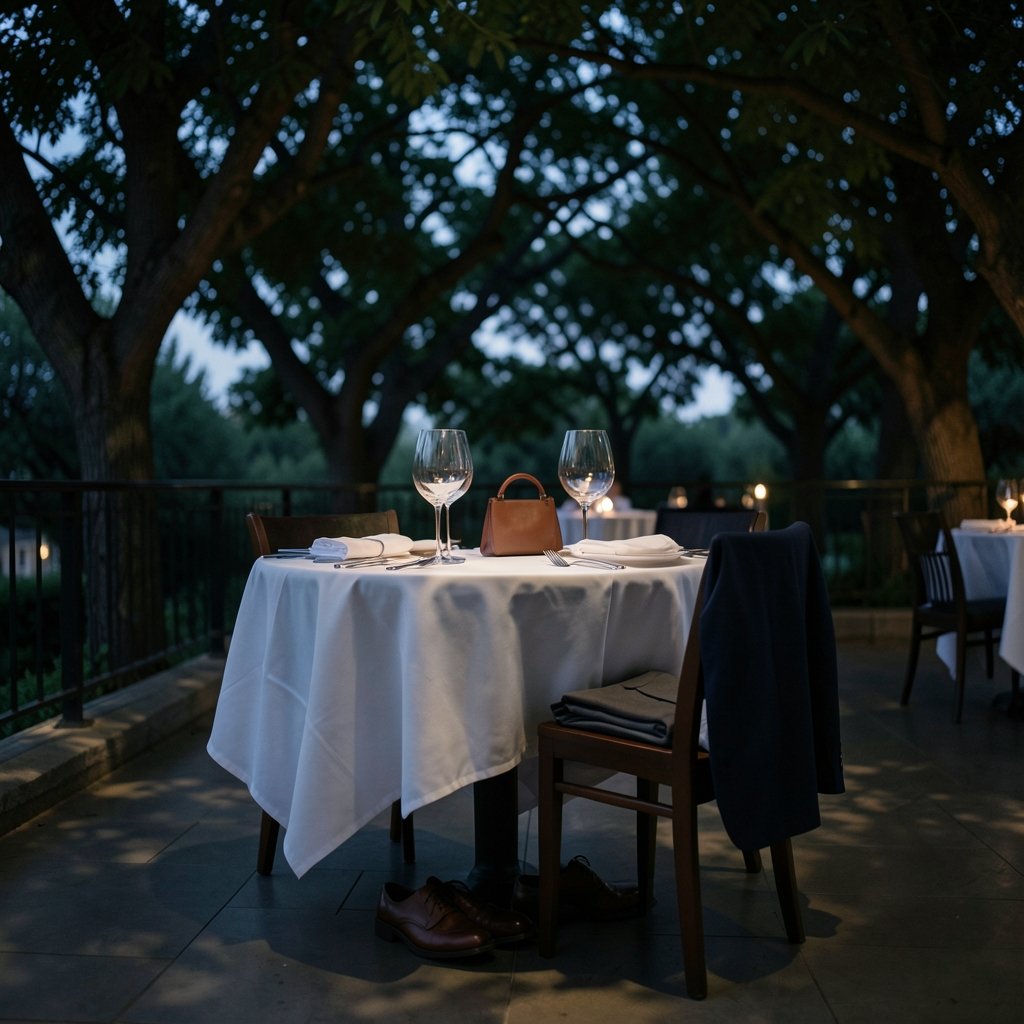
Quick Answer: What to wear to a business dinner?
For most business dinners, business casual is the safest default: tailored trousers or a skirt with a blouse or knitwear for women, and dress pants with a button-down shirt and optional blazer for men. If the invitation names a dress code, follow it literally rather than guessing.
Business formal (a suit and tie, or a tailored suit or equivalent) fits client dinners in law, finance, and consulting, while smart casual works for tech and startup settings. When the dress code is unstated, match or slightly exceed the most senior person attending.
Before you decide, check the invitation wording, the venue’s house dress code, the industry norm, the seniority of attendees, the season and climate, and whether the dinner falls on a travel day.
Business dinners sit in an awkward gap between work and social life. The food is better than the office cafeteria, the conversation is looser, and yet everyone is still quietly evaluating everyone else. Wardrobe choices carry real weight here: one study of first impressions found that people form judgments about competence and trustworthiness within a tenth of a second of seeing a face. Clothing feeds into that snap judgment before a single word is spoken. The good news is that dressing correctly for a business dinner is a solvable problem. It takes a little reading of context, a few reliable pieces, and a willingness to skip the flashiest thing in the closet.
Why the Stakes Are Higher Than a Normal Workday
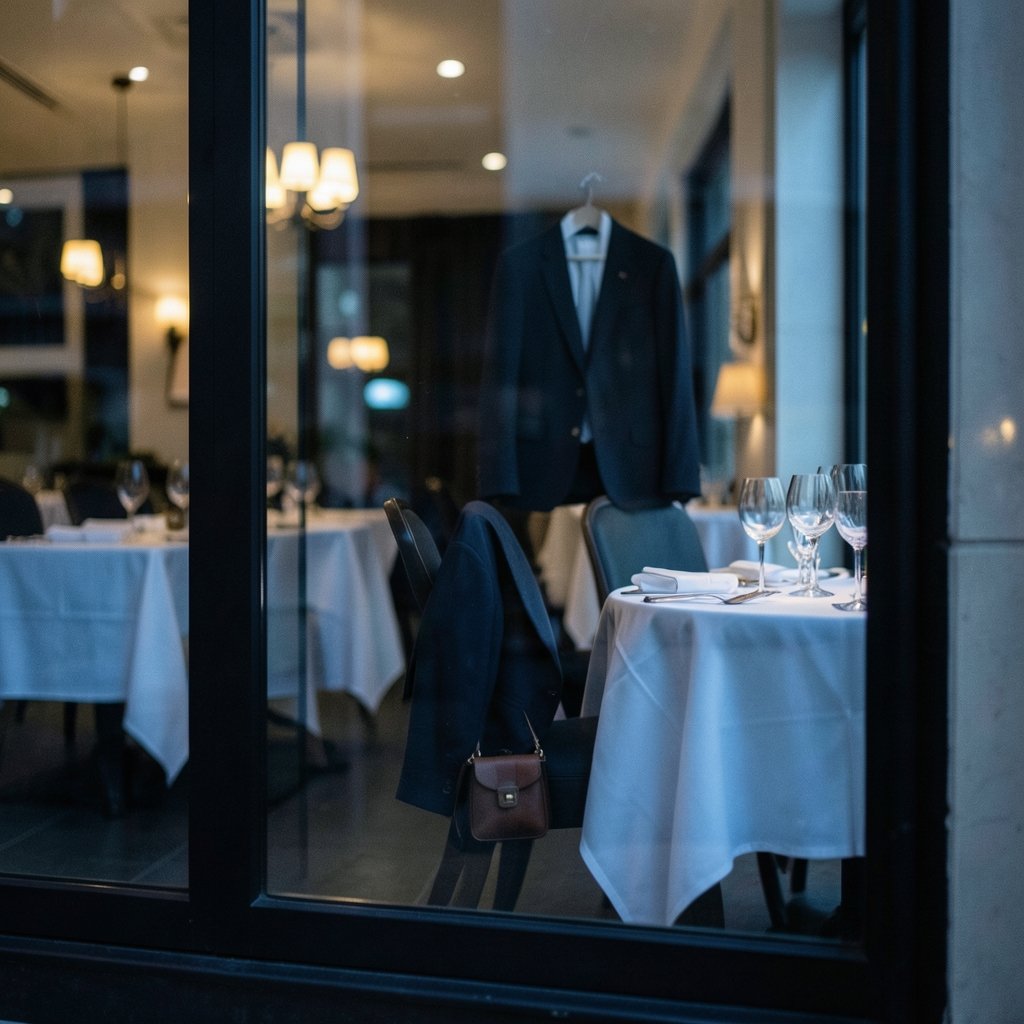
At the office, a dress code is written down somewhere. At a business dinner, the rules are implied, and the setting changes them. A restaurant with white tablecloths and a jacket requirement sends a different signal than a loud bistro where everyone wears denim. Guests notice when someone misreads the room, and the discomfort tends to linger.
There is also the practical side. A dinner involves sitting for two hours, reaching across a table, and possibly navigating a bar or a taxi afterward. Clothes that pinch, ride up, or require constant adjustment pull attention away from the conversation. The best outfit for a business dinner is one the wearer forgets about by the appetizer.
The core principle is simple: dress for the room, not for your own closet. That means a bit of reconnaissance before the event, covered below.
Read the Invitation Before You Open the Closet
Most dress code confusion disappears with a careful read of the invitation. The wording usually tells you exactly how formal to go.
| Invitation wording | What it means | Typical outfit |
|---|---|---|
| Business formal | Suit and tie; tailored suit or equivalent | Dark suit, dress shirt, conservative tie or blouse and structured jacket |
| Business casual | Polished but not suited | Slacks or skirt with blouse or knitwear; dress pants with button-down, blazer optional |
| Smart casual | Relaxed but intentional | Dark jeans or chinos with a blazer; midi dress with flats or low heels |
| Cocktail | Semi-formal, evening-leaning | Dark suit without tie, or a knee-length dress |
| No dress code stated | Match the senior attendee | Business casual, leaning one notch up |
When the invitation says nothing at all, the safe move is to ask the organizer or a colleague who has attended before. A single question saves an evening of second-guessing. It also signals attentiveness rather than ignorance.
One more check: the venue itself. Upscale and Michelin-starred restaurants sometimes publish a house dress code, and some expect jackets for men. A quick look at the restaurant’s website removes the guesswork entirely.
The Safest Defaults for Men
For men, a navy or charcoal suit without a tie covers an enormous range of business dinners. Add a crisp white or light blue shirt and leather shoes, and the outfit works at a steakhouse, a hotel restaurant, or a client’s favorite bistro. A tie can live in a jacket pocket or a bag, ready if the room turns out to be more formal than expected.
For a more relaxed setting, dark chinos with a button-down shirt and a blazer strike the right note. Chinos in navy, olive, or stone read as intentional rather than careless.
A few practical notes from experience: skip sneakers unless the venue is genuinely casual and the industry is known for it, avoid loud patterns and visible logos, and make sure the shoes are clean. Scuffed footwear is the detail people notice when they look under the table. Fit matters more than price. A well-fitted off-the-rack suit beats an expensive one that pulls at the shoulders.
The Safest Defaults for Women
For women, the equivalent workhorses are a tailored trouser suit, a structured midi dress with a jacket, or dark slacks with a silk blouse or fine knit. Neutral colors (navy, charcoal, camel, deep green) photograph well, match almost everything, and read as composed rather than distracting.
Comfort deserves real weight here. Heels that hurt after twenty minutes turn a pleasant dinner into a countdown. Low block heels, loafers, or elegant flats are perfectly appropriate in most business settings and let the wearer focus on the table talk.
Two common mistakes: treating a business dinner as a night out, and treating it as a black-tie gala. Revealing cuts, heavy sequins, and club-ready dresses send the wrong signal in most corporate contexts. So does an overly stiff suit when everyone else arrived in knitwear. The goal is polish with ease.
Match the Industry and the Invitation
Industry norms override general advice. A client dinner at a law firm and a team dinner at a software startup may share a calendar slot but share almost nothing else.
In law, finance, and consulting, business formal remains the norm for client-facing dinners. In technology, advertising, and many creative fields, smart casual is often the ceiling, and a full suit can read as trying too hard. In sales roles, matching the client’s formality is the reliable rule.
Cultural context matters just as much. Business dinners in parts of Europe and Asia often skew more formal than United States norms, and the safest move for international events is to ask a local colleague. Presenting one country’s habits as universal is a common trap.
Grooming, Accessories, and the Details People Remember
Clothing is only part of the impression. A few small choices carry outsized weight.
Fragrance should be light or skipped. Strong scent at a shared table is a genuine problem, not a quirk of preference.
Accessories should be quiet. One tasteful piece, such as a watch or simple earrings, does more than a stack of bracelets that clink against the table.
Grooming basics apply to everyone: neat hair, trimmed nails, and clothes that have been ironed and de-linted. A lint roller in the car or bag has rescued more dinners than most people admit.
Bags and outerwear deserve a thought too. A battered backpack next to a tailored suit creates friction. A structured tote, a briefcase, or a clean coat keeps the look coherent.
If hair color or styling is part of the preparation, timing matters. A fresh color appointment two days before a big dinner leaves room to adjust. Readers weighing a shade change can look at guides on dirty blonde hair and chocolate brown hair for options that read professional in most settings. Bold colors are a personal choice, but in conservative industries they are worth weighing against the room; a blue hair dye guide covers how commitment level and upkeep factor into that decision.
When the Dinner Follows a Full Workday
Many business dinners happen straight after work, which means no time to go home and change. The fix is to build a work wardrobe that transitions without effort. A blazer over a blouse, or a suit worn without a tie during the day, moves into the evening with one small adjustment.
Keeping a few items at the office helps: a spare pair of shoes, a lint roller, a neutral tie, and a small grooming kit. Travel days add another layer. Clothes that wrinkle badly on a flight are a poor choice for a dinner the same evening, and knit fabrics and wool blends usually recover better than stiff cotton.
Common Mistakes That Undermine an Otherwise Good Outfit
Most business dinner wardrobe errors are avoidable with a little foresight.
- Overdressing for a casual room. A three-piece suit at a taco spot reads as anxious, not impressive.
- Underdressing for a formal room. This is harder to recover from than overdressing, which is why leaning one notch up is the safer error.
- Ignoring the venue. Check the restaurant’s dress code before assuming.
- Wearing brand-new shoes or clothes. Unbroken-in items cause discomfort all evening.
- Forgetting the season. Heavy suits in hot climates and open shoes in winter both create practical problems.
- Choosing statement pieces over fit. A loud jacket that fits poorly loses to a plain one that fits well, every time.
A Quick Pre-Dinner Checklist
A short routine before leaving removes most of the risk.
- Re-read the invitation for dress code wording.
- Check the restaurant’s website for a house dress code.
- Confirm the seniority and industry of the attendees.
- Lay out the outfit the night before, including shoes and accessories.
- Test the outfit while sitting, reaching, and walking.
- Pack a small kit: lint roller, stain pen, spare tie or flats.
- Keep fragrance light and jewelry quiet.
That list takes ten minutes and prevents the kind of wardrobe regret that distracts through an entire meal.
Conclusion
Dressing for a business dinner is less about fashion than about reading a room before entering it. The reliable formula is business casual as a default, business formal when the industry or invitation calls for it, and one notch above the most senior attendee whenever the dress code is unstated. Fit beats price, comfort enables presence, and quiet details beat loud ones. Get those basics right, and the outfit fades into the background where it belongs, leaving the conversation, the food, and the relationship to take center stage. Questions about style coverage or editorial topics can go through the Voozon contact page.
Frequently Asked Questions
Can I wear jeans to a business dinner?
Sometimes, but only in specific contexts. Dark, well-fitted jeans without distressing can work for smart casual dinners in tech, creative, and startup settings. They are a poor choice for client dinners in law, finance, or consulting, and for any venue with a formal house dress code. When in doubt, choose chinos or slacks instead.
Is it worse to overdress or underdress at a business dinner?
Underdressing is generally harder to recover from. An overdressed guest can remove a jacket or loosen a tie, but an underdressed one has no fix mid-meal. That is why the standard advice is to lean one notch above the expected formality when the dress code is unclear.
What should I wear if the invitation doesn’t mention a dress code?
Default to business casual and check two things: the venue’s house dress code and the seniority of the most senior attendee. Matching or slightly exceeding that person’s likely formality is the safest approach. A quick question to the organizer is always acceptable and often appreciated.
Do I need a tie for a business dinner?
Only if the event is business formal or the industry expects it. For business casual and smart casual dinners, a tie is usually unnecessary. A practical compromise is to wear a jacket without a tie and keep a tie nearby in case the room turns out to be more formal than expected.
How should I adjust my outfit for an international business dinner?
Assume more formality in many parts of Europe and Asia than in the United States, and ask a local colleague for guidance. Cultural norms vary widely, and relying on one country’s habits as a global standard is a common mistake. A brief check with someone local removes most of the uncertainty.
What should I avoid wearing to a business dinner?
Avoid strong fragrance, visible logos, overly revealing clothing, and footwear that is either too casual or too painful to wear for hours. Skip brand-new, unbroken-in items and anything that needs constant adjustment. Clean, well-fitted, quietly styled clothing almost always outperforms statement pieces.