
How to Wear Ballet Flats with Socks: 2026 Styling Guide
 Abdul WadoodLast updated
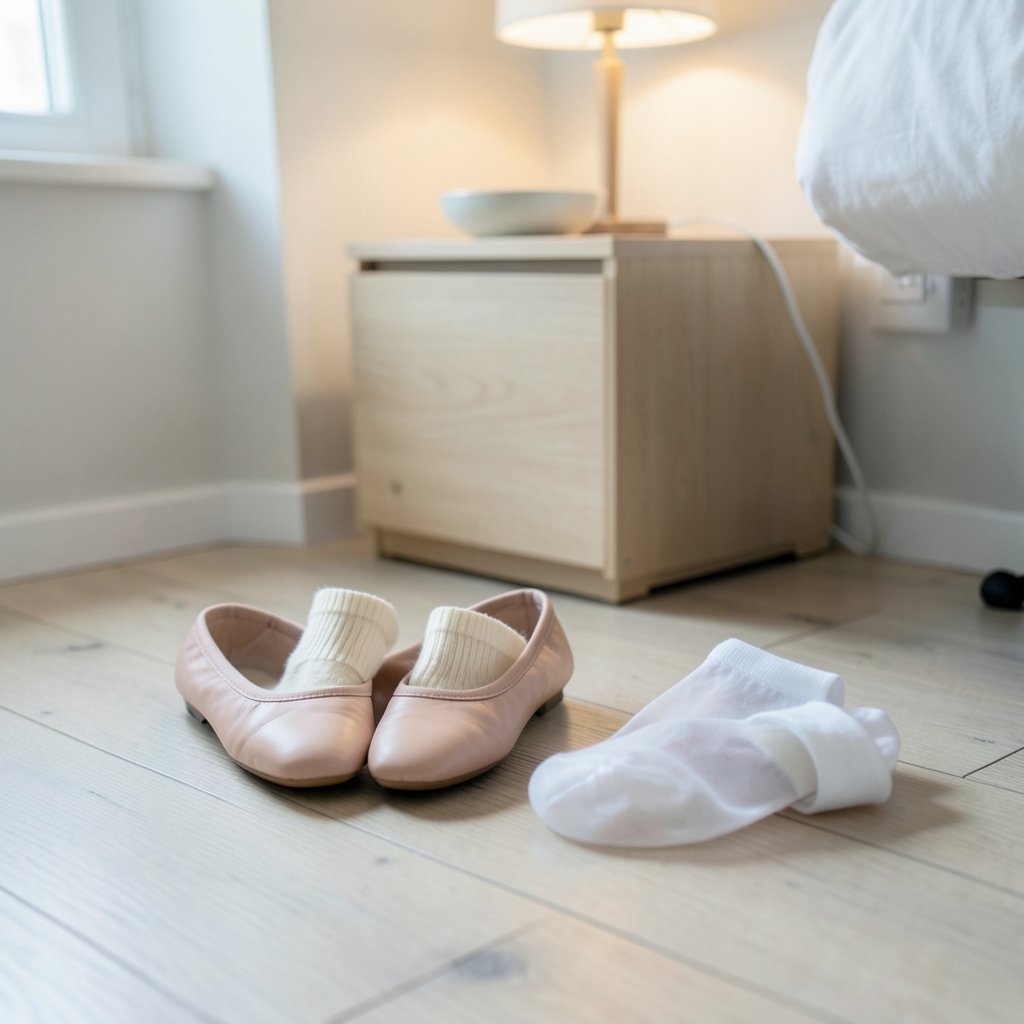
Ballet flats and socks were once considered a fashion faux pas, something reserved for school uniforms and dance class. Then something shifted. The pairing started appearing on runways and street-style feeds, and suddenly the combination that grandmothers warned against became a deliberate style statement. In 2026, the look is everywhere, but wearing it well takes more thought than pulling on the nearest pair of socks.
The trick is understanding that this is not a random pairing. It is a styling choice with rules, textures, and proportions that either elevate an outfit or make it look accidental. This guide breaks down exactly how to wear ballet flats with socks, from picking the right sock thickness to avoiding the mistakes that make the look fall flat.
Why the Socks-and-Flats Look Came Back
The pairing has roots in practical dressing. Ballet flats descend from soft dance slippers, and dancers have worn them with tights and socks for generations. That functional history eventually fed into fashion. Designers began styling flats with visible socks as a way to add personality and warmth to a shoe that can otherwise feel plain.
The look resurfaced in waves, first in the late 2010s and again during the balletcore revival of the 2020s. The exact peak is debated among fashion writers, but the takeaway is clear: the combination has moved from ironic to intentional. What makes it work now is the styling. Worn correctly, socks add texture, color, and a bit of charm. Worn carelessly, they look like an afterthought. (Chocolate Brown Hair: What It Really Looks Like in 2026)
The Golden Rule: Sock Thickness Matters Most
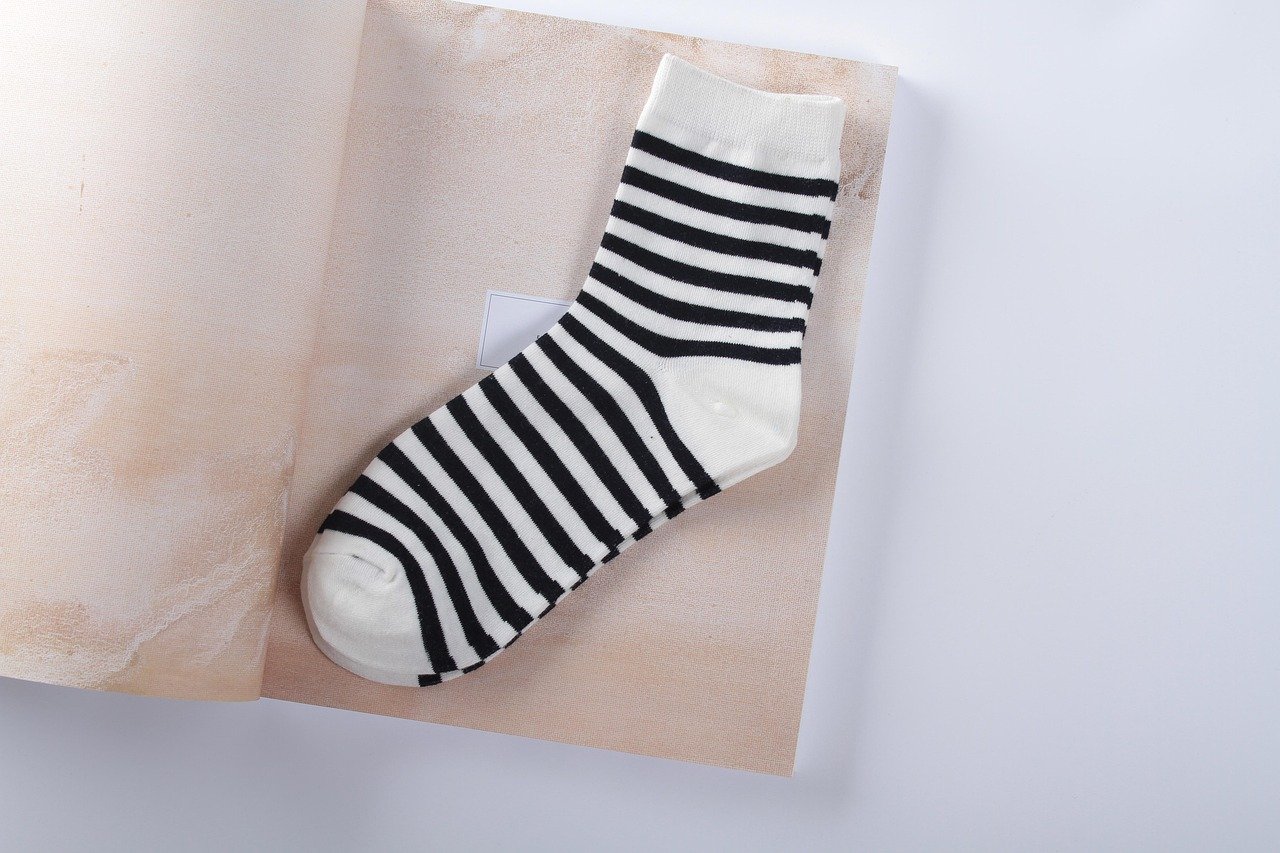
If there is one thing that separates a polished socks-and-flats outfit from a messy one, it is sock thickness. Bulky athletic socks crammed into a slim ballet flat create bulk at the toe and heel, which distorts the shoe’s shape and looks uncomfortable because it usually is.
Fine-gauge socks are the safest starting point. Thin cotton, nylon, or a cotton-blend sock sits smoothly against the foot and slides into the shoe without bunching. Sheer socks take this further, giving a delicate, almost invisible layer that reads as intentional rather than bulky. For anyone new to the look, a thin sock in a neutral tone is the easiest entry point.
Thicker socks can work, but they need the right shoe. A flat with a higher vamp or an elasticized topline holds a medium-weight sock better than a very low-cut style. The shoe has to accommodate the extra fabric without squeezing.
| Sock Type | Best For | Watch Out For |
|---|---|---|
| Sheer nylon | Warm weather, dressy looks | Snags easily, needs careful washing |
| Fine cotton | Everyday wear, beginners | Can slip if the shoe is too loose |
| Ribbed crew | Visible styling, cooler months | Adds bulk, needs a roomier flat |
| Ankle socks | Hidden look, low-cut flats | May peek out if the flat is very low |
| Knee-highs | Preppy or layered outfits | Can overwhelm a short hemline |
Matching Socks to the Right Ballet Flat
Not every flat plays nicely with socks. The shoe’s cut and material determine how well the pairing holds together.
Low-cut flats
Very low-cut ballet flats leave little room for a sock to grip. Thin ankle socks work best here because they disappear below the shoe’s topline. If the sock keeps slipping, a no-show sock with a silicone heel grip solves the problem without adding visible fabric.
Higher-vamp and elasticized flats
Flats with a higher vamp, a strap, or an elasticized topline hold socks in place far better. These are the ideal shoes for visible crew socks or ribbed styles. The extra coverage gives the sock something to anchor against, so it stays put through a full day of walking.
Leather versus fabric flats
Smooth leather linings can be slippery against socks, so a sock with a slightly textured sole helps. Fabric or suede-lined flats offer more grip. In practice, a thin sock actually reduces friction against stiff leather, which some wearers find more comfortable than going barefoot.
How to Style the Look for Different Occasions
The socks-and-flats combination adapts to almost any setting once the sock is chosen correctly. Here is how to make it work across the week.
Everyday casual
Pair a white or cream fine cotton sock with a simple leather ballet flat and cropped jeans or a midi skirt. The visible sock adds a relaxed, almost preppy touch. Keep the sock color close to the shoe for a clean line, or go slightly lighter for contrast.
Office and smart casual
Sheer socks are the office-friendly choice. A nude or black sheer sock under a pointed ballet flat looks polished and keeps feet warm in air-conditioned rooms. Match the sock to the shoe or to the trouser for a seamless, leg-lengthening effect.
Cold-weather layering
Ribbed crew socks pulled up over the ankle pair well with wool trousers, longer skirts, and tights underneath. This is where socks with flats genuinely earn their keep: they add warmth without the bulk of boots. Darker tones like charcoal, burgundy, or forest green add depth to winter outfits.
Dressy and evening
Sheer or lace-trimmed socks can dress up a satin flat for events. Keep the rest of the outfit simple so the sock detail reads as a deliberate accent rather than clutter.
Color and Proportion: The Details That Make or Break It
Two factors do most of the visual work in this pairing: color and proportion.
On color, the simplest approach is matching the sock to the shoe or to your leg. A sock close to your skin tone elongates the leg line, while a sock matching the shoe creates a continuous block of color. Contrasting socks are bolder and can look great, but they chop the leg visually, so they work best with shorter hemlines or when the outfit already has strong color blocking.
On proportion, hemline matters. A cropped trouser or a midi skirt that ends above the ankle gives the sock room to show. A maxi hem that covers the sock defeats the purpose. If the sock is the point, let it be seen.
Texture is the third, quieter factor. Ribbed knits, pointelle, and sheer finishes each change the mood. A smooth fine sock reads minimal; a ribbed sock reads cozy and casual. Mixing texture against a smooth leather flat creates pleasant contrast.
Common Mistakes to Avoid
Even a good look fails with a few predictable missteps. These are the ones that show up most often.
- Wearing thick athletic socks in slim flats. The bulk distorts the shoe and looks uncomfortable. Save cushioned socks for sneakers.
- Ignoring the shoe’s topline. A sock that sits exactly at the edge of a low-cut flat tends to slip and bunch. Choose a sock height that clearly clears or clearly hides below the topline.
- Letting the sock bunch at the toe. Smooth the sock over the foot before sliding into the shoe. Bunching at the toe is the fastest way to make the look seem careless.
- Skipping the color decision. Wearing a random sock color with no relationship to the outfit makes the pairing look accidental. Decide whether the sock blends or contrasts, then commit.
- Forgetting about shoe fit. Socks add volume. If a flat is already snug, adding a sock will make it painful. Size up or choose a thinner sock.
A quick practical note: if slipping is a problem, a sock with a grip sole or a flat with an elasticized back helps. And if odor or moisture is a concern in warm weather, breathable cotton or moisture-wicking blends beat synthetic socks worn all day.
Caring for Socks and Flats Together
The pairing puts extra wear on both items. Socks absorb moisture that would otherwise reach the shoe lining, which is good for the flats but means socks need regular washing. Flats worn with socks tend to need less frequent interior cleaning, but the friction point at the heel can still wear the lining over time. (Blue Hair Dye Guide: How to Dye, Keep & Wear Blue Hair)
Rotate socks rather than wearing the same pair daily, and let flats air out between wears. For anyone building a wardrobe around this look, a small rotation of thin cotton, sheer, and ribbed socks covers most outfits without much cost.
Building a Starter Set
A capsule of socks makes the look easy to repeat. Start with three or four pairs: one fine white cotton, one sheer nude, one black sheer or opaque, and one ribbed crew in a color that complements the wardrobe. That set handles casual, office, evening, and cold-weather outfits.
From there, expand based on what gets worn most. Someone who lives in midi skirts will reach for ribbed crews; someone in tailored trousers will use sheer socks more. The goal is a small, functional collection rather than a drawer full of single-use pairs.
If the goal is to branch into bolder color stories, the same principles apply to other shades. The logic behind choosing a dirty blonde hair shade — picking a tone that flatters rather than clashes — mirrors how sock color should relate to the rest of an outfit. The same goes for a rich chocolate brown hair color: the shade works when it is chosen deliberately, not by accident. Styling is styling, whether it is hair or hosiery.
Making the Look Your Own
The socks-and-flats pairing rewards a little experimentation. Try a sheer sock with a metallic flat for evening, a ribbed crew with a loafer-style flat for weekends, or a patterned sock peeking above a plain black flat for a subtle surprise. The look has enough range to suit minimalists and maximalists alike. (Ballet flat)
What it does not reward is carelessness. The difference between a styled outfit and a sloppy one comes down to sock thickness, color intention, and shoe fit. Get those three right, and the combination that once seemed risky becomes one of the easiest styling moves in the wardrobe. (Museum at FIT)
Conclusion
Wearing ballet flats with socks is less about following a trend and more about understanding a few practical rules. Thin socks prevent bulk, the right shoe cut keeps socks in place, and deliberate color choices make the pairing look styled rather than accidental. The look has moved well beyond its school-uniform reputation, and in 2026 it is a genuinely versatile way to add texture, warmth, and personality to an outfit.
Start with a fine cotton or sheer sock and a flat that fits well with a little extra room. Match the sock to the shoe or the leg for a clean line, or contrast boldly when the outfit can carry it. Avoid thick athletic socks, smooth out bunching at the toe, and let the hemline show off the sock. Do those things, and the socks-and-flats combination stops being a risk and becomes a reliable part of the rotation.
Frequently Asked Questions
Can you wear ballet flats with socks and still look stylish?
Yes. The key is sock thickness and intention. Fine-gauge cotton or sheer socks look deliberate and polished, while thick athletic socks create bulk and look accidental. Match the sock color to the shoe or your skin tone for the cleanest result.
What kind of socks should you wear with ballet flats?
Thin cotton, sheer nylon, and fine-gauge blends work best. Ribbed crew socks can work with roomier flats or higher-vamp styles. Avoid cushioned athletic socks, which distort the shoe’s shape and feel uncomfortable.
Do socks make ballet flats fit tighter?
They can. Socks add volume inside the shoe, so a flat that already fits snugly may become uncomfortable. Choose a thinner sock or size up slightly if you plan to wear socks regularly.
How do you stop socks from slipping in ballet flats?
Pick a sock height that either clearly clears the shoe’s topline or hides below it. Socks with a silicone heel grip or a textured sole also help. Flats with an elasticized topline hold socks in place better than very low-cut styles.
Are ankle socks or crew socks better with ballet flats?
It depends on the look. Ankle socks suit low-cut flats and create a nearly hidden effect, while crew socks pulled up create a visible, deliberate styling moment. Crew socks work best with flats that have a higher vamp or a strap.
Can you wear ballet flats with socks in cold weather?
Yes, and it is one of the most practical ways to extend the life of flats into cooler months. Ribbed crew socks over tights or with wool trousers add warmth without the bulk of boots. Darker sock tones suit winter outfits best.