
How to Use Peptide Serums: Timing, Layering & Results
 Abdul WadoodLast updated
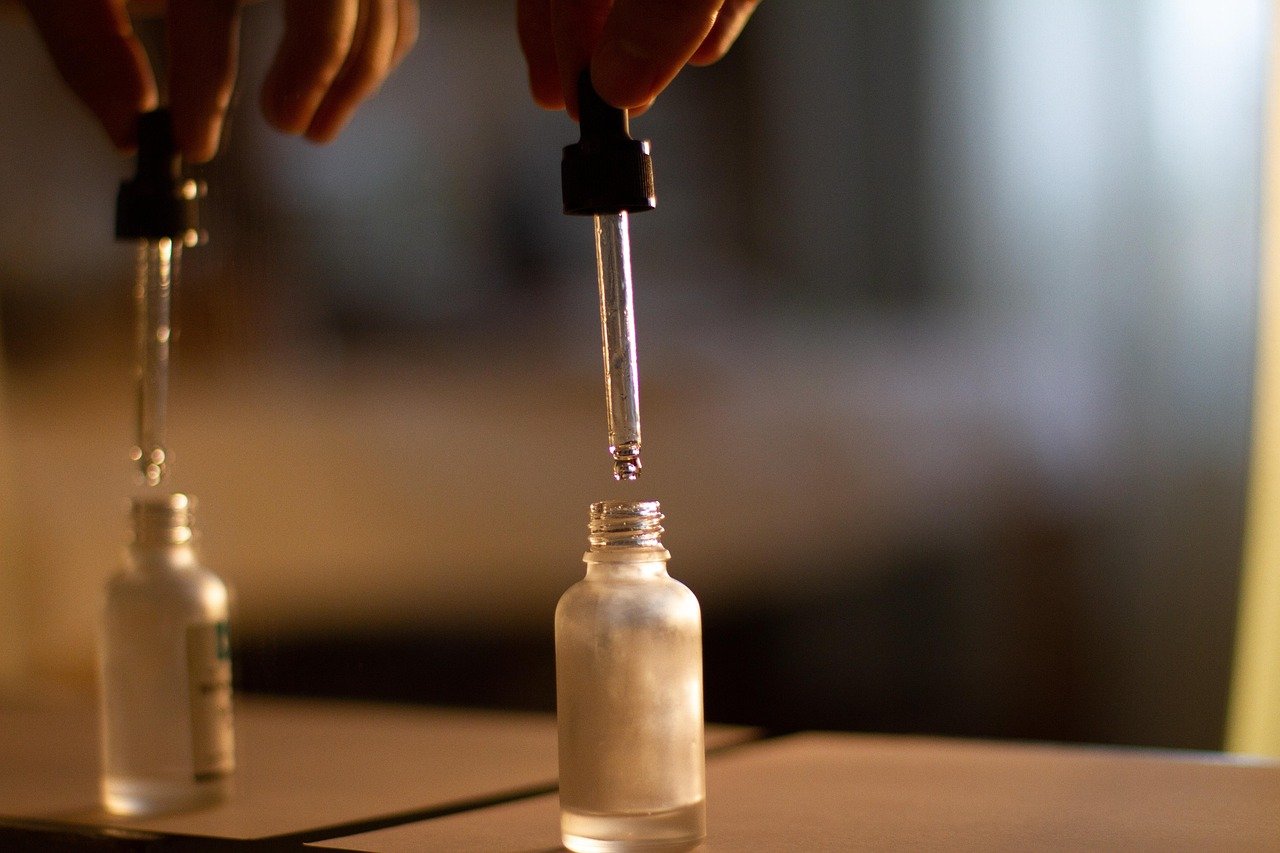
Somewhere between the cleanser and the moisturizer sits a small amber bottle that has quietly become one of the most talked-about products in skincare. Peptides, the short chains of amino acids that make up these serums, mimic fragments of the proteins your skin already builds. The appeal is obvious: if collagen and elastin are proteins, and peptides are their building blocks, then feeding skin peptides should help it rebuild. That logic is tidy, but the science behind it is more nuanced than the marketing suggests.
Here’s the honest starting point. Much of the evidence for peptide serums comes from lab studies and small trials, not large clinical trials on finished consumer products. The American Academy of Dermatology consistently points to sunscreen as the most proven anti-aging step, with everything else playing a supporting role. None of that means peptide serums are useless. It means knowing how to use them matters as much as whether you buy them. This guide walks through timing, layering, common mistakes, and what realistic results look like.
What Peptide Serums Actually Do
A peptide is a short chain of amino acids, typically fewer than 50. In skincare, these chains are used as signal peptides (which tell skin cells to produce more collagen), carrier peptides (which help shuttle trace minerals like copper into skin), and neurotransmitter-inhibiting peptides (marketed for the appearance of expression lines). Each behaves differently, and “peptide serum” on a label tells you almost nothing about which type you’re getting.
That’s the first practical lesson: the category is broad, and efficacy depends on the specific peptide, its concentration, and the formulation. Most labels don’t disclose percentages, so you’re often buying on faith. A serum built around one well-studied peptide at a meaningful dose may outperform a “peptide complex” listing twenty ingredients at trace amounts. (Peptide)
What peptides generally do well, based on available evidence, is support hydration and the skin barrier. Many formulas pair peptides with humectants like glycerin and hyaluronic acid, which deliver more immediate, visible plumping than the peptides themselves. If your skin looks smoother after a few weeks, that combination is often the reason.
Step-by-Step: How to Apply a Peptide Serum
The mechanics are simple. The discipline is in the order and the consistency.
- Cleanse with a gentle cleanser and pat skin dry. Peptides absorb best on clean skin, and damp skin is fine for most formulas.
- Apply any treatment serums first, thinnest to thickest. If you use a vitamin C serum in the morning, it typically goes before peptides.
- Dispense a pea-sized amount of peptide serum for the face and neck. More is not better; excess just sits on the surface.
- Press, don’t scrub. Warm the serum between fingertips and pat it into skin, focusing on areas prone to thinning: cheeks, jawline, around the eyes (if the formula allows), and the neck.
- Wait about a minute for absorption before the next layer.
- Follow with moisturizer to seal everything in. This step matters more than most people think; a cream or occlusive helps keep humectants from evaporating off the skin.
- Finish with sunscreen in the morning. This is non-negotiable if anti-aging is the goal.
Most brands suggest once or twice daily. If you’re new to peptides, start once a day in the evening for two weeks, then add a morning application if skin tolerates it.
Morning or Night? Timing Your Peptide Serum
There’s no strong evidence that peptides must be used at a specific hour, so the honest answer is: whenever you’ll actually do it consistently. That said, there are practical reasons to lean one way.
| Timing | Best for | Why |
|---|---|---|
| Morning | Layering under sunscreen and makeup | Peptides layer well under SPF; humectant-heavy formulas add a smooth base |
| Evening | Repair-focused routines | Fewer products competing for absorption; pairs well with retinoids if separated |
| Twice daily | Established routines, tolerant skin | Maximum exposure, but only if irritation isn’t an issue |
One caveat worth flagging: if you use a retinoid, many dermatologists suggest applying it after your peptide serum, or alternating nights, since retinoids can be irritating and peptides are generally soothing. There’s no firm rule here, and the combination is not known to be harmful.
Layering Rules That Actually Matter
Layering advice online often reads like a legal code. In practice, a few principles cover most situations.
Thinnest to thickest. Water-based serums go before creams and oils. A peptide serum is usually water-based, so it sits early in the routine.
Watch copper peptides with strong acids. Copper peptides are often advised to be kept separate from high-concentration AHAs, BHAs, and pure L-ascorbic acid. This is largely brand guidance rather than settled science, but it’s easy to follow: use copper peptides at night and acids in the morning, or on alternate days.
Don’t stack five serums. A common mistake is treating every serum as mandatory. Two or three well-chosen products beat six that compete for the same layer of skin. If your routine feels like a chemistry experiment, it’s too complicated.
Give it eight to twelve weeks. Peptides are not exfoliants; they don’t deliver overnight smoothing. Judging a serum after ten days is the most common way people waste money. For a deeper look at which formulas earn their price, this guide to hair growth serums that actually work applies the same hype-versus-evidence lens to a neighboring category, and the logic transfers well to skincare.
Common Mistakes People Make
Applying to wet, dripping skin. A little dampness helps humectants; a soaked face dilutes the formula. Pat dry first.
Skipping the patch test. Any new active can cause a reaction. Apply a small amount behind the ear or on the inner forearm for two days before committing to the full face.
Expecting peptide serums to replace sunscreen. No peptide has evidence comparable to daily SPF for preventing visible aging. Peptides are adjunctive, not foundational.
Buying based on the word “peptide” alone. Look for a named peptide (matrixyl, copper tripeptide-1, acetyl hexapeptide-8) and, where possible, a concentration. Vague “marine peptide complex” claims deserve skepticism.
Mixing everything at once. Introducing a peptide serum, a new retinoid, and an acid in the same week makes it impossible to know what’s working or what’s irritating you.
Ignoring the neck and hands. These areas show aging early and are often skipped. If a product is worth using, it’s worth extending downward.
What Realistic Results Look Like
Within two to four weeks, most people notice improved hydration and a slightly smoother surface texture, largely from humectants. By eight to twelve weeks, some users report skin that feels firmer or looks more resilient. Deep wrinkles and significant laxity are unlikely to change dramatically from a serum alone; those concerns typically require in-office treatments.
The regulatory picture is worth understanding too. In the United States, peptides in cosmetics are regulated as cosmetics, not drugs, unless the product makes drug claims. That means the FDA does not review peptide serums for efficacy before sale. The burden of skepticism falls on the buyer. For a broader view of how the beauty industry markets ingredients ahead of the evidence, the pattern described in this piece on what’s hype and what’s worth choosing is a useful parallel. (Cosmetics Labeling Claims)
Building a Simple Peptide Routine
A workable routine doesn’t need ten steps. Here’s a template that fits most skin types:
| Step | Morning | Evening |
|---|---|---|
| 1 | Gentle cleanser | Gentle cleanser |
| 2 | Vitamin C serum (optional) | Peptide serum |
| 3 | Peptide serum | Retinoid (alternate nights if new) |
| 4 | Moisturizer | Moisturizer |
| 5 | Broad-spectrum SPF 30+ | Occlusive balm on dry areas (optional) |
If your skin is sensitive, drop step 2 in the morning and keep the peptide serum as your only active for the first month. Simple routines are easier to sustain, and sustainability is what produces results.
Conclusion
Peptide serums are a reasonable, low-risk addition to a well-built routine, provided you understand what they can and can’t do. They support hydration and barrier function, may gradually improve the appearance of firmness, and layer easily with most other products. They will not outperform sunscreen, erase deep lines, or compensate for an inconsistent routine.
The practical formula is unglamorous: apply to clean skin, layer thinnest to thickest, use it consistently for at least two months, patch test anything new, and don’t let a label’s peptide count substitute for a named ingredient and a sensible formulation. Treat peptides as a supporting player, and they’ll do their job without drama.
FAQ
How long does a peptide serum take to work?
Most people notice hydration and texture changes within two to four weeks. Firmer-looking skin typically takes eight to twelve weeks of consistent use. If nothing changes after three months, the formula likely isn’t doing much for you.
Can I use a peptide serum with retinol?
Yes, generally. Many routines apply peptides first, then retinol, or alternate nights. Peptides are soothing and don’t typically conflict with retinoids, though sensitive skin may need to introduce them separately.
Should peptide serums go on before or after moisturizer?
Before. Serums are lighter and formulated to absorb into clean skin; moisturizer goes on top to seal in hydration. Applying serum over a cream limits absorption.
Do copper peptides conflict with vitamin C?
Many brands advise separating copper peptides from strong acids and pure L-ascorbic acid, though this is largely brand guidance rather than proven science. Using them at different times of day is an easy way to avoid the question entirely.
Can peptide serums cause breakouts?
They can, particularly formulas with heavy oils or silicones. Peptides themselves are not strongly comedogenic, but the base matters. Patch test first, and choose lightweight, water-based formulas if you’re acne-prone.
Are expensive peptide serums better than drugstore ones?
Not automatically. Price often reflects marketing and packaging more than peptide concentration. Look for a named peptide, a sensible ingredient list, and a formula your skin tolerates; those factors matter more than the price tag.
How should I store a peptide serum? Keep it away from direct sunlight and heat, since peptides are fragile proteins that can degrade when exposed to light and temperature swings. A closed cabinet at room temperature is usually fine; refrigerate only if the label instructs it. Pay attention to the use-by period after opening, and don’t keep a serum for years hoping it will still perform. Can I use peptide serums around the eyes? Many formulas are gentle enough for the orbital area, but the skin there is thin and more reactive, so check the label first. If it isn’t specifically eye-tested, apply it to the face and let the residue travel upward rather than pressing product directly onto the lids. What should I look for on the ingredient list? Named peptides such as matrixyl, copper tripeptide-1, or acetyl hexapeptide-8, ideally listed before the preservatives rather than after fragrance. A short, readable list with humectants near the top is a better sign than a long one padded with trace actives. Do peptide serums expire faster than other serums? Not dramatically, but peptides are less stable than plain humectants, so an expired bottle may simply underperform rather than irritate. If the texture, smell, or color changes, replace it. Is it worth using peptides if I already use retinol and sunscreen? Yes, as a supporting layer. Retinol and sunscreen do the heavy lifting; peptides add hydration and barrier support with little irritation risk. Think of them as maintenance, not a headline act, and the routine stays honest.